Global Smartphone Shipments Plunge 20% Amid Memory Shortage
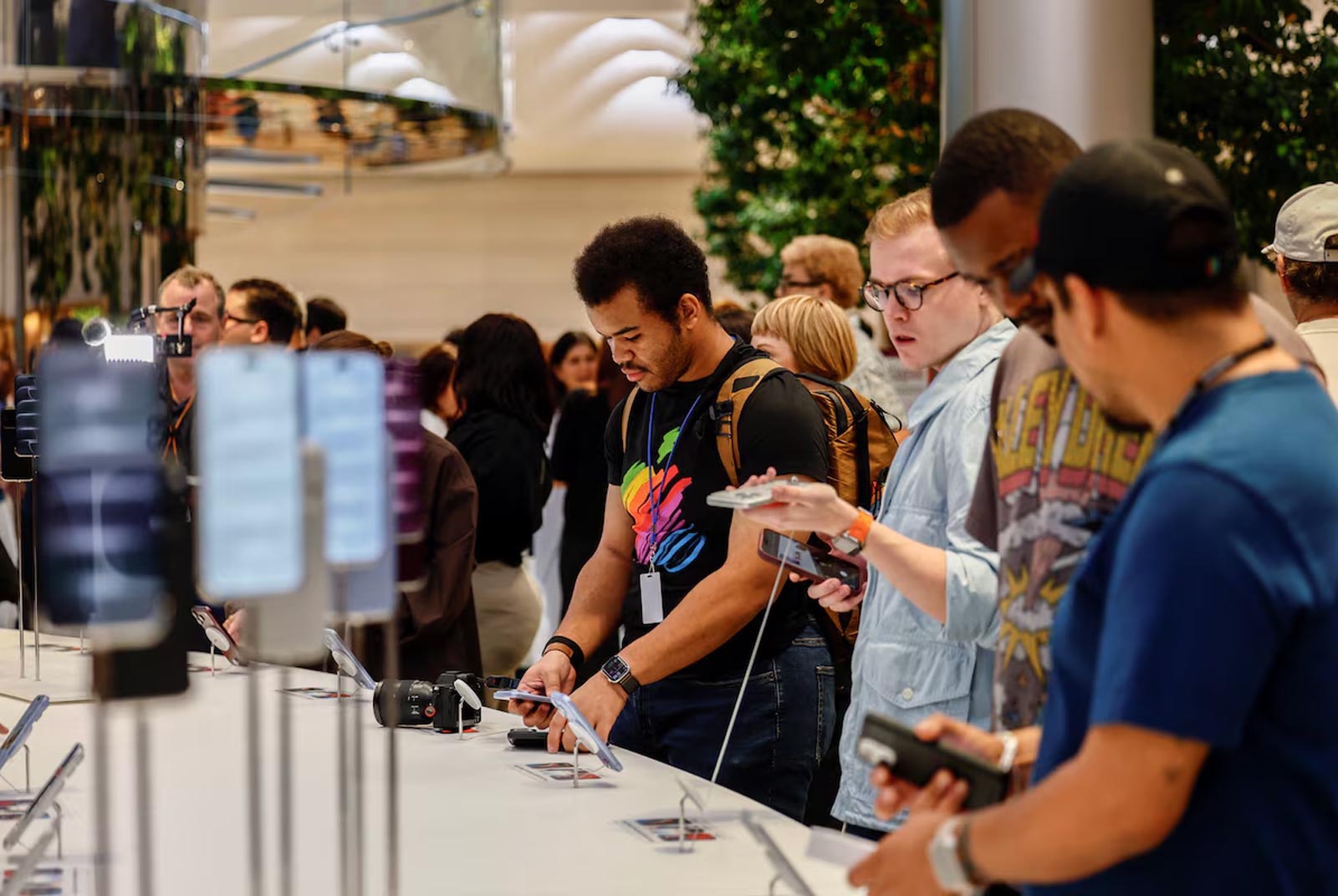
Source:Reuters
October 13, 2026 -- Today’s top stories: Global Smartphone Shipments Plunge 20% Amid Memory Shortage, EU Backs Malaysia’s Semiconductor Ambitions Amid Supply Chain Diversification, and US Economists Win 2026 Nobel Prize for Macroeconomic Stabilization Research.
Views
Global Smartphone Shipments Plunge 20% Amid Memory Shortage
By CommonWealth Magazineweb only
Global smartphone shipments record worst third quarter in 14 years amid memory shortage
Global Smartphone shipments fell 20% YoY to their lowest third-quarter level since 2012 due to soaring memory chip costs and supply shortages, according to preliminary estimates from Counterpoint Research. Rising prices for memory components, as AI infrastructure projects corner supplies, have driven up production costs and prompted manufacturers to raise retail prices, cut shipments, and prioritize profitability over volumes.
Samsung retained its top position with a 23% market share, helped by demand for its Galaxy Z Fold8 series and stable component supplies for its mid-range devices.
Apple's market share reached 22%, crossing 20% for the first time in a third quarter, despite a Year-On-Year decline in shipments.
The absence of a base iPhone 18 model resulted in a smaller launch-month channel fill than the full iPhone 17 lineup a year earlier, Counterpoint said.
Oppo and Vivo recorded shipment declines of more than 20%.
Xiaomi fell more than 30%, reducing its market share to 10% as the company cut exposure to lower-priced devices and some overseas markets to protect margins.
Reference Sources
EU supports Malaysia’s push to move up semiconductor value chain
The European Union (EU) has recognised Malaysia's ambition to move further up the semiconductor value chain, with its Global Gateway Investment Initiative and the proposed Malaysia-EU free trade agreement (MEUFTA) offering opportunities to strengthen economic cooperation between the two sides.
European Commissioner for International Partnerships Jozef s Kela said Malaysia was already one of the world’s most important semiconductor hubs and was now seeking to advance further up the value chain.
He said this presented an opportunity to build a mutually beneficial partnership, enabling Malaysia to retain more economic value domestically while helping Europe strengthen and diversify its supply chains.
S Kela also highlighted the importance of the MEUFTA negotiations, saying the agreement could remove trade barriers, facilitate investment and give Malaysian businesses better access to the European market.
The fifth round of MEUFTA negotiations was held in Brussels, Belgium, from Sept 21 to 25, with the next round scheduled to take place in Malaysia in the coming months. Since June 2025, five rounds of negotiations have been held, with Malaysia and the EU aiming to conclude them by the end of 2027. In the first eight months of this year, trade between Malaysia and the EU grew by 21%, with Malaysian exports to Europe rising by more than 28% and European exports to Malaysia increasing by almost 12%. Close to 2,000 European companies operate in Malaysia, employing more than 160,000 people directly.
Reference Sources
Nobel Prize in Economics goes to pair of US economists
Robert E. Hall and Michael Woodford have been awarded the 2026 Nobel Prize in economic sciences for their work on how monetary and fiscal policy can help stabilise fluctuations in the economy. Their work helped shape how central banks set interest rates and communicate policy.
The win comes as those institutions fight energy-driven inflation and risks to economic growth. For decades, policymakers relied on economic models that linked higher inflation with lower unemployment.
But that framework broke down during the 1970s stagflation when both prices and joblessness surged at the same time. "The solution by Robert Hall and Michael Woodford was to build a new framework from the ground up," said Timo Boppart, a member of the Nobel Economics Prize committee.
The Economics Prize is formally known as the Bank of Sweden Prize in Economic Sciences in memory of Alfred Nobel.
Last year's prize was awarded to three business innovation researchers who explained how new products and inventions promote economic growth and human welfare, even as they leave older companies behind.
The Sveriges Riksbank established it in 1968 as a memorial to Nobel, the 19th-century Swedish businessman and chemist who invented dynamite and established the five Nobel prizes.
Reference Sources
- aljazeera - Nobel economics prize awarded to Robert Hall and Michael Woodford
- axios - Two U.S. professors win Nobel prize in economics
- jordantimes - Americans Hall and Woodford win economics Nobel for stabilisation models | Jordan Times
- dwen - Nobel Prize in Economics goes to pair of US economists
- thestarmy - Economic stars: US researchers win the Nobel Prize for work on macroeconomic stability
The CommonWealth English daily news digest is a service curated by CommonWealth English team with the help of AI tools.
Have you read?
- Taiwan’s Prologium Targets AI Data Centers and Aerospace as EV Demand Slows
- US Suspends Microsoft, Adobe From Filing for Green Cards
- Intel Stays in Musk’s Terafab Race Despite TSMC Discussions
Uploaded by Ian Huang
Views

Subscribe to CWE Newsletter (every Thursday)
Stay abreast of what's happening in Taiwan with our weekly digest.
Keywords: