How Taiwan's New AI Chip Export Controls Could Affect China
Source:Getty Images
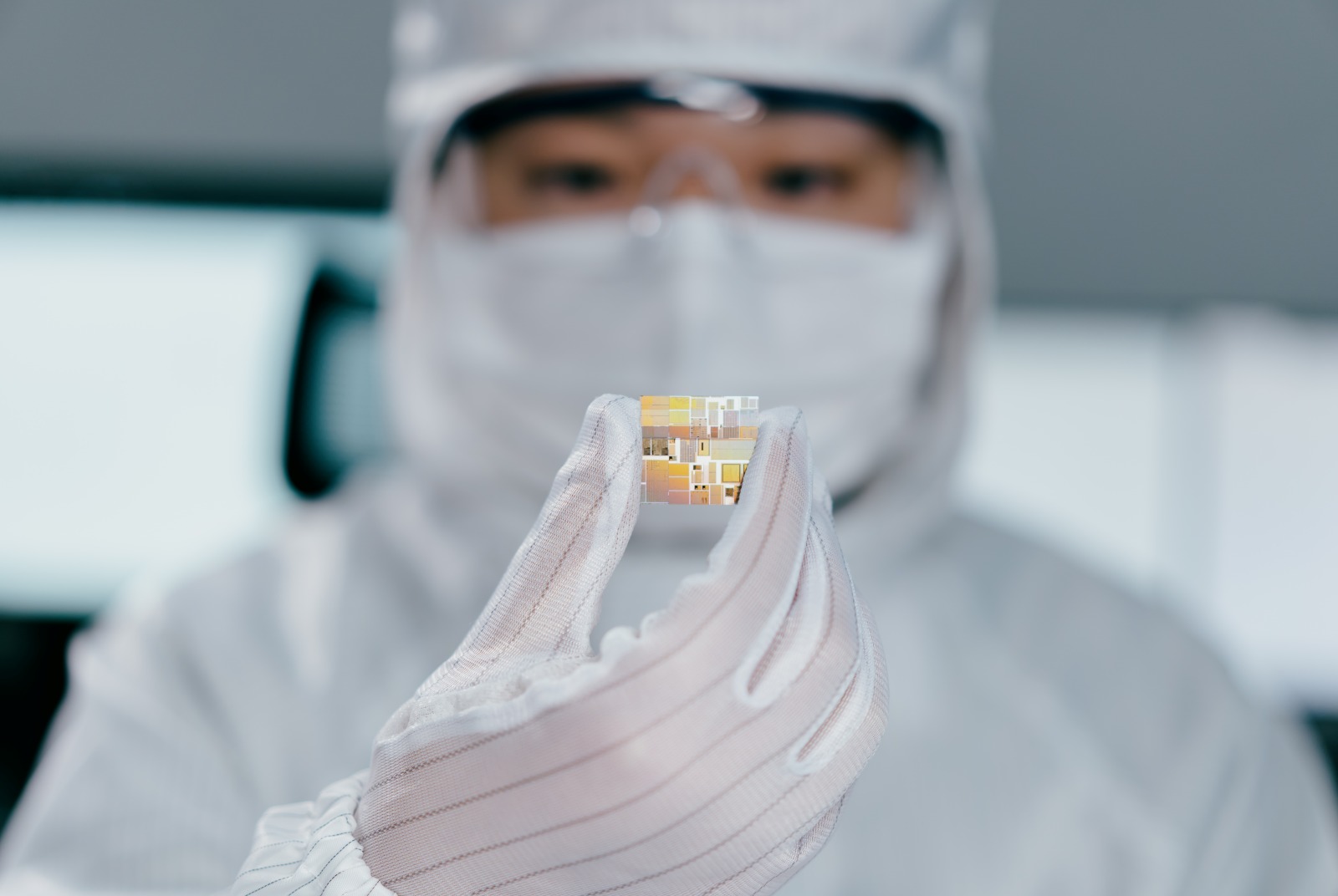
Taiwan plans to tighten restrictions on advanced AI chips and servers exported to China, bringing its regulations closer to those of the United States. The proposed measures could give Taiwanese authorities new powers to prosecute unauthorized shipments of sensitive AI hardware.
Views
How Taiwan's New AI Chip Export Controls Could Affect China
By CommonWealth Magazineweb only
Taiwan is preparing to impose stricter export controls on advanced semiconductors and artificial intelligence servers destined for China, a move that could significantly change how the island regulates the international trade of high-performance computing equipment.
Minister of Economic Affairs Kung Ming-hsin confirmed in an October 12 interview with Bloomberg that the government plans to add AI servers and advanced semiconductors to its list of controlled export items.
Under the proposed framework, shipping restricted AI hardware to China without authorization could become a criminal offense under Taiwan's Foreign Trade Act.
The government has not announced when the new restrictions will take effect.
The proposal represents a potentially significant development for Taiwan, which occupies a central position in the global AI hardware supply chain.
Taiwan Semiconductor Manufacturing Company (TSMC) manufactures advanced chips used by leading technology companies, while Taiwanese manufacturers play a major role in assembling AI servers for international customers.
The new restrictions could therefore affect not only chip shipments but also the movement of complete computing systems.
What AI chip export restrictions does Taiwan already have?
Taiwan already operates a strategic high-tech export control system, including controls on sensitive technologies and restrictions involving designated entities.
Companies exporting controlled products must comply with applicable licensing requirements and restrictions on prohibited destinations or end users.
Taiwan has also expanded restrictions involving certain Chinese technology companies, including Huawei and Semiconductor Manufacturing International Corporation (SMIC).
However, these existing controls are not identical to the broader restrictions now being proposed.
The central issue is whether Taiwan can more directly regulate shipments of advanced AI hardware to China, including products that may be diverted through intermediaries.
The proposed measures would strengthen the domestic legal framework for controlling certain shipments.
They should not be interpreted as a blanket ban on every semiconductor or server exported to China.
The exact product categories, technical thresholds, licensing exemptions, and enforcement procedures will depend on the final regulations.
What is Taiwan planning to change?
According to Kung, Taiwan intends to add advanced AI servers and cutting-edge semiconductors to its controlled export list.
The measures are intended to align more closely with restrictions imposed by the United States.
Washington has limited China's access to certain advanced AI accelerators and semiconductor technologies on national security grounds.
Taiwan's proposed changes could make it harder for companies to use Taiwanese manufacturing and export channels to circumvent those restrictions.
Crucially, the government is also seeking stronger domestic enforcement powers.
Under the proposed framework, unauthorized exports of newly controlled AI hardware could be prosecuted directly under Taiwan's Foreign Trade Act.
That would differ from situations in which authorities must rely on other existing legal provisions to investigate suspected smuggling or misrepresentation.
However, criminal liability would depend on the final legal framework, the goods involved, and the specific conduct.
Why does the United States want Taiwan to tighten export controls?
The United States has sought to restrict China's access to advanced computing hardware that could support military applications, intelligence operations, and sophisticated artificial intelligence systems.
But export controls become less effective when restricted products can be purchased through intermediaries or redirected through international supply chains.
Taiwan is especially important because of its role in semiconductor manufacturing and AI server assembly.
Even when a chip is designed by an American company, its production, packaging, integration, or final system assembly may involve Taiwanese businesses.
That creates a need for coordination across jurisdictions.
In his October interview, Kung linked Taiwan's planned adjustments to commitments made under the 2026 US–Taiwan trade agreement.
Closer coordination could reduce differences between the two countries' regulatory systems, although the precise scope of the Taiwanese measures remains to be announced.
How could the restrictions affect Nvidia and Taiwan's AI server manufacturers?
The potential impact depends on the products covered and the destination of shipments.
Nvidia designs AI accelerators that are manufactured through a global supply chain involving TSMC and other partners.
Taiwanese manufacturers also assemble complete servers incorporating these processors.
A restriction covering only certain semiconductor products would have a different effect from one covering finished AI servers.
For example, a complete server may contain multiple accelerators, memory, networking components, and supporting hardware.
Regulating finished systems could reduce opportunities to circumvent chip-specific restrictions by exporting assembled equipment.
Manufacturers would need to evaluate product classifications, customer identities, ultimate end users, and licensing obligations.
However, it would be premature to estimate the financial impact on individual companies before the government publishes the controlled-item definitions.
Why has AI chip smuggling become a major issue?
Advanced AI accelerators are expensive and strategically important products.
Restrictions on their sale to China have created incentives for unauthorized resale, diversion, and complex procurement arrangements.
Authorities in several jurisdictions have investigated suspected attempts to move restricted computing equipment through intermediaries.
For Taiwan, the challenge is particularly sensitive because of the concentration of semiconductor manufacturing and AI server assembly on the island.
The issue also raises questions about the responsibilities of manufacturers, distributors, logistics providers, and overseas customers.
Existing CommonWealth reporting on the Supermicro AI hardware controversy examined how international trade restrictions can intersect with Taiwan's technology supply chains.
The proposed export-control changes would give Taiwanese authorities an additional policy instrument to address such risks.
Could Taiwan's new rules stop China from obtaining advanced AI chips?
Stricter controls could make unauthorized shipments more difficult and increase the legal risks for participants.
However, export restrictions alone cannot guarantee that prohibited hardware will never reach China.
Their effectiveness depends on enforcement, international cooperation, product traceability, and the ability to identify indirect shipments.
The final impact will also depend on whether the new regulations cover individual chips, assembled servers, or both.
For Taiwan, the challenge is to strengthen compliance without unnecessarily disrupting legitimate technology trade.
FAQs
Has Taiwan banned AI chip exports to China?
No blanket ban has been established by the announced proposal. Taiwan already has controls on certain sensitive products and entities, and the government plans to expand restrictions on advanced AI hardware.
When will Taiwan's new AI chip export controls take effect?
As of October 19, 2026, the government has not announced an implementation date.
Which AI chips will be restricted?
The government has indicated that advanced semiconductors and AI servers will be included. Detailed technical specifications and product classifications have not yet been announced.
Will exporting AI chips to China become a criminal offense?
Unauthorized exports of products covered by the proposed new controls could become subject to criminal prosecution under Taiwan's Foreign Trade Act once the measures take effect. This does not mean every chip export to China would be illegal.
Will the restrictions affect TSMC?
They could affect compliance requirements for relevant products and transactions involving Taiwan's semiconductor supply chain. The direct implications will depend on the final rules and existing contractual and regulatory arrangements.
Are Taiwan's export controls the same as those of the United States?
No. Taiwan and the United States operate separate legal systems. Taiwan is seeking closer alignment, but companies must evaluate their obligations under each applicable jurisdiction.
The Bottom Line
Taiwan's planned AI export controls are significant because they could close a gap between the island's central role in manufacturing advanced computing hardware and its ability to enforce restrictions on unauthorized shipments.
But the measures remain a proposal until the government publishes and implements the relevant regulations.
For companies operating across Taiwan, China, and the United States, the most important questions are which products will be covered, what licenses will be required, and how the new rules will be enforced.
Policy status: October 19, 2026. The proposed expansion of export controls has been publicly confirmed, but the implementation date and complete product coverage have not been announced.
Have you read?
- Why the Supermicro AI Smuggling Case Could Trigger a Section 301 Probe
- Why U.S. AI Chip Sanctions Are Failing—The Hidden Truth from Nvidia’s GTC 2025
- "Taiwan Has the Most to Lose": Jimmy Goodrich on Export Controls and Global Semiconductor Security — a DSET Interview
Uploaded by Ian Huang
Views

Subscribe to CWE Newsletter (every Thursday)
Stay abreast of what's happening in Taiwan with our weekly digest.
Keywords: