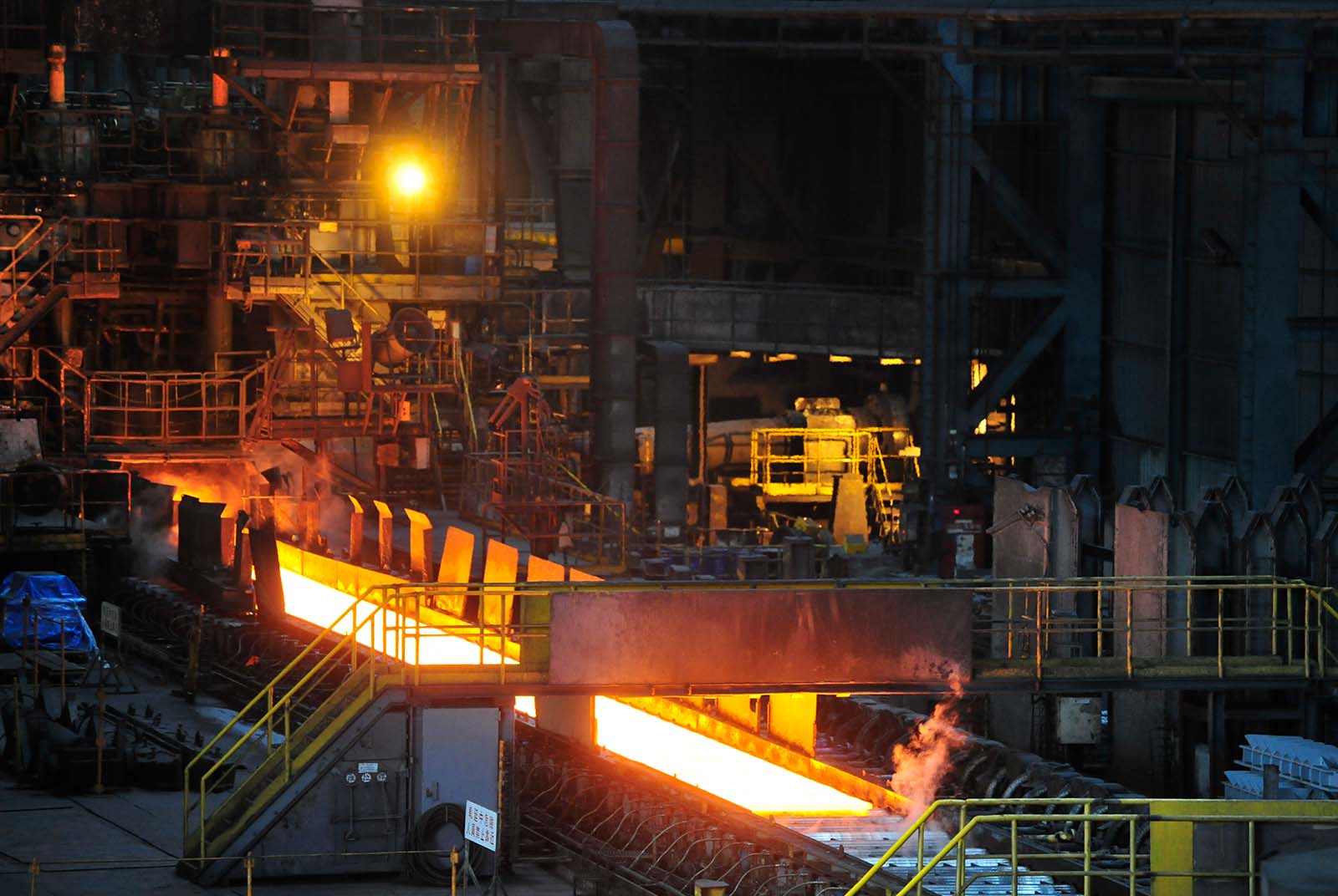
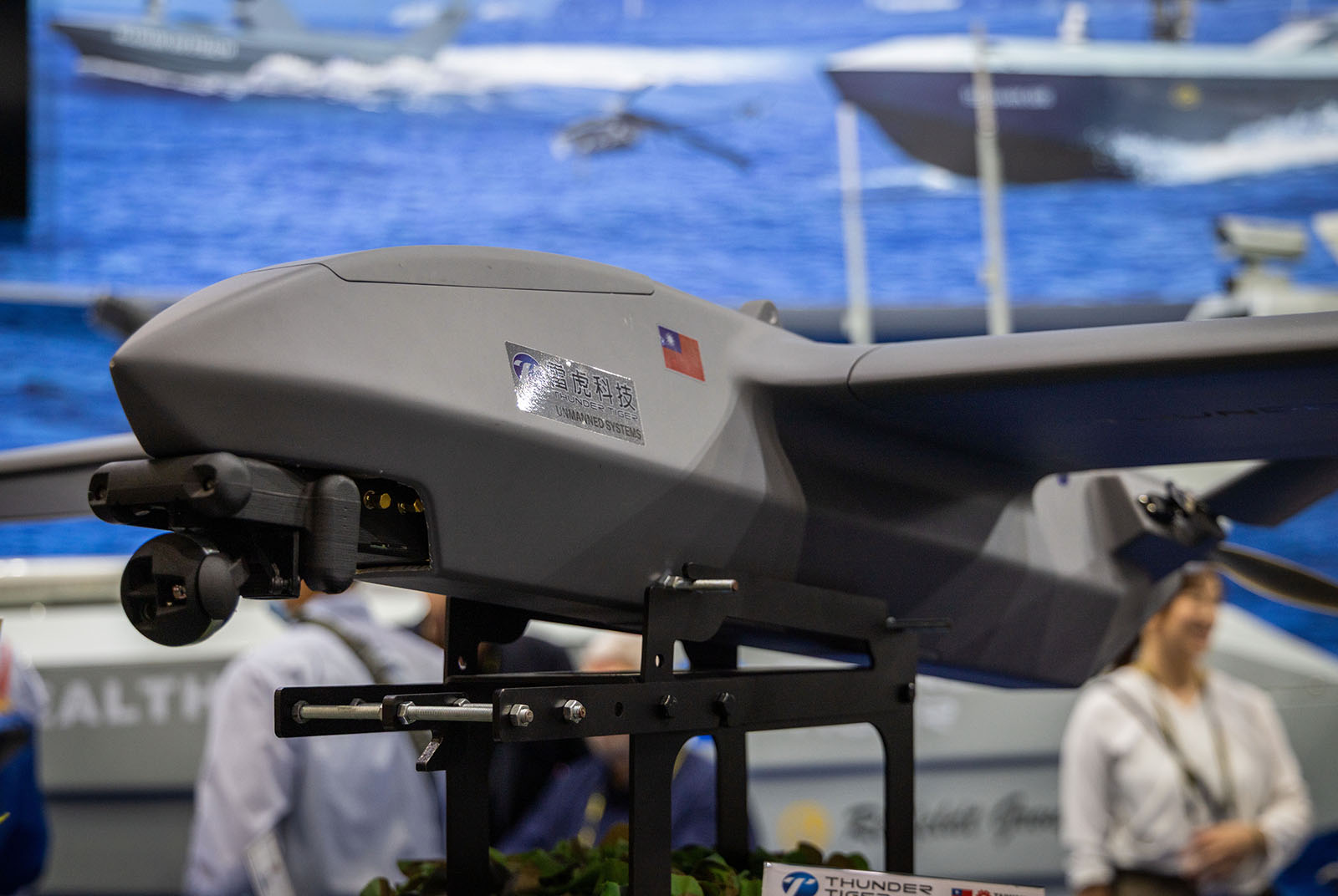
Why is Taiwan Building a Drone Industry Without China
Source:Chien-Tong Wang
Taiwan’s drone exports are surging as Western governments seek alternatives to Chinese suppliers. But dependence on Chinese components, high production costs, and fragmented procurement threaten the island’s ambition to become a trusted manufacturing hub.
Views
Why is Taiwan Building a Drone Industry Without China
By CommonWealth Magazineweb only
Taiwan wants to build a drone industry that does not depend on China. The goal is both economic and strategic: to supply trusted unmanned systems to international partners while strengthening Taiwan’s ability to defend itself against a much larger military.
The ambition is increasingly backed by export demand. According to the Research Institute for Democracy, Society and Emerging Technology (DSET), Taiwan exported approximately 210,000 drones worth US$237.6 million between January and July 2026, already surpassing its full-year 2025 performance.
Yet rising exports do not necessarily mean Taiwan has established an independent drone supply chain. Many locally assembled drones still rely on Chinese components, while Taiwanese manufacturers struggle to compete with China's production scale and prices.
The central question is whether Taiwan can move beyond assembling drones to manufacturing the critical components that make them reliable, affordable, and secure.
Why is Taiwan developing its own drone industry?
Three forces are driving Taiwan's drone ambitions: national defense, international demand, and industrial diversification.
For Taiwan's military, drones offer a potentially lower-cost means of surveillance, reconnaissance, and attack. Lessons from Russia's invasion of Ukraine have demonstrated the importance of unmanned systems, particularly when deployed in large numbers.
For international buyers, Taiwan offers an alternative manufacturing base at a time when governments are increasingly concerned about Chinese technology in sensitive systems.
Taiwan also has a substantial industrial foundation. Its electronics manufacturers, precision-machinery suppliers, motor producers, and contract manufacturers already possess capabilities relevant to drone production.
However, producing drone components is not the same as delivering fully integrated, battlefield-ready systems. Flight-control software, communications security, resistance to electronic warfare, and rapid replacement of damaged aircraft are equally important.
What is a “non-red” drone supply chain?
In Taiwan, the term non-red supply chain generally refers to manufacturing networks designed to exclude components or technologies sourced from China, particularly where national security or trusted procurement requirements apply.
A drone contains numerous systems, including motors, batteries, cameras, communications equipment, navigation modules, flight controllers, and onboard processors.
A product assembled in Taiwan is therefore not automatically free of Chinese technology.
This distinction matters because manufacturers may use Chinese components to lower costs even when finished products are exported under Taiwanese brands.
CommonWealth Magazine's investigation, Why Do Taiwanese Drone Exports Still Rely on China's “Pink Supply Chain”?, documented this contradiction.
Industry participants interviewed by CommonWealth described significant price differences between locally sourced and Chinese components. One manufacturer estimated that an FPV drone made entirely from Taiwanese parts would need to sell for approximately US2,000–US3,000 to break even, compared with an average export price of roughly US$700 for lightweight Taiwanese drones.
These figures illustrate a fundamental commercial challenge: buyers may want supply chains independent of China without being willing to pay substantially more for them.
Who makes drones in Taiwan?
Taiwan's drone industry includes established electronics manufacturers, specialized unmanned-system developers, and smaller suppliers adapting existing industrial technologies.
CommonWealth's reporting on Coretronic and other Taiwanese drone manufacturers shows how companies are using expertise in electronics, imaging, and manufacturing to enter the sector.
Other manufacturers contribute specialized components rather than complete aircraft.
For example, Champ-Ray, a Taichung company originally associated with ceiling-fan manufacturing, has developed drone propulsion technologies by applying its experience in motors and mechanical systems.
These companies illustrate Taiwan's potential advantage: an extensive manufacturing ecosystem capable of adapting to new products.
But the industry remains fragmented. Smaller suppliers may lack the capital to expand production without predictable long-term orders.
Why is Ukraine important to Taiwan's drone exports?
Ukraine's wartime demand has helped create a market for Taiwanese drone manufacturers and component suppliers.
European countries, including Poland and the Czech Republic, have become important destinations for Taiwan's drone exports, reflecting demand associated with the conflict.
The opportunity has also exposed weaknesses.
Low-cost drones used in combat are often treated as expendable equipment. Buyers prioritize affordability, rapid delivery, and replacement capacity alongside performance.
Taiwanese companies therefore face competition not only in technological quality but also in manufacturing cost and production speed.
Moreover, wartime demand may not remain at its current level indefinitely.
For Taiwan, the long-term objective is to establish a competitive industry capable of serving defense and civilian markets beyond a single conflict.
Can Taiwan replace Chinese drone components?
Taiwan can manufacture many important drone components, but achieving a completely China-free supply chain remains difficult.
The challenge varies by component.
Taiwan's strengths in electronics assembly, motors, and precision manufacturing offer a foundation for localization. However, certain sensors, imaging technologies, and other specialized components can be expensive or difficult to source outside China.
Replacing Chinese components may require suppliers in the United States, Europe, Japan, or other partner economies.
That creates a trade-off between security, price, and manufacturing scale.
It also makes verification essential. A supplier's claim that a drone is locally manufactured does not necessarily establish the origin of every component.
Taiwanese authorities have investigated military procurement cases involving allegedly misrepresented Chinese-made components, demonstrating why traceability matters as much as final assembly.
Why does government procurement matter?
A drone industry cannot scale solely on prototypes and occasional export orders.
Manufacturers need sufficient demand to invest in production lines, specialized tooling, skilled workers, and testing facilities.
Government procurement can provide that demand.
But purchasing small numbers of drones from numerous suppliers may not create the predictable production volume needed to reduce costs.
A September 2026 DSET report on Taiwan's drone strategy identified procurement delays and the need for stronger technological autonomy as continuing challenges.
Taiwan must therefore balance competition among manufacturers with sustained purchasing commitments, clear technical standards, and component-origin verification.
Could drones become Taiwan's next major technology industry?
Taiwan's semiconductor success demonstrates the economic value of a deeply integrated manufacturing ecosystem. But the drone industry has different economics.
Semiconductors depend on extraordinarily sophisticated manufacturing processes and large capital investments. Many drone categories instead compete on cost, software performance, reliability, and the ability to produce and replace equipment quickly.
Taiwan's opportunity is not necessarily to dominate every drone category.
It may be more realistic to become a trusted supplier of specialized components, manufacturing services, and complete systems for customers seeking alternatives to Chinese supply chains.
Success would require the industry to achieve three things simultaneously: verified supply-chain security, internationally competitive products, and sustainable production volumes.
FAQs
Does Taiwan manufacture its own drones?
Yes. Taiwanese companies manufacture complete drones and a range of components, although some products still incorporate imported technology.
Are Taiwan-made drones completely free of Chinese components?
Not necessarily. Final assembly in Taiwan does not guarantee that every component was manufactured outside China.
Why are Taiwanese drones more expensive than Chinese drones?
Differences in production scale, component sourcing, manufacturing costs, and technical requirements can raise prices. The gap varies substantially by drone type.
Does Taiwan export drones to Ukraine?
Taiwan exports drones to European markets associated with demand from Ukraine. Export destinations should not automatically be treated as proof of the final end user.
Can Taiwan become a global drone manufacturing hub?
Taiwan has relevant manufacturing capabilities and growing export demand. Whether it becomes a major hub will depend on component localization, procurement, software capabilities, certification, and the ability to scale production.
Have you read?
- Why Do Taiwanese Drone Exports Still Rely on China's “Pink Supply Chain”?
- Taiwan's Drone Problem Is Replenishment, Not Production
- The Red-Free Challenge: Why the US-Taiwan Autonomous Defense Push Faces an Industrial Reality Check
- From Ceiling Fans to Drones: CRG Snatches Up Orders Leaving China
Uploaded by Ian Huang
Views

Subscribe to CWE Newsletter (every Thursday)
Stay abreast of what's happening in Taiwan with our weekly digest.
Keywords: