Exclusive: Inside UMC’s Decade-Long Turnaround
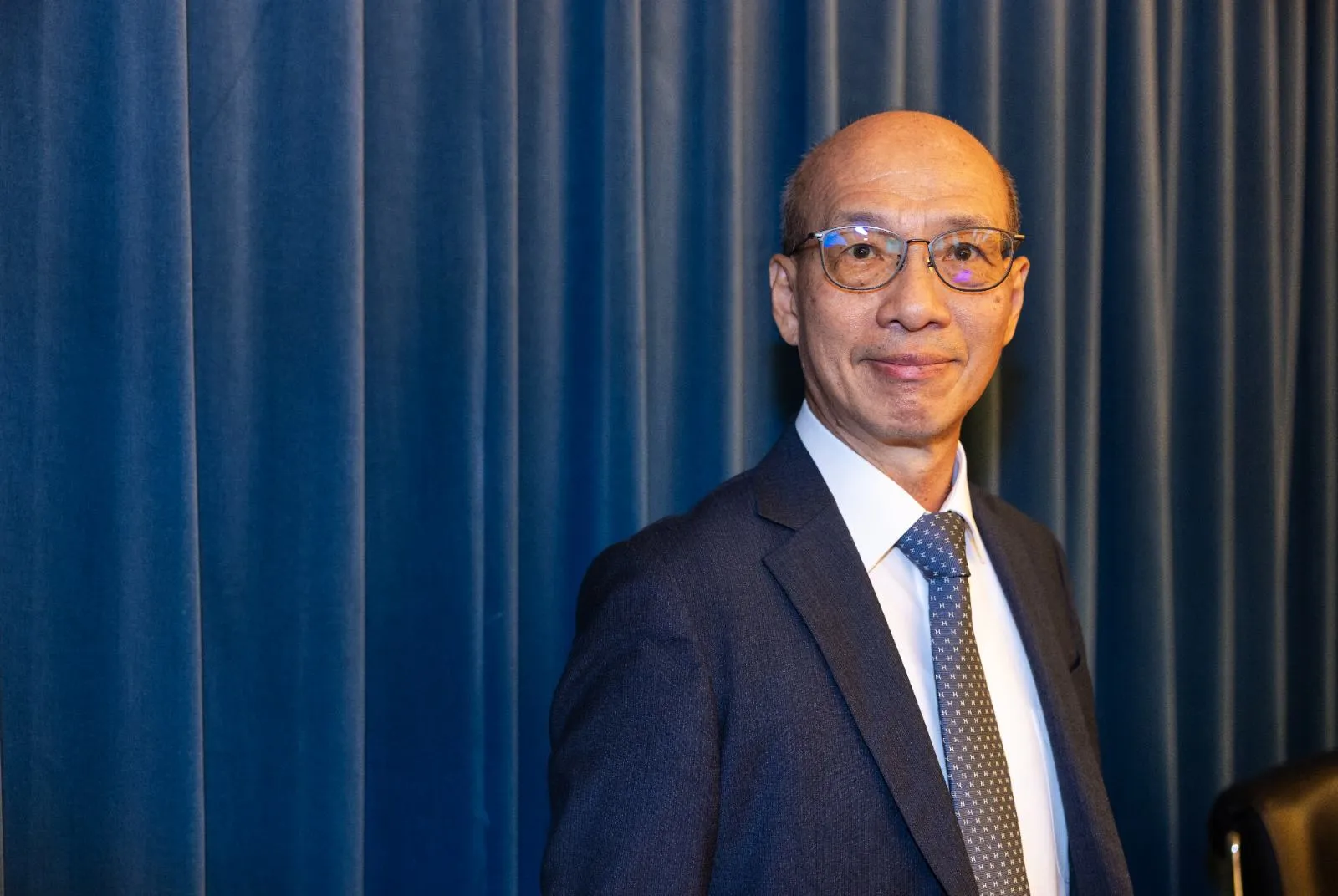
Source:Kuan Hsieh
UMC underwent sweeping senior leadership changes this year, ending a decade-long co-presidency era. With CEO Jason Wang and President Silvestro Stelzer now officially at the helm, a new decision-making era has begun. How did the world's fourth-largest foundry land a partnership with Intel — and how does it plan to ride the AI wave?
Views
Exclusive: Inside UMC’s Decade-Long Turnaround
By Hungta Linweb only
Earlier this year, Taiwanese semiconductor foundry United Microelectronics Corporation (UMC) carried out its largest leadership reshuffle in a decade. Former Co-President SC Chien (簡山傑) became chairman of Unimicron Technology, while Co-President Jason Wang (王石) was promoted to CEO. Executive Vice President Ming Hsu (徐明志) was appointed president and chief operating officer.
The changes symbolize UMC’s transition from a decade-long restructuring period into a new phase focused on growth.
In an exclusive interview with CommonWealth Magazine, Wang said Hsu had been a key figure behind UMC’s renewed growth strategy over the past decade. His appointment signals the company’s shift from transformation to expansion.
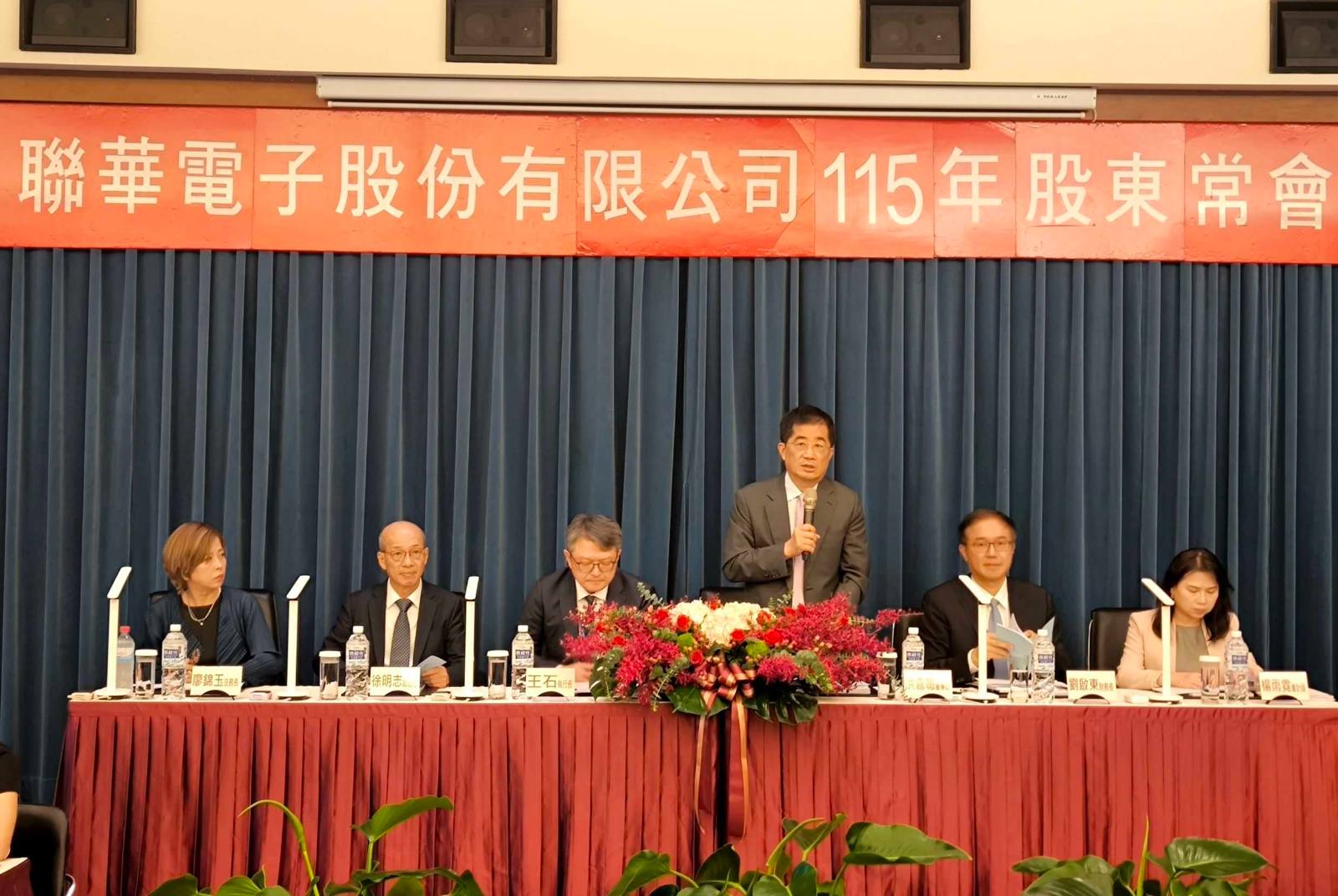 UMC's shareholder meeting marks a major leadership transition. (Source: UMC)
Beginning in 2017, Wang and Chien served as co-presidents, leading UMC through one of the most challenging periods in its history. Before then, the company had invested heavily in advanced manufacturing processes in an attempt to catch up with TSMC. The resulting capital burden required exceptionally high utilization rates to remain profitable.
UMC eventually decided to stop pursuing leading-edge process technologies at all costs and instead reassess investment returns. The company adopted its “Stay Focused, Stay Relevant” strategy, concentrating resources on a limited number of competitive technology areas and integrating R&D, manufacturing, and marketing efforts to achieve leadership positions in selected markets.
Hsu was one of the key executors of that strategy.
A graduate of National Tsing Hua University’s Department of Materials Science and Engineering with a master’s degree in electrical engineering from the University of Southern California, Hsu joined UMC in 2003. Wang said he possesses a rare understanding of foundry operations, IC design customer needs, and the broader semiconductor ecosystem.
In recent years, UMC has promoted what it calls “Customer Centric 2.0,” a strategy that emphasizes proactively studying market trends rather than simply waiting for customer orders. According to Wang, Hsu has played an important role in helping the company anticipate customer needs, lower barriers to cooperation, and accelerate technology adoption.
AI is one example. While TSMC remains the primary beneficiary of demand for advanced AI accelerators, UMC believes AI data centers will continue to require large volumes of chips produced using mature process technologies, particularly for high-speed data transmission and storage applications. As a result, UMC invested early in thin-film lithium niobate (TFLN) technology and silicon photonics platforms to capture opportunities in high-speed optical communications.
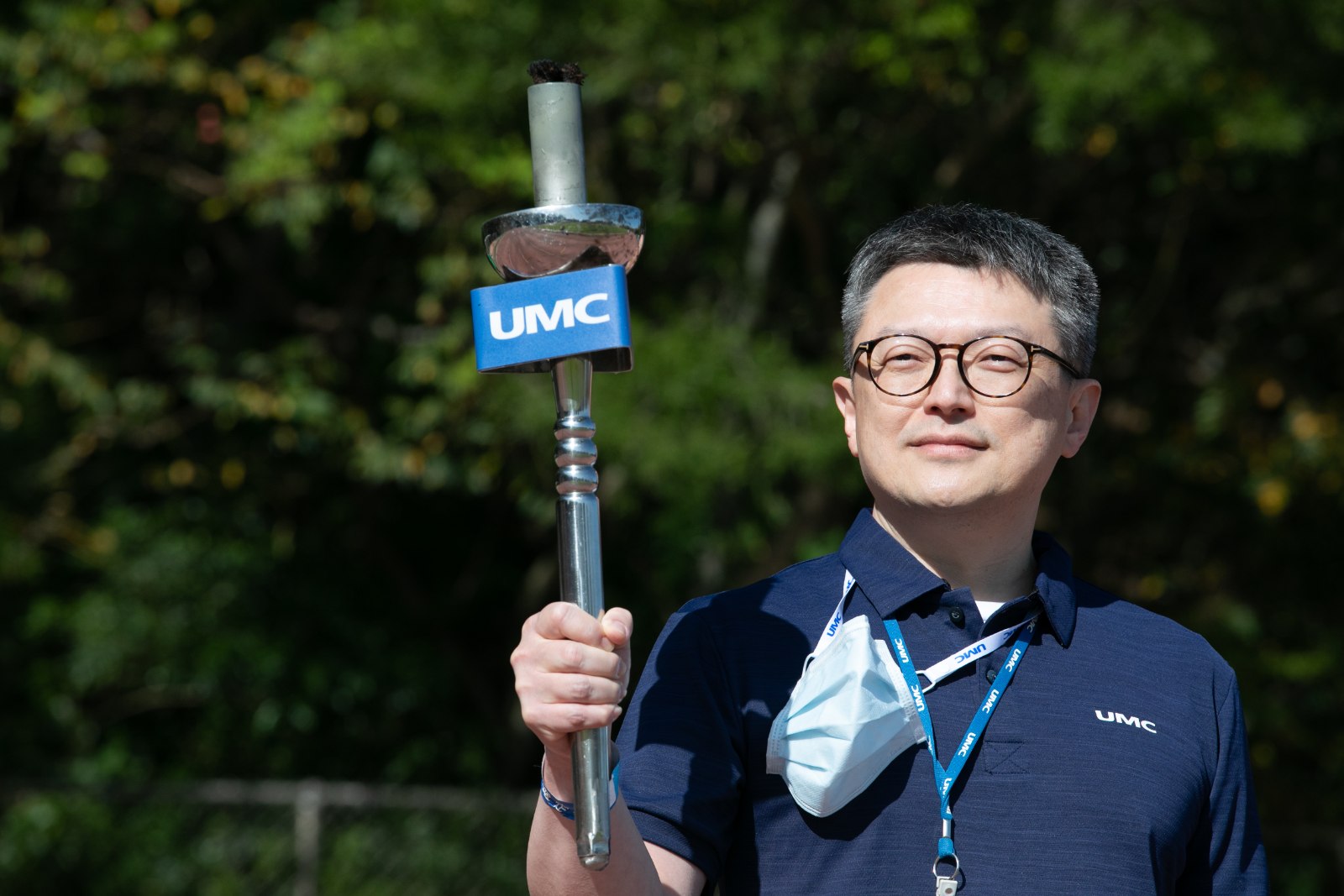 CEO Jason Wang. (Photo: Chien-Ying Chiu)
The company has also licensed silicon photonics technology from the Belgian research institute imec and is evaluating different wafer-size strategies and application scenarios. Wang said these decisions were based on market analyses conducted by Hsu’s team.
Hsu was also a key advocate of UMC’s collaboration with Intel on 12-nanometer process technology. Given the significant differences in corporate culture and operating models between the two companies, the partnership faced challenges in its early stages. Hsu helped build consensus and keep the project moving forward.
On the technology front, UMC has focused on specialty-process areas including logic chips, high-voltage processes, non-volatile memory, RFSOI, BCD, advanced packaging, and silicon photonics. Resource allocation is based on end-product applications rather than process nodes.
 UMC charts its own course, advancing into specialty process technologies. (Source: UMC)
Wang said UMC has established a global leadership position in 22-nanometer high-voltage processes. According to Omdia, UMC held a 33.5% global market share in 40-nanometer high-voltage AMOLED driver ICs in the fourth quarter of last year, ranking first worldwide. Its RFSOI market share has also continued to increase. The jointly developed 12-nanometer process with Intel is expected to begin generating meaningful results in 2027.
After a decade of adjustment, UMC’s revenue mix has changed substantially, with specialty-process technologies now accounting for more than half of total revenue. The company has increasingly carved out a development path distinct from TSMC’s.
In the first quarter of this year, UMC reported revenue of NT$61.1 billion and operating profit of NT$11.2 billion. Compared with the same period a decade ago, revenue increased 68%, while profits surged 760%.
Wang said UMC has entered what it calls its “Next Growth” phase. Under Hsu’s leadership as president and COO, the company will continue pursuing organizational transformation driven by both R&D and marketing.
Whether UMC can return to a sustained long-term growth trajectory through its specialty-process strategy and partnership with Intel will remain a key focus for investors and industry observers.
Have you read?
- Why France Chose Foxconn to Build Europe’s Most Advanced Packaging Plant
- How Machine Manufacturer Ta Liang Became a Hidden AI Champion
- Inside the AI Rack War: MediaTek and Foxconn Race Toward the Copper-to-Optics Era
Translated by Susanne Ganz
Uploaded by Ian Huang
Views

Subscribe to CWE Newsletter (every Thursday)
Stay abreast of what's happening in Taiwan with our weekly digest.
Keywords: