Taiwan Unearths New Precious Metals Opportunity: ‘Urban Mining’
Source:Yu-Chiang Liao
China has weaponized its supply of precious metals, many of which are indispensable in advanced electronics. Taiwan is trying to bypass the red supply chains for these metals, however, through an “urban mining” strategy. What are its challenges?
Views
Taiwan Unearths New Precious Metals Opportunity: ‘Urban Mining’
By Jenna Yuanweb only
The once-thriving gold mining center of Jinguashi in northern New Taipei is now nothing more than a tourist destination, but a non-toxic form of gold refining survives nearby, hidden in a small factory in New Taipei's Tucheng District.
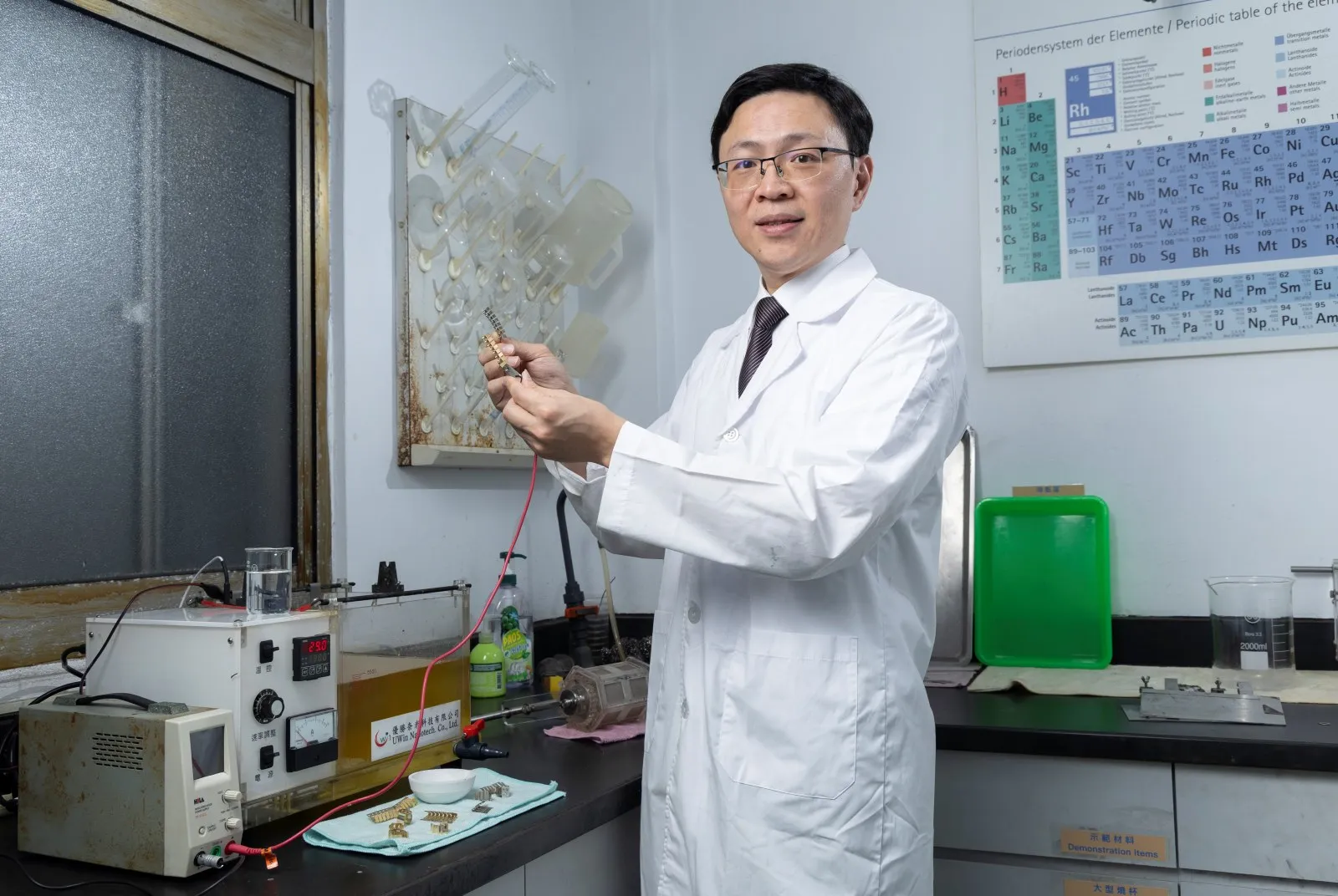
In the UWin Nanotech Co., Ltd. factory area, company Chairman Kenny Hsu (許景翔), like a magician, demonstrates how notebook computer chips can be turned into gold.
UWin: Cyanide-Free Refining Finds a Geopolitical Opening
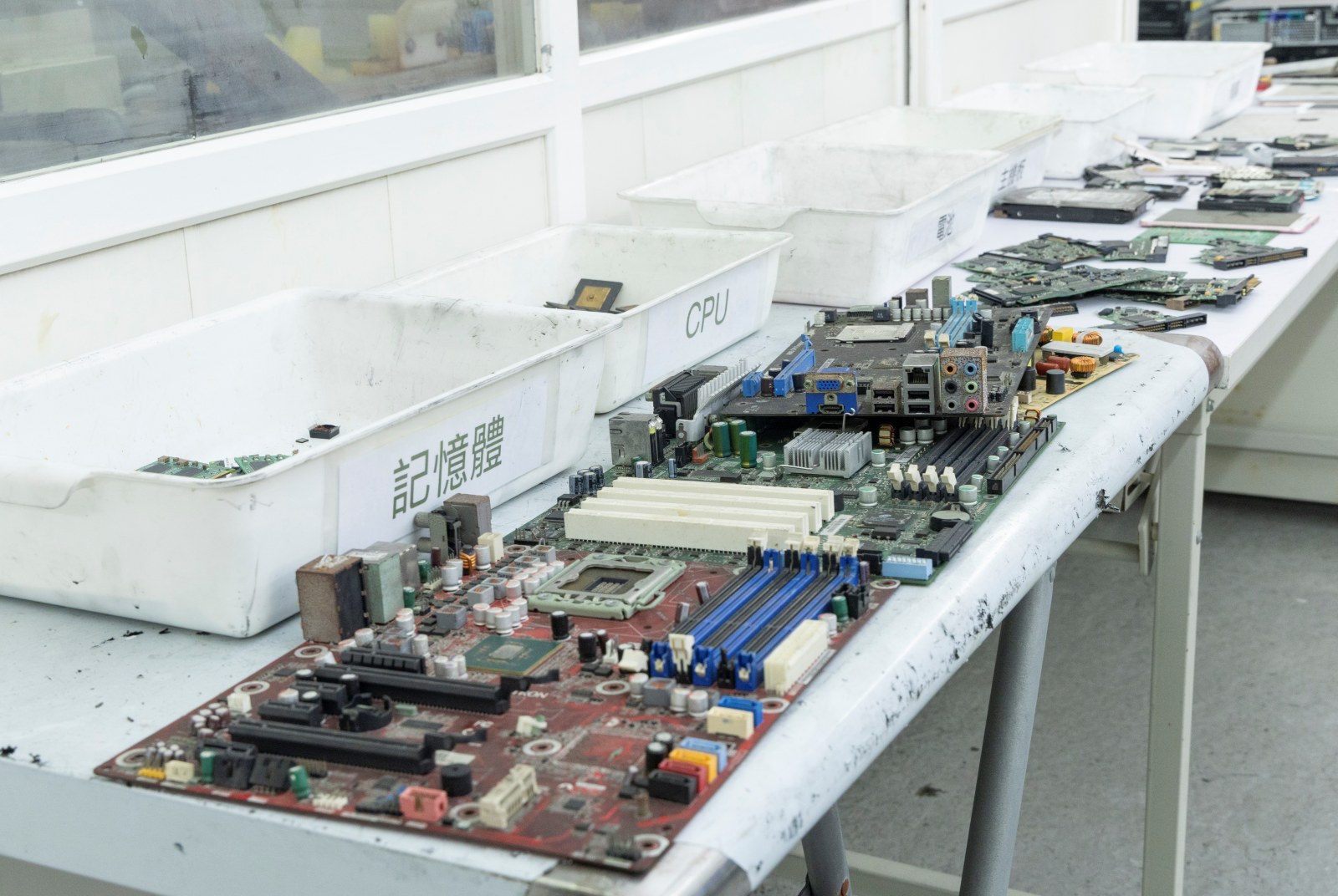 Electronic waste such as laptops, smartphones, and lithium batteries contains gold used for conductivity, which can be recovered through careful disassembly.
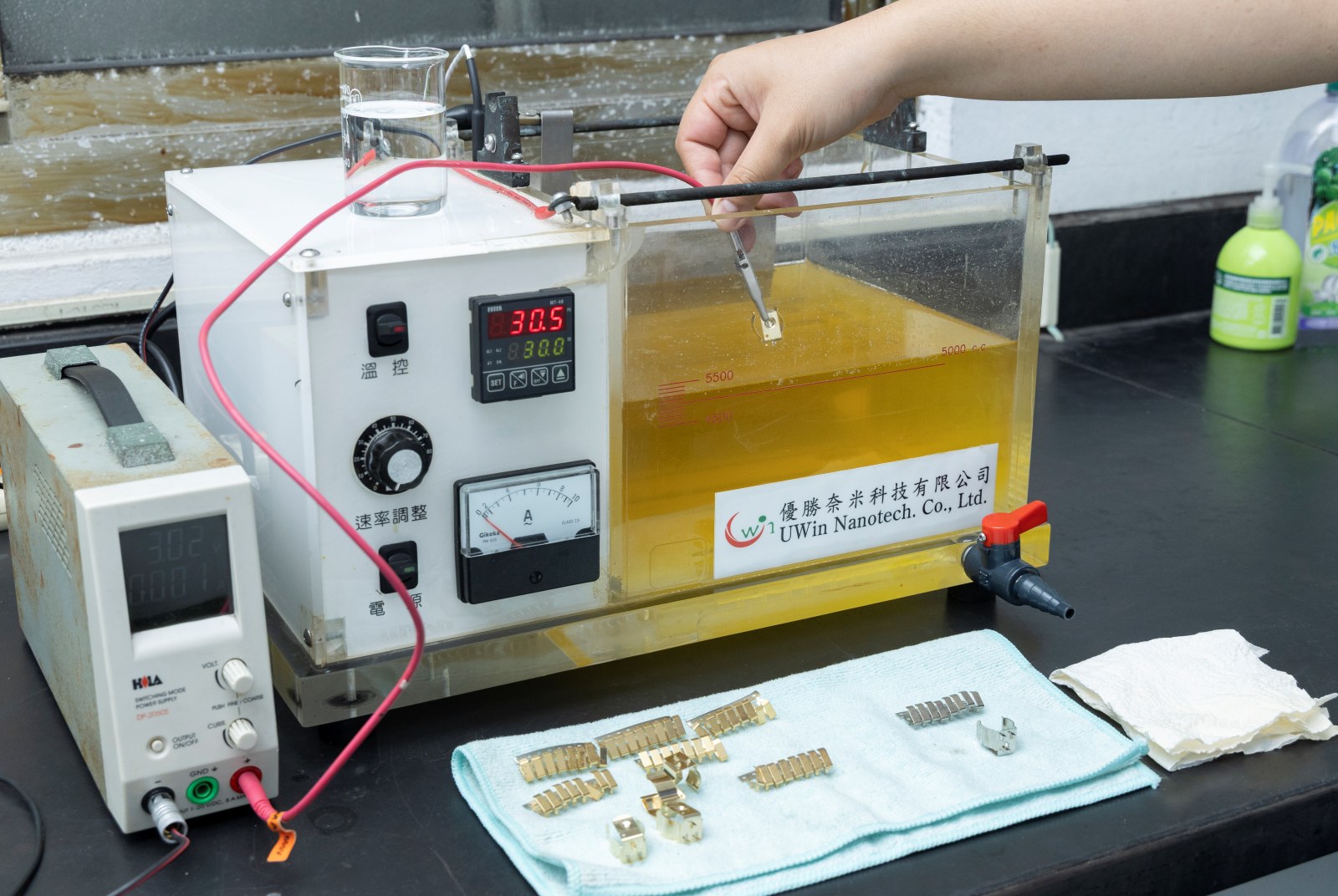 The battery connector is submerged in a cyanide-free gold stripping solution to separate the gold plating.
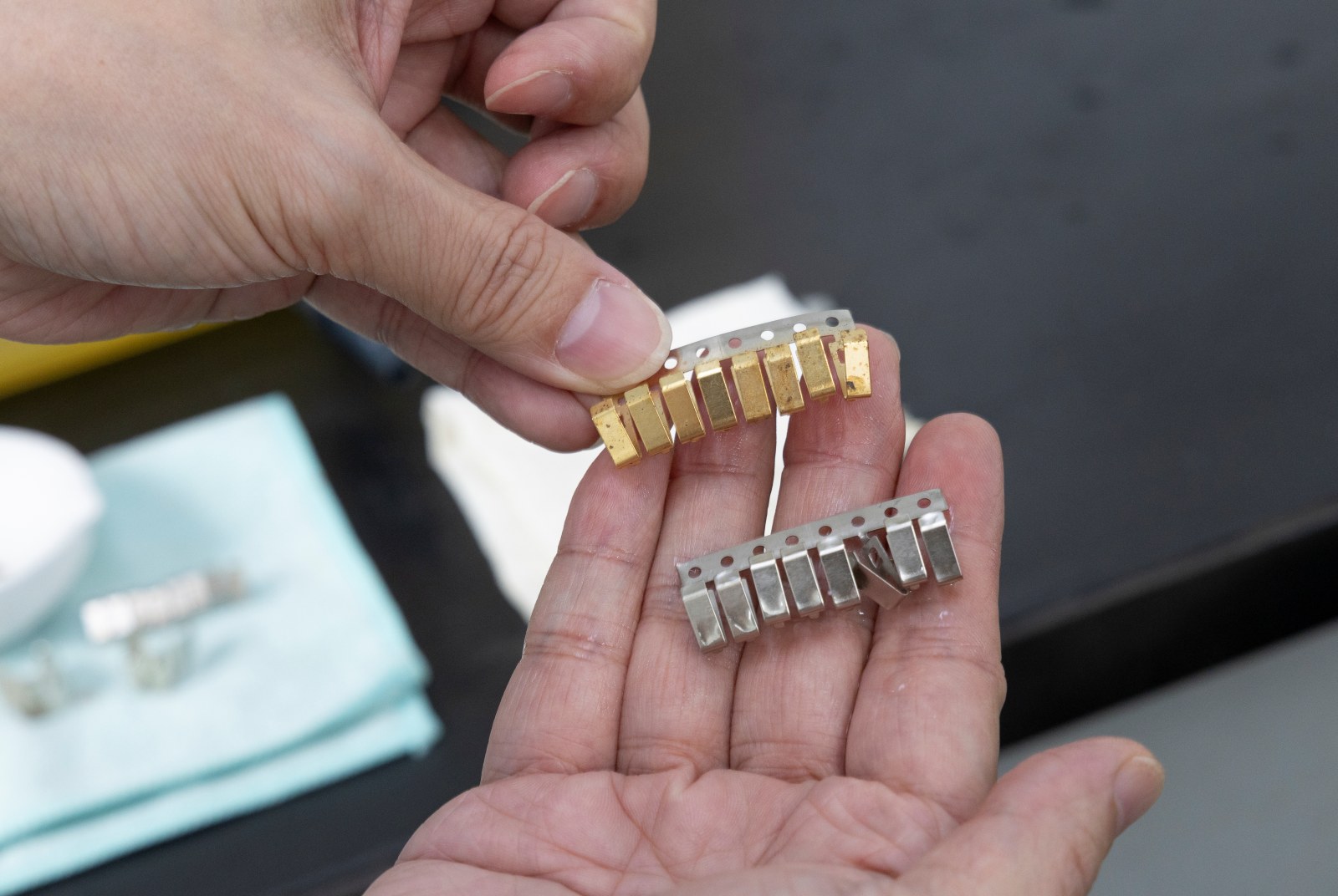 After stripping, the connector shows no discoloration or corrosion.
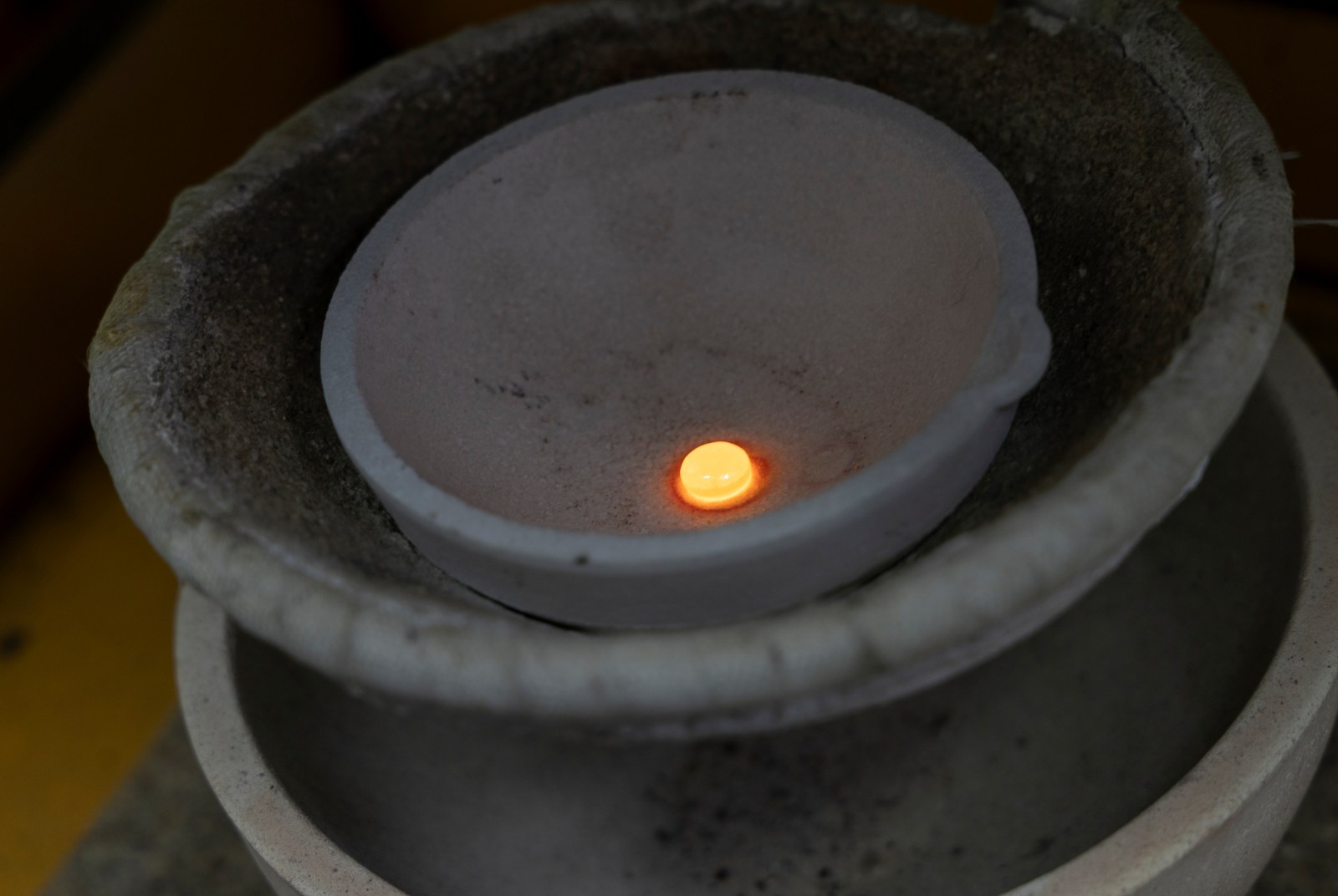 At temperatures of over a thousand degrees, the stripped gold powder melts into liquid before solidifying.
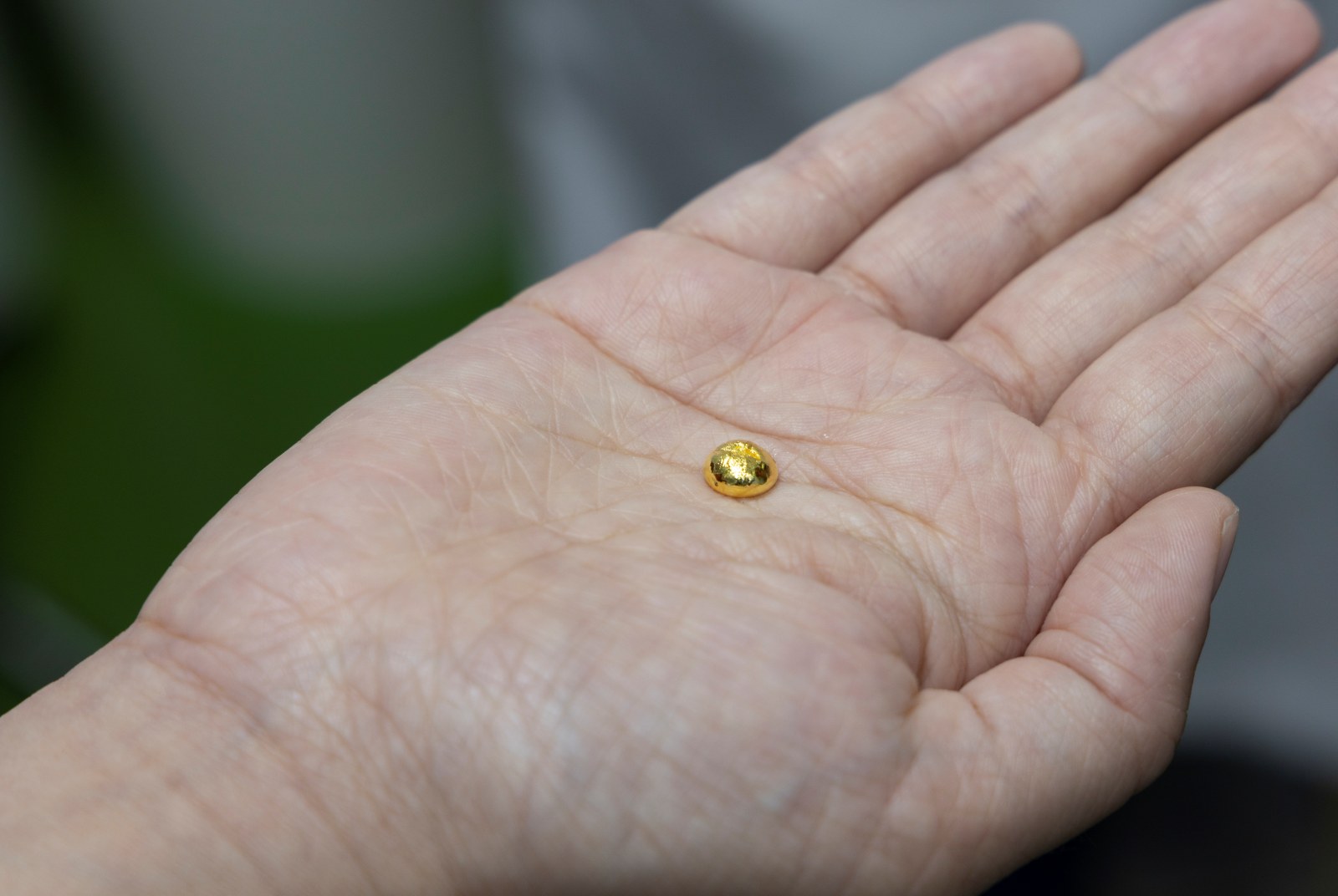 Once cooled in water, it becomes a nugget of pure gold.
Gold, an excellent conductor of electricity, is usually separated from ore using aqua regia (nitro-hydrochloric acid) or cyanide, but UWin has carved out a niche with a technology that strips precious metals without the need for cyanide or other toxins.
Yet, despite possessing unique patents, UWin has struggled to scale up its technology in practice, for two main reasons.
One is that Taiwanese companies widely use cyanide processes that are legally licensed. Switching to UWin's cyanide-free technology would require them to change their processes and undergo new reviews by local environmental agencies, and there is currently little incentive for them to do that.
UWin is also limited by the lack of availability of waste materials. The company needs electronic products to be carefully broken down and sorted for its technology to be effective, but existing recycling methods favor crushing and mixing electronic waste without much sorting, leaving UWin little to work with.
International geopolitical conditions in recent years, however, have given the company new life.
Since the trade war between the United States and China was unleashed, Beijing has imposed export restrictions on rare earths and critical minerals (most recently in January and February 2026), prompting the world to seek alternative supply chains that bypass China — so-called "non-red" supply chains.
Customers from Greece, Canada, India and other countries have sought out UWin for help, including Canadian clean technology company Litus Inc., which sought to collaborate on recycling technology for lithium batteries.
"As long as a few countries want to cooperate with me, that's a commercial opportunity," Hsu said.
Lianyou Metals: Securing a Key Role
The same wave of opportunity has reached Lianyou Metals Co., Ltd., the only company in Taiwan that recycles tungsten, a metal of strategic importance for both defense and industrial uses.
China has more than 50 percent of the world's tungsten reserves, and since Beijing tightened its export controls early in 2026, global tungsten prices have surged nearly five-fold, prompting customers from Japan, South Korea and elsewhere to contact Lianyou Metals.
Formerly a metals trading company, Lianyou had to reinvent itself in 2018 when China imposed a "waste ban," leaving the company no choice but to build a plant the following year to smelt its own metals.
Lianyou initially faced several challenges, including getting its hands on scrap tungsten material. There is little of it in Taiwan to begin with, and because of the cumbersome domestic reporting requirements, much of it flows into illegal markets. As a result, Lianyou obtains only about 5 percent of the tungsten scrap that exists locally.
Looking overseas has also been a problem, as Taiwan bans the import of scrap metal. To overcome that barrier, Lianyou had to ask American and Japanese waste suppliers to raise the tungsten content in their waste to more than 40 percent, so it could be legally imported as "general industrial waste" rather than the prohibited "scrap metal."
Under this model, Lianyou processed waste tungsten into sodium tungstate, which was then exported to China for purification and re-export to global markets. After Beijing tightened its controls on materials early this year, however, the purified tungsten could no longer leave China.
In response, Lianyou is planning to invest over NT$1 billion this year to expand its factory, extending its processes downstream to refine tungsten carbide. That will appeal to more downstream clients, such as manufacturers of hardened alloys, machine tools and cutting tools, and could eventually earn the company a critical role in the "non-red" supply chain.
Australia Looking to Learn from Taiwan
Largely ignored in the past, "urban mining" is being reappraised due to supply chain security concerns — including by mining powerhouse Australia.
Though it excels in primary smelting, Australia lacks experience in recycling electronic waste, a gap Lisa McLean, CEO of the nonprofit Circular Australia, hoped to fill during a June visit to Taiwan.
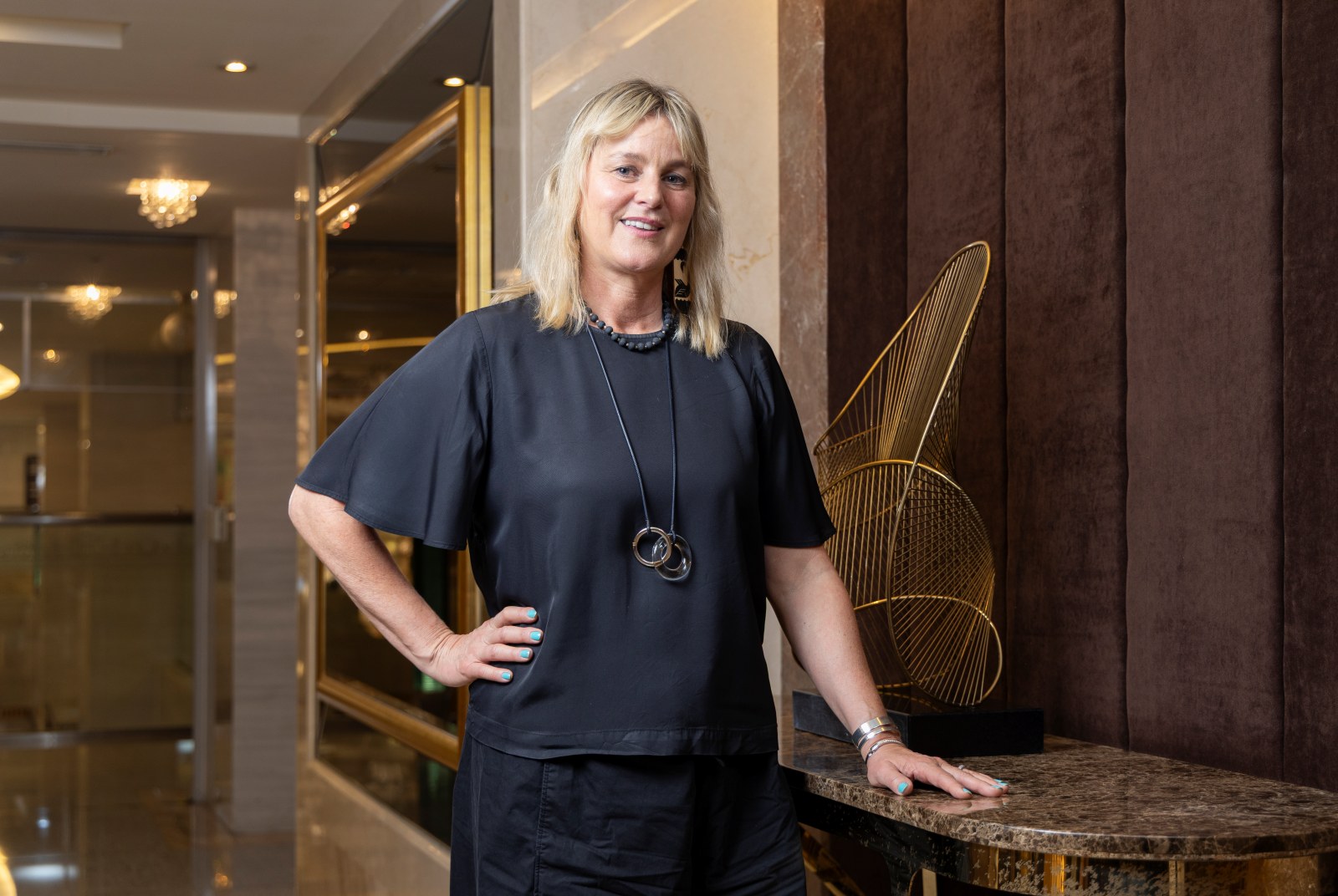 Lisa McLean, CEO of the nonprofit Circular Australia.
Given the recent surge in solar panels and batteries reaching end-of-life, McLean said Taiwan's expertise in extraction, refining and commercialization models was exactly what Australia needed at this moment.
Taiwan's urban mining capabilities could lend resilience to international supply chains. When Apple was pushing its circular economy project, it sent products to UWin for testing, but nothing came of it because of Taiwan's import restrictions.
That could change, however.
At the beginning of June, Taiwan's Legislature overhauled the Resource Recycling Act, including renaming it the Resource Circulation Promotion Act. Lianyou Metals General Manager Wu Yung-chung (吳永中) believes the new law will break down previous restrictions on waste classification and the movement of materials between plants, allowing metal materials to be redesignated as industrial raw materials.
Yet, even with an improved domestic legal environment, Taiwan will still need to overcome bottlenecks in sourcing materials from overseas if it truly hopes to be a key player in supply chains that bypass China.
Have you read?
- How Taiwan’s ‘Vegetable Silicon Valley’ Is Feeding the World
- Taiwan’s Growing Climate Voice at Brazil’s COP30
- As China Dominates COP30, Taiwan Faces a New Climate Reality
Translated by Luke Sabatier
Uploaded by Ian Huang
Views

Subscribe to CWE Newsletter (every Thursday)
Stay abreast of what's happening in Taiwan with our weekly digest.
Keywords: