In Taiwan's Two-Speed Economy, Waiting Is the Riskiest Move
Source:Richard deVries
Taiwan’s grew more than 8 percent in 2025, but the boom belonged almost entirely to semiconductors. For everyone else, the companies that came through it strongest were the ones that did the hard work before the market forced them to.
Views
In Taiwan's Two-Speed Economy, Waiting Is the Riskiest Move
By Richard deVriesweb only
Taiwan's economy grew more than 8 percent in 2025, its fastest expansion in fifteen years. On paper, it was a triumph. In the industrial boardrooms of Taichung, Changhua and Kaohsiung, it sounded like a joke.
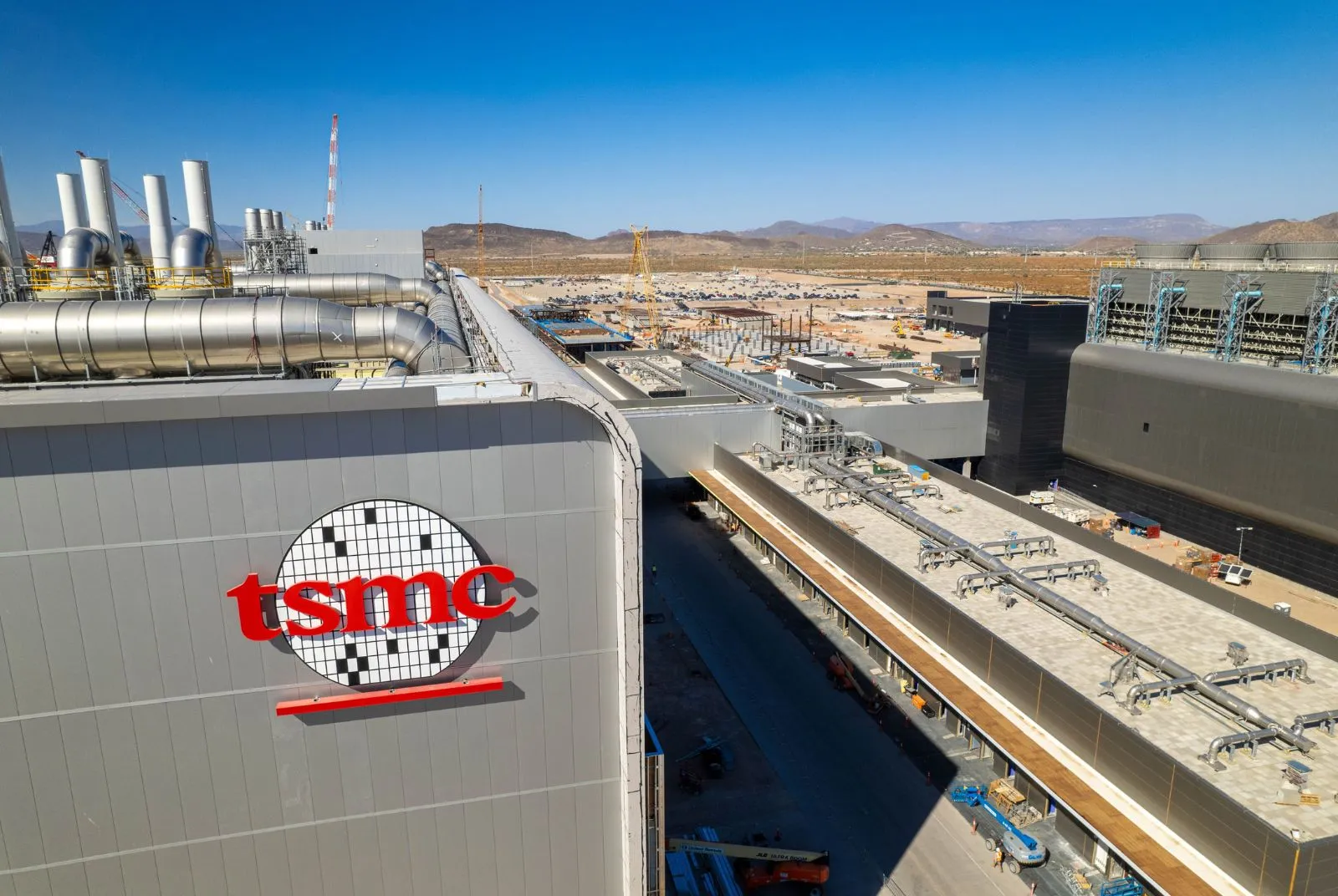
The growth was real, but it belonged almost entirely to one sector. Semiconductors and AI hardware drove an export surge so steep that chips and electronics now account for nearly three-quarters of Taiwan's total exports, up from roughly half just five years ago. TSMC alone is estimated to have contributed about four percentage points of GDP growth. The AI boom did not lift all boats. It strapped a rocket to one of them and left the rest trying not to sink.
For the machinery makers, metal processors, chemical producers and plastics exporters that have long formed the backbone of Taiwanese industry, 2025 told a different story. The Taiwan Institute of Economic Research had its electronics indicator flashing the colors of a boom while metals and chemicals signaled contraction.
Read more: Taiwan’s Machine Tool Makers Struggle to Survive
Strip out AI-related products, and traditional industrial exports were negative for the year. One machine-tool maker in Taichung reported exports down 30 percent. The head of the city's importers and exporters' chamber summed up the year in two words: "very miserable."
This is Taiwan's two-speed economy, and everyone outside the semiconductor lane can feel it. But the most useful question is not why chips are booming, since that story has been told many times over. It is this: what separated the companies that entered this downturn fighting to survive from the ones that entered it from a position of strength?
First, What Branding Can't Fix
Let me be honest about the limits of my own field first. The primary drivers of this divergence are structural. The United States imposed tariffs of around 20 percent on traditional manufactured goods while largely exempting semiconductors. Chinese manufacturers, armed with overcapacity and aggressive pricing, flooded the same export markets Taiwanese firms depend on. Currency swings added more pressure. No brand strategy on earth would have shielded a machine-tool company from those forces, and anyone who claims otherwise is selling something.
But after years of working with B2B manufacturers across Taiwan, I have watched the same pattern repeat. Some companies met this downturn with clarity; others scrambled. The difference was rarely just sector or luck. It was whether they had done the harder work of understanding their own value before the market forced the question.
The Assumption That's Holding Companies Back
There is a belief embedded deep in Taiwan's manufacturing culture: if the engineering is good enough, the market will find us. I understand where it comes from. Taiwan built a miracle on exactly that premise. For decades, when competition was regional and relationships were forged over years of factory visits, it was true. A good product, delivered reliably at a fair price, was the brand, even if no one called it that.
That world is gone. A procurement manager at a European carmaker or a North American industrial firm now weighs suppliers in Taiwan, China, South Korea, India and Vietnam at the same time, and decides faster, with more options, than ever before. They will not spend months discovering your engineering depth through a slow-building relationship. They need to grasp why you are different from a website, a deck, or a single meeting. In that setting, the company that can state clearly why it matters does not merely win on perception. It lowers the buyer's sense of risk. In B2B, reducing perceived risk is the most powerful advantage there is. It is why a buyer pays a little more for the Taiwanese supplier over the cheaper Chinese one: not because of the spec sheet, but because of the trust the brand carries. Good engineering is the price of entry now. It is no longer the thing that sets you apart.
Where the Real Value Was Hiding
Two companies I've worked with show what closing that gap looks like.
The first was a Taiwanese instrumentation company that had spent years as a distributor for major international equipment brands: competent, well-connected, and seen by the market as a channel that resold other people's hardware. That perception capped its pricing and made it replaceable.
Listening closely to its own engineers and customers surfaced something the company had never articulated: that it understood the application environments, the conditions, risks and regulatory demands of each installation, better than the original manufacturers did.
That expertise was the real product. It had simply never been named. Today the firm is building its own brand and its own products, and the market is starting to treat it as an authority rather than a middleman.
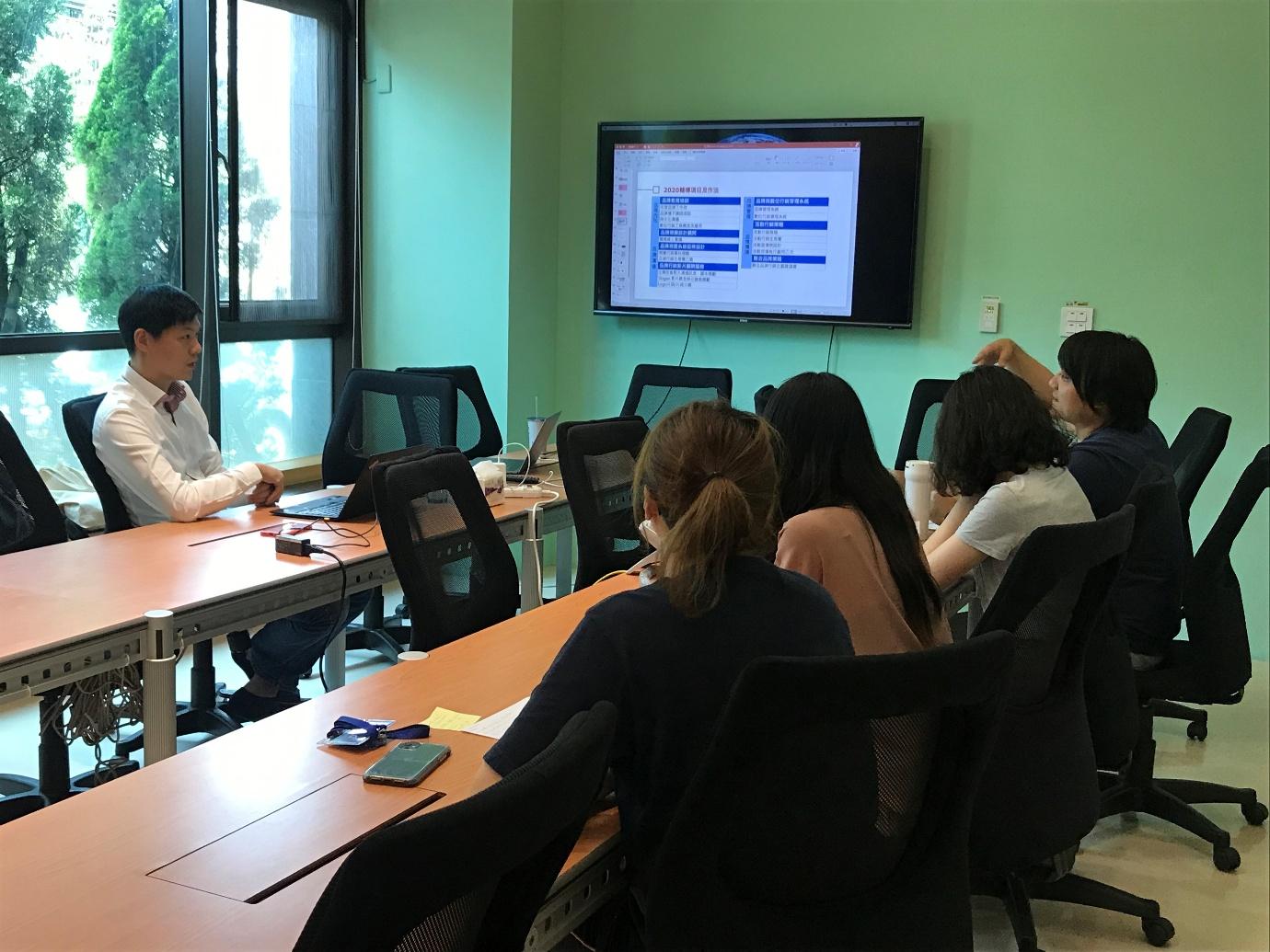
The second was a thermal-management company in northern Taiwan whose entire pitch lived on a spec sheet: conductivity ratings, material properties, certifications. That is the standard playbook in its field, and it is a trap, because a value proposition built on specifications invites comparison on price alone, a race Chinese competitors are increasingly built to win. Its customers, when asked, valued something else entirely: the speed and skill with which the company's people diagnosed thermal problems and engineered solutions larger rivals would not bother with.
Repositioned around that consultative capability, the products became tools inside a problem-solving relationship rather than commodities on a list. Switching costs rose, not through contracts but through trust, the one advantage a tariff cannot erode and a spec sheet cannot copy.
Neither shift came from a new logo. Yes, new logos and CIS were part of the plans. However, the biggest improvements came from them looking honestly at what made it valuable, often finding the answer where it least expected to, and building around that truth.
Why Waiting Is the Real Risk
The macro forces bearing down on Taiwan's traditional manufacturers are not going away. Tariff regimes will shift and demand cycles will turn, but Chinese competition will only sharpen, and the global procurement environment will only grow faster and less forgiving of firms that cannot explain themselves.
The companies that emerge from the next cycle stronger will not be the ones waiting for conditions to improve. They will be the ones using this moment, while the pressure is on, to understand what their customers actually value, to define what makes them genuinely hard to replace, and to communicate it at every point of contact.
That work runs deeper than design, deeper than a website or a corporate video. It takes honest conversations with your own people and your own customers, and the willingness to hear things that puncture your assumptions about your own company.
Some of what is happening in Taiwan's economy right now is simply good fortune: the right capabilities meeting the right moment. But readiness is not luck. Readiness is a decision, and it is one every manufacturer in Taiwan can still make. The best time to build a brand was before the downturn. The second best time is now, while your competitors are still waiting for the cycle to turn.
(This piece reflects the author's opinion, and does not represent the opinion of CommonWealth Magazine.)
CommonWealth Magazine welcomes op-ed submissions. Please send your article proposals to [email protected]
About the author:

Richard deVries is the founder and CEO of Geber, a brand strategy and marketing consultancy with offices in Taipei, Tampa and Toronto. For more than 25 years, he has helped B2B companies, many of them Taiwanese manufacturers, clarify what makes them valuable and turn it into brands that compete internationally. Geber's work has been recognized with a Red Dot Award in 2025 and an iF Design Award in 2026.
Contact: [email protected] , or connect on LinkedIn
Have you read?
- Taiwan Builds World-Class Products. It Forgets to Tell Anyone
- How Taiwan Can Build Global Brands Without Losing Itself
- Line Logic: Why Trust in Taiwan is Earned Not Announced
Uploaded by Ian Huang
Views

Subscribe to CWE Newsletter (every Thursday)
Stay abreast of what's happening in Taiwan with our weekly digest.
Keywords: