Why the Most Important Meeting Wasn’t the Meeting
Source:Joshua Roberts
In Taiwan's business culture, formal processes like proposals, contracts, and procurement channels rarely tell the whole story of how deals actually get made. The relationships built between meetings often carry more weight than anything presented at the table. So when the most important rules of engagement are unwritten, what does it really take to earn the trust that makes business move?
Views
Why the Most Important Meeting Wasn’t the Meeting
By Joshua Robertsweb only
For almost a year, we had been trying to convince a client to move away from project-by-project work and into a monthly retainer. From our perspective, it made a lot of sense. We could dedicate resources to their team, reduce a lot of unnecessary admin, and support their long-term marketing goals in a more meaningful way. Every conversation ended in roughly the same place. They simply didn’t work that way, and although nobody rejected the idea outright, it never seemed to move any further.
Then we had dinner with the CEO.
The project itself had already finished, and by all accounts it had been successful. Most of the evening had nothing to do with business. We talked about food, travel, hobbies, and whatever happened to come up. It wasn’t until near the end of the meal that the CEO mentioned how pleased he was with the results of the project, and their expressed interest in continuing with additional support. I took the opportunity to raise the retainer idea one more time.
He approved it almost immediately.
The only remaining discussion was deciding what level of support made sense and agreeing on the fee. After spending nearly a year trying to move that conversation through the usual channels, the decision itself took only a few minutes.
 Trust is sometimes built in an office, but more often, it’s built between meetings. (Photo: Miguel Rivera/Pexels)
It would be easy to conclude that the dinner closed the deal, but I don’t think that’s what actually happened. The trust had been building throughout the project. The dinner simply created the space for people to stop talking as client and vendor and start talking as partners.
It was one of the moments that helped me better understand how business often works in Taiwan.
Trust Travels Faster Than Paperwork
Not every client we’ve worked with came through a personal introduction, but the ones that did almost always followed a different path.
Anyone who has worked with larger organizations knows how much has to happen before real work even begins. There are vendor registrations, procurement processes, legal reviews, compliance checks, and multiple rounds of approvals. None of those steps disappear simply because someone makes an introduction, but they often become noticeably easier once a respected person inside the organization has already vouched for you.
The recommendation doesn’t win you the project. It earns you something that is much harder to achieve through a proposal alone, which is the benefit of the doubt.
As a small agency, there are limits to what we can communicate through a presentation, no matter how carefully we prepare it. A recommendation from someone the client already trusts carries a kind of credibility that no portfolio can fully replace. We still have to deliver excellent work, but we no longer have to prove from scratch that we deserve to be sitting at the table.
Looking back, I realize the introduction was doing some of the work that we simply couldn’t do ourselves.
The Part That Took Me Time to Understand
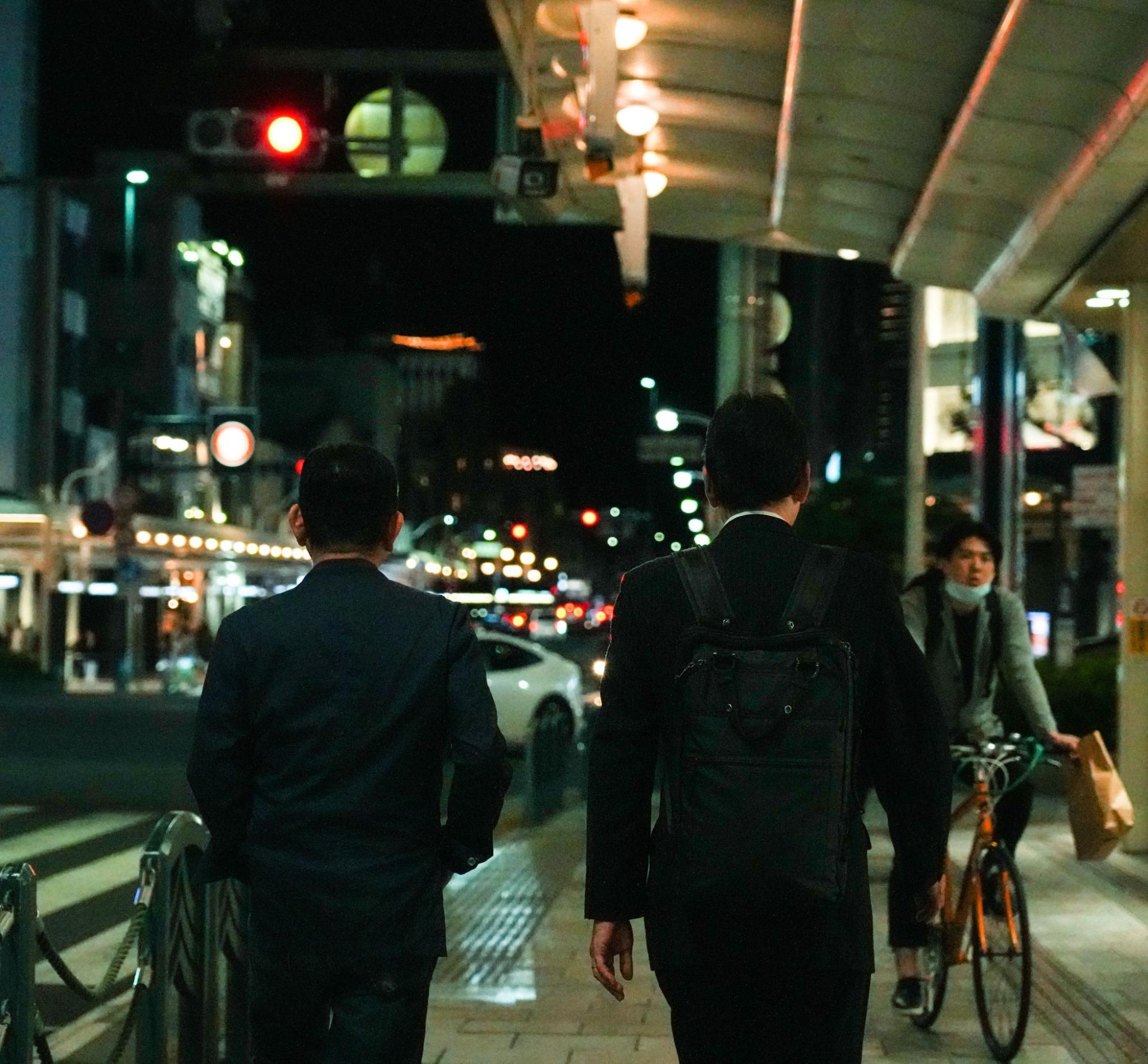 The walk back from dinner can be just as important as the meeting that came before it. (Photo: Sab Wang/Pexels)
When I first started working in Taiwan, this was one of the hardest things for me to understand.
We would spend days developing thoughtful proposals, answering every question, creating detailed plans, and presenting what we genuinely believed was the strongest solution. Then the conversation would simply stop. No feedback. No decision. Sometimes no reply at all.
At first, my reaction was usually frustration, we put effort into the work (usually unpaid), and then the conversation would just go quiet.
Over time, I realized that not every proposal begins on equal footing. Sometimes another relationship has already been built long before the first proposal is submitted. Sometimes procurement requires multiple vendors to participate in a process even when there is already a preferred direction. From the outside, those situations all feel identical, and unless you’re on the inside, it’s almost impossible to know the difference.
I remember one proposal that took our team nearly a week to prepare. We developed a thoughtful strategy, created working mockups, asked countless questions, and genuinely believed we were helping solve a difficult problem. The client thanked us for the work, and then we heard nothing. Months later, I learned that the project had never actually moved forward. Management had simply wanted to gather ideas from several vendors before deciding what to do.
I asked what happened because we deserved an answer, even if it was simply, “No, thanks.”
Experiences like that taught me something important. Relationships don’t always outweigh capability, but they often determine who gets the opportunity to demonstrate that capability in the first place.
I saw the opposite happen as well. We had pitched for a major branding project that stalled for over a year. Then someone I’d worked with previously joined the company, saw our proposal, and reached out to ask what had happened. Within a few weeks, we were back in the conversation and eventually won the work. The proposal hadn’t changed. The relationship had.
What Contracts Can’t Solve
Every complex project eventually reaches a point where the contract stops being useful.
Requirements evolve, assumptions prove to be incomplete, and something that looked straightforward during planning becomes much larger once the work begins. We experienced exactly that during one website project, where what had originally been described as a simple external link gradually evolved into building an entirely new shareholder section within the website itself. By the time everyone fully understood the scope, it had become a significant piece of additional work.
We could have pointed to the contract and insisted that it was outside the agreed scope. Technically, we would have been right. Instead, we chose to build what the client actually needed because protecting a relationship that had taken time to establish seemed far more valuable than protecting one line item in a proposal.
That decision wasn’t made out of generosity. It was made because long-term partnerships require both sides to occasionally solve problems that the paperwork never anticipated.
Once the client’s own team realized how much additional work had emerged, they offered to compensate us. None of that was written into the contract. It happened because the relationship was strong enough to absorb an unexpected problem without turning it into a disagreement.
When There Is No Dinner
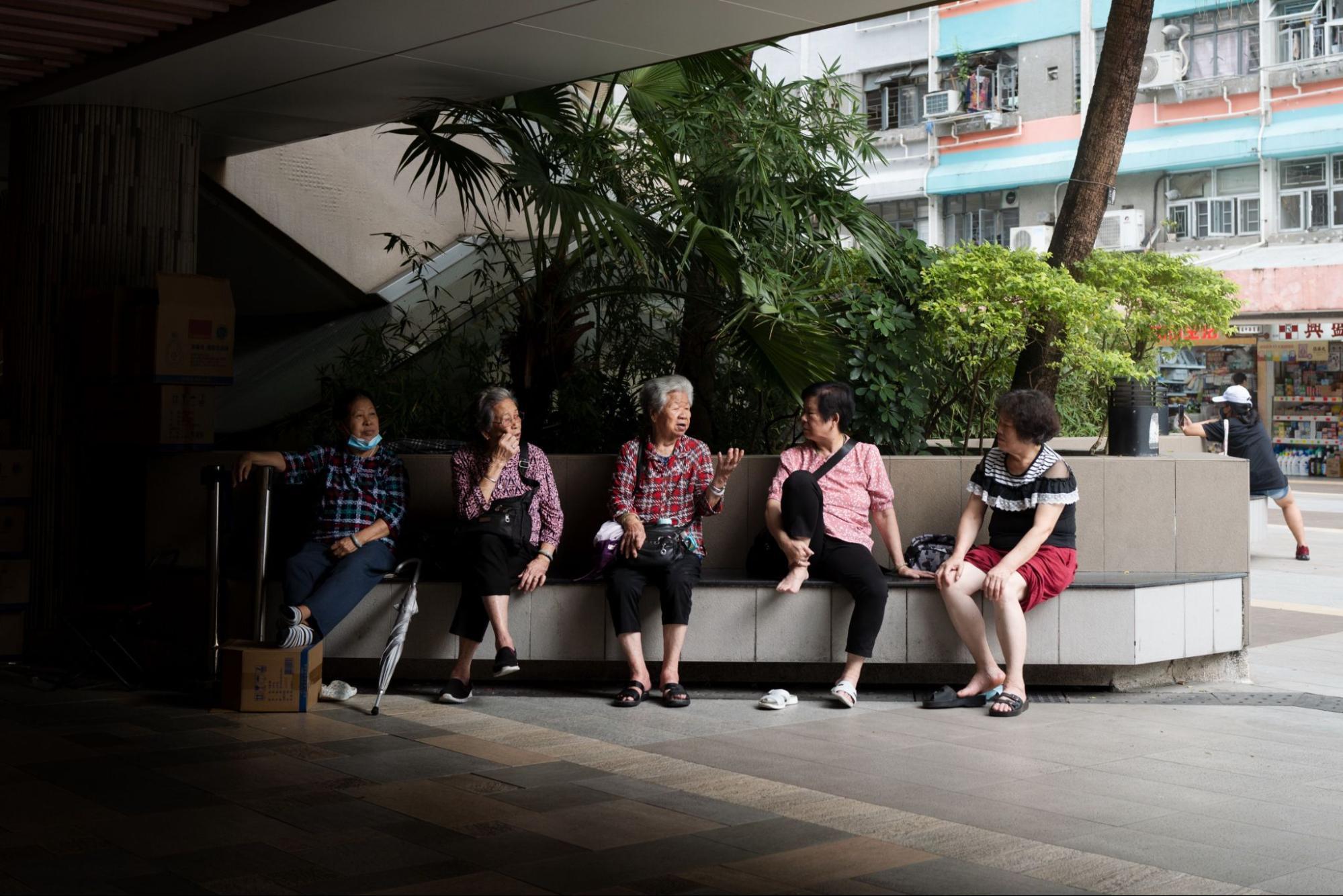 A trusted introduction doesn’t guarantee the opportunity, but it often earns you the chance to be heard. (Photo: Blair Sugarman/Pexels)
That way of building trust works remarkably well when everyone is in the same city. It becomes much harder when your next customer is sitting on the other side of the world.
Taiwanese companies shouldn’t lose this instinct for building relationships as they expand internationally. They simply can’t rely on it in the same way. Overseas buyers may never visit the factory, meet the founder, or share a meal before making a decision, so companies need other ways to communicate the same confidence and credibility.
An international buyer isn’t going to join you for dinner before deciding whether to work with your company. Instead, they’ll experience your website, your messaging, your case studies, and every interaction that follows. Those touchpoints become the introduction that a personal relationship would have provided in Taiwan.
Those things now have to do much of the work that relationships naturally do in Taiwan and in other markets.
Video calls help, although I’ve noticed something interesting over the years. Many people in Taiwan still prefer to keep their cameras turned off. Whether it’s modesty, habit, or simply not wanting the attention, I honestly don’t know. We keep ours on anyway, even when we’re the only faces visible on the screen.
The first meeting always feels slightly awkward. By the third or fourth meeting, though, something usually changes. More cameras begin turning on, conversations become more relaxed, and people start reacting to one another instead of speaking to a collection of black rectangles with names underneath them. It isn’t the same as sharing a meal, but it reminds me that trust almost always begins the moment people stop interacting with companies and start interacting with other human beings.
The First Introduction
One of the things I’ve come to appreciate most about Taiwanese business culture is that trust is rarely treated as a shortcut. It is something people invest in over time, and once it has been earned, it often makes everything else move more smoothly.
That instinct shouldn’t disappear as Taiwanese companies expand internationally. If anything, it becomes even more important. The difference is that overseas buyers may never have the opportunity to build that trust over dinner, which means companies have to find other ways to make a strong first impression. Clear messaging, thoughtful communication, and a website that reflects the quality of the business all become part of the introduction that a distant customer will never receive in person. The relationship still comes first.
(This piece reflects the author's opinion, and does not represent the opinion of CommonWealth Magazine.)
CommonWealth Magazine welcomes op-ed submissions. Please send your article proposals to [email protected]
About the author:

Joshua Roberts is the Founder of Level Interactive™, a Taipei-based brand strategy and design consultancy. A former global creative director at Acer, he has lived in Taiwan for over 20 years, helping local enterprises bridge the gap between engineering excellence and global brand equity. Contact: [email protected] or connect on LinkedIn.
Have you read?
- How Taiwan Can Build Global Brands Without Losing Itself
- Line Logic: Why Trust in Taiwan is Earned Not Announced
- What Hiring Reveals About a Company’s Brand
Uploaded by Ian Huang
Views

Subscribe to CWE Newsletter (every Thursday)
Stay abreast of what's happening in Taiwan with our weekly digest.
Keywords: