TSMC Pledges US$1.6 Million for Kumamoto Disaster Relief as Region Battles Post-Quake Recovery
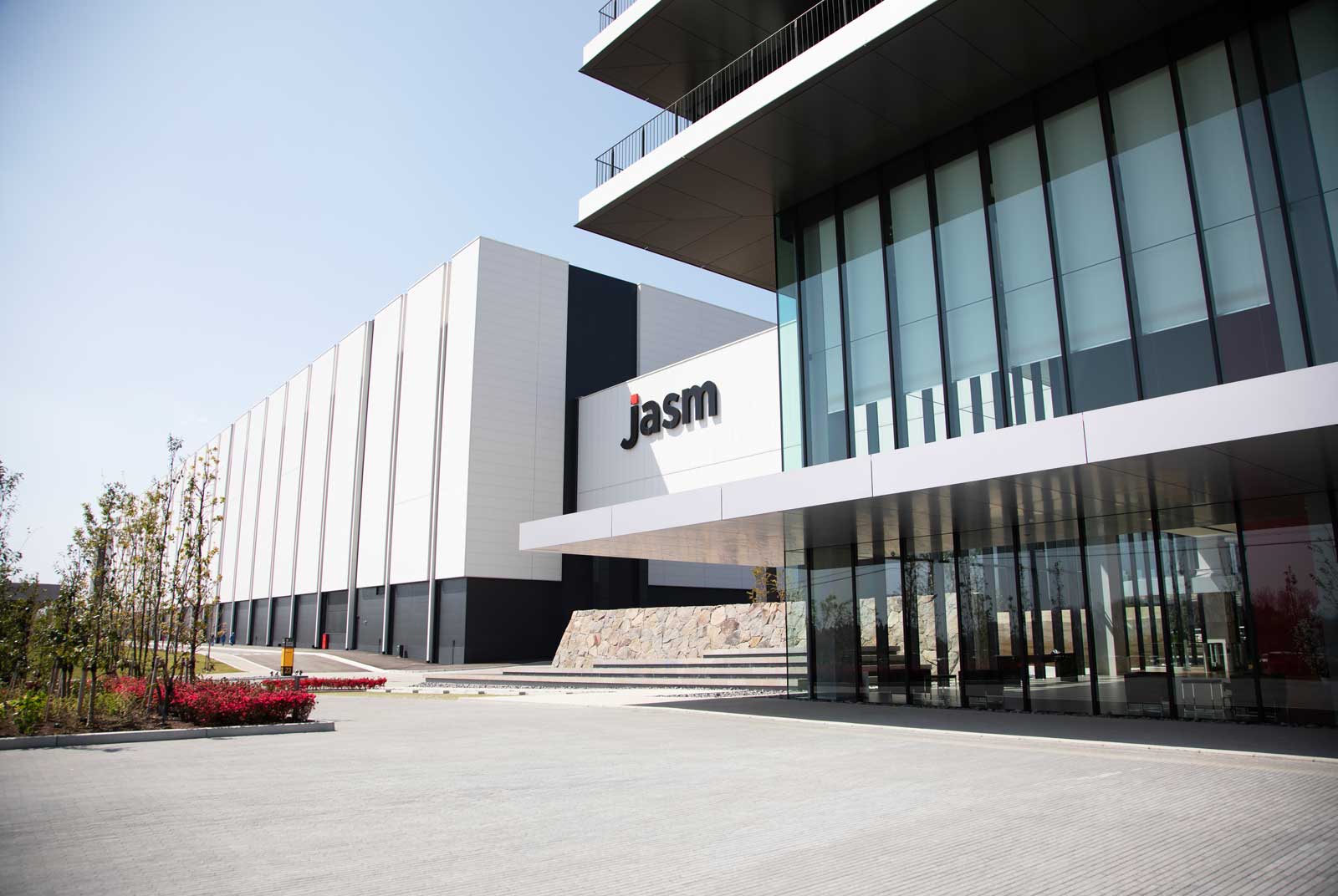
Source:TSMC
TSMC has pledged JPY250 million (US$1.6 million) to support earthquake relief in Japan’s Kumamoto Prefecture, where its chip plant has already resumed full operations while surrounding communities continue to face severe infrastructure challenges. As the company deepens its investment in Japan, what role should global tech giants play in helping the communities that host them?
Views
TSMC Pledges US$1.6 Million for Kumamoto Disaster Relief as Region Battles Post-Quake Recovery
By Judy Linweb only
Taiwan Semiconductor Manufacturing Co. (TSMC) has pledged JPY250 million (approx. US$1.6 million or NT$50 million) to aid disaster relief and reconstruction efforts in Kumamoto Prefecture following a magnitude 7.1 earthquake that struck the region on July 28. In tandem with the corporate pledge, the TSMC Charity Foundation has launched an internal fundraising drive for company employees worldwide.
The announcement comes as TSMC confirmed in an email answering CommonWealth English’s inquiry that its flagship Japanese facility—operated by joint venture Japan Advanced Semiconductor Manufacturing (JASM)—has fully recovered from the tremor and resumed normal production. However, the swift operational recovery inside the high-tech cleanrooms stands in stark contrast to the severe civil infrastructure crisis still unfolding across surrounding communities a week after the disaster.
High-Tech Resilience Meets Civil Infrastructure Hardship
The earthquake, which registered up to maximum seismic intensity 7.1 in parts of central Kumamoto, forced immediate automated shutdowns and precautionary employee evacuations at the JASM site in Kikuyo. Thanks to advanced seismic isolation technologies and coordinated recalibration with equipment suppliers, JASM restored full operations within days. TSMC also confirmed that construction on its second Kumamoto fab suffered no structural setbacks and has resumed as scheduled.
Outside the semiconductor park, however, recovery across central and southern Kumamoto remains severely bogged down:
- Widespread Water Outages: Damaged underground water mains have left roughly 37,600 households across four municipalities—including Yatsushiro, Hikawa, and Uki—without running water for over a week.
- Compound Heatwave Strain: Temperatures in central Kumamoto have soared near 40°C (104°F), creating hazardous conditions for the 6,900 evacuees residing in 130 temporary shelters, many of which initially lacked power or air conditioning.
- Fuel & Supply Shortages: Long queues continue to form at local petrol stations, with residents sleeping in personal vehicles to access air conditioning during nighttime hours.
Deepening Local Roots and Ecosystem Care
In a disclosure provided to CWEnglish, TSMC emphasized its nearly 30-year operational history in Japan and expressed gratitude to the Japanese central government, Kumamoto Prefectural authorities, and local supply chain partners for enabling JASM's swift recovery.
"Kumamoto is one of TSMC’s key global manufacturing sites, and the company is deeply grateful for the continuous support from the Japan central government, Kumamoto Prefecture, and local supply chain partners," TSMC stated. "In addition to providing immediate support to affected employees, TSMC hopes to deliver our care through practical actions at a time when the local community needs it most."
In a press conference, Taiwan’s Minister of Foreign Affairs Lin Chia-lung disclosed that Taiwanese citizens have contributed NT$200 million, not including corporate donations such as those from TSMC and China Airlines, an expression of deep friendship of Taiwan to Japan.
At a press conference, Taiwan’s Minister of Foreign Affairs Lin Chia-lung disclosed that Taiwanese citizens have donated NT$200 million to Japan, excluding corporate contributions from companies such as TSMC and China Airlines. He described the outpouring of support as a testament to the deep friendship between Taiwan and Japan.
TSMC’s prompt financial pledge and philanthropic push reinforce its long-term commitment to Kumamoto as a critical node in the global semiconductor supply chain. As Japan ramps up public-private investment in advanced chipmaking infrastructure, local community goodwill and civil infrastructure resilience remain crucial prerequisites for ongoing expansion.
Have you read?
- TSMC Project to Test Tech Co-existence with Endangered Owls
- The Japan-Taiwan semiconductor island chain
- Why is Japan's chip czar welcoming TSMC with open arms?
Uploaded by Ian Huang
Views

Subscribe to CWE Newsletter (every Thursday)
Stay abreast of what's happening in Taiwan with our weekly digest.
Keywords: