TSMC Project to Test Tech Co-existence with Endangered Owls
Source:Chien-Tong Wang
TSMC’s biggest development project could threaten an endangered owl species. The government, industry, and conservationists have set up a coordination platform ahead of the project’s environmental impact assessment, but will it resolve the potential conflict?
Views
TSMC Project to Test Tech Co-existence with Endangered Owls
By Jenna Yuanweb only
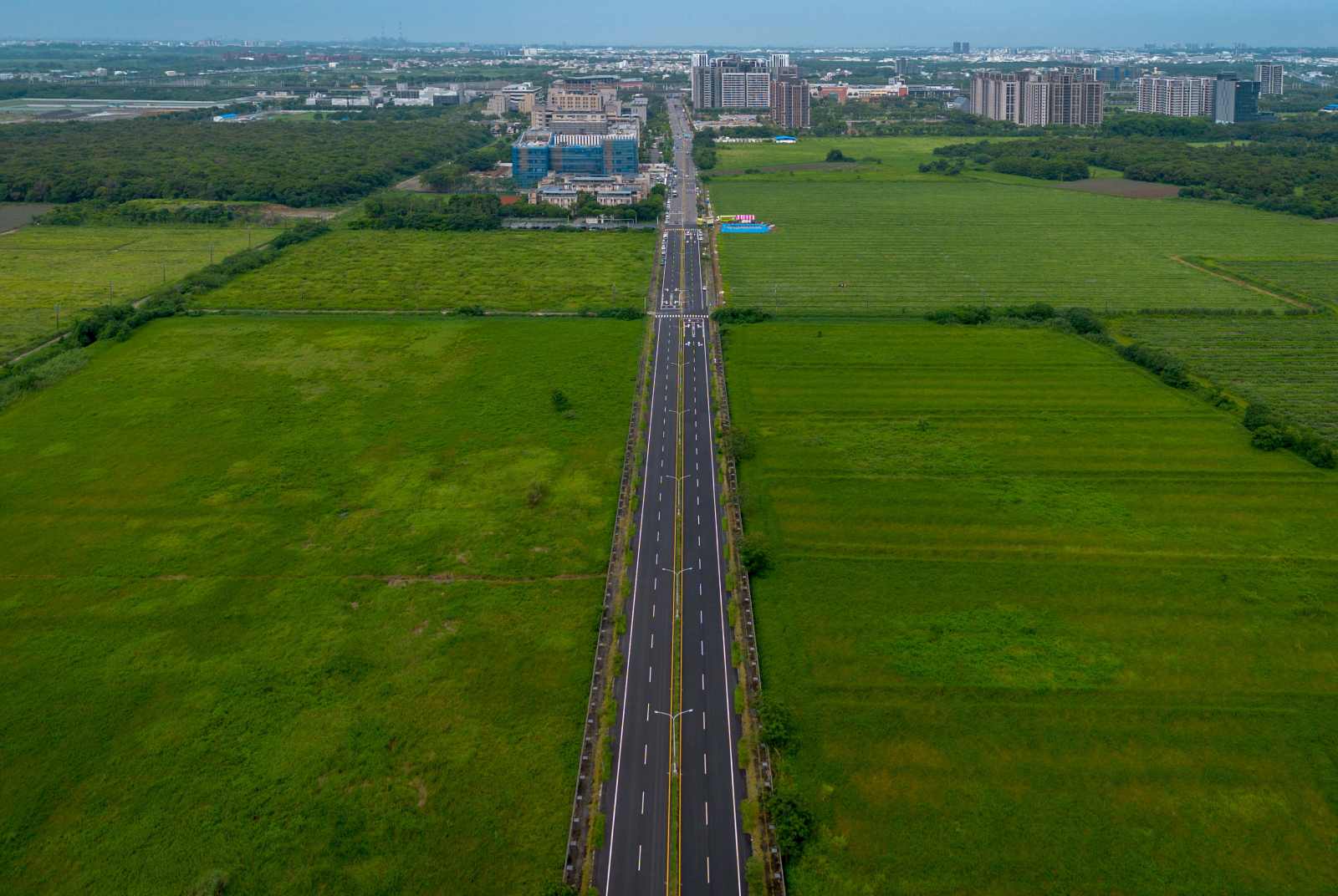
When Tainan Mayor Huang Wei-che (黃偉哲) announced in September 2025 that the country’s National Development Council had approved the Shalun Ecological Science Park, the news was met with public fury over its implications for the habitat of the eastern grass owl (scientific name: Tyto longimembris).
The choice of the site made sense. The National Science and Technology Council's Southern Taiwan Science Park (STSP) Bureau screened more than 50 potential locations before settling on Taiwan Sugar Corporation's Shalun farm because it met several key conditions: it would not use private land, it was not located on the coast, and it was not vulnerable to land subsidence, while also being near to existing research institutions.
Cheng Hsiu-jung (鄭秀絨), the bureau’s director-general, said it was also consistent with the division of labor taking shape.
“Chiayi handles advanced packaging, Tainan and Nanzih handle advanced processes, and Shalun is the most critical core of the Southern Taiwan Silicon Valley," Cheng said.
But when the STSP released its site plan, conservationists were alarmed.
“The layout is about the same as that of a conventional industrial zone, with marginal land at the park's edges designated as green space. Everyone's immediate reaction was that this was unacceptable," said Pan Chih-yuan (潘致遠), chairperson of the Wild Bird Society of Tainan.
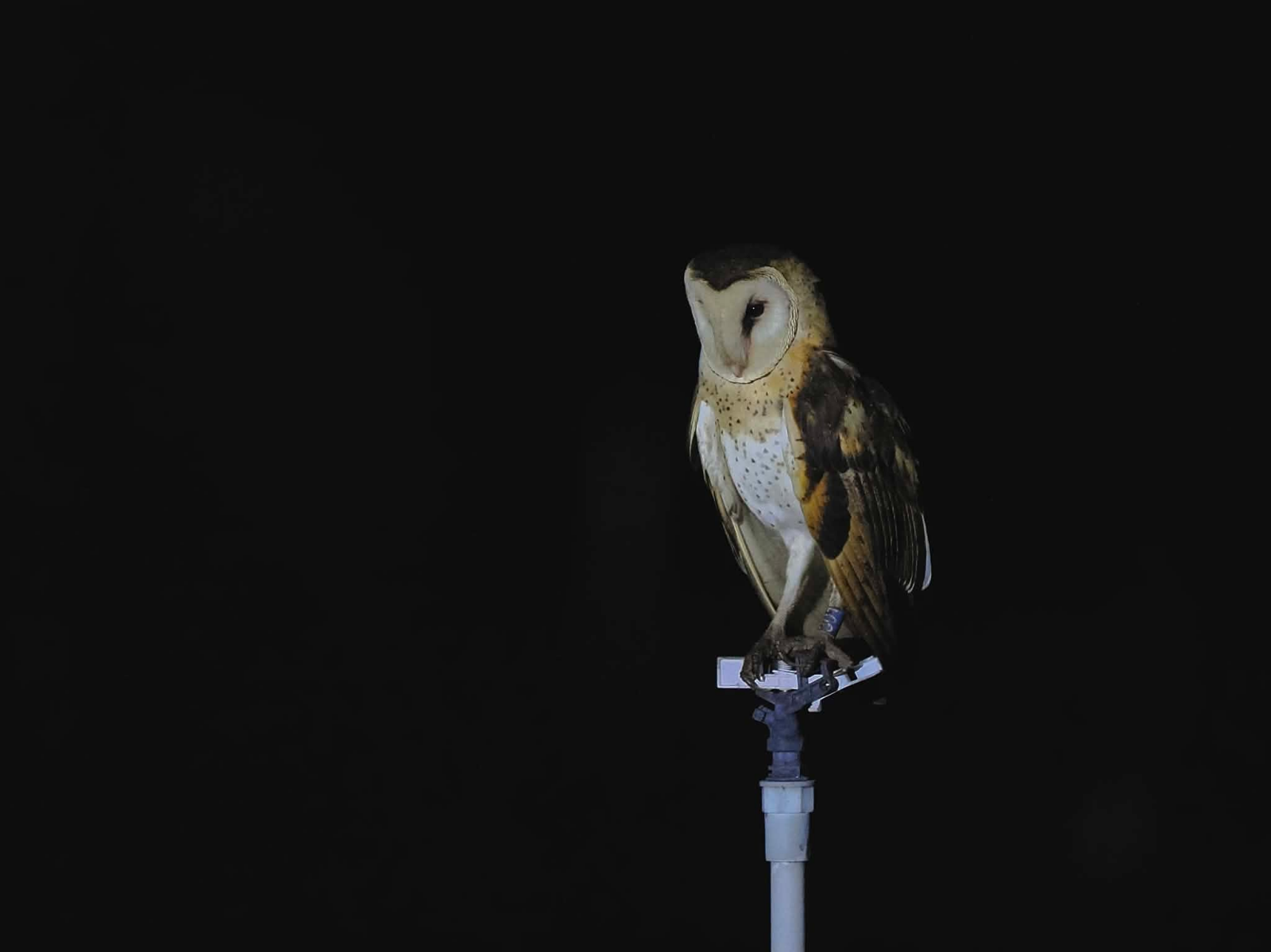 Endangered bird species, including the eastern grass owl and ring-necked pheasant, can be found in southern Shalun thanks to its vast, continuous grassland habitat. (Photo: Wild Bird Society of Tainan)
New Mechanism Needed
Major infrastructure projects in Taiwan have historically followed a familiar pattern: minimal communication in the early stages of the project followed by pitched battles during the formal environmental impact assessment (EIA) process. Drawing on the United Kingdom's planning experience, Environment Minister Peng Chi-ming (彭啓明) requested those involved in the project’s development to engage stakeholders before plans were finalized.
The result was an "ecological coordination platform" established in late 2025. TSMC — the world's leading contract chipmaker and the planned park’s anchor tenant — was instrumental in bringing the platform to life.
Process That Nearly Collapsed
The platform's early months were turbulent. The STSP Bureau declined to participate initially and only joined after being pressured by TSMC.
Allen Lyu (呂翊維), secretary-general of the Wild Bird Society of the Republic of China (中華民國野鳥學會), acknowledged that even getting on the same page on basic issues, such as adopting ecological net-zero loss principles and establishing baseline data, required constant wrangling among the parties before progress was made.
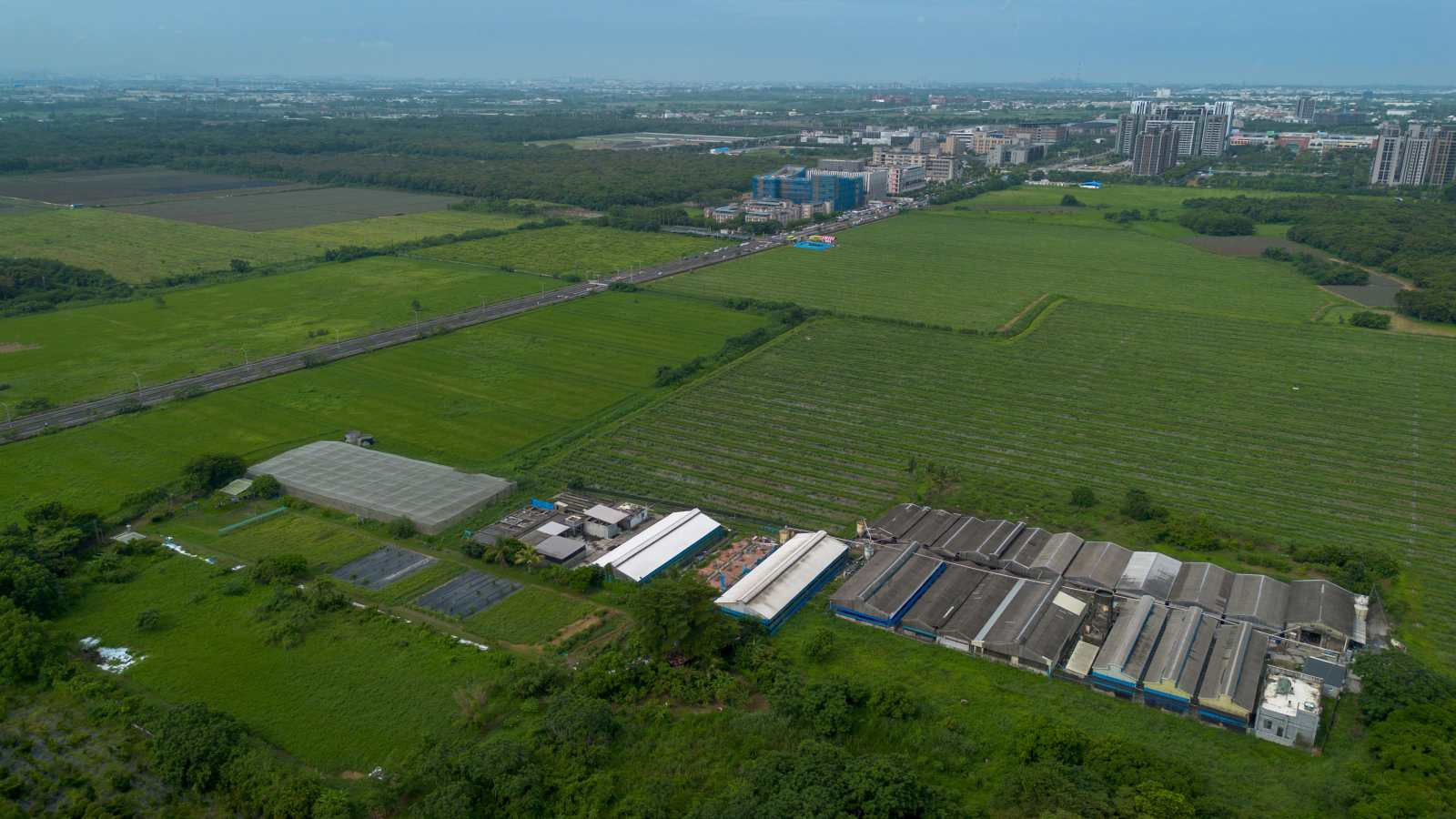 The eastern grass owl does not require an isolated protected area. Instead, it depends on moderate human disturbance—such as farmers cultivating forage grass—to maintain the low-lying grassland habitat it relies on for survival. (Photo: Chien-Tong Wang)
The platform came close to breaking down on multiple occasions. In one incident, a contractor hired by Taisugar damaged a bird habitat during thinning operations. In another, Taiwan's National Land Management Agency (國土署) launched a land-use reclassification review without coordinating with the platform's participants. At that point, the Executive Yuan dispatched adviser Li Meng-yen (李孟諺) to co-chair the platform.
Li's interventions proved decisive. When the contractor began felling trees, he ordered Taisugar to halt work immediately. When the National Land Management Agency proceeded with its review unilaterally, he called the Tainan government directly and demanded that the application be withdrawn — preserving what remained of the mutual trust within the platform.
Habitat Biology Creates Room for Compromise
The platform's viability rests, in part, on the special characteristics of the the eastern grass owl itself. Huang Yu-po (黃于玻), chair of the Taiwan Eco Tech Association (中華民國生態專業技術服務商業同業公會), explained that the eastern grass owl depends heavily on low-lying grassland rather than forest cover. That dependency means the species does not require the entire site to remain undisturbed.
"Having enterprises invest directly in conservation — that is the solution," Huang said.
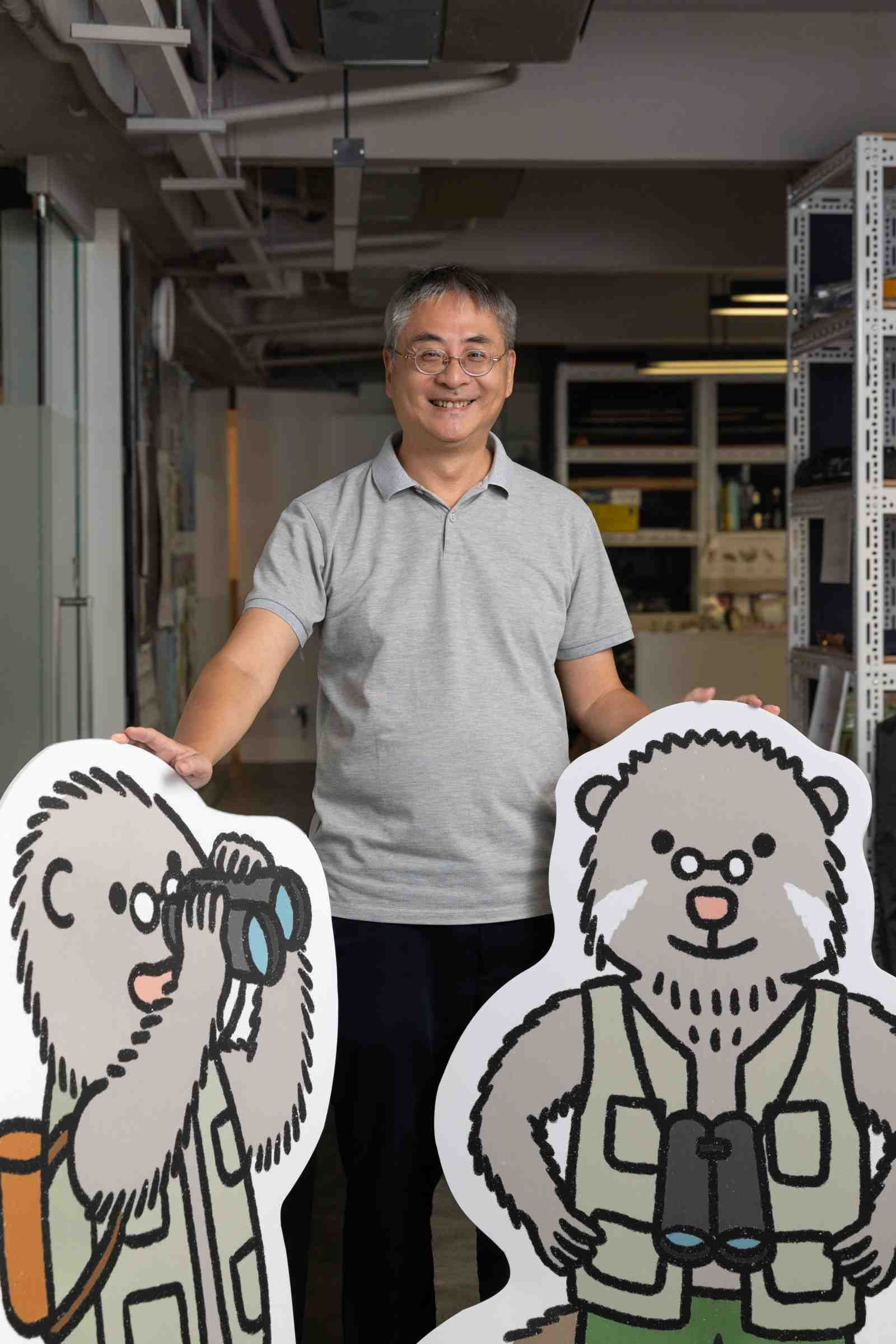 Huang Yu-po has led ecological conservation planning for multiple TSMC facilities. When he took on the highly contentious Shalun project, his reasoning was simple: “The one who tied the knot should be the one to untie it.” (Photo: Chien-Tong Wang)
What Has Been Agreed
After months of negotiation, the platform has reached a basic consensus: facilities within the park will be consolidated toward the northern portion of the site, freeing up a continuous green corridor, and detention ponds will be redesigned to support grassland functions rather than conventional landscaping.
For core habitat areas, the platform has identified more than 170 hectares of land outside the development zone, consisting of three parcels of Taisugar farmland and public land along the Erren River (二仁溪), as an alternative habitat. Developers are required to commit funding and monitoring mechanisms to the alternate site, with annual performance reviews.
STSP bureau director-general Cheng praised the process and its results to date.
"Everyone sat down and communicated rationally and scientifically, and that led us to revise our plans. I sincerely feel that the planning became better because of the collaboration platform — but it was also twice as hard,” Cheng said.
The Ministry of Environment has indicated that if the platform operates smoothly and demonstrably improves the efficiency of the formal EIA process, it may codify the early-consultation mechanism into law.
Shalun is only the first node in the Southern Taiwan Silicon Valley buildout. How its eastern grass owl negotiations conclude may determine whether Taiwan has found a replicable model — or merely a one-time accommodation — for resolving the friction between development and conservation.
Have you read?
- Taiwan Unearths New Precious Metals Opportunity: ‘Urban Mining’
- How Taiwan’s ‘Vegetable Silicon Valley’ Is Feeding the World
- Taiwan’s Growing Climate Voice at Brazil’s COP30
Edited by Luke Sabatier
Uploaded by Ian Huang
Views

Subscribe to CWE Newsletter (every Thursday)
Stay abreast of what's happening in Taiwan with our weekly digest.
Keywords: