The Drivers, the Impact, and the Longevity of the AI Supercycle
Taiwan’s GDP Per Capita Forecast to Overtake Japan and South Korea
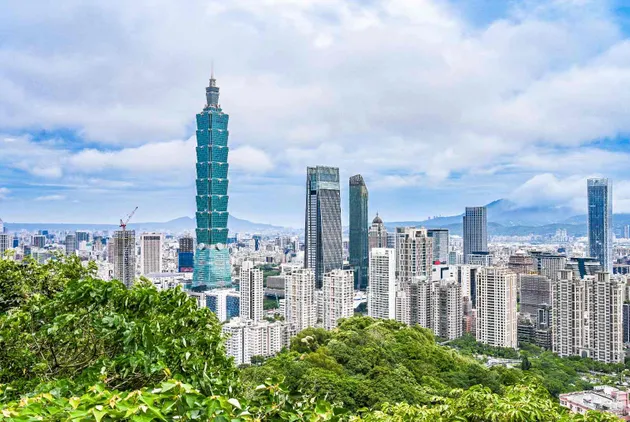
Source:Shutterstock
Taiwan's GDP per capita is set to surpass both Japan and South Korea in 2026, propelled by the island's indispensable role in the global AI hardware supply chain. But as industry leaders warn against resting on its manufacturing laurels, the real question is whether Taiwan can parlay its hardware dominance into a durable AI ecosystem before the window closes.
Views
Taiwan’s GDP Per Capita Forecast to Overtake Japan and South Korea
By Judy Linweb only
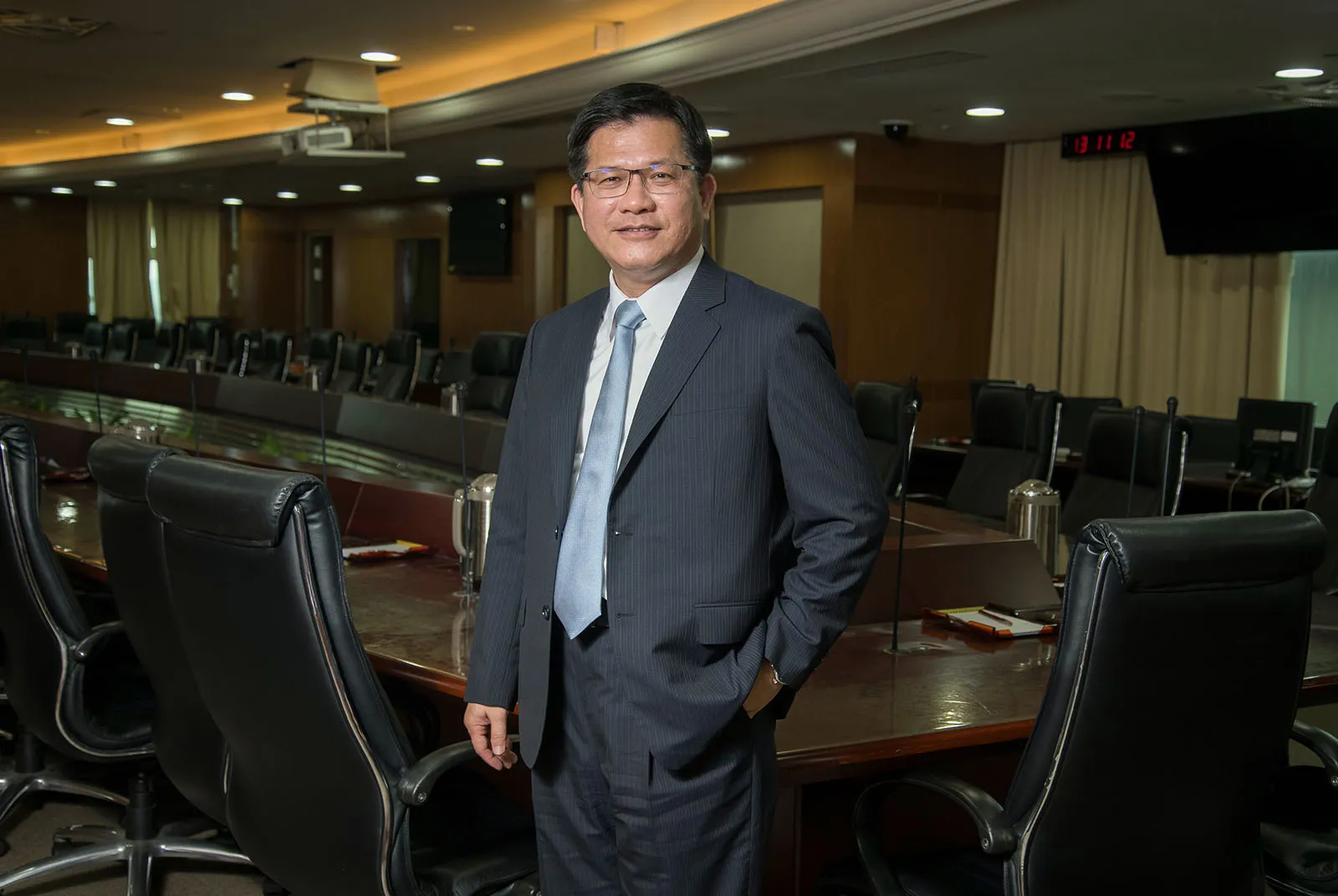
At the 2026 Venture Capital and Private Equity Summit, a stunning economic forecast took center stage. Kung Ming-hsin, Minister of Economic Affairs, announced that Taiwan’s GDP per capita this year is projected to surpass US$45,000 this year, further widening its economic lead over regional heavyweights Japan and South Korea.
Driven by a second consecutive year of double-digit export growth, Taiwan is experiencing an exceptional economic boom. "The last time Taiwan recorded GDP growth of more than 5% in two consecutive years was in 1986 and 1987," Kung noted, underscoring the historic nature of this moment.
What is driving this monumental shift? What are the broader implications for Taiwan's industrial landscape? And most importantly, how long can this momentum last?
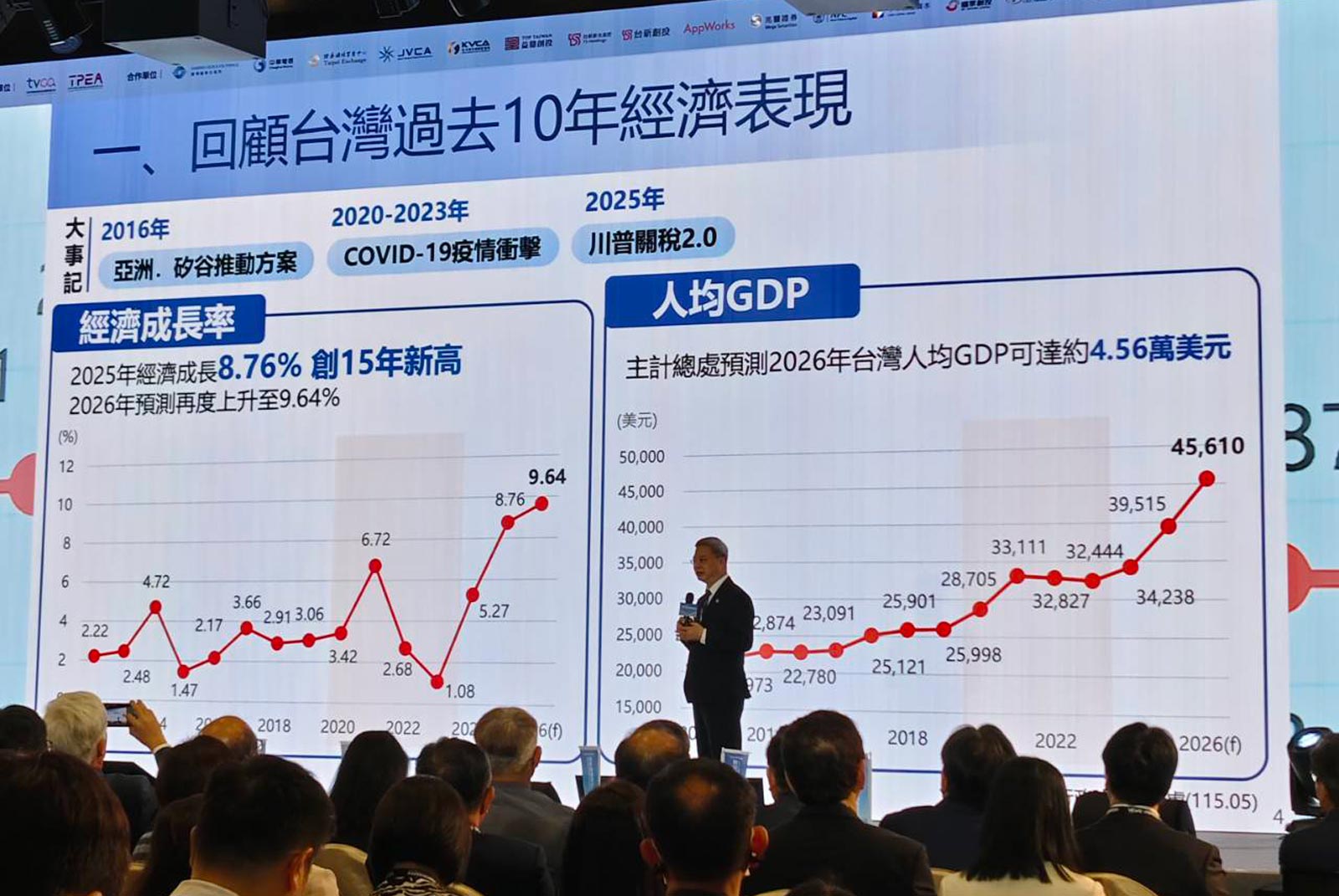 Kung Ming-hsin, Minister of Economic Affairs, announced that Taiwan’s GDP per capita this year is projected to surpass US$45,000 this year. (Photo: Judy Lin)
The "Why": Securing the Epicenter of the AI Hardware Supply Chain
Taiwan’s economic leap over Japan and South Korea is rooted in its absolute indispensability to global artificial intelligence infrastructure.
- From Assembly Lines to Nvidia’s Inner Circle: The trajectory of Wistron Group, led by this year’s Lifetime Achievement Award winner at Taiwan Venture Capital and Private Equity Summit Simon Lin, exemplifies this shift. Wistron successfully pivoted from a low-margin electronics manufacturing service provider assembling smartphones and PCs into a premier AI server supply chain partner for Nvidia. This strategic redirection propelled Wistron’s 2025 revenue up by 108% year-over-year to exceed NT$2 trillion (US$62.2 billion), while its subsidiary Wiwynn topped NT$1 trillion.
- Market-Validated Value: Addressing skepticism over whether the AI boom is temporary, Simon Lin pointed out that users are actively paying for AI computing power on a token-based model. This tangible commercial demand validates AI's real economic value and alleviates concerns of a market bubble, signaling a fundamentally sound trajectory for the industry.
The Impact: A Wake-Up Call Against Hardware Complacency
While overtaking its neighbors is a major milestone, the boom brings critical structural challenges and a warning against complacency.
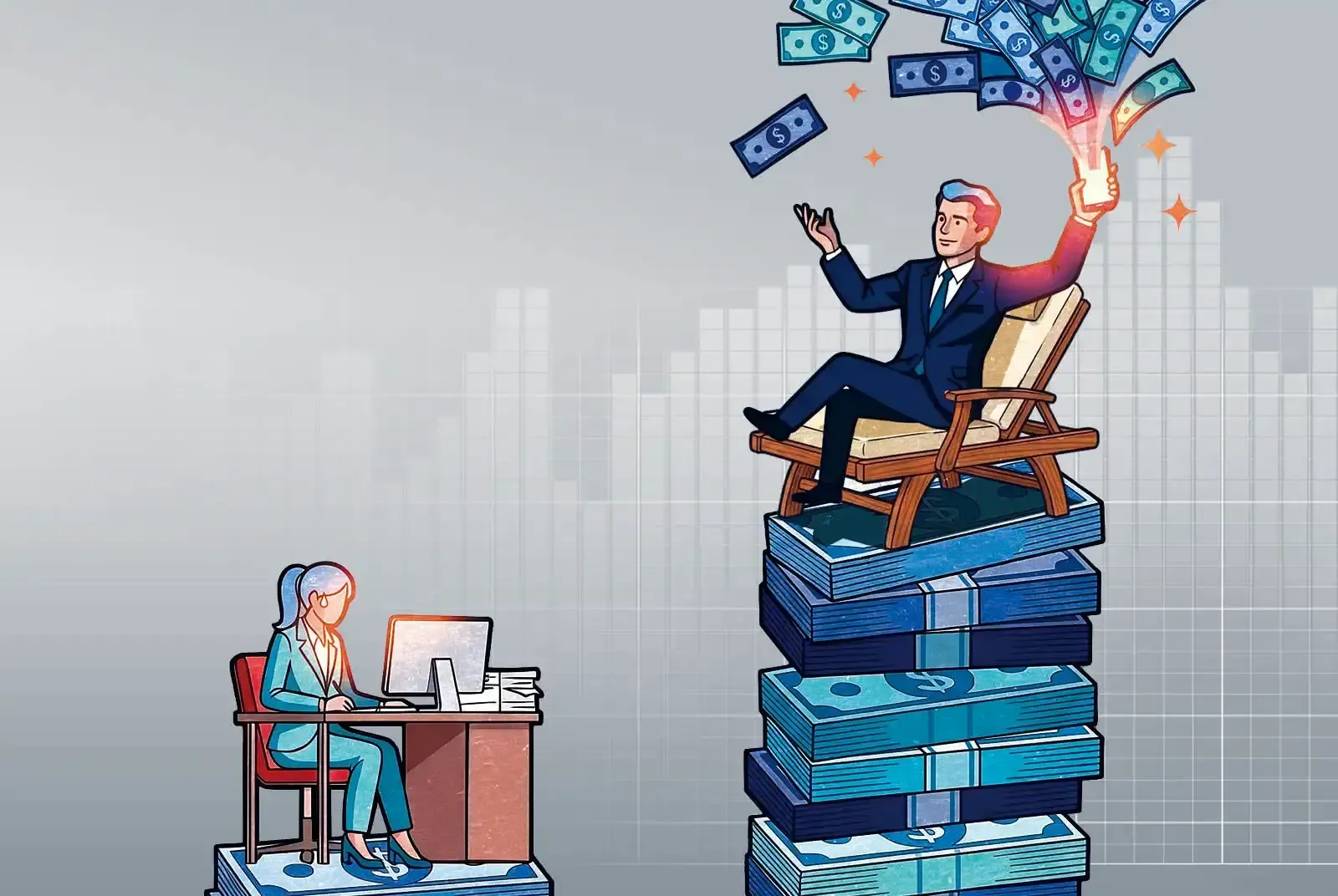
- The Risk of Marginalization: Simon Lin offered a stark warning to government and industry leaders: “Taiwan should not be self-content as a hardware manufacturing giant.” He emphasized that if Taiwan remains solely a manufacturer of components and hardware, it risks being marginalized in the future as the technology evolves.
- Fostering a Domestic AI Application Ecosystem: To counter this risk, industry leaders are aggressively trying to cultivate a software and application ecosystem. Lin himself has donated 1 million hours of computing power annually to startups and universities—a figure set to double this year—aiming to ensure Taiwan develops the intellectual property running on the hardware it builds. Meanwhile, companies like Foxconn are doubling down on venture capital—including a NT$10 billion joint venture fund with China Trust Banking Corp—to back the next generation of innovators.
How Long Can It Last? Riding the Four Waves of the AI Supercycle
Can Taiwan sustain this explosive growth? Young Liu, Chairman of Hon Hai Precision (Foxconn), believes the answer is a resounding yes, projecting that demand for AI computing power will continue to grow significantly over the next three to five years.
Liu broke down the current AI "Supercycle" into four distinct waves of demand, revealing that the market is still in its infancy:
- Wave 1: AI Model Developers (e.g., OpenAI, Anthropic, Google) — The earliest adopters who continue to consume massive computing resources for training and inference.
- Wave 2: Cloud Service Providers (CSPs) (e.g., AWS, Google Cloud) — Tech giants who have realized that offering AI computing services directly drives massive corporate profitability, turning infrastructure into a core business investment.
- Wave 3: Governments (The Impending Wave) — Currently focused on immediate defense applications like autonomous drones, but still largely exploring how to deploy AI across broader public-sector functions.
- Wave 4: Enterprises (The Impending Wave) — Global businesses that are actively experimenting with AI use cases but have yet to determine the most effective, scalable applications.
Longevity Outlook: Liu argues that the Supercycle is far from over because only the first two waves have established mature use cases and are consuming computing power at scale. The massive latent demand from governments and global enterprises is still in the exploration phase and has yet to fully materialize, guaranteeing a prolonged runway for Taiwan’s manufacturers.
Conclusion: Taiwan’s Next Strategic Play
To solidify its lead during this 3-to-5-year golden window, Taiwan is executing an aggressive dual strategy of global expansion and venture investment.
The Taiwan Electrical and Electronics Manufacturers’ Association (TEEMA) announced plans to establish dedicated Technology Parks in the United States, Mexico, Poland, India, and the Philippines. These international hubs will allow ecosystem partners of Taiwanese ICT giants to scale globally alongside their customers.
Taiwan has leveraged the AI hardware boom to redefine the economic hierarchy of East Asia. However, sustaining this pole position will ultimately depend on how successfully the island can translate its current hardware dominance into a robust, future-proof AI application ecosystem.
Have you read?
- Beyond the Silicon Shield: Taiwan Foreign Minister on Making the World Taiwan's Shareholder
- From a 1989 Exchange Trip to Canada's Taiwan Envoy: Marie-Louise Hannan's Case for Canada in Taiwan
- Can Civic AI Save Democracy Before Algorithms Destroy It?
Uploaded by Ian Huang
Views

Subscribe to CWE Newsletter (every Thursday)
Stay abreast of what's happening in Taiwan with our weekly digest.
Keywords: