Why Taiwan’s “Silicon Shield” Poses Energy Vulnerability
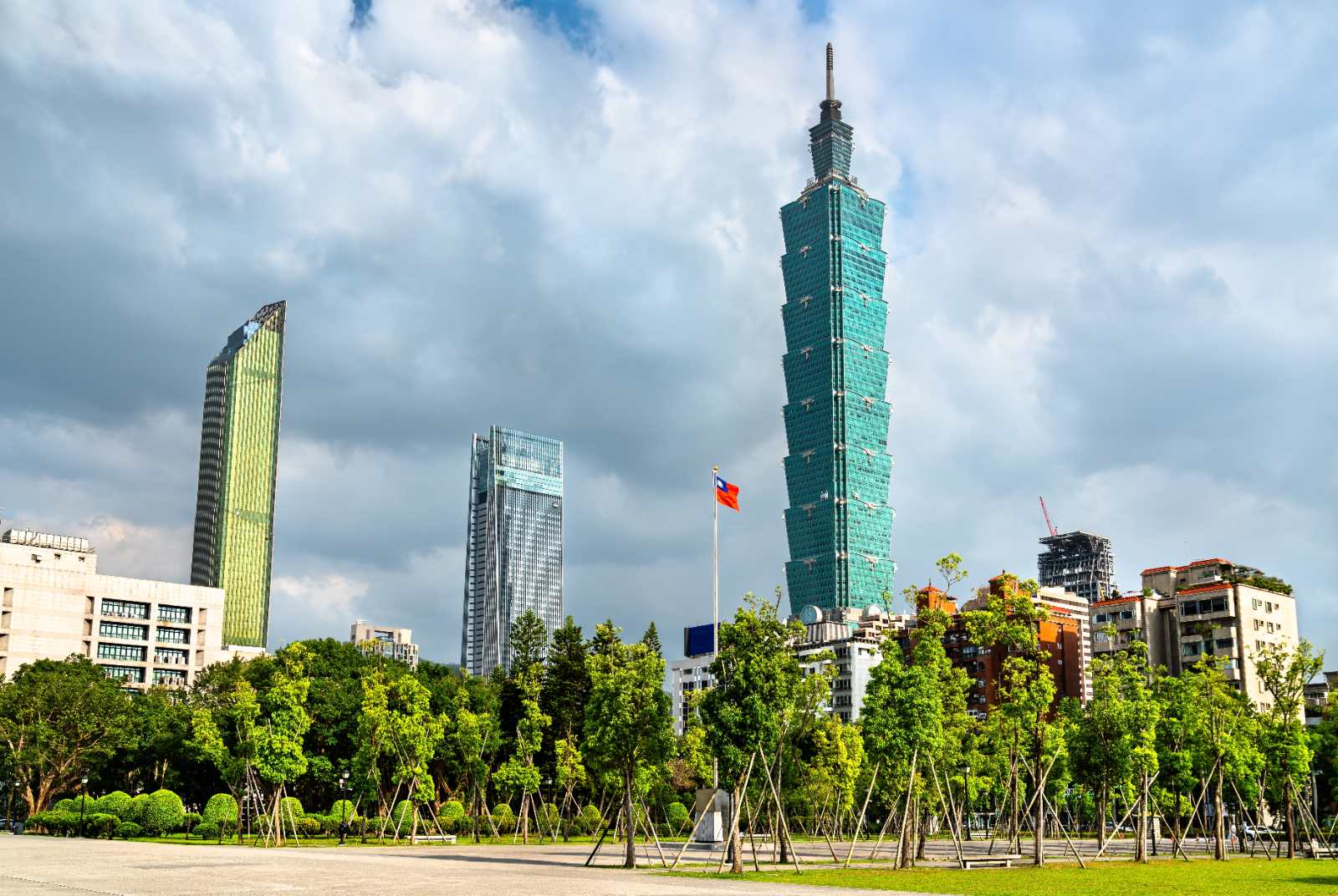
Source:Shutterstock
Taiwan’s semiconductor industry and its “silicon shield” are seen as a guarantee of the country’s security. But the industry’s enormous demand for electricity is also increasing Taiwan’s energy vulnerability. Can Japan’s energy policy provide valuable lessons for Taiwan?
Views
Why Taiwan’s “Silicon Shield” Poses Energy Vulnerability
By Tsuyoshi Nojimaweb only
Semiconductor-related industries account for more than 30 percent of Taiwan’s exports. The semiconductor industry’s “silicon shield” is widely seen as a guarantee of Taiwan’s security. But its enormous demand for electricity is also increasing the country’s energy vulnerability, creating what might be called a “silicon shield energy paradox,” whereby an industry that is supposed to protect Taiwan has made energy supply the economy’s Achilles’ heel.
The US-Iran war and related blockade of the Strait of Hormuz caused a temporary shortage of naphtha in Japan. This has prompted me to reconsider Taiwan’s energy situation.
Following the Fukushima nuclear disaster of 2011, I believed that nuclear energy should be phased out, and so I therefore supported Taiwan’s national policy aimed at abolishing nuclear power generation. However, over the past five years some of the assumptions behind that stance have changed dramatically.
In 2022, China conducted military exercises around Taiwan in retaliation for US Speaker of the House Nancy Pelosi’s visit. If China were to impose a maritime blockade on Taiwan, the country’s energy imports could very well be cut off. At the same time, Taiwan’s efforts to phase out nuclear power and reduce the use of coal to generate energy have pushed its reliance on liquefied natural gas (LNG) to nearly 50 percent. As LNG is difficult to store for long periods, if supplies were disrupted Taiwan would quickly face an energy shortage.
My home country, Japan, has faced two major energy crises, namely the oil crisis of the 1970s, and the Fukushima nuclear disaster resulting from an earthquake in eastern Japan in 2011.
These oil crises taught the Japanese people about the risks of relying on a single source of power generation. The government responded by promoting energy diversification, developing nuclear energy while strengthening oil reserves. The key to this was the creation of a three-tier energy reserve system consisting of the government, private sector, and oil-producing countries.
At the beginning of this year, Japan had more than 250 days’ worth of oil reserves. Following the Fukushima disaster, the country has gradually reduced its nuclear power usage and increased the share of renewable energy. Those developments also led factories and government agencies to consider how they could maintain essential power supplies during emergency outages.
A comparison of the energy apportionment of Japan, South Korea and Taiwan is revealing. In Japan, natural gas and coal each account for about 30 percent of energy supply, with nuclear power at 10 percent, renewables just over 20 percent, and oil at 10 percent. South Korea gets about 30 percent each from natural gas, coal and nuclear power, with renewables accounting for about 10 percent. Both countries maintain a broadly balanced mix of energy sources - emblematic of the hard-earned wisdom unique to the energy-poor industrial economies of East Asia.
In contrast to her regional neighbors, Taiwan relies on natural gas for nearly 50 percent of its energy, coal for 35 percent, and renewables for just over 10 percent, while oil and nuclear power each account for only a few percentage points. This is clearly a more vulnerable energy structure, and perhaps an unavoidable consequence of Taiwan’s recent efforts to phase out nuclear power and reduce carbon emissions.
In my view, the key going forward is, how many days can communications, power generation, factories, and government remain in operation if energy imports are cut off?
The Taiwanese government should confront the situation directly and clearly explain its plans for the future. The issue affects both the country’s functioning and the people’s livelihoods.
Can Taiwan increase oil reserves from 150 at present to 200? The country’s LNG reserves should also be raised from the current level of 14 days to 30 days.
Projections suggest that renewables may not account for 30 percent of Taiwan’s energy supply until around 2040. Accordingly, Taiwan must buy time, while also considering adjusting the proportions of LNG and oil use, and rebooting nuclear power generation.
I believe that this is the only way to resolve the “silicon shield energy paradox, transcending political antagonism between the ruling and opposition parties, and resolving this key issue affecting the entire population.
I hope that Taiwan can learn from Japan’s experience and develop a long-term, comprehensive energy strategy for the next generation.
Have you read?
- Why W. John Kao Went to Hawaii for a Job Interview
- The AI Boom’s Hidden Victim: Taiwan’s Fragile Insurance Sector
- America’s Threat to Taiwan
Translated by David Toman
Uplaoded by Ian Huang
Views

Subscribe to CWE Newsletter (every Thursday)
Stay abreast of what's happening in Taiwan with our weekly digest.
Keywords: