From Japanese Student to Taiwanese Worker: Can Taiwan Keep Its International Graduates?
Source:Ririko Yada
As Taiwan confronts a shrinking workforce, it is looking beyond international student recruitment toward retaining overseas graduates as long-term talent. Japanese students illustrate both the opportunities and challenges, as personal ties to Taiwan often clash with barriers to local employment and career development.
Views
From Japanese Student to Taiwanese Worker: Can Taiwan Keep Its International Graduates?
By Ririko Yadaweb only
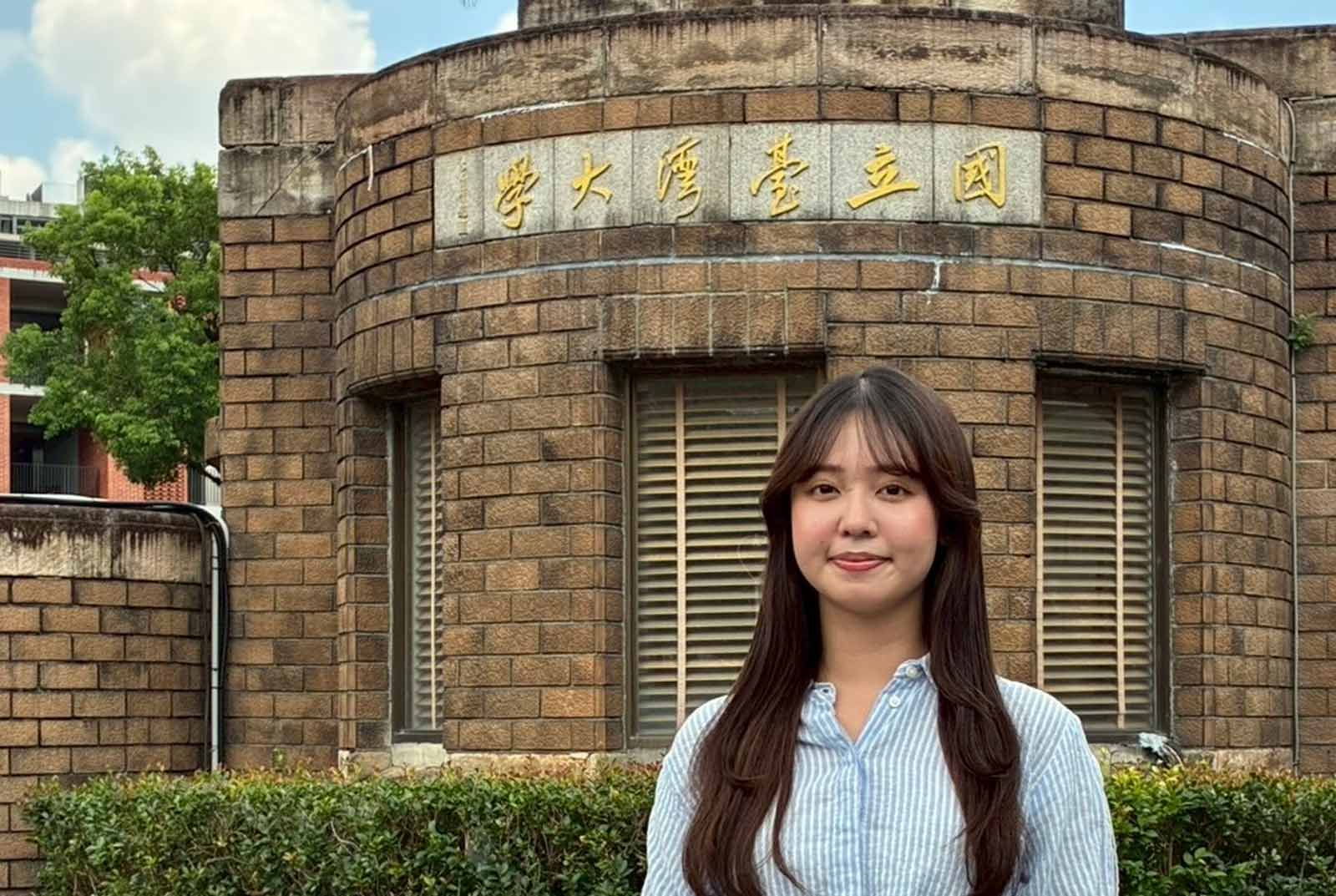
A typical Taipei morning. Among the young people cycling the city’s ubiquitous yellow bicycles toward the sprawling campus of National Taiwan University, Japanese students are no longer a rare sight. For Taiwan, which faces the structural challenges of a declining birthrate, and a shrinking workforce, these students are more than simply learners. They are potential sources of the highly skilled foreign talent that will shape the country’s future competitiveness.
Taiwan is now shifting from an era of simply attracting international students to one focused on encouraging them to stay and build their futures in Taiwanese society after graduation.
“Value for Money” and Freedom: Why More Japanese Students Choose Taiwan
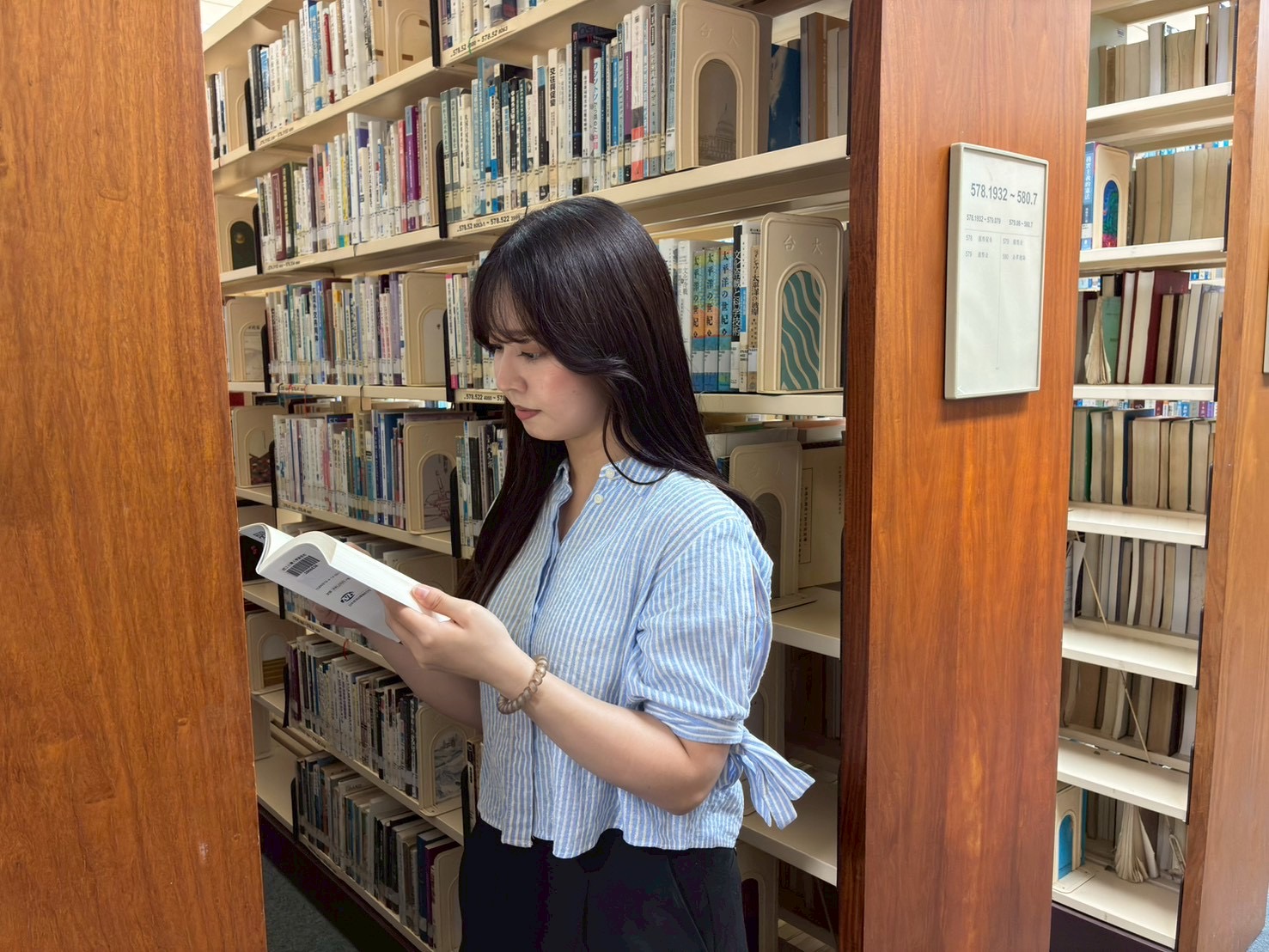
Riko Uehara, a political science student at NTU from Okinawa, represents this new wave. After an exchange year in Kansas, she felt one year was too short for meaningful intercultural understanding and chose Taiwan for four years.
Her decision was strategic and practical. Tuition and living costs are lower than in the West, while Taiwan offers a chance to learn both English and Mandarin. “There was hardly any environment with better value for money,” she says.
Yet economics was not the only factor. She had considered mainland China but worried about censorship and political restrictions. Taiwan’s democratic history and freedom to learn were decisive:
“Taiwan has professors who have actively experienced and shaped the country’s democratization, and it offers an environment where I can study freely. That was the biggest deciding factor.”
Life in Taiwan also brought an unexpected discovery about her own identity. On the streets of Taiwan, Uehara encountered the Fengshiye (風獅爺), a guardian deity often regarded as the origin of Okinawa’s shisa. She was struck by familiar expressions and sounds: the exclamation “aiya,” which she uses when surprised, and the Taiwanese term xiangpian (香片,for okinawan jasmine tea, both of which resonated with her Okinawan roots.
“Since coming to Taiwan, I’ve strangely found that my identity as an Okinawan has been growing stronger and stronger. When I was in the United States, I had a stronger sense of being Japanese, but here, I’ve made so many discoveries that have made me reconnect with my roots.”
Each of these discoveries made her increasingly conscious not simply of being Japanese, but of being Okinawan. This sense that Taiwan was, in some ways, reminiscent of home gave her an unexpected feeling of psychological comfort—a sense of belonging that can become an important foundation for international students who ultimately choose to put down roots.
A Structural Gap: Why Settling In Remains Difficult
Feeling at home, however, does not automatically translate into employment. Tamami Kiyotaka, who has long supported Japanese recruitment at recruiting agency Pasona Taiwan, points out the reality after graduation.

“Taiwan has a large pool of local talent with excellent Japanese skills, so companies do not necessarily have a strong reason to hire Japanese graduates.”
Japanese companies may value potential, while Taiwanese companies tend to prioritize immediately usable skills. Mandarin is essential, and students are expected to demonstrate what they have actually done at university.
The gap between Japanese and Taiwanese corporate structures also creates uncertainty. Large Japanese companies often have stable, pyramid-shaped organizations and clearer career paths. Taiwanese organizations tend to be flatter and more fluid.
In such organizations, there may be no step-by-step training system like those found in Japan, making it difficult for Japanese workers who compare them with Japanese corporate culture to envision their future career paths. This practical anxiety explains why staying in Taiwan is rarely a simple, immediate choice. Even Uehara, despite her deep affection for Taiwan's living environment, is currently not planning to stay in Taiwan.
Companies, meanwhile, have their own concern: retention. They worry that even if they hire a Japanese new graduate, the employee may return to Japan after just two or three years. This concern over whether international talent will actually stay has become a significant barrier to recruitment.
Redefining “Growth”: Opportunities Created by Action
Yet this fluid environment could offer an opportunity to redefine what professional growth means. Uehara feels that Taiwanese companies have “a strong drive to give students opportunities.” Unlike organizational cultures that emphasize structured, manual-based training, Taiwanese companies may place young employees directly into real-world situations, encouraging them to develop autonomy through experience.
Kiyotaka also argues that bringing Japanese employees into Taiwanese teams can create significant benefits for companies themselves. Rather than joining as managers or expatriates, Japanese employees can work alongside local colleagues as peers, creating opportunities for mutual learning and generating new energy across the team.
Japanese students who graduate from Taiwanese universities also have an advantage over those arriving directly from Japan. Years of local experience and adaptation can reassure companies about retention.
“Get In, Stay In”: A Test for Taiwan’s International Talent Hub
Taiwan is lowering employment barriers through reforms including the 2026 amendments to the Act for the Recruitment and Employment of Foreign Professional Talent.
A critical catalyst in this transition is the recent policy simplification, which exempts graduates of top Taiwanese universities from traditional work permit restrictions for up to two years. Previously, the bureaucratic burden of securing a work permit for inexperienced foreign graduates discouraged many local firms from hiring them. Kiyotaka views these changes as a major tailwind for companies considering international graduates.
But creating a legal framework is not enough to make talent stay. Taiwan’s true international competitiveness will depend on whether the government, universities and businesses can jointly create an environment in which international students genuinely want to build their futures in Taiwanese society.
Young people such as Uehara look at the world through Taiwan as a hub while rediscovering their own roots. If Taiwan becomes a place where such graduates continue to contribute their knowledge and grow alongside Taiwanese society, international students can evolve from “passers-through” into long-term members who help shape its future.
The question is no longer whether Taiwanese universities can attract international students, but whether it can become a sustainable international talent hub where they choose to stay.
Have you read?
- Cartoon Cats and Robots, Made in Kaohsiung, With an Indonesian Heart
- How NTUST Became a Talent Pipeline for Taiwan Tech
- Young Indian Engineer Builds Career in Taiwan’s Semiconductor Industry
Uploaded by Ian Huang
Views

Subscribe to CWE Newsletter (every Thursday)
Stay abreast of what's happening in Taiwan with our weekly digest.
Keywords: