A Strike Vote at Micron Taoyuan Could Be the First in Taiwan’s Chip Industry
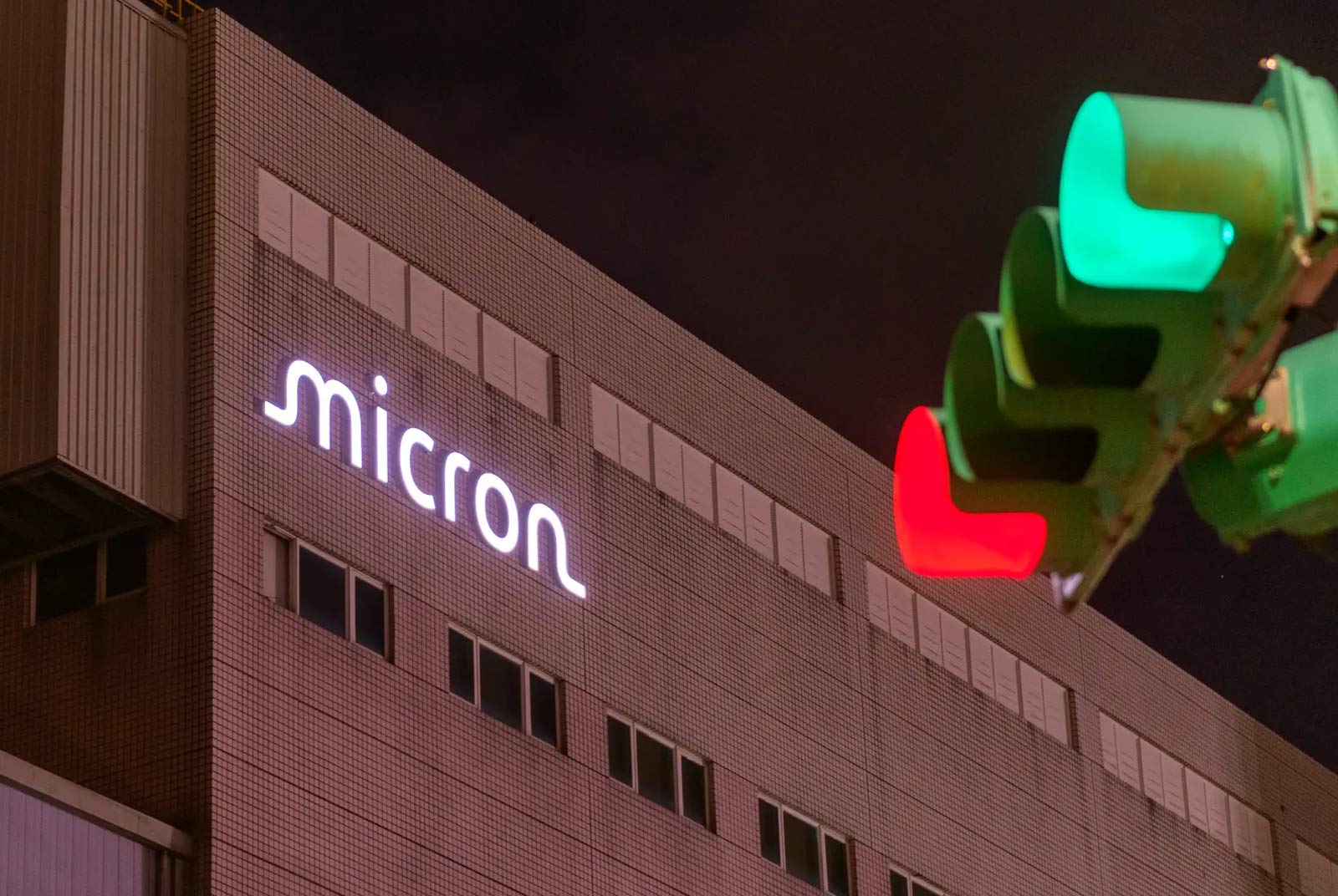
Source:Chien-Ying Chiu
Micron’s Taiwan workers are moving closer to a historic strike as disputes over profit sharing deepen. With Taiwan central to Micron’s memory chip and HBM production, the labor dispute could have implications for the global AI supply chain.
Views
A Strike Vote at Micron Taoyuan Could Be the First in Taiwan’s Chip Industry
By Hungta Linweb only
Following on the heels of Samsung and SK Hynix, Micron Technology — the world's third-largest memory chipmaker — is now facing the prospect of a labor strike at its Taiwan manufacturing operations, in what would be the first such case in Taiwan's semiconductor industry.
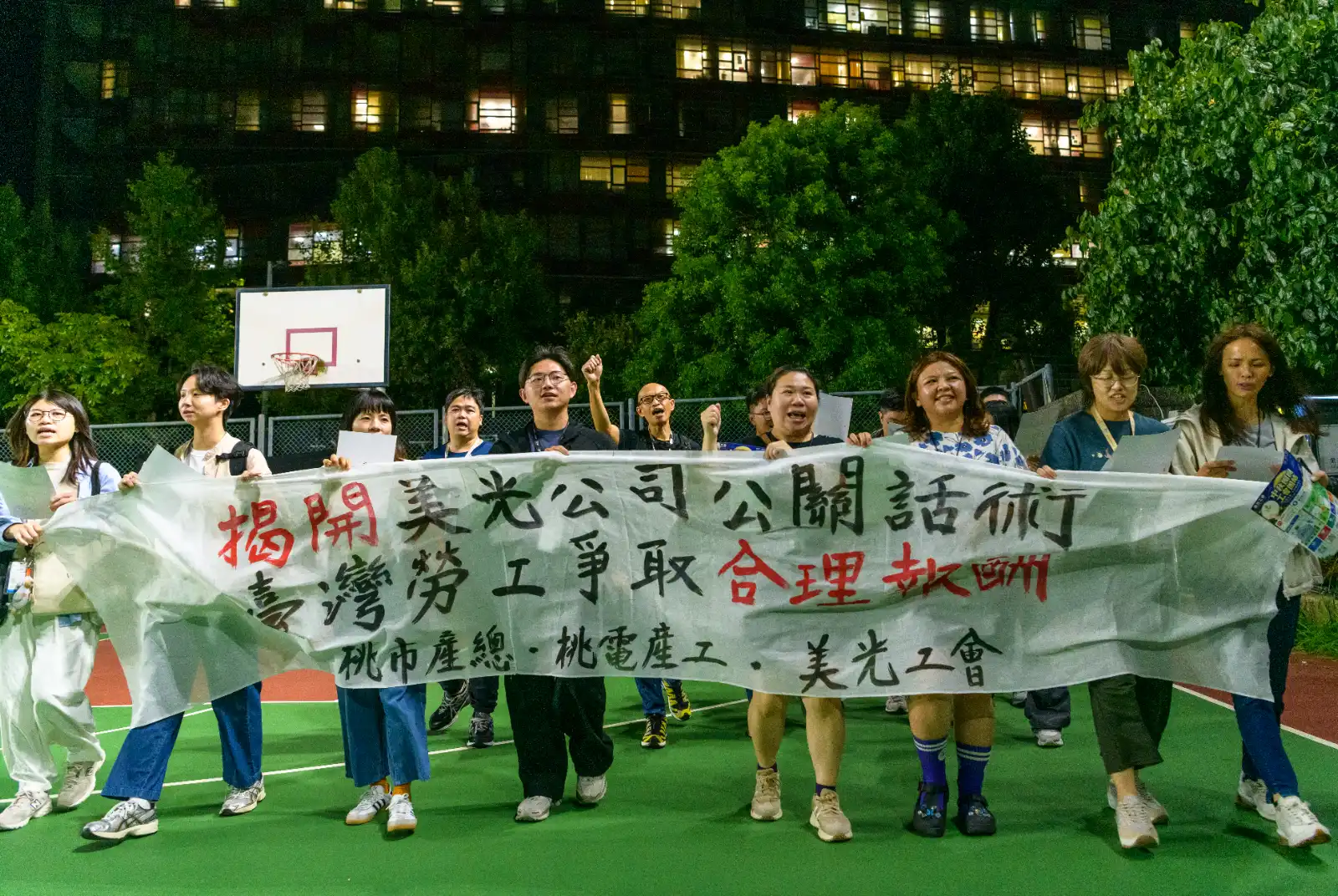 Source: Chien-Ying Chiu
The union at Micron's Taoyuan plant, with 2,100 members representing 70 percent of the plant's workforce, began a week-long strike vote on October 1. If more than half vote in support, the union will gain authorization to strike. At the Taichung plant, which employs 12,000 people, the union will resume negotiations with management on October 22; if talks break down, it too could hold a strike vote.
Taiwan is Micron's largest overseas production base, accounting for 60 percent of the company's global production capacity. Micron is expanding its DRAM and HBM capacity in Taiwan, with the Taichung plant serving as a major HBM production hub and currently introducing HBM4E. A strike could therefore affect worldwide AI server production.
The growth of union power has been striking. The union chapter at the Taichung plant originally had around 400 members. Following Samsung and SK Hynix's announcements of increased employee profit-sharing payouts, membership surged to over 10,000, with over 80 percent of employees enrolled. Former Minister of Labor Pan Shih-wei (潘世偉) observes that "the better the economy the higher the chances of a labor strike," because work is easier to find and employees have more leverage to push back.
Early this September, Micron announced that it would be giving out NT$1 million bonuses to Taiwanese workers and increasing profit sharing, yet that program failed to quell employees' anger. At the center of the dispute is the company's Individual Performance Plan, or IPP. Employees receive performance ratings from one to five, which are multiplied by a base amount to calculate their bonuses. Union president Lin Che-jui (林哲瑞) said that in 2025 Micron's net profits skyrocketed over the previous year, increasing by more than tenfold. However, the average IPP achievement rate for Taiwan employees was just 93 percent, and average profit-sharing payouts amounted to just 2.3 months' salary. When employees questioned this, management replied that "revenue is revenue, and IPP is IPP" — a remark that enraged employees.
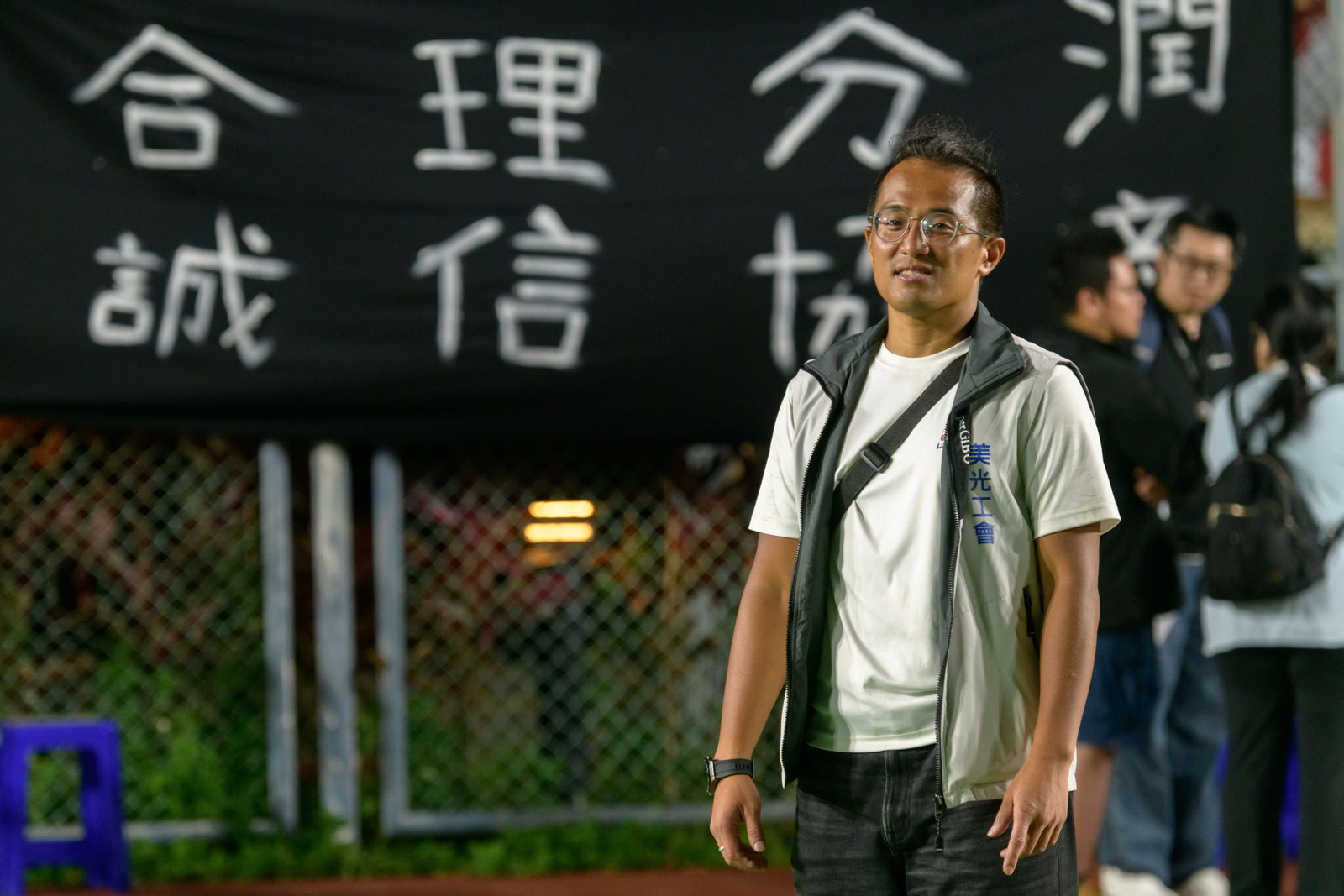 Union president Lin Che-jui (林哲瑞). (Photo: Chien-Ying Chiu)
The union's central demand is for an institutionalized profit-sharing system under which a fixed percentage of profits would be distributed to employees. According to the union, Samsung's semiconductor division distributes 12 percent of operating profit to employees, while SK Hynix distributes 10 percent. The union estimates Micron's corresponding figure at just 4.4 percent.
Micron said the memory industry is highly volatile, and that the company must strike a balance among investment in talent, research and development, and manufacturing capabilities. It said employee compensation is not based on a single profit-sharing mechanism, but on a comprehensive compensation structure comprising base salary, performance bonuses, stock-based compensation, an employee stock purchase plan, and benefits.
Pan said the surge in union membership was "not entirely about bonuses," arguing that the larger problem is a lack of trust. "It's like two old friends having coffee — it doesn't matter who pays. But if they're meeting for the first time, every little bit is calculated and accounted for."
Pan said that as Micron expands its operations, the company should give employees confidence that as its prospects improve, employees will benefit as well.
Against the backdrop of the AI boom, labor relations are emerging as a new challenge for the tech industry. TSMC faced employee backlash earlier this year when its profit-sharing ratio dipped slightly, and subsequently raised bonuses after seeing Samsung's move. If the AI boom continues, coupled with labor shortages and a declining birth rate, labor-management tensions could become a ticking time bomb for the industry.
Have you read?
- Why Nvidia, Delta, and TSMC All Need Chroma: An Exclusive Interview with CEO I-Shih Tseng
- Micron’s Pay Packages Show Just How Wide Taiwan’s AI Wage Gap Has Become
- Taiwan's "K-Shaped" Economy Leaves Young Workers Behind the AI Boom
Translated by David Toman
Uploaded by Ian Huang
Views

Subscribe to CWE Newsletter (every Thursday)
Stay abreast of what's happening in Taiwan with our weekly digest.
Keywords: