A Year After Giant's U.S. Import Ban, Taiwan's Bike Industry Moves to Fix Forced-Labor Risks
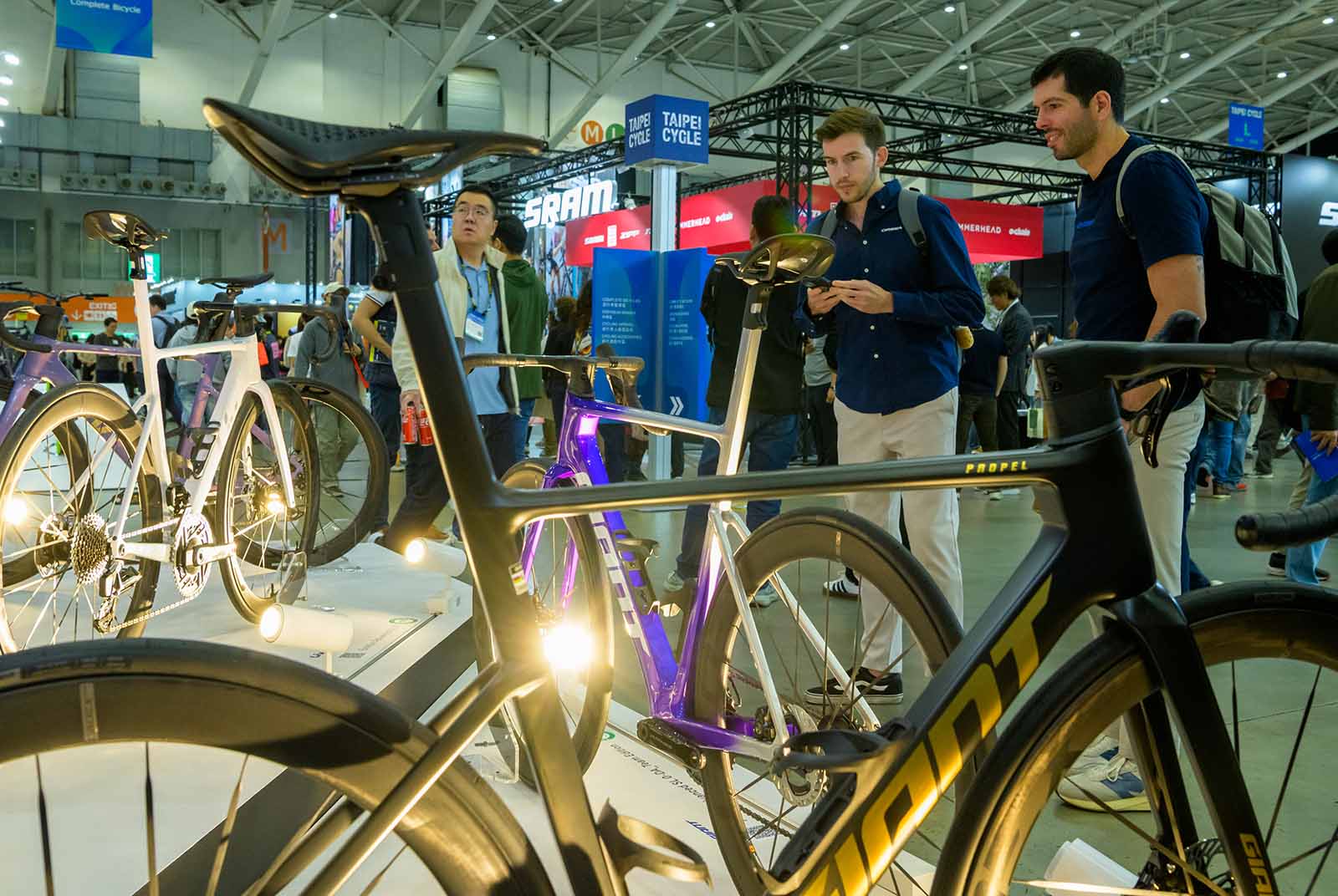
Source:Chien-Ying Chiu
A U.S. forced-labor import ban on Giant has pushed Taiwan’s bicycle industry to overhaul migrant worker recruitment and human-rights practices. But with the ban still in place and tougher EU rules approaching, manufacturers now face a harder test: proving the reforms work in practice.
Views
A Year After Giant's U.S. Import Ban, Taiwan's Bike Industry Moves to Fix Forced-Labor Risks
By Janet Kangweb only
One year ago, U.S. Customs and Border Protection (CBP) issued a withhold release order against imports of bicycles, bicycle parts, and accessories manufactured in Taiwan by Giant Manufacturing Co. Ltd, over the alleged use of forced labor. It was the first time that such an order was issued against a Taiwanese manufacturer. Giant estimates the affected business accounts for about 4 to 5 percent of group revenue.
Although the withhold release order was issued only against Giant, it sent shock waves through the entire supply chain. "You can't treat this matter as someone else's case because next time it could be you," notes Robert Wu (吳盈進), chairman of Taiwan Bicycle Association (TBA) and chairman of chain manufacturer KMC Kuei Meng International.
Within a month of Giant being slapped with the withhold release order, the TBA launched a Human Rights Due Diligence Initiative and subsidized members' cost for measures to become compliant.
Giant established a response team, putting agency fees at the top of the to-do-list. Migrant workers might take out loans with brokers in their home countries to pay placement fees which means they are saddled with debt when arriving in Taiwan. Giant began in October last year to repay broker fees and relocated 400 workers from their old dormitory to better housing. The bicycle maker spent around NT$100 million to expand its zero-recruitment-fee-policy for newly hired migrant workers to 545 migrant workers who are already working, and to refund broker fees. At the end of last year, Giant completed the second round of refunds and reimbursements, submitted a corrective action plan to CBP, and petitioned for a modification or revocation of the withhold release order. Bicycle maker Merida, tire maker Cheng Shin Rubber (Maxxis) and others have since announced zero-fee recruitment or reimbursement of migrant workers' fees.
Yet so far the withhold release order against Giant remains in place. Judging from previous CBP cases, it may take at least 18 months if not three to five years before such orders are lifted. Lee Cheng-hsin (李正新), deputy director of the Rerum Novarum Center, which advocates for migrant worker rights, says it will take time to examine whether the reimbursement plan and corrective actions continue. "It's not that the companies have the final say," he says.
The companies have implemented changes, but does that mean the migrant workers are satisfied? The TBA is in talks with a Catholic church in the Tanzi District of Taichung that assists migrant workers. Under discussion is jointly setting up a third-party channel for complaints.
Worker activist Charles Niece observes that quite a few bike makers not targeted by CBP have also begun reimbursing fees on their own initiative.
"Compared with other industries, many bicycle companies are already doing this voluntarily," Niece says. But he has also received complaints from migrant workers who say their colleagues were reimbursed while they themselves are not on the list.
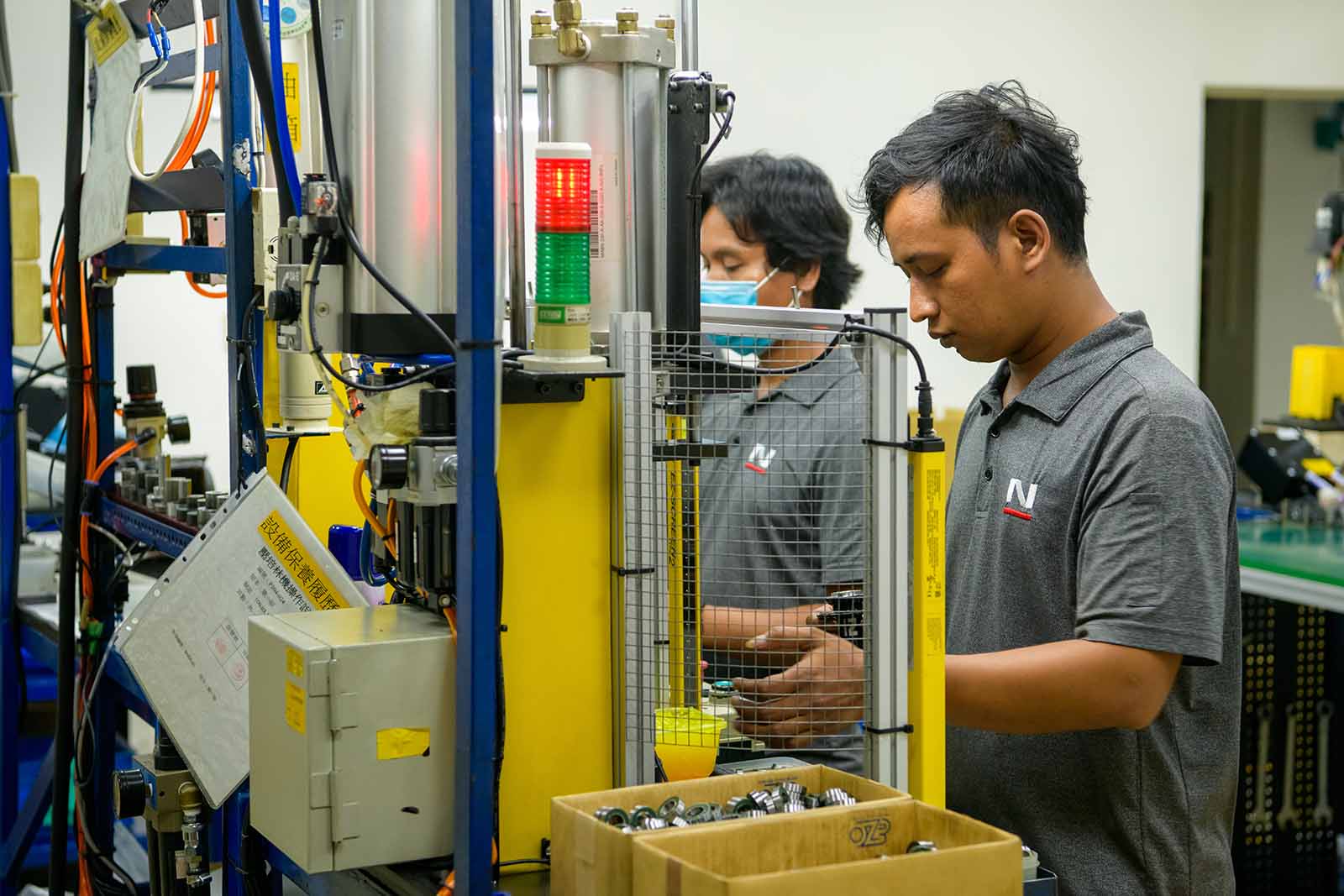 Over the past year, companies representing 80% of Taiwan’s bicycle supply chain have voluntarily conducted human rights due diligence. (Photo: Chien-Ying Chiu)
Niece says such disparities cannot necessarily be detected from the audit report. He says in the long term an independent channel for complaints should be set up.
The TBA estimates that as of September this year companies representing more than 80 percent of Taiwan's bicycle export value had joined the association's Human Rights Due Diligence Initiative.
The next challenge for manufacturers comes from the European Union (EU). The EU Forced Labor Regulation, which bans the sale, import and export of goods made using forced labor in the EU market, will take effect on Dec. 14, 2027. If EU customers ask questions about labor issues, Taiwanese companies will have to give more concrete answers than just making policy pledges.
The Giant case has drummed home the message to Taiwanese manufacturers that they must look into various issues: Are companies truly paying the broker fees, are reimbursements made to all eligible persons, and is it possible for migrant workers to voice grievances without having to fear repercussions? Once a company has been branded as using "forced labor", dealing with the fallout is likely to be enormously costly.
"I hope that when we talk about this issue again, the withhold release order against Giant has already been lifted," notes Giant spokesperson Ken Li (李書耕), adding that they will keep doing what needs to be done.
Views

Subscribe to CWE Newsletter (every Thursday)
Stay abreast of what's happening in Taiwan with our weekly digest.
Keywords: