Taiwan’s Next Mainstay Industry: Intelligent Transportation Systems
Source:MOTC
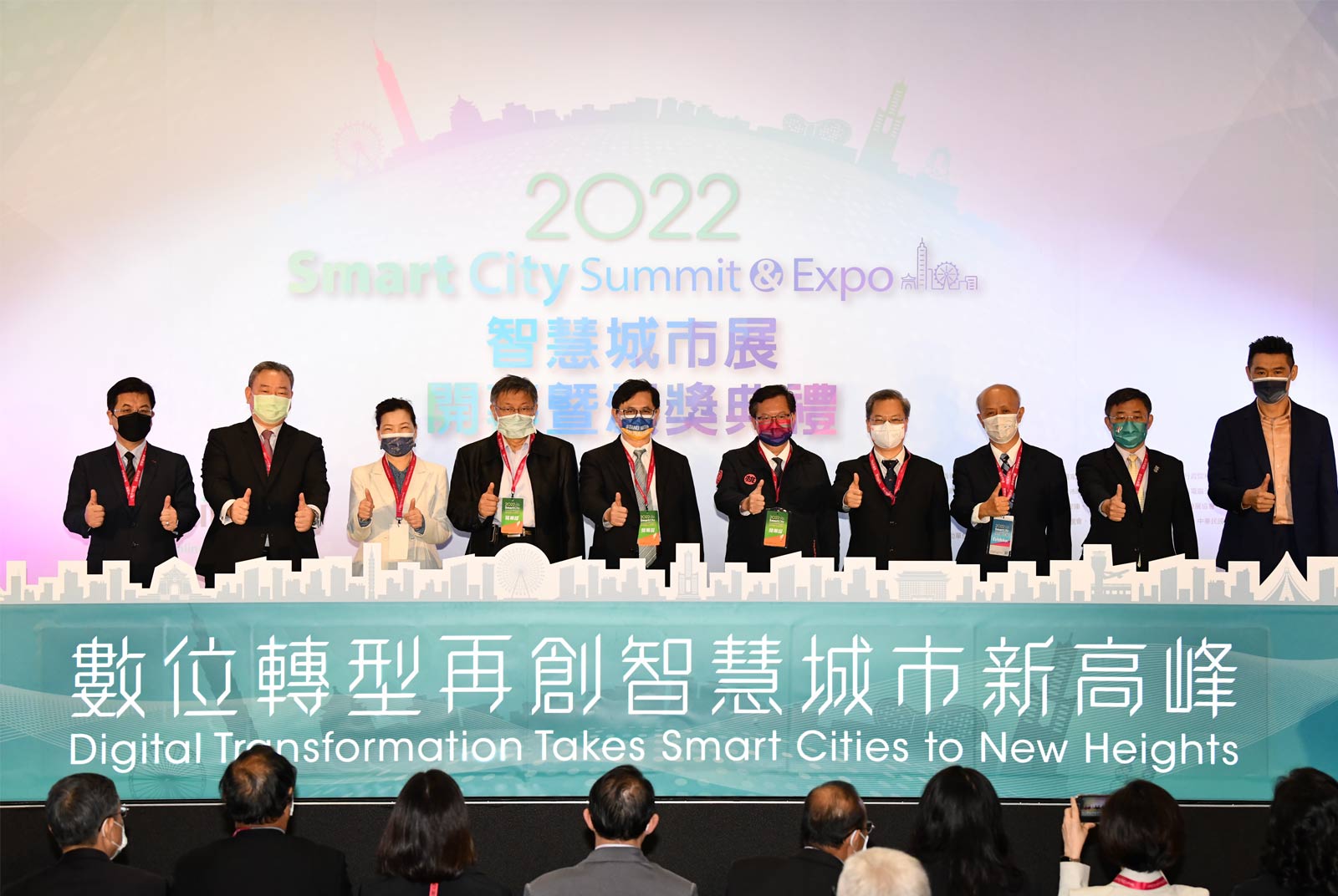
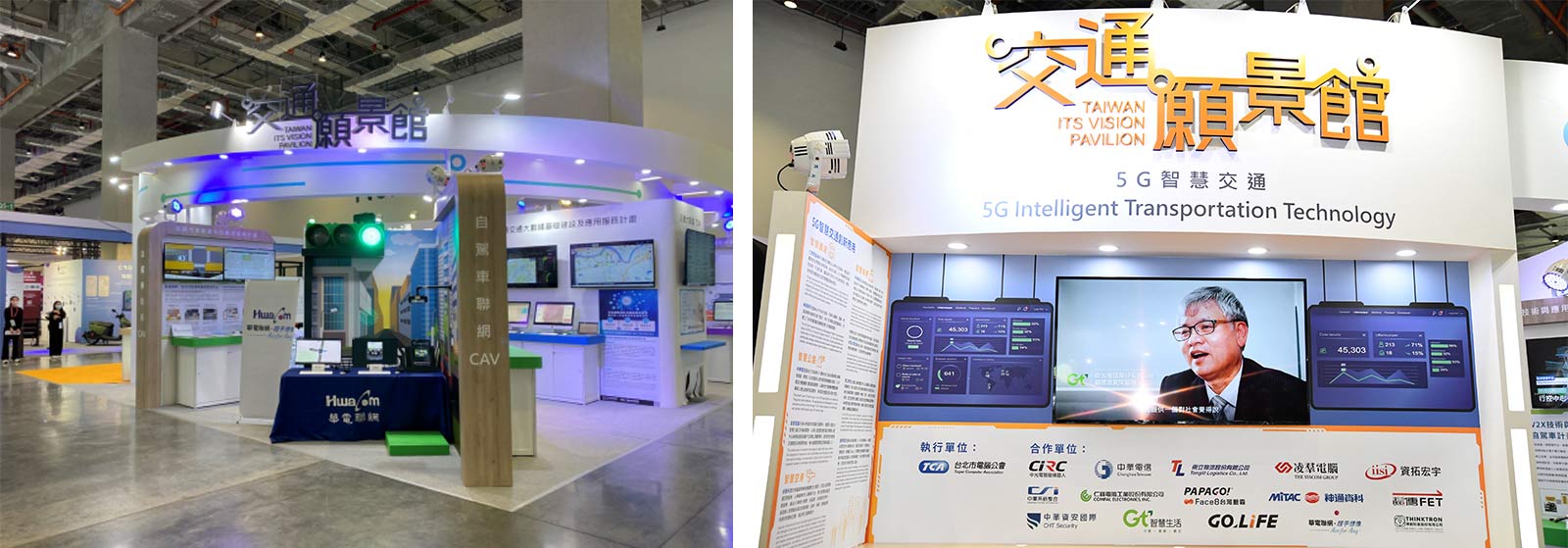
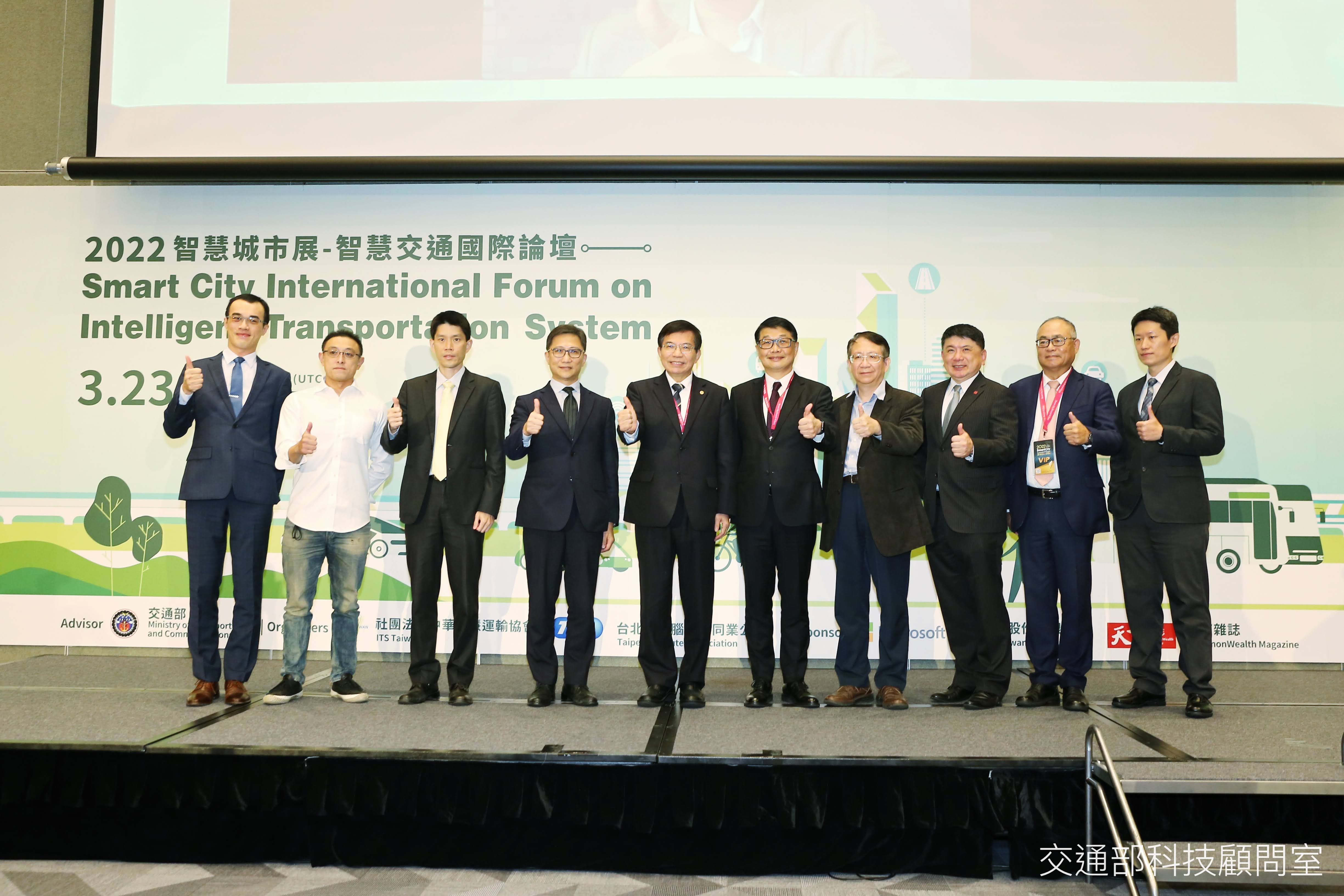
Transportation is a part of urban life. It plays a key role in enabling an efficient governance and comfortable living environment. With help from the information and communication industries, Taiwan has been developing intelligent transportation. For the 2022 Smart City Summit & Expo, the Ministry of Transportation and Communications worked with 30 groups, including county/city governments, NGOs, and businesses, to create the Taiwan ITS (Intelligent Transportation Systems) Vision Pavilion. The pavilion exhibited the success of applications of innovative technology to transportation solutions as well as tying into ecological implications, demonstrating intelligent transportation’s potential as a future mainstay of Taiwan’s industry.
Views
Taiwan’s Next Mainstay Industry: Intelligent Transportation Systems
By MOTCSponsored Content
Improving Urban Quality of Life through Intelligent Transportation
According to United Nations statistics, in 2018, 55% of the global population lived in cities. It is expected that by 2050, this ratio will increase to two-thirds. As urbanization rates rise, the quality of urban spaces, mobility, and environments, among other issues, will depend on a good management system. Therefore, the idea of “smart cities” was created based on using information and communication technology (ICT) to strengthen public municipal services. With its advantages in the ICT industry, Taiwan has been getting momentum in developing smart cities in recent years. The application of intelligent transportation in cooperation with national policies, industries, and local support has shown particular merit. Wang Kwo-Tsai, Minister of Transportation and Communications, named “using intelligent transportation to improve transportation efficiency” as one of the Ministry’s key policies. Also, the Ministry’s Intelligent Transportation Systems Development Program and 5G-Driven Intelligent Transportation Technology, Service Innovation, and Industrial Development Program are integrating in ministries across the central government, local governments, and the information and communications, transportation and tourism industries to promote transitioning to and upgrading digital intelligent transportation systems. Wang also hopes that Taiwan will win its bid to host the ITS World Congress 2026 and demonstrate the results of public-private cooperation in Taiwan to the world.
Intelligent Transportation Driving Industrial Transformation and Reform
Every day when we leave the house, there is a need for transportation. Smooth transportation stands for a well-functioning city. In the past, we could not deal with transportation situations on a large scale due to technological limitations; now, thanks to advanced information communications and sensor technologies, information can be efficiently collected, analyzed, simulated, and stored. This means improved interactions among pedestrians, vehicles, and roads, thereby making daily travel safer, faster, more comfortable, and smarter. Danny Chen, General Manager of Microsoft Consulting Services Greater China and Vice President of the Intelligent Transportation Society of Taiwan, affirmed that Taiwan’s intelligent transportation is on the first class throughout the world, especially in the key global developing fields of autonomous vehicles, connected Vehicles, big data, artificial intelligence, MaaS (mobility as a service), and 5G communication technology, fields in which there have been continuous developments and applications.
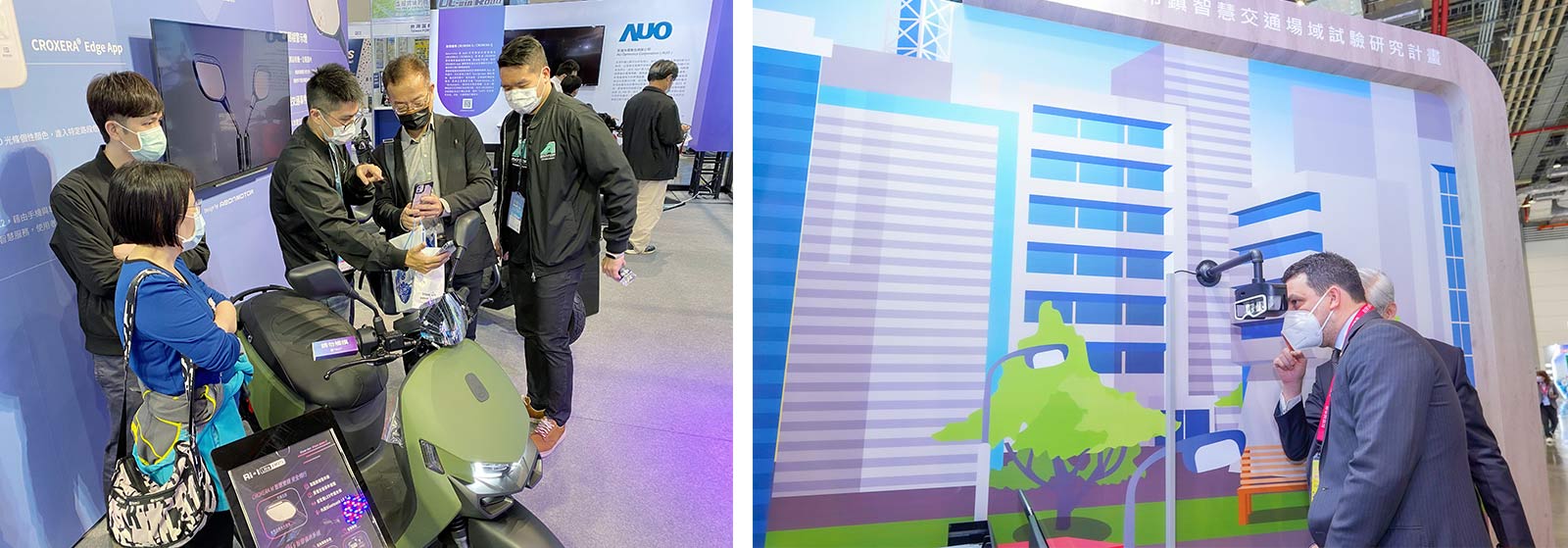
At this year’s Smart City Summit & Expo in late March, the Ministry of Transportation and Communications set up the Taiwan ITS Vision Pavilion to present five major projects: the introduction of connected autonomous vehicle (CAV) technology into the transportation industry, shared vehicle transportation services, mobility as a service (MaaS), big data application in transportation, and 5G-driven intelligent transportation technology, service innovation and industrial development. These projects all center on people, while encouraging domestic industries to join in to provide more agile and flexible solutions. These projects have improved the quality of transportation services while leading to growth and improvement in related industries. Wang Mu-Han – Director of the Office of Science and Technology Advisors, MOTC – believes that there are “huge business opportunities in intelligent transportation,” which will be a “crucial industry over the next generation” and even has the potential to become Taiwan’s next mainstay industry, following the semiconductor industry.
Life Encapsulated within Transportation Data
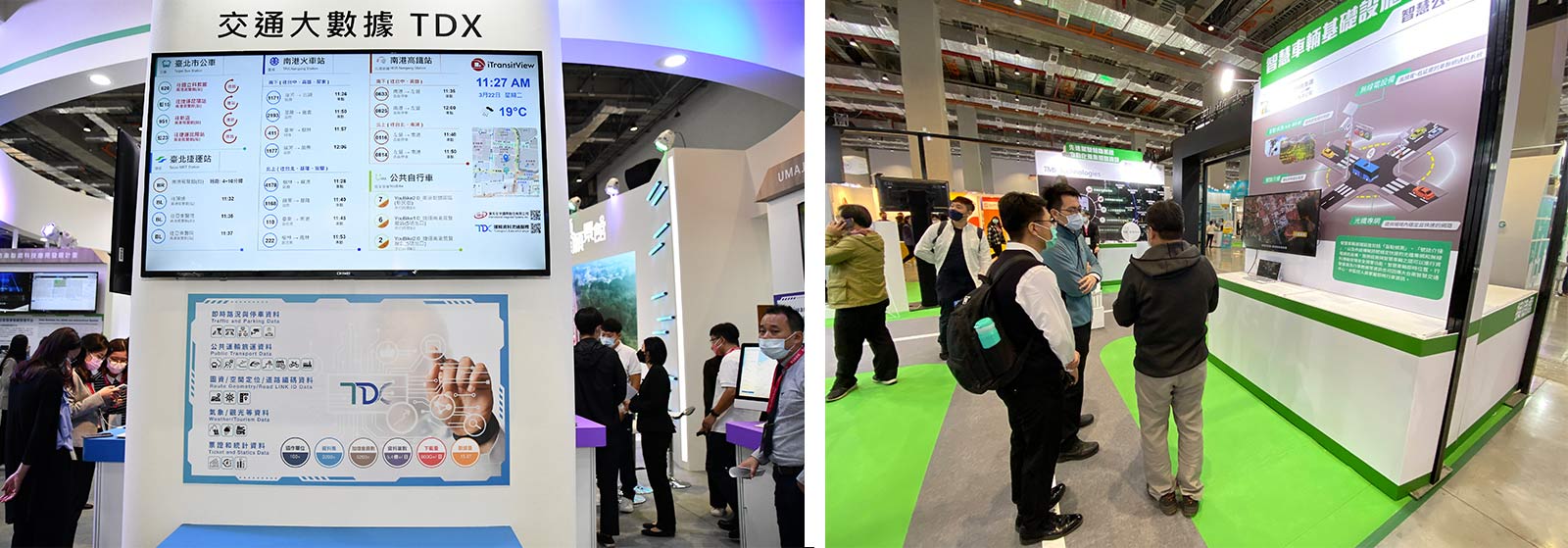
We use our brains to remember, analyze, and understand the external world, as our brains can then respond to situations once we accumulate enough experiences,. The “intelligent” of “intelligent transportation” serves to “replicate the functions of the brain.” Director Wang explained that the first step in intelligent transportation is the accumulation of meaningful extensive data, collected in a computer and analyzed as information. Then, when the unexpected happens, computers can use past experiences to find the optimal solution with maximum public benefit that serves the best interests of society as a whole. Sometimes, the latest technology might not be able to fully address the psychological needs of the public, such as the particular pain points people experience while using transportation. In addition to safety, which is the most important for all people, the second biggest concerns are “times not matching up (failure to connect transfer times and inaccurate arrival time estimates)” and “heavy burdens (excessive fares, gas prices, parking fees, etc.).” However, residents of more remote areas are concerned less about timing but more about the heavy burden of transportation costs. Therefore, when developing transportation services for different regions and demographics, it is always critical to be people-centered to provide the most intelligent transportation services.
Intelligent Transportation Services That Started Locally and Is Moving Towards the Global Arena
Intelligent transportation has become prevalent in our daily lives. Wang brought up the national highway electronic toll collection (ETC) system as an example. Launched in 2006, the ETC has been in operation for nearly 20 years. Although there have been a number of challenges, it has remained a convenient service that users have grown accustomed to. Wang pointed out that “Taiwan is not big, but it fosters various lifestyles, from big cities to remote villages.” As such, the intelligent transportation solutions developed in Taiwan are highly applicable throughout the world, meaning there is plenty of space for this emerging industry to develop. This also coincides with the intelligent transportation development strategy as promoted by the Ministry of Transportation and Communications. The strategy takes automation, connectivity, electrification, and sharing (ACES) as the bases for the construction of a people-centered transportation environment that is also intelligent, while working together with the innovation and strengths of domestic industries to put Taiwan in an important role on the world stage.
(Advertisement by the MOTC)
Views

Subscribe to CWE Newsletter (every Thursday)
Stay abreast of what's happening in Taiwan with our weekly digest.
Keywords: