Former US Ambassador: Why Vietnam, Taiwan and the US are the Indispensable Triangle in High-Tech Ecosystem
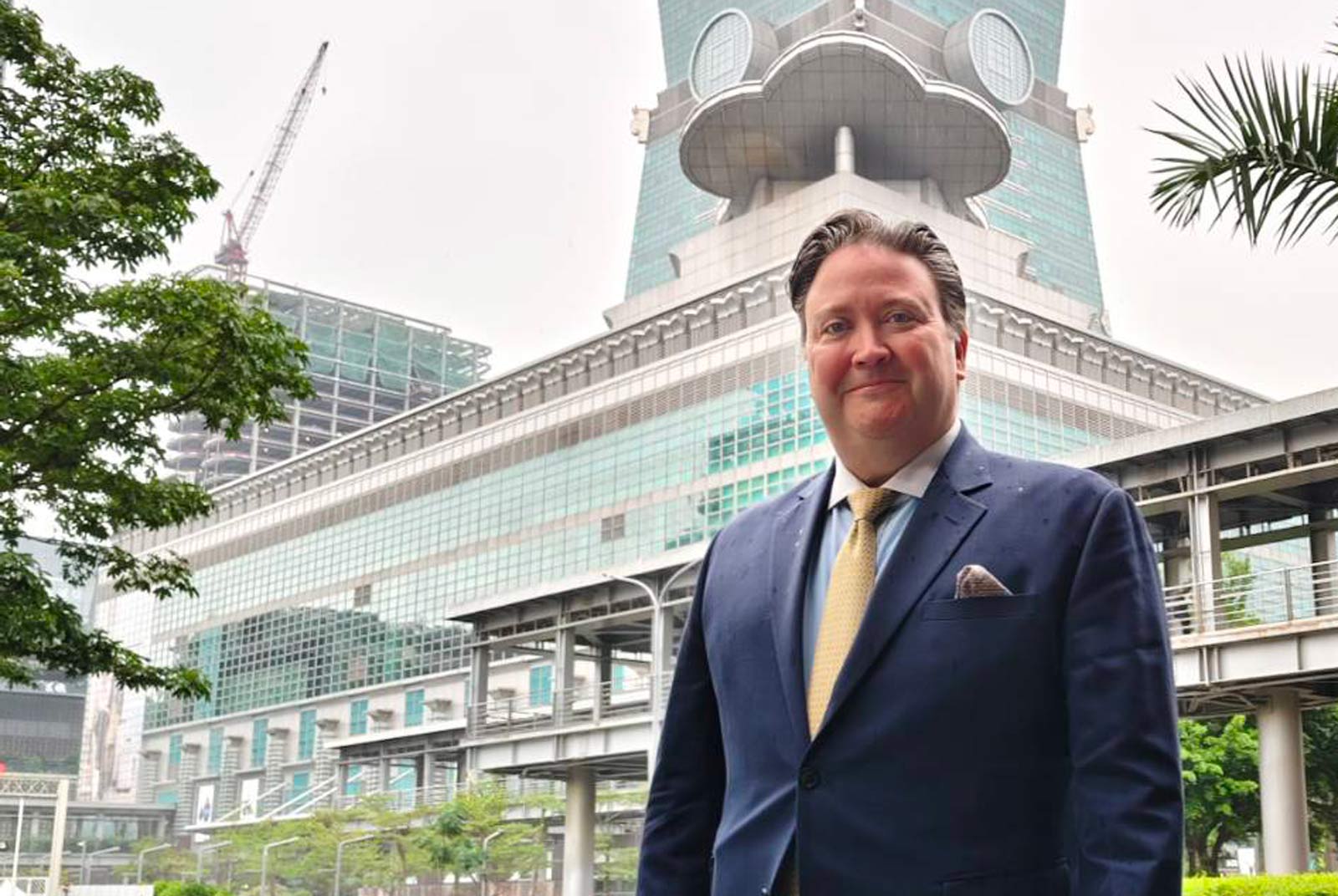
Source:Judy Lin
Marc Knapper frames the US-Taiwan-Vietnam triangle as the backbone of AI hardware supply chains—American capital, Taiwanese expertise, Vietnamese scale. But power, water, and climate vulnerabilities expose how fragile that foundation still is. Can this rise be called secured, or merely scheduled?
Views
Former US Ambassador: Why Vietnam, Taiwan and the US are the Indispensable Triangle in High-Tech Ecosystem
By Judy Linweb only
The global high-tech supply chain is undergoing a profound structural realignment. Driven by the exponential demand for Artificial Intelligence (AI) hardware and an urgent mandate for diversification, an indispensable tech ecosystem has crystallized between the United States, Taiwan, and Vietnam. This trilateral ecosystem bridges American capital and foundational IP, Taiwanese unmatched foundry and packaging mastery, and Vietnam’s rapidly scaling high-tech manufacturing capacity.
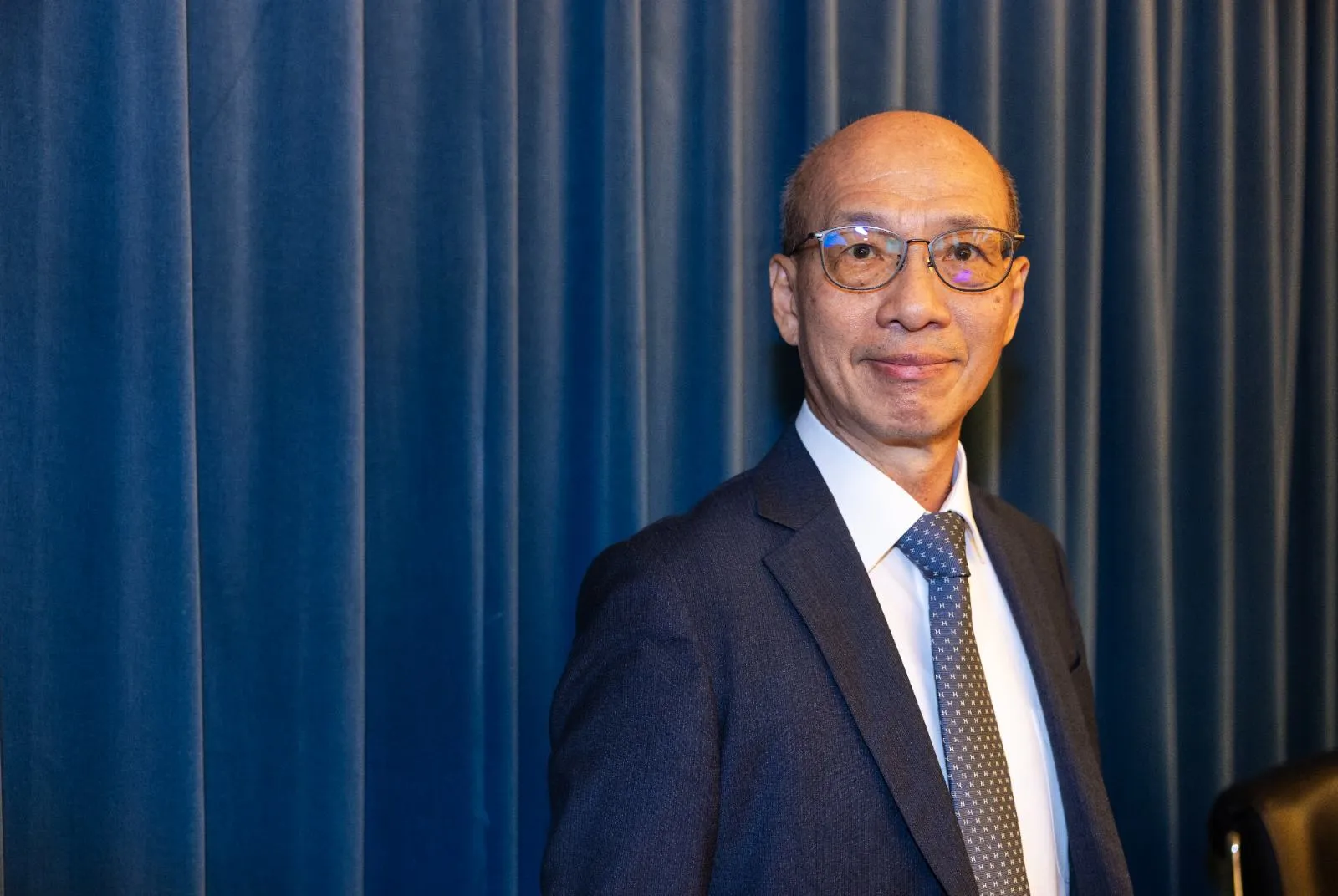
In an exclusive interview, Marc Knapper, who has just retired as U.S. Ambassador to Vietnam earlier in 2026, shared critical insights into how this strategic triangle was systematically constructed. He visited Taiwan for the first time to attend a forum hosted by FCC Partners, a Taiwan-based investment bank.
When cross-referenced with recent macroeconomic export data, Knapper’s insights reveal that while the US-Taiwan-Vietnam triangle is actively driving the next generation of AI infrastructure, Vietnam's ascent requires navigating distinct operational headwinds.
Ambassador Knapper’s Insight: The Genesis of a Strategic Tech Imperative
Reflecting on his tenure in Hanoi, Ambassador Marc Knapper emphasized that the historic elevation of U.S.-Vietnam relations to a Comprehensive Strategic Partnership was intentionally anchored in high technology.
"We recognized early on that economic security is national security," Knapper noted. "The partnership wasn't just about traditional trade; it was a deliberate blueprint to integrate Vietnam into the secure, trusted supply chains envisioned under the U.S. CHIPS Act. But the United States and Vietnam couldn't do it alone. The missing link was advanced manufacturing expertise—and that is where Taiwan enters the equation."
According to Knapper, the trilateral synergy operates as a coordinated division of labor: the U.S. provides upstream foundational architecture and funding through mechanisms like the International Technology Security and Innovation (ITSI) fund; Taiwan acts as the technological bridge, deploying world-leading semiconductor methodologies and capital; and Vietnam serves as the optimal downstream engine, offering a secure geopolitical harbor and massive electronics manufacturing clusters.
The Catalyst: Vietnam’s Core Strengths
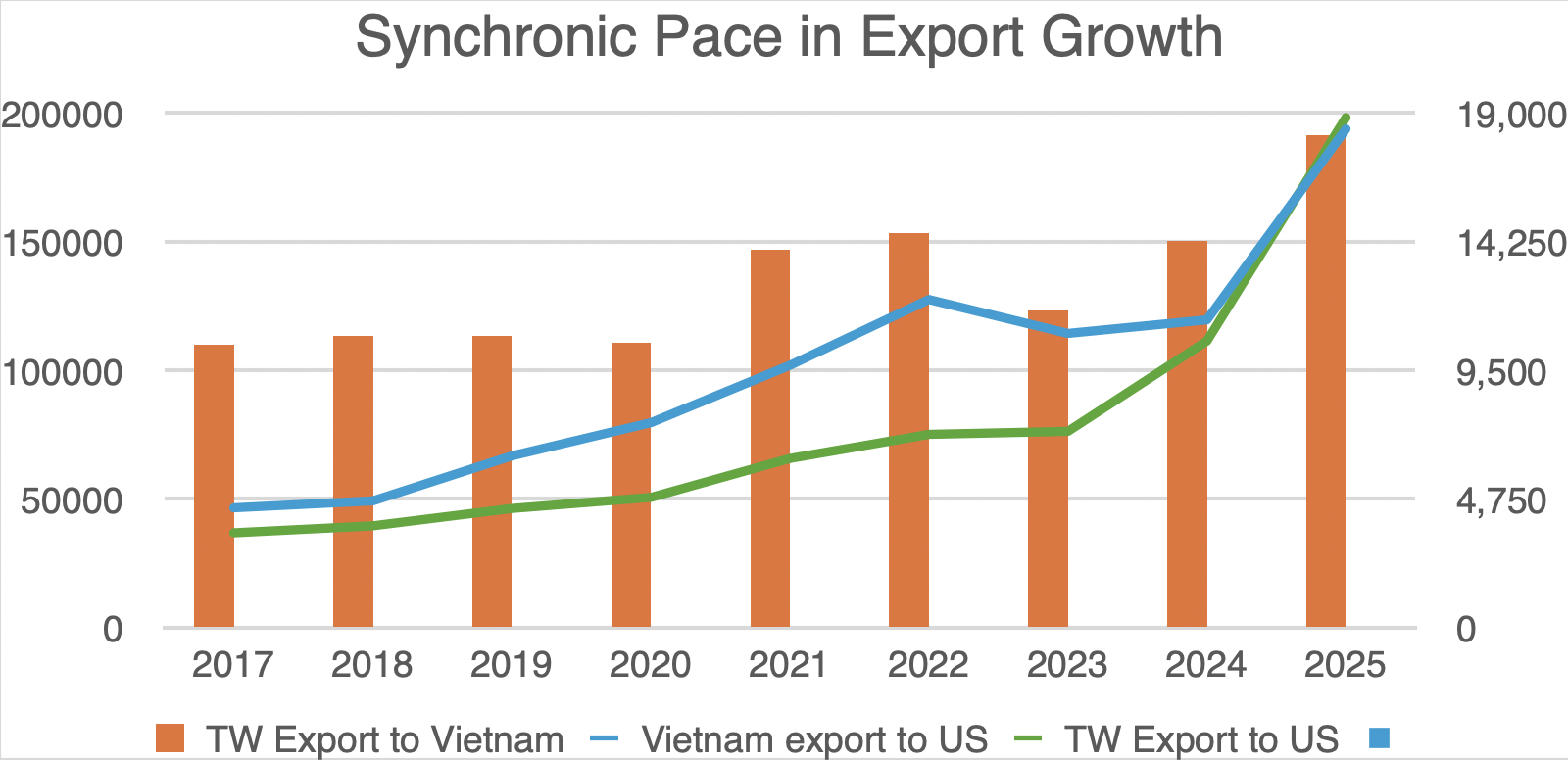
The validity of this strategic vision is illustrated by hard economic data. In 2025, Vietnam’s electronics exports reached a staggering $152.3 billion, representing 9.2% year-on-year increase and accounting for 32.5% of the nation's total export economy. Total Vietnamese exports to the U.S. surpassed $153.1 billion, driven heavily by computers, electronic products, and advanced components, which skyrocketed by 81.3% to eclipse $42 billion.
Vietnam's aggressive ascension in this triad is powered by two distinct domestic pillars:
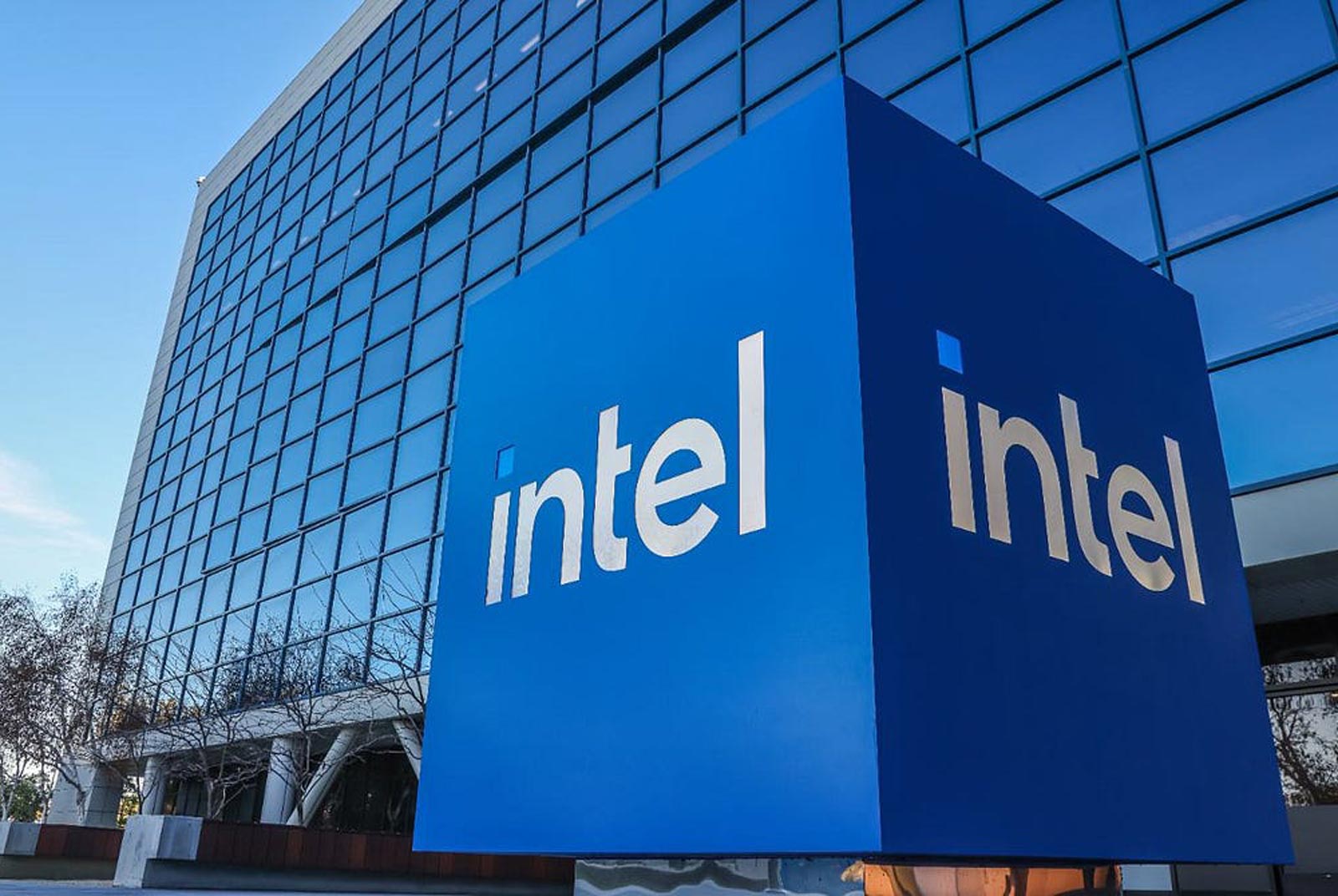
- Abundant, Young STEM Talent: Vietnam's greatest asset is its human capital. Under government directives, Vietnam is executing a public-private pipeline to train 50,000 semiconductor and AI engineers by 2030. U.S. companies such as Intel and Amkor as well as Taiwan’s tech conglomerates such as Foxconn, Compal, Inventec, Wistron, and Pegatron are actively tapping into this talent pool.
- Unprecedented Policy Tailwinds: The Vietnamese government has rolled out aggressive incentives, including corporate tax holidays, duty exemptions, and streamlined land-lease frameworks via recent regulatory updates to fast-track ecosystem integration.
This policy momentum reached a historic milestone in January 2026, when Vietnam officially broke ground on its first domestic semiconductor fab in Hanoi’s Hoa Lạc High-Tech Park. Developed by Viettel Group, this 27-hectare foundry marks Vietnam’s official entry into commercial wafer fabrication, aiming to close the loop on a fully localized end-to-end semiconductor ecosystem by 2027.
The Risk Profile: Critical Infrastructure and Climate Bottlenecks
However, transitioning from electronics assembly to a true semiconductor and AI hardware anchor exposes steep operational vulnerabilities. Fabrication and advanced packaging plants require flawless infrastructure stability—areas where Vietnam faces intensifying friction.
1. Power Shortages and Grid Instability
Semiconductor fabrication and modern AI data centers are intensely energy-demanding, requiring uninterrupted, stable electrical grids. A single millisecond voltage drop can ruin entire production batches. Vietnam’s industrial north has previously battled seasonal power shortages, forcing the government to rush massive infrastructure investments and clear paths for direct power purchase agreements to protect high-tech industrial zones.
2. Clean Water Bottlenecks
The manufacturing of integrated circuits requires vast quantities of ultra-pure water (UPW) to rinse silicon wafers between processing steps. Cultivating a sovereign semiconductor footprint places immense pressure on local water treatment infrastructure. Ensuring a steady supply of industrial-grade clean water without depleting local municipal resources remains an acute engineering challenge for Vietnam’s rising tech clusters.
3. Climate Change Vulnerabilities
Vietnam’s long coastline and critical economic zones make it one of the most climate-vulnerable nations globally. Severe weather anomalies, rising sea levels, and seasonal typhoons pose direct threats to the physical logistics of the supply chain. Flooding or climate-driven disruptions to coastal ports and transport corridors could easily paralyze the highly synchronized, just-in-time shipping dependencies that connect Vietnamese facilities back to Taiwanese foundries and American buyers.
Conclusion: An Indispensable Triangle
The geopolitical puzzle of the 21st-century tech economy is solving itself through the creation of the U.S.-Taiwan-Vietnam triangle. Driven by necessity and validated by data, this trilateral partnership ensures that the heavy hardware required to run global AI systems is built within a secure corridor.
As Ambassador Knapper reflected, the triangle's success hinges on balancing its immense structural advantages with rapid infrastructure resilience. By leveraging its rich STEM talent pool, securing its historic new 2026 foundry milestone, and systematically addressing its power, water, and climate risks, Vietnam is solidifying its position not merely as an alternative manufacturing hub, but as an entirely indispensable pillar of the global high-tech future.
Have you read?
- Why France Chose Foxconn to Build Europe’s Most Advanced Packaging Plant
- How Machine Manufacturer Ta Liang Became a Hidden AI Champion
- Inside the AI Rack War: MediaTek and Foxconn Race Toward the Copper-to-Optics Era
Uploaded by Ian Huang
Views

Subscribe to CWE Newsletter (every Thursday)
Stay abreast of what's happening in Taiwan with our weekly digest.
Keywords:
- US-Taiwan-Vietnam triangle
- semiconductor supply chain
- AI hardware
- Marc Knapper
- Vietnam electronics exports
- CHIPS Act
- strategic autonomy
- foundry manufacturing
- Hoa Lạc High-Tech Park
- power grid instability
- ultra-pure water
- climate vulnerability
- supply chain resilience
- Comprehensive Strategic Partnership
- advanced packaging