Could Google's Next TPU Shift Back to TSMC? Inside the EMIB vs. CoWoS Battle
Source:TechTaiwan
An offhand disclosure by Intel's CFO about surging demand for its advanced packaging business inadvertently revealed the scale of a high-stakes contest few had fully appreciated: Google's next-generation TPU pits Intel's EMIB-T technology against TSMC's CoWoS in a battle worth billions — and the deciding factor may not be technical at all.
Views
Could Google's Next TPU Shift Back to TSMC? Inside the EMIB vs. CoWoS Battle
By Liang-rong Chenweb only
Do you remember the sudden surge that kicked off MediaTek’s recent re-rating story?
In late April, the stock staged an extraordinary rally, including two consecutive limit-up sessions.
At first, even MediaTek executives had little idea what had triggered what appeared to be an unexpected windfall.
Later, industry sources suggested that the company’s investor-relations team traced part of the momentum back to Intel’s earnings call on April 23, which delivered what many viewed as unexpectedly bullish news.
When analysts asked about Intel’s advanced packaging foundry business, CFO David Zinsner admitted that management had significantly underestimated the opportunity.
“We originally thought this would be a business generating hundreds of millions of dollars annually,” he said. “What we’re now seeing is demand measured in billions of dollars per year.”
Indirect though it may be, this could be the most authoritative—and perhaps most optimistic—forecast yet for MediaTek’s AI ASIC business.
Industry-wide, it is widely understood that Intel’s advanced packaging operation has only one meaningful external customer and one major product over the next two to three years: Google’s ninth-generation TPU, designed with MediaTek’s assistance.
Did TSMC Lose the Packaging Battle?
According to Bernstein’s February report, Can Intel Challenge TSMC with EMIB-T?, every one million AI chips packaged using Intel’s EMIB-T technology could generate close to $1 billion in revenue.
Translated into shipment terms, Zinsner’s comments effectively imply that the ninth-generation TPU program could involve several million units.
For comparison, various industry estimates place Google TPU shipments in 2025 at roughly two million to three million units.
The implication is clear: MediaTek’s second TPU design win appears both operationally successful and significantly larger than many expected.
When reports first emerged several months ago that Google’s ninth-generation TPU would abandon TSMC’s CoWoS packaging technology in favor of Intel’s EMIB-T, the news shocked the semiconductor industry and triggered a chain reaction.
In May, I wrote that TSMC was attempting to recover the business by introducing a 14-reticle-size CoWoS-L platform at its Technology Symposium. Previously, the company’s largest package size had been limited to 9.5 reticles—a constraint widely believed to have cost it the TPU opportunity.
Recent industry discussions suggest TSMC has accelerated development efforts, improving its chances of winning the business back.
Yet according to one executive familiar with MediaTek, the decision was never purely technical.
(To read this exclusive story in full, visit the Tech Taiwan Substack)
Have you read?
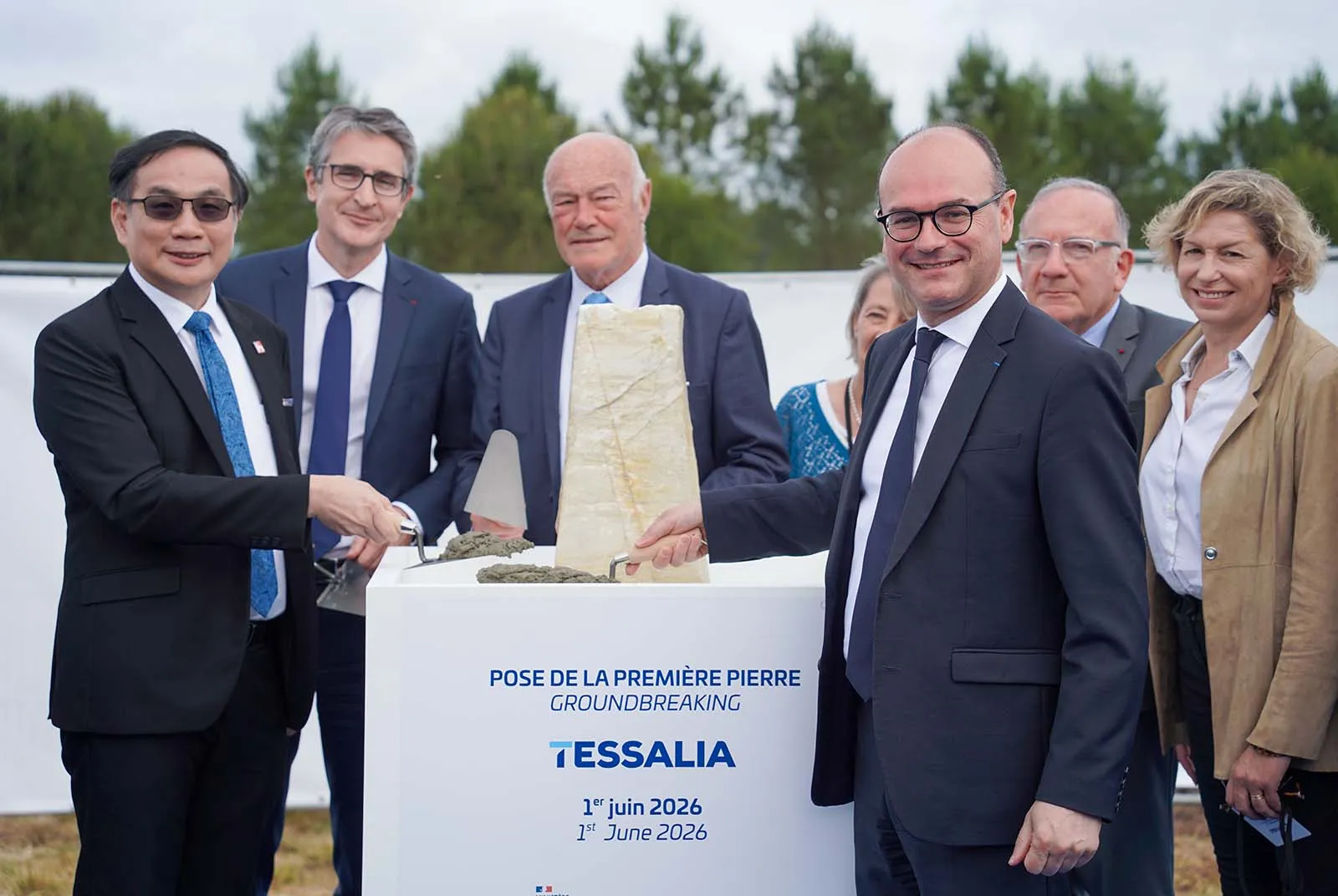
- Why France Chose Foxconn to Build Europe’s Most Advanced Packaging Plant
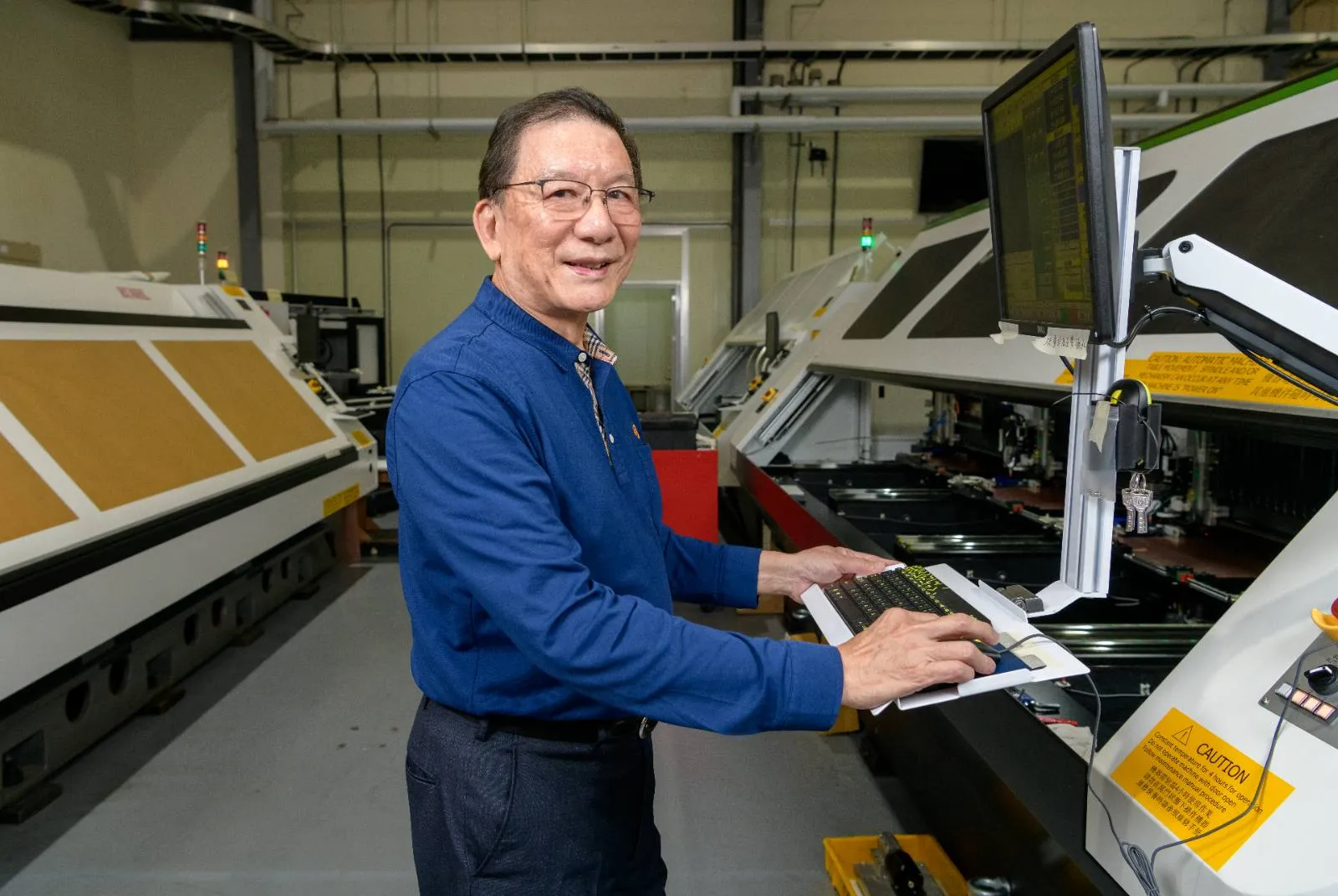
- How Machine Manufacturer Ta Liang Became a Hidden AI Champion
- Inside the AI Rack War: MediaTek and Foxconn Race Toward the Copper-to-Optics Era
Uploaded by Ian Huang
Views

Subscribe to CWE Newsletter (every Thursday)
Stay abreast of what's happening in Taiwan with our weekly digest.
Keywords: