Overleveraged: Is Taiwan's Soaring Stock Market a National Security Risk?

Source:AI-generated
Taiwan's stock market became the fifth-largest in the world in May, earning global attention. But with TSMC accounting for over 40 percent of total market capitalization and investors heavily leveraged, risks abound. Is Taiwan prepared for the potential consequences?
Views
Overleveraged: Is Taiwan's Soaring Stock Market a National Security Risk?
By Peihua Lu, Lisa Linweb only
At a weekly meeting of a large brokerage firm in May, a futures manager brought up a TSMC (Taiwan Semiconductor Manufacturing Co.) engineer who pledged NT$30 million of TSMC stock as collateral for a loan and then invested the proceeds in individual stock futures.
"That's leverage on top of leverage on top of more leverage," a manager with more than 30 years of experience warned a colleague, describing the TSMC engineer as a high-risk client.
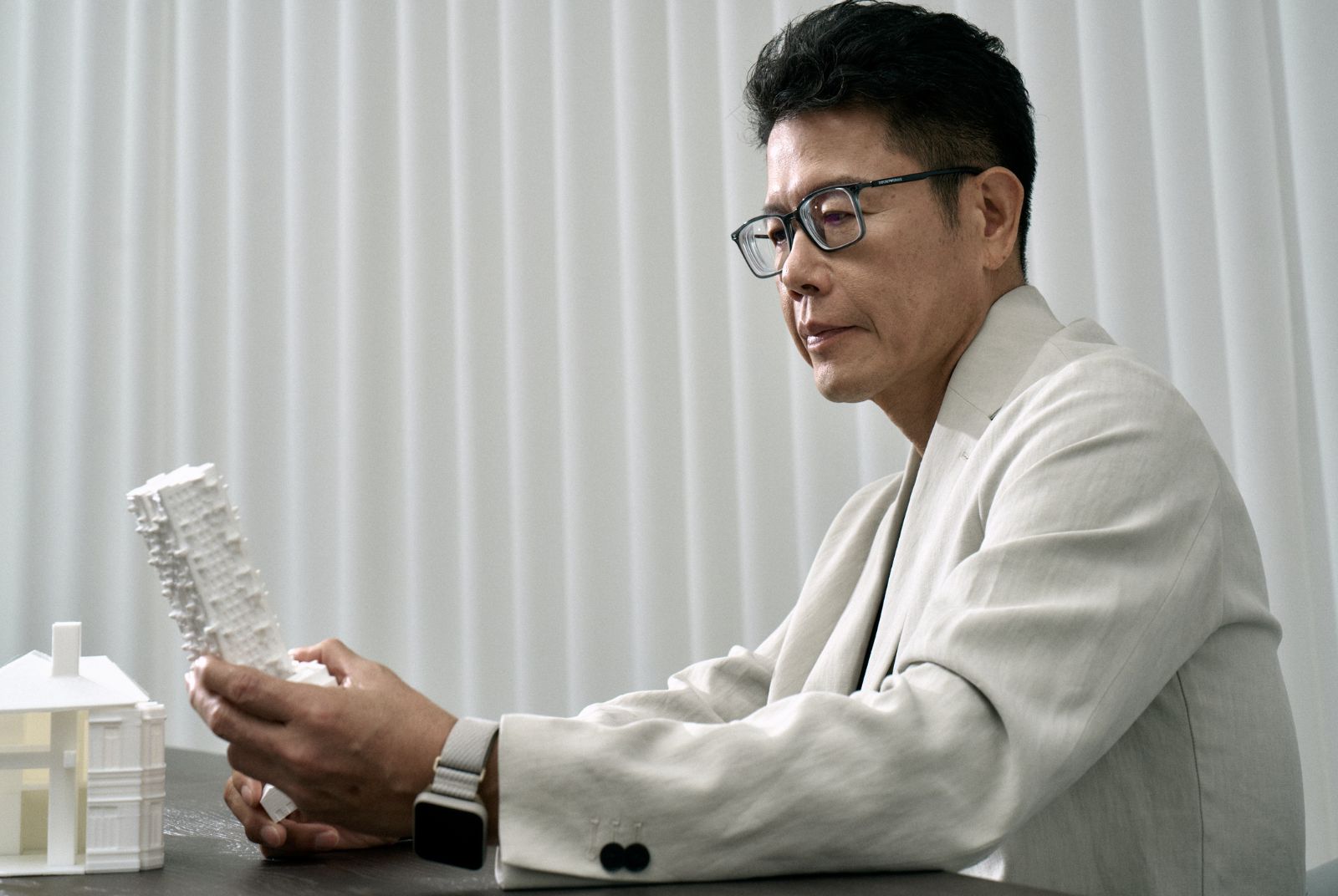
Robin K. Chou (周冠男), a finance professor at National Chengchi University, says a similar phenomenon is unfolding on his own campus.
He has heard students talking excitedly about making meal money from day-trading, and that some even believe that young people should rely on short-term trading to make their first pot of gold.
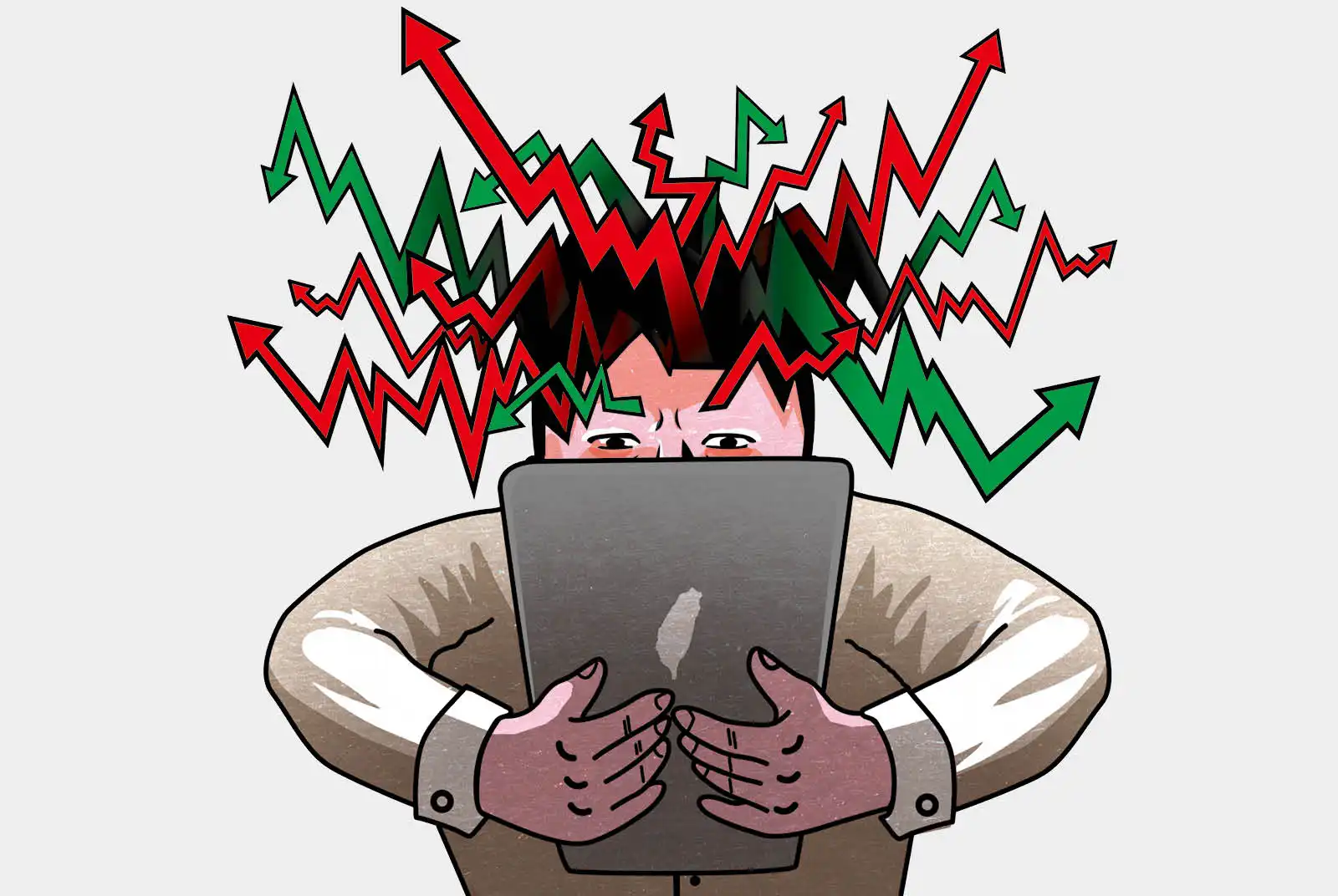 (Illustration: Lu Kuei-fang)
Chou repeatedly warns them that "day trading is a gamble," but the students respond that they will invest for the long term once they have made money.
Chou, who published a book on the virtue of long-term investing in mid-2024, cringes at that philosophy, citing studies showing that 99 percent of day-traders ultimately lose money. He has also seen brokerage firm data indicating that many young investors end up defaulting on stock settlements, sometimes over just a few thousand Taiwan dollars, making it hard for them to continue operating within the normal financial system.
This year, he has repeatedly warned publicly that retail investors' obsession with day-trading and leverage could lead to a national financial crisis.
Taiwan Market Soaring on AI Boom
The AI wave that has driven Taiwan's exports of AI chips and servers sharply higher has also catapulted its stock market capitalization above that of the French, British, Canadian and Indian markets to rank fifth in the world.
In late May, it also became the largest-weighted market in MSCI's Emerging Markets Index for the first time.
The boom has transformed the nature of Taiwan's market. Once characterized primarily by high dividend yields, it is now a growth market, with price-earnings ratios surpassing 30. At the same time, Morgan Stanley and other foreign institutions have not only poured more investment into Taiwan but also brought in more than 600 foreign institutional investors to Taiwan ahead of the Computex trade show in early June 2026 to look for investment opportunities in the AI supply chain.
"Now it's no capex, no gain," said Cathay United Bank chief economist Lin Chi-chao (林啟超), noting that in this era the market puts greater value on companies continuing to invest in capacity expansion rather than on whether they are diluting equity.
Prior to the COVID-19 outbreak, companies with US$10 billion in market capitalization ranked among the 20 biggest stocks in Taiwan, but now they might not even make the top 50. In just a few short years, companies such as Elite Material Co., Ltd. have hit market caps of NT$1 trillion (US$31.38 billion).
Yet behind the market boom lie four potentially major risks.
Soaring Market Brings Major Risks
Risk No. 1: Taiwan has the world's highest market concentration.
TSMC accounted for about 41.7 percent of the Taiwan stock market's capitalization as of June 26, 2026, exceeding the American Magnificent Seven's roughly 35-percent (as of May 2026) share of the S&P 500.
The concentration of funds is only bound to increase given the tendency of ETFs to allocate large portions of funds into heavily weighted stocks and the AI boom in which only large companies can maintain high capital expenditures.
The Financial Supervisory Commission may have exacerbated this concentration risk earlier this year when it increased the cap on the holdings of a single stock by mutual funds and actively managed ETFs from 10 percent of their portfolio to 25 percent.
A market insider worried that this will lead actively managed funds to chase after TSMC shares and passive ETFs to then increase their holdings based on new weightings, further throwing the market out of balance.
 AI industry giants showed up at Computex, boosting Taiwan's position in the supply chain and prompting international institutional investors to return and increase their stakes in Taiwan.
Risk No. 2: ETFs amplify both upward and downward trends.
Actively managed ETFs have grown rapidly, with the largest products' holdings heavily overlapping. Seeking better performance, fund managers keep buying those strong performers, which attracts copycat buying and creates self-perpetuating increases in the stock price. In three years, the number of stocks on Taiwan's market at NT$1,000 per share or above has risen to about 50.
As shareholdings become increasingly concentrated, however, negative news could trigger a sell-off by ETFs, sparking the dumping of shares by major and retail shareholders alike — a "balance of terror."
Risk No. 3: Non-tech industrial shares are marginalized.
As foreign institutional investors concentrate their investments in the AI supply chain, the valuations of non-tech industrial shares remain low and a large swath of companies struggle to raise funds in the market and must rely on bank loans instead or weigh the idea of listing overseas.
"When we're together, we joke that we'd be better off closing our factories and investing in 2330.TW [TSMC]," said a second-generation head of a factory in the old economy sector.
Risk No. 4: Massive leveraging by the public.
The amount of outstanding debt amassed to buy stocks on margin on the main exchange and over-the-counter market has reached an all-time high, with the amount of stock pledged as collateral exploding 23-fold over the past 10 years. Those trends, along with increases in borrowing on home equity and personal loans to play the market, have produced what some call a "four-loan household" — and a growing mountain of retail investor debt.
To meet this demand for funds, brokerage firms have increased their paid-in capital and issued debt, but one broker admitted that a growing number of young investors simply do not care about not settling their accounts, forcing brokers to chase them for payment on almost a daily basis.
This new wave of "Taiwan suddenly being flooded with money," previously seen in the late 1980s, stems from the competitiveness of Taiwan's AI sector. But it is also accompanied by many hidden concerns.
In bull markets, risk is often easy to overlook. The real test will come once the tide recedes and a bear market takes over. Will Taiwan be able to shoulder the costs that the current insatiable appetite for stocks has left behind?
Have you read?
- Day-trading in College: Portent of a Brewing Financial and National Security Crisis?
- The AI Boom’s Hidden Victim: Taiwan’s Fragile Insurance Sector
- AI Boom Drives Taiwan Growth to 15-Year High Amid Widening Wealth Gap
Translated by Luke Sabatier
Uploaded by Ian Huang
Views

Subscribe to CWE Newsletter (every Thursday)
Stay abreast of what's happening in Taiwan with our weekly digest.
Keywords: