Taiwan's MSScorps Opens First U.S. Lab to Serve AI Chipmakers
Source:Elaine Huang
Msscorps's proprietary wafer protection process has made it the go-to name in advanced node inspection. Now riding the wave of geopolitical opportunity through Taiwan-U.S. relay innovation, Chairman Chi-Lun Liu jokes he's content to be a "nominal chairman," standing behind his son, and has become a model for succession in the tech industry.
Views
Taiwan's MSScorps Opens First U.S. Lab to Serve AI Chipmakers
By Elaine I-yun Huangweb only
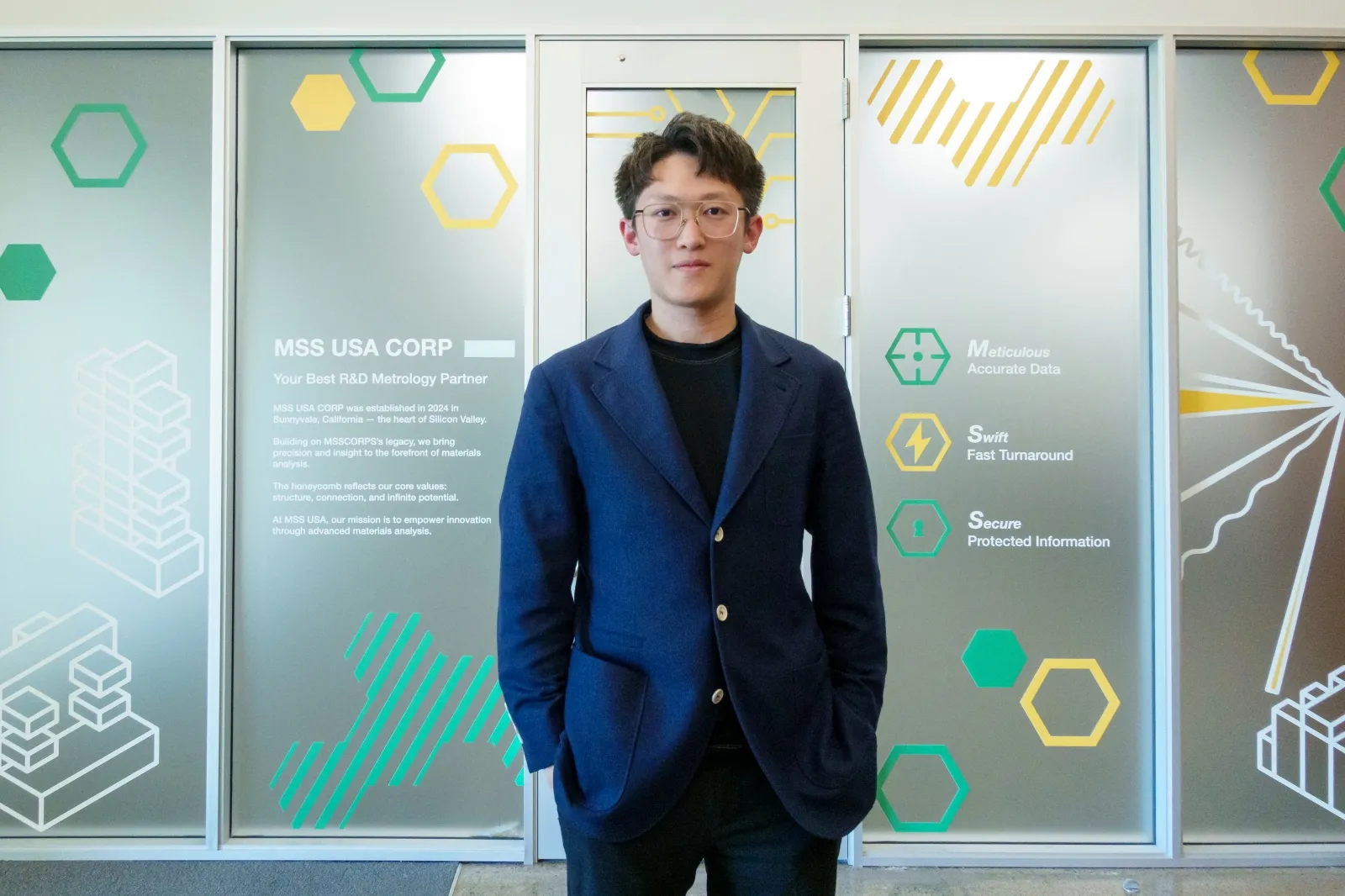
An unassuming office building in Sunnyvale, California, formerly a semiconductor lab for Siemens in the seventies, has come under new management. Last year, a Taiwanese name appeared on its wall: MSS USA.
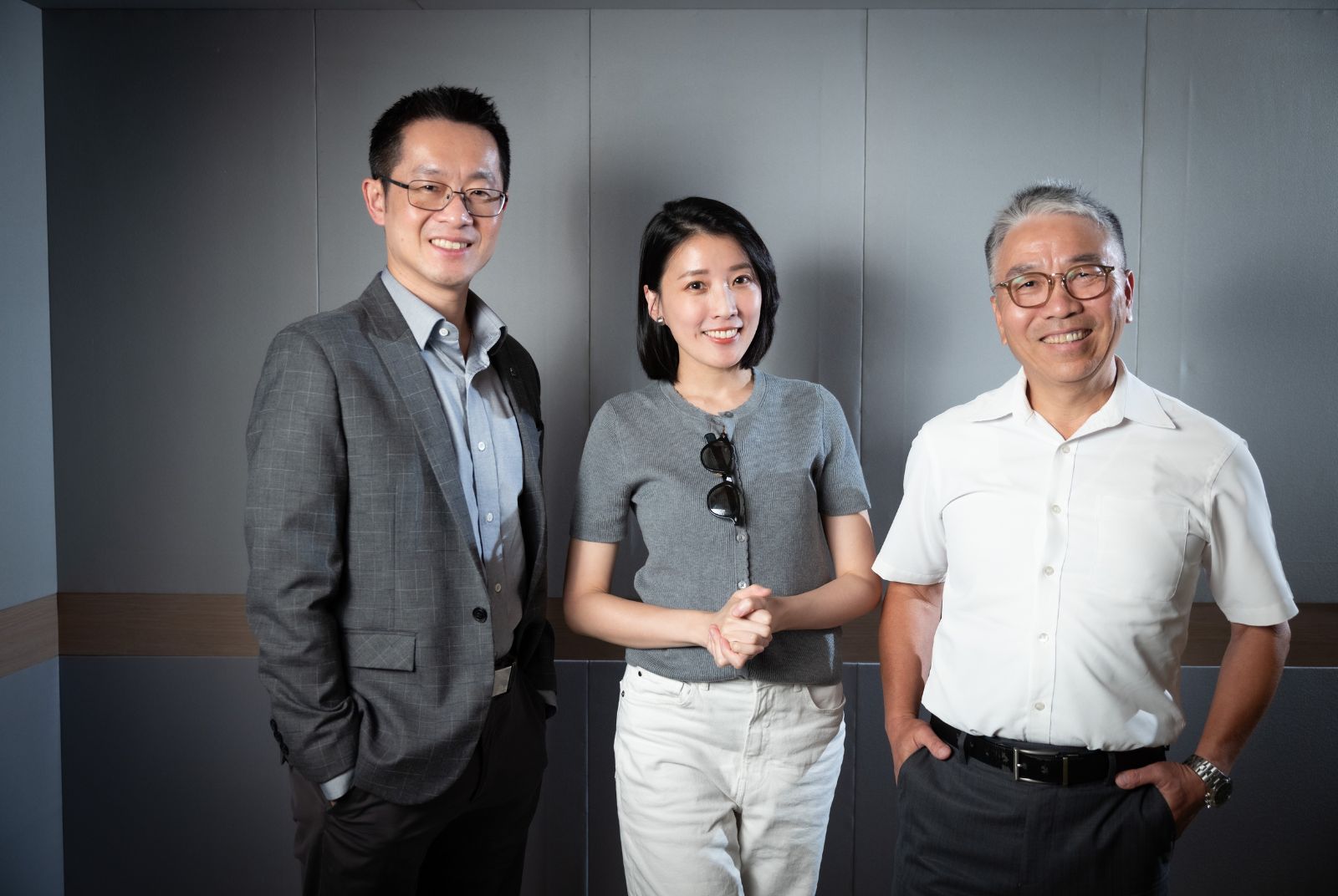
29-year-old Gene Liu (柳淳浩) is chief strategy officer at MSScorps and CEO of MSS USA. His credentials: a bachelor's degree from the Department of Materials Science and Engineering at Tsing Hua University, a master's degree from the Applied Physics Department at Stanford, expert knowledge of materials science, and experience founding a company in Silicon Valley. Under his guidance, MSScorps—one of Taiwan's top three semiconductor material analysis companies, with a revenue of NT$2.1 billion—has become the first to set up shop stateside. His father, MSScorps chairman Chi-Lun Liu (柳紀綸), jokes, "I wouldn't have dared to expand into the U.S. without Gene's approval."
Industry Leadership Established Through Proprietary Know-how
With 21 years of history, MSScorps was Taiwan's first semiconductor material analysis company to go public. Founder Chi-Lun Liu has 17 years of experience in IC design. From the beginning, he developed a unique method of protecting the chip samples so that even the most fragile advanced manufacturing materials could survive the analysis process.
Liu uses gourmet food as an analogy: all chefs use the same sets of tools, but craftsmanship depends on the way the tools are handled. "Our clients' R&D sends us all their softest materials," he says with pride. A manager at a non-Taiwanese semiconductor equipment manufacturer points out that MSScorps has the patent on low-temperature atomic layer deposition (LT-ALD), which means their position in the industry is irreplaceable.
As advanced manufacturing approaches the realm of the angstrom (one-tenth of a nanometer), tier-one AI companies are concentrating their resources in Silicon Valley. It is no longer enough to service them from Taiwan. The competitive supplier has no choice but to go to America.
Heir Apparent Assembles U.S. Team to Service Clients Round-the-clock
In his university days, Gene Liu volunteered to work at different posts on the assembly line during his summer vacations. He is close to the Taiwanese staff and has assembled his American team from scratch.
He adopted the Bay Area startup mentality and deliberately chose the site in Sunnyvale to be closer to R&D clusters. He led seven rounds of negotiations and bought the former Siemens lab, which has the power capacity of six conventional plants, for $7.3 million. The elder Liu calls it a "good deal."
Having facilities in both Taiwan and the United States has led to a breakthrough in customer service. "Sending samples back to Taiwan is unfeasible," says the younger Liu about clients who ask for 24-hour or 36-hour turnaround times. Now, the Taiwan office can pick up from where the U.S. office left off at the end of a workday. The American facility is also the testing ground for new processes that can be transferred back to Taiwan once the technology has matured, creating a cycle of innovation.
Father-son Team Ushers in New Era for Company
Of course, a globe-spanning collaborative effort has its own challenges. Gene favors Silicon Valley's startup mindset and admits to some disagreements with his father. He's striven to convince the elder Liu that traditional top-down management might not work in an international corporation. Gene has also set up an internal efficiency improvement task force and facilitated direct exchanges between American and Taiwanese engineers, so that positive change could pervade the company from the bottom up.
Communication and mutual respect between the two generations form the tenacious core that is driving forward progress at MSScorps.
Have you read?
- The TSMC-Intel Defection Drama Exposes Taiwan’s Dangerous Non-Compete Trap
- The AI Boom’s Hidden Victim: Taiwan’s Fragile Insurance Sector
- America’s Threat to Taiwan
Translated by Jack Chou
Uploaded by Ian Huang
Views

Subscribe to CWE Newsletter (every Thursday)
Stay abreast of what's happening in Taiwan with our weekly digest.
Keywords: