Why Nvidia's Push for 800VDC Could Revive an Industry TSMC Walked Away From
Source:TechTaiwan
Nvidia's push for an 800VDC power architecture in AI data centers is breathing new life into companies that were hemorrhaging losses just months ago. But if these same devices couldn't survive the EV shakeout on their own, is this a genuine industrial revival—or just a temporary reprieve?
Views
Why Nvidia's Push for 800VDC Could Revive an Industry TSMC Walked Away From
By Liang-rong Chenweb only
Around this time last year, this newsletter examined the dire state of the power semiconductor industry—including silicon carbide and gallium nitride—through the lens of U.S. market leader Wolfspeed’s impending bankruptcy.
One year later, Wolfspeed has staged a remarkable comeback.
The company completed its restructuring in just three months and emerged from bankruptcy protection. Its share price has climbed from just over US$1 at its lowest point to more than US$40 today.
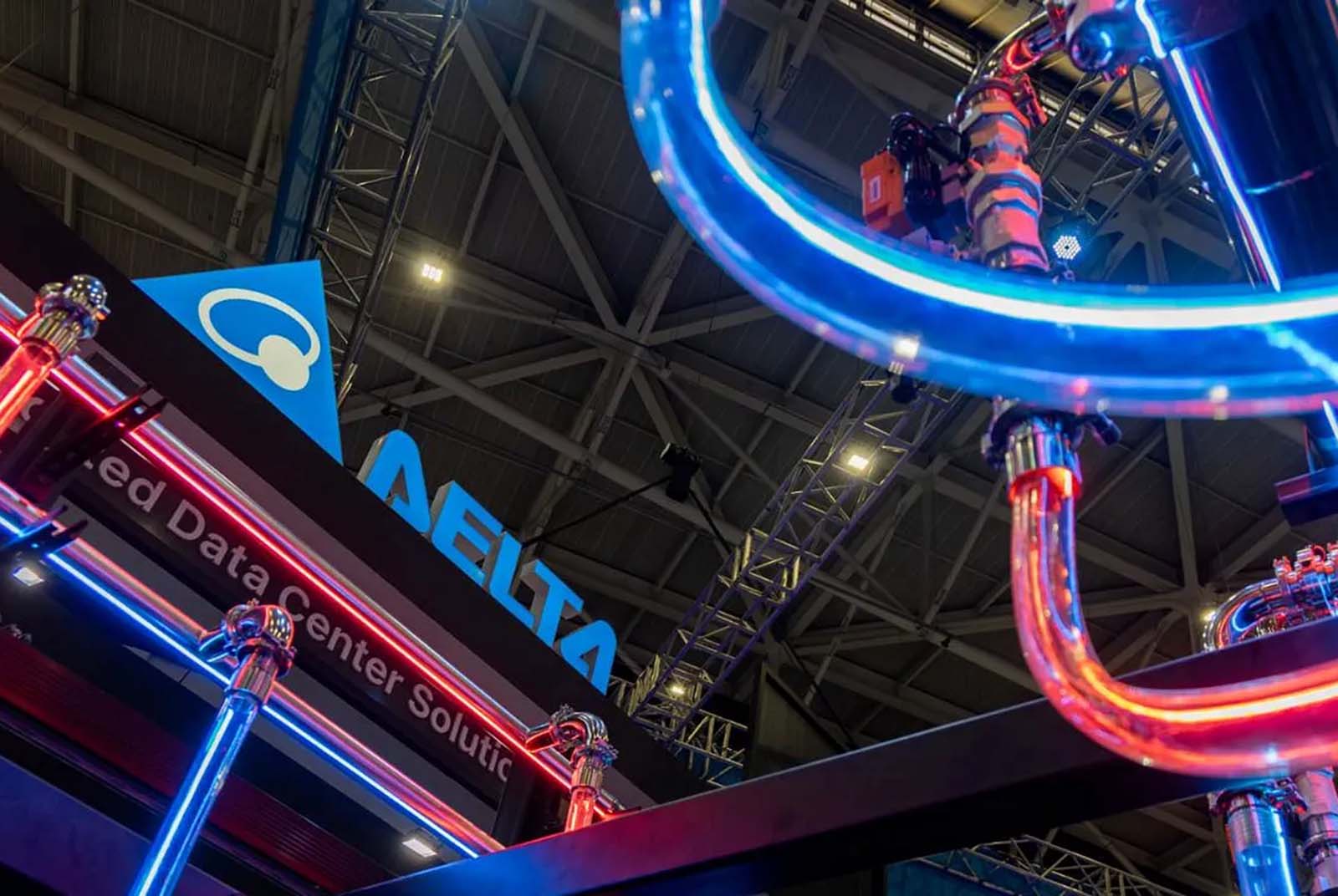
The reason behind its rapid recovery is closely tied to Delta Electronics’(台達電) secret weapon—solid-state transformers—which I discussed in the previous issue of this newsletter.
The technology originated from a U.S. Department of Energy-funded R&D program at Delta’s U.S. subsidiary. It is a revolutionary approach that replaces traditional transformer windings with power semiconductors.
According to information released by the U.S. Department of Energy, the industrial-grade silicon carbide power devices used in the project were supplied by Cree, the former name of Wolfspeed.
These are the most advanced high-voltage power devices currently available. They were originally developed for 400kW ultra-fast EV charging stations. Now, after being redesigned, they are perfectly positioned to capitalize on the coming 800VDC power revolution for AI data centers.
That is the dramatic transformation that has taken place over the past year.
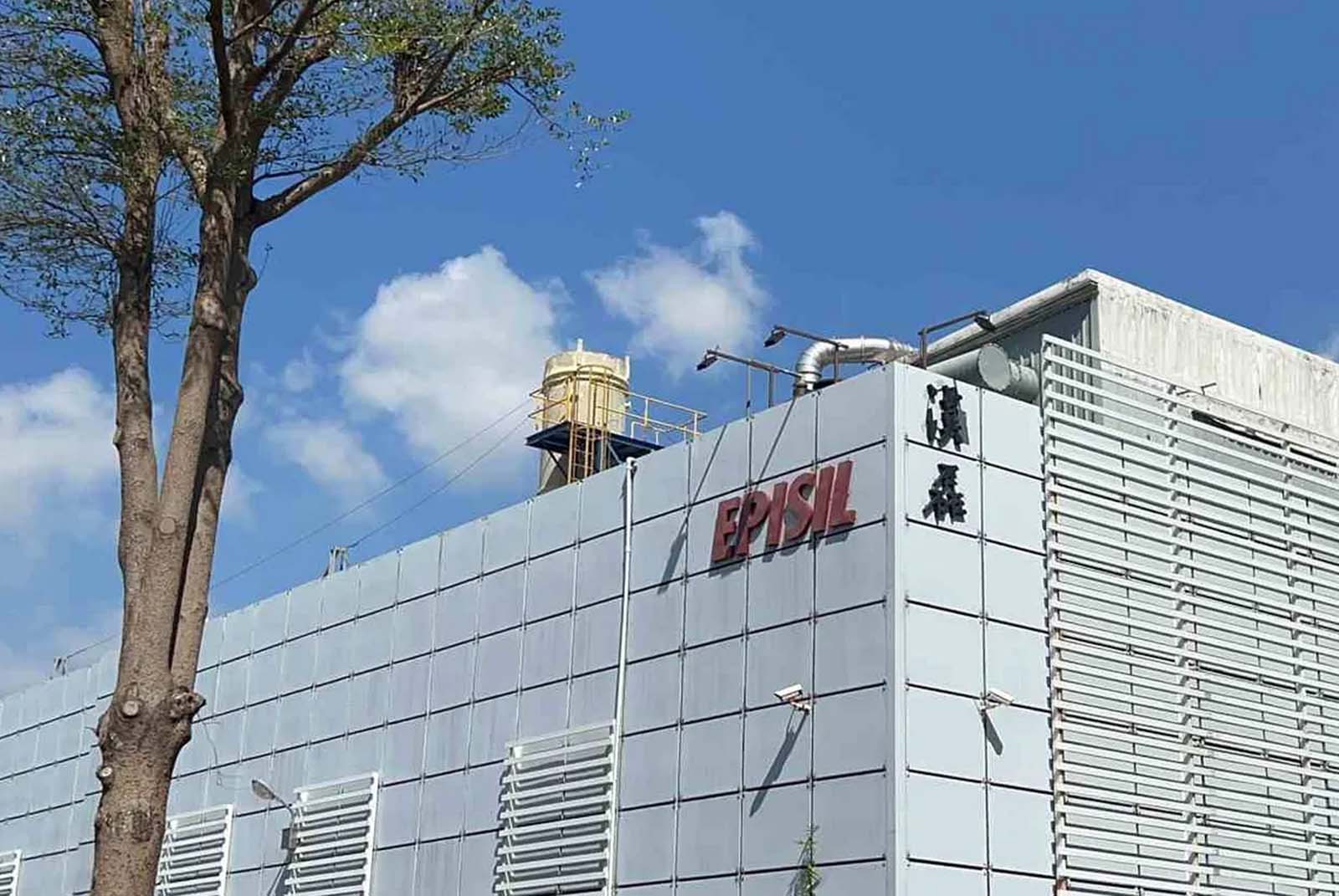
Companies including Wolfspeed, Japan’s Rohm(羅姆), Taiwan’s Episil(漢磊), and China’s SICC(天岳先進) continue to struggle with losses caused by the slowdown in the electric vehicle market.
Yet thanks to Nvidia’s push for an 800VDC power architecture in AI data centers—which is expected to utilize many power devices originally developed for electric vehicles—the share prices of these companies have all surged over the past year.
“I believe power devices will eventually face severe shortages because of AI-driven growth,” Episil Chairman J. H. Shyu(徐建華) told me.
Episil has partnered with Vanguard International Semiconductor(世界先進), a TSMC subsidiary, to convert an aging 8-inch silicon wafer fab into a silicon carbide foundry. Production is scheduled to begin in the second half of this year, making it the world’s only dedicated 8-inch silicon carbide foundry line.
Silicon carbide has long been regarded as the dream material for power devices because it can withstand high voltages and high temperatures. However, its manufacturing process is extremely challenging and expensive, limiting it to niche applications for years.
It was not until 2019, when Tesla first adopted silicon carbide in the inverter of the Model 3 to reduce vehicle weight and significantly improve power efficiency, that the material began gaining widespread adoption in premium electric vehicles.
Third-Generation Semiconductors Sink Into Losses as the EV Slowdown Triggers a Silicon Carbide Winter
Backed by government support for “third-generation semiconductors,” China also launched an aggressive wave of capacity expansion for silicon carbide substrates and wafer production.
But the unexpectedly rapid slowdown in the global EV market has pushed the silicon carbide industry into a deep downturn.
For 6-inch substrates—the segment that attracted the largest number of Chinese manufacturers—prices have fallen below US$400 per wafer, dropping beneath the cash production costs of most suppliers.
As a result, even SICC, the world’s largest silicon carbide substrate manufacturer, managed only a modest profit in 2024 before posting a loss of RMB208 million in 2025, wiping out all of its previous year’s earnings. Its losses continued to widen in the first quarter of this year.
“This downturn has frightened everyone,” Shyu said. “People realized the outlook for third-generation semiconductors wasn’t as promising as expected.”
Even TSMC Has Walked Away. Does the Power Semiconductor Industry Still Have a Future?
Another blow to industry confidence came when even TSMC decided to exit the business.
Perhaps the best-known gallium nitride product on the market is Apple’s compact fast charger, whose GaN power chip is designed by Navitas and manufactured by TSMC.
Last year, however, TSMC informed customers that it would completely exit the GaN foundry business in July 2027. The company also plans to convert Fab 5, which currently supports the process, into an advanced packaging facility.
The move immediately fueled market skepticism. If even TSMC is getting out, does that mean the future of power semiconductors is no longer bright?
(To read this exclusive story in full, visit the Tech Taiwan Substack)
Have you read?
- Taiwan's MSScorps Opens First U.S. Lab to Serve AI Chipmakers
- The TSMC-Intel Defection Drama Exposes Taiwan’s Dangerous Non-Compete Trap
- The AI Boom’s Hidden Victim: Taiwan’s Fragile Insurance Sector
Uploaded by Ian Huang
Views

Subscribe to CWE Newsletter (every Thursday)
Stay abreast of what's happening in Taiwan with our weekly digest.
Keywords: