From operating rooms to humanoid robots, SINBON powers the core of global innovation
SINBON Electronics Masters Global Expansion Through People-Centered Management
Source:SINBON Electronics
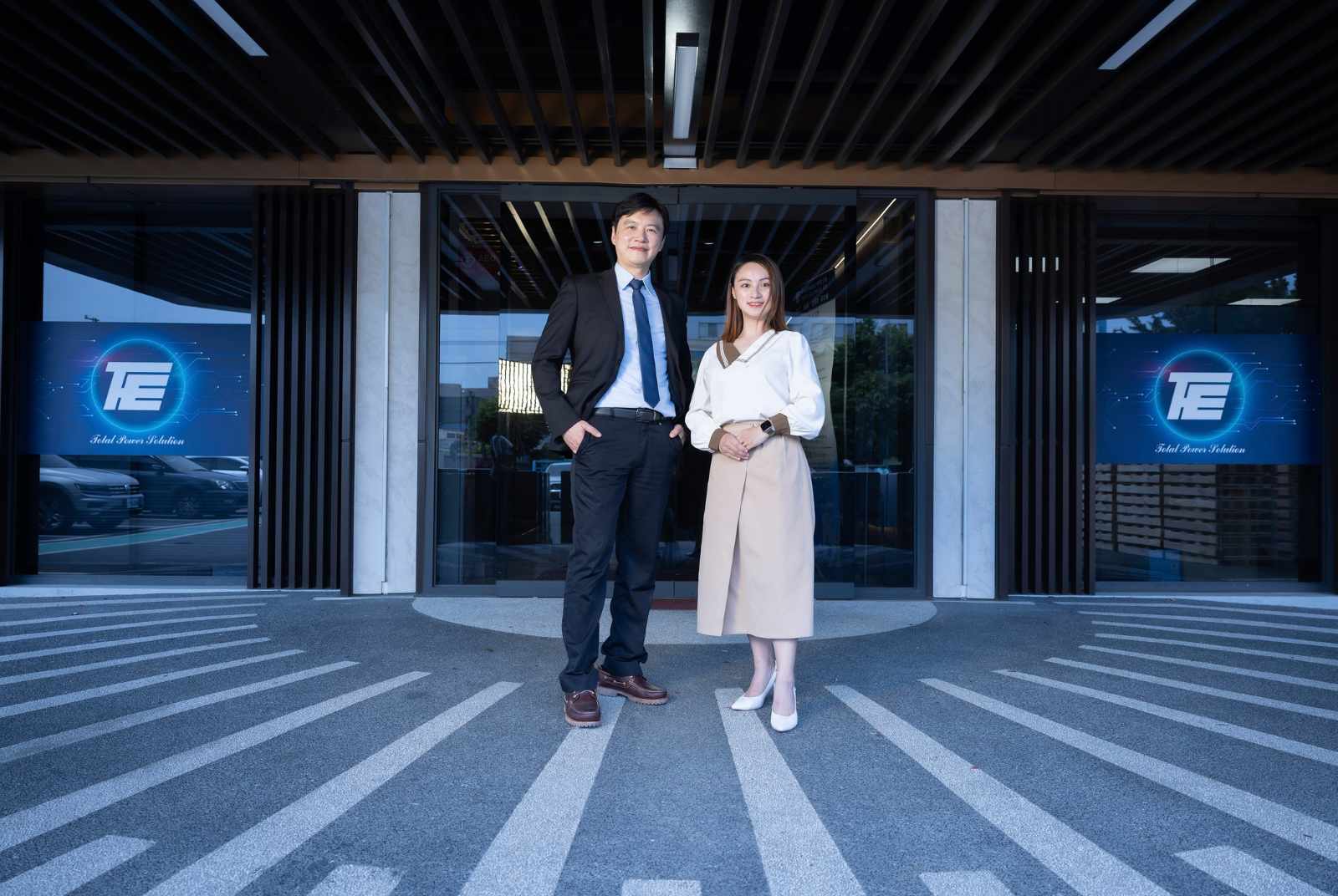
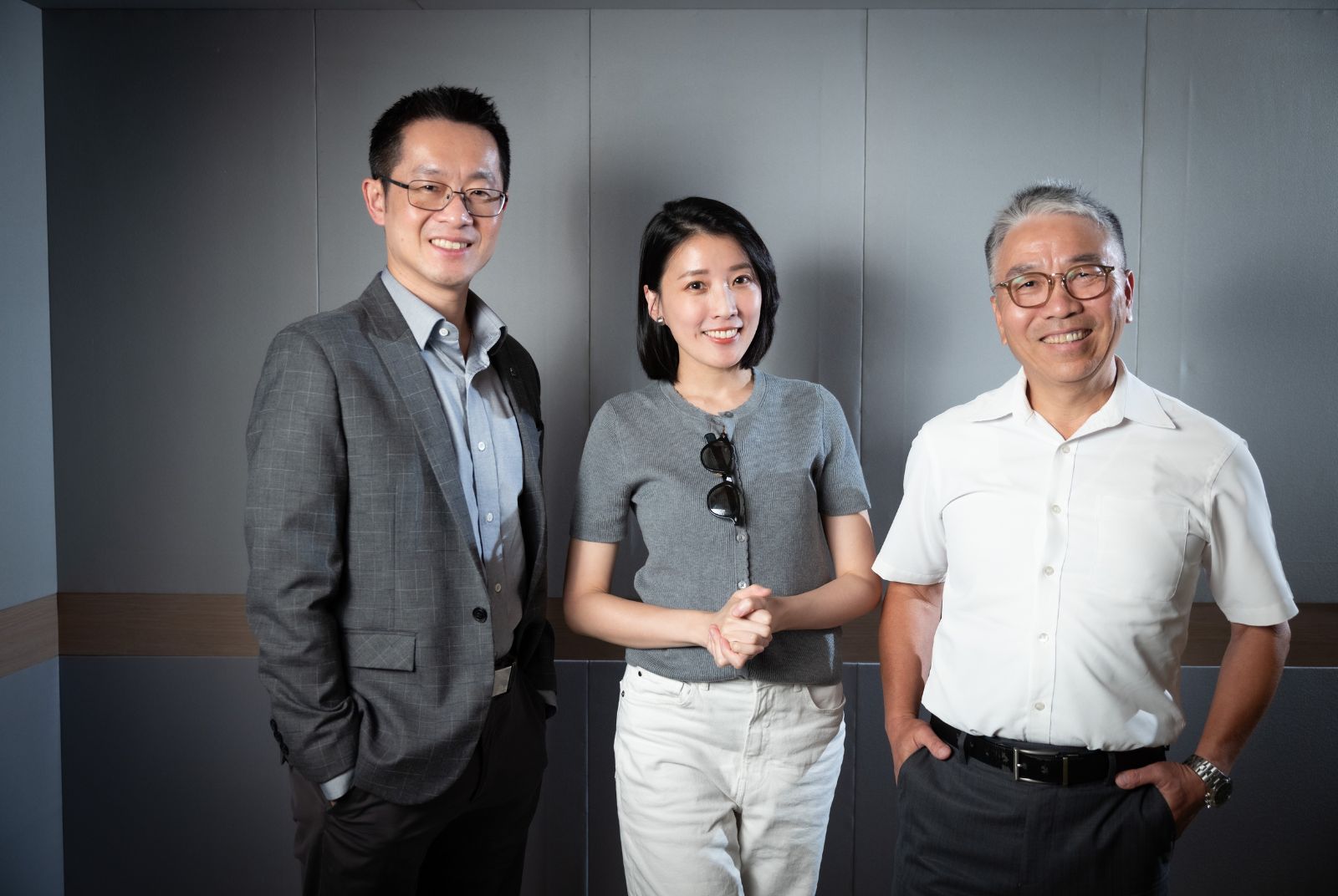
"Keep your friends close, and your customers even closer." Amid the surging need for computing power and demand for localized manufacturing, SINBON Electronics is establishing a presence in the global markets it serves. Katie Chang (center), host of CommonWealth Magazine's podcast "Seeking Taiwan's Champions" (尋找台灣隊的故事), speaks with SINBON Electronics President Mite Liarng (right) and SINBON USA General Manager Charles Wang (left) to explore the company's people-centered philosophy of multinational management. They discuss how SINBON bridges cross-cultural differences in communication style through a hybrid management approach and how it is elevating ordinary cables into key pieces of high-tech infrastructure.
Views
SINBON Electronics Masters Global Expansion Through People-Centered Management
By SINBON ElectronicsSponsored Content
By putting customers first and adapting flexibly to cross-cultural challenges, SINBON Electronics exemplifies the Taiwanese spirit. Mite Liarng, President of SINBON Electronics, and Charles Wang, General Manager of SINBON USA, have shown that globalization does not mean compromising one's values. Rather, it is about applying empathetic, people-centered management to extend the reach of Taiwanese companies around the world.
Whether in a hospital operating room or an EV, inside an advanced AI server or a humanoid robot, you are likely to find SINBON's custom cables and connectors forming the critical links that let everything function.
Founded in 1989, SINBON may not enjoy the high profile of consumer technology giants, but it has elevated a seemingly ordinary component into a key piece of critical infrastructure. Today, the company has business offices in Taiwan, China, Europe, and the US, with more than 30 service locations worldwide. Its remarkable journey is guided by a simple principle, according to Liarng: "Our chairman's motto is, 'The customer is king."
The biggest challenge of going global is people
A decade ago, SINBON's European business customers were relatively conservative in their approach. Their engineers preferred to oversee product prototyping and development locally rather than outsource production to Asia. In response, SINBON made its first move into Europe by partnering with a local company to establish a factory in Hungary.
Later, prompted by Donald Trump's "Make America Great Again" agenda, American customers began requiring supply chain partners to provide not only local prototyping but also mass-production capabilities in North America. Undeterred by the region's higher labor costs, SINBON moved forward with expansion plans, acquiring land for a factory in Mexico two years ago. The facility officially opened in August of last year, completing a critical piece of the company's North American manufacturing network.
For Taiwanese companies expanding overseas, the greatest challenge is often managing people and navigating cultural differences. Looking back, in 2000 SINBON broke ground on its Jiangyin plant in China, which remains the company's largest production base today. At the time, Taiwan's economy was thriving, and it was difficult to recruit top talent willing to relocate to China for work.
Liarng personally led a team of Taiwanese managers to Jiangyin. Faced with newly hired employees who were recent graduates with no manufacturing experience, many managers initially struggled to adapt. They found themselves teaching even the most basic concepts from the ground up, and the training challenges proved far greater than they had anticipated.
To overcome these difficulties, SINBON adopted a merit-based approach that focused on people's abilities and potential. Within just three years, the company took the bold step of transferring full operational responsibility to local employees. Many who were just beginning their careers at the time have now spent more than two decades with SINBON. After working their way up from the factory floor to senior management, they have become accomplished leaders and a mainstay of SINBON's operations in China.
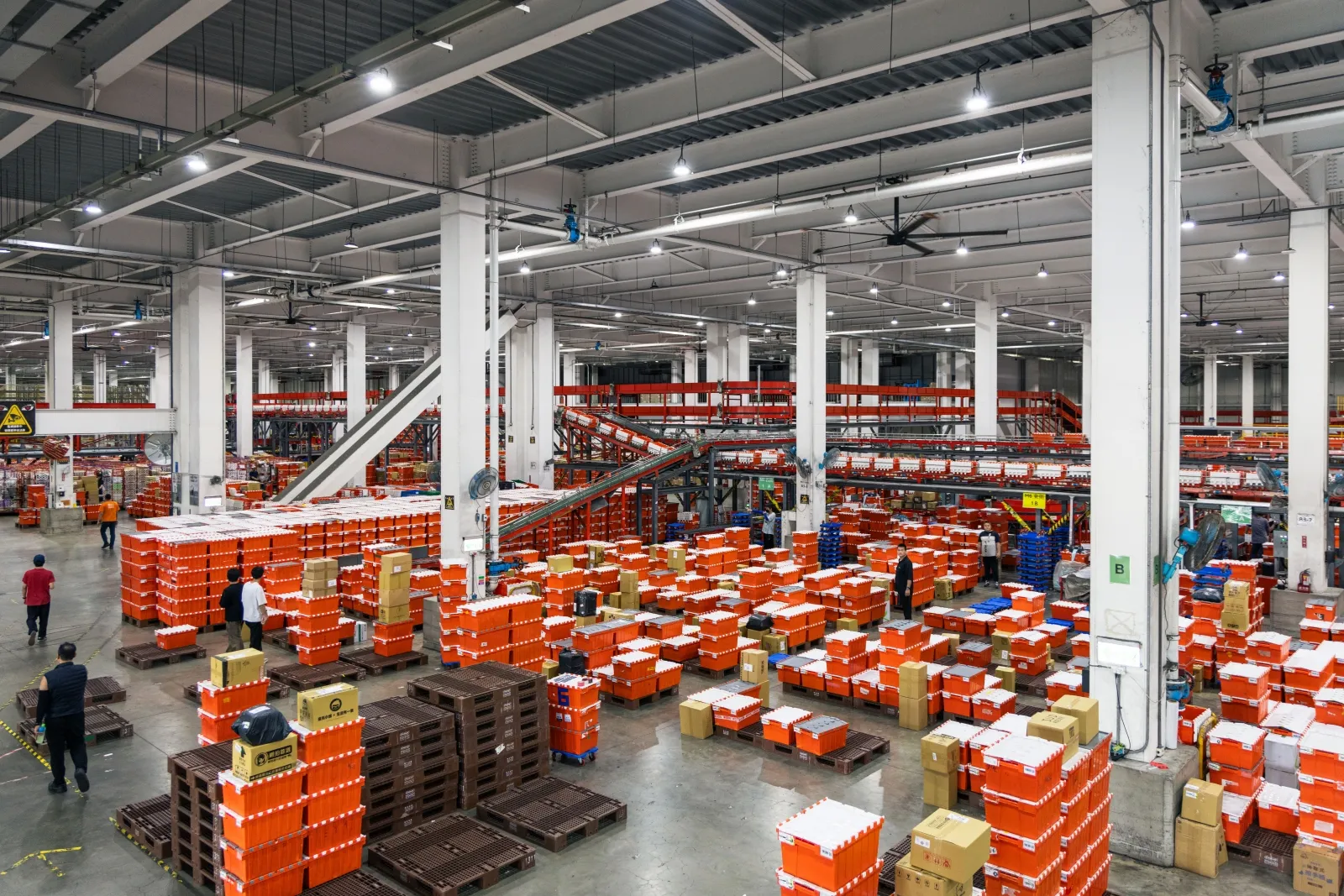
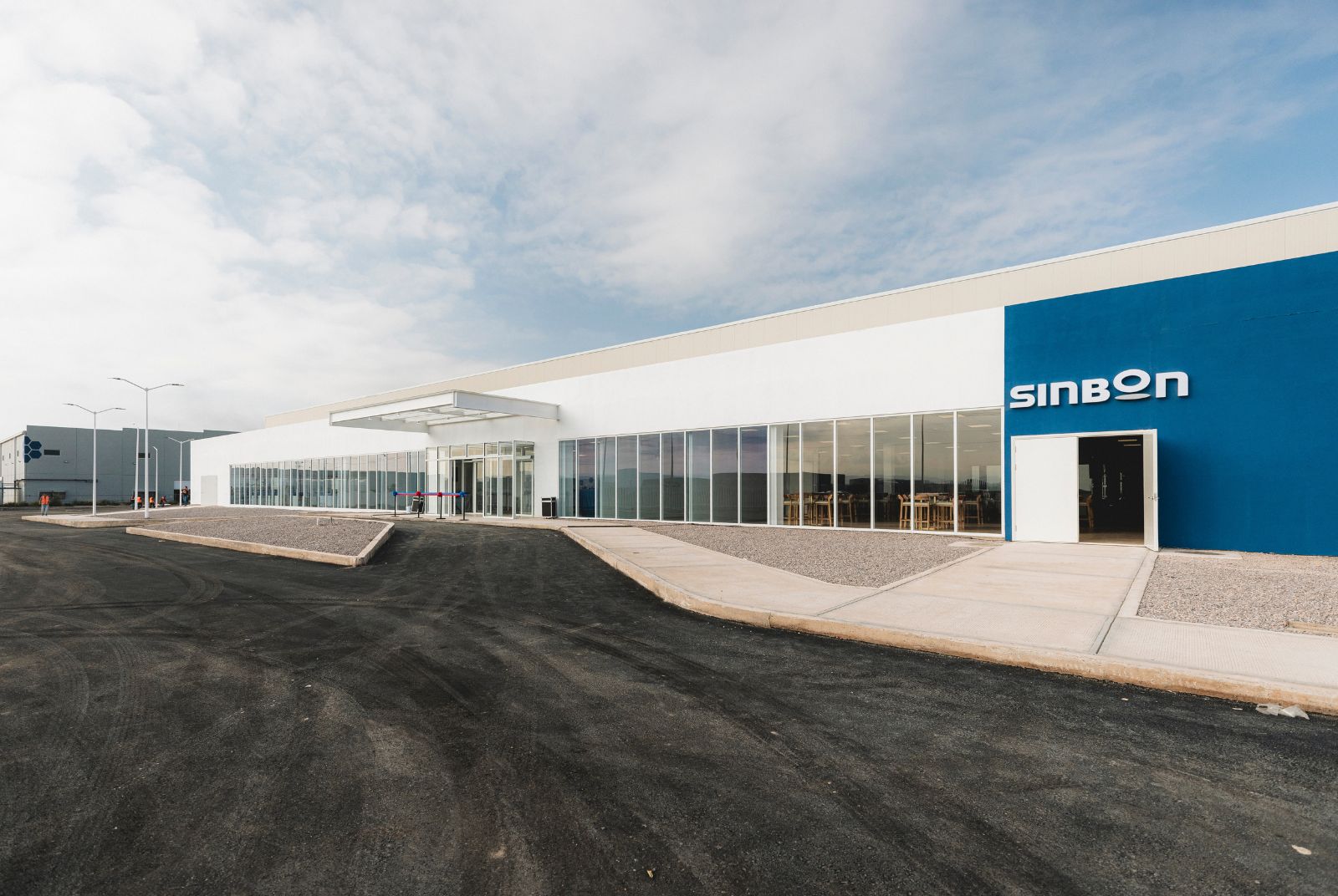 SINBON Electronics continues to expand its international footprint. Its spacious, modern facility in Mexico serves as a stable foundation of global capacity as operations scale up to support the company's return to double-digit growth.
A hybrid approach to management in an American workplace
While the challenge in China was managing the rapid development of local talent, the United States presented SINBON with very different challenges in workplace culture and communication style.
Working on the front lines of the company's US operations, Wang experienced American workplace culture firsthand. In American offices, challenging authority is often viewed as a normal part of professional discourse, and employees who disagree with a manager or colleague may want or even be expected to voice their opinions openly.
This communication style, which encourages candid discussion and the exchange of differing viewpoints, can be surprising to newly arrived Asian colleagues, who may interpret such interactions as confrontational or as causing a loss of face. Building consensus requires managers to engage patiently in ongoing discussions across departments. "The communication overhead of getting things done in the US is two or three times what it is in Asia," Wang notes.
Rather than using his authority to try to suppress or reshape this feature of local culture, however, Wang chose to bridge differences. He arranged for expatriate Taiwanese engineers to report directly to American managers, helping them adapt to the more direct communication style through day-to-day collaboration and constructive debate. At the same time, the American managers came to appreciate the strengths of Asian manufacturing practices, particularly their emphasis on discipline, process control, and systematic execution. Through this interplay of cultures, SINBON developed a distinctive hybrid management model for its operations in the US.
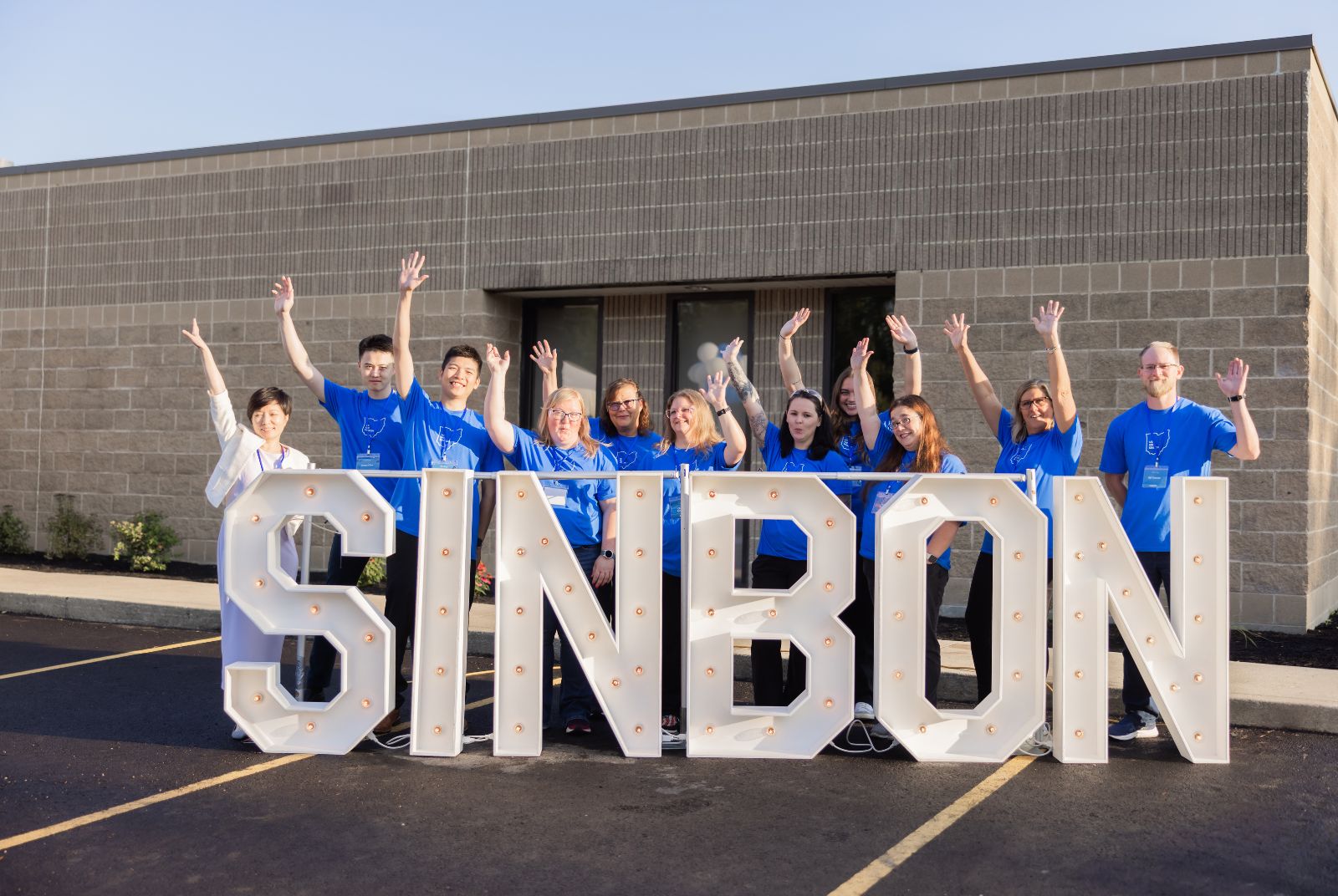 To serve the American market, SINBON Electronics has empowered local teams to identify latent customer pain points, then resolve them by drawing on Taiwan's technological agility and American service capabilities.
SINBON embraces AI as it looks to the future
Looking ahead to the next decade, SINBON views the seismic changes driven by AI not with anxiety, but with ambition.
Liarng candidly acknowledges that because the company was slow to capitalize on the earliest stages of the AI boom, revenue declined slightly last year. Rather than downplaying the setback, SINBON chose to embrace the technology productively, enrolling members of its management team in training programs to learn how AI could optimize internal processes. Today, the company believes it is well positioned to return to double-digit annual growth.
For Taiwan's potential champions standing at a crossroads but hesitant to expand internationally, Liarng cites Confucius—junzi bu qi (君子不器, "an accomplished person is not limited to a single capability")—as an encouragement to move beyond self-imposed limitations. "Taiwanese people are not deterred by hard work or difficult challenges. If we have the courage to venture out into the world, we will succeed," he says. As for Wang, he humorously rephrases a famous line from The Godfather Part II: "Keep your friends close, and your customers even closer," underscoring SINBON's strategy of establishing a presence in major markets.
Over more than three decades, SINBON has demonstrated that globalization does not require compromising the values that make it a distinctively Taiwanese success story. Instead, it means carrying SINBON's exacting standards, empathetic management, and resilient spirit to every corner of the world.
Views

Subscribe to CWE Newsletter (every Thursday)
Stay abreast of what's happening in Taiwan with our weekly digest.
Keywords: