TSMC’s $100B Arizona Expansion Triggers Massive Supply Chain Shift to the US
Source:Kuan Hsieh
As the semiconductor giant commits to an unprecedented $265 billion total U.S. investment, its Taiwanese material and equipment partners, as well as Nvidia’s suppliers—including Foxconn, Quanta, and Wistron—prepare to accelerate their own American footprint despite near-term margin concerns.
Views
TSMC’s $100B Arizona Expansion Triggers Massive Supply Chain Shift to the US
By Judy Linweb only
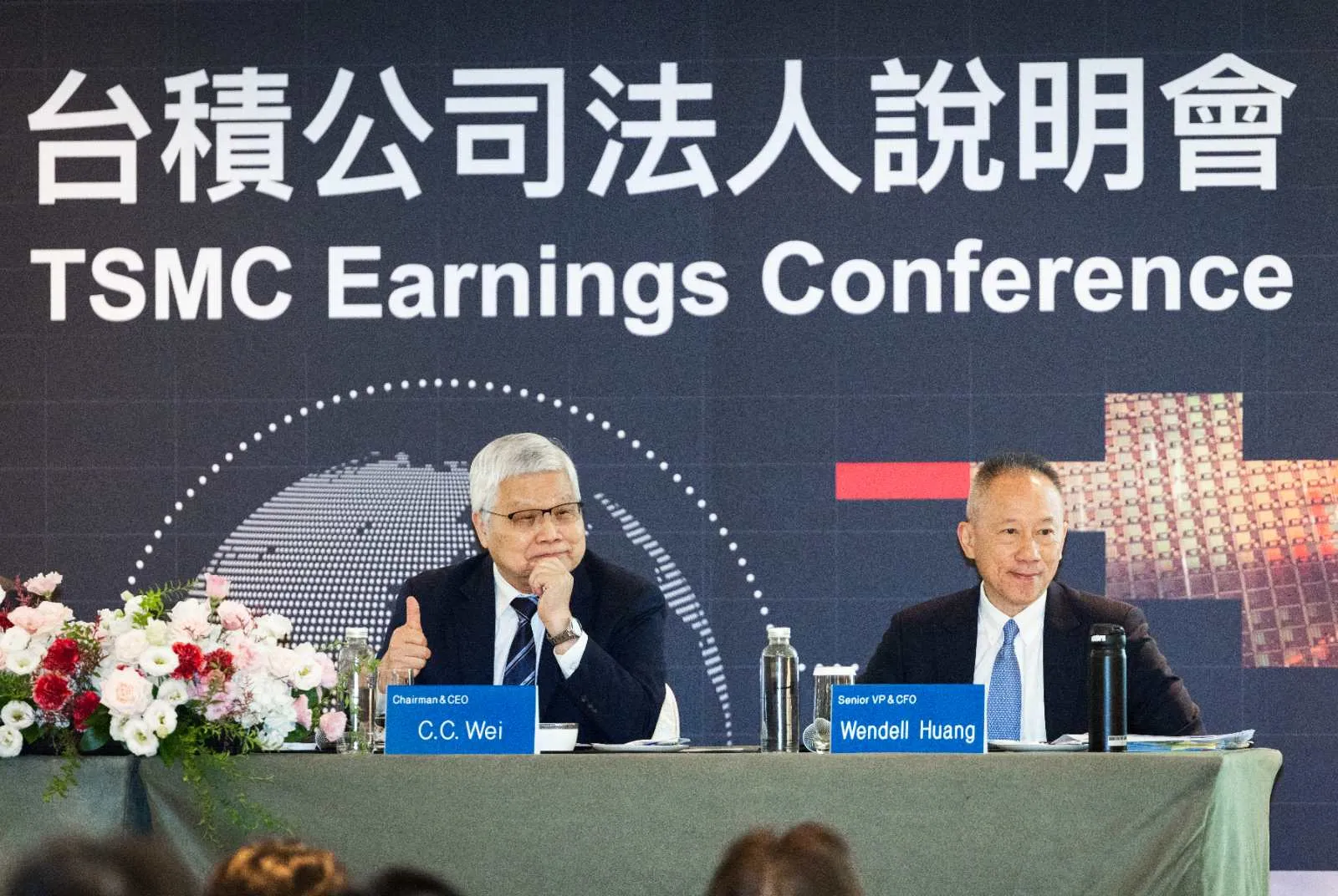
Taiwan Semiconductor Manufacturing Company (TSMC) has fundamentally redrawn the geopolitical and operational map of the global technology sector. Following its blockbuster Q2 earnings report, TSMC Chairman and CEO C.C. Wei announced an additional $100 billion investment in its Phoenix, Arizona campus. This brings the company’s total planned U.S. commitment to an unprecedented $265 billion.
While a short-term Wall Street tech correction triggered a temporary 7.3% drop in TSMC's share price in Taipei on Friday, industry leaders are looking far past the market noise. The real headline is a structural, long-term reshuffling of the world's AI hardware ecosystem.
The Arizona Shockwave: Surprising the Market
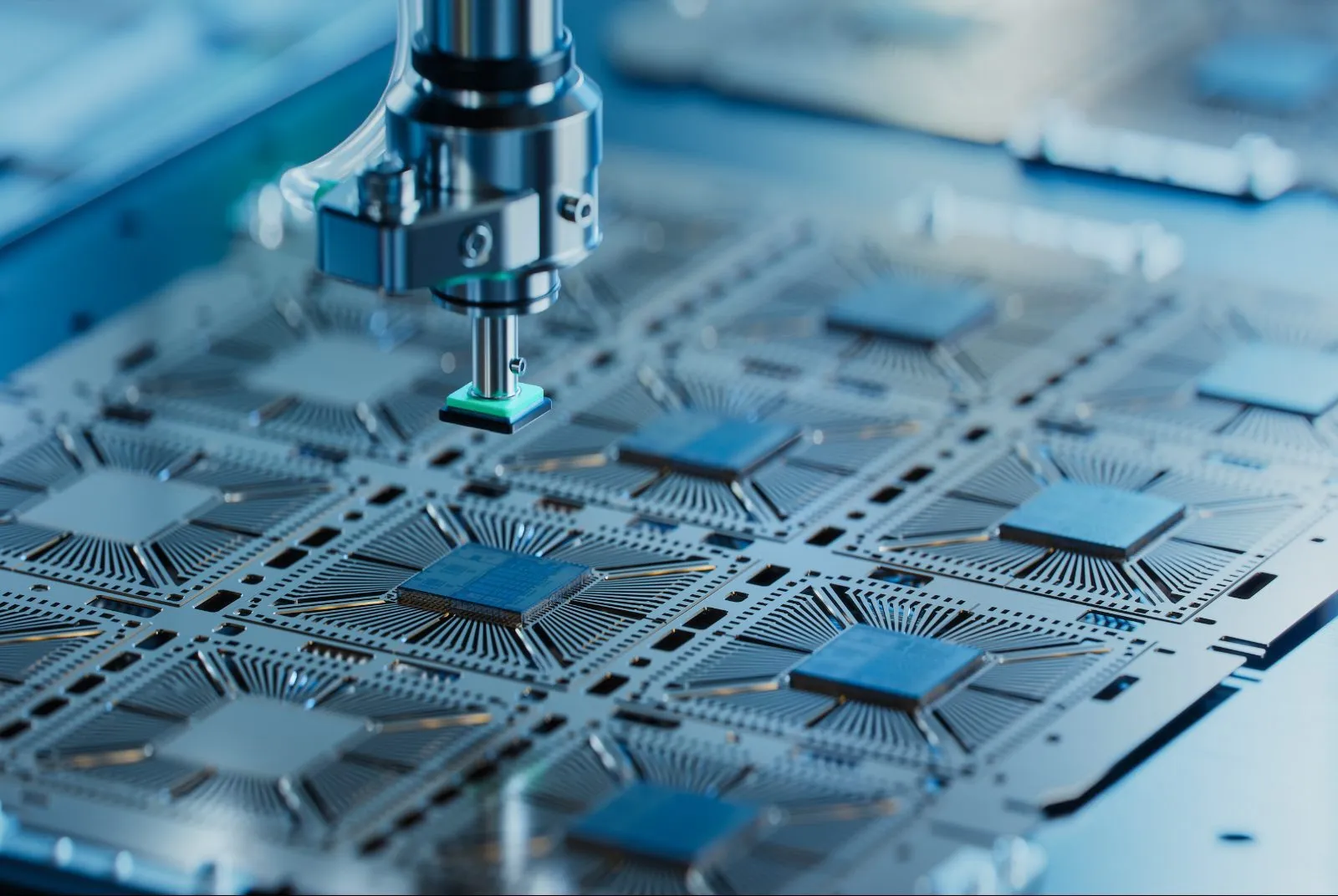
The sheer scale of the new commitment caught many by surprise. On top of its previous expansion plans, TSMC’s new $100 billion injection will build at least four additional advanced fabrication facilities (fabs)—bringing its planned U.S. footprint to a total of 12 facilities. These fabs will be dedicated to producing bleeding-edge 2-nanometer (2nm) and below silicon, alongside vital advanced packaging facilities (like CoWoS).
However, localizing the world's most complex manufacturing process on U.S. soil comes with a steep price tag.
"The sharp increase in this year's capital expenditure and the additional US$100 billion to be invested in Arizona was a surprise to many analysts," observed Nobunaga Chai, senior industry analyst and deputy managing director of Cloud Express' Institute of Political Economy and Industrial Research. "There will be dilutions to the company's gross profit margin for sure."
Building and running advanced fabs in the United States is notoriously more capital-intensive than operating in Taiwan, introducing fresh financial variables that contributed to Wall Street's near-term caution.
The Domino Effect on Taiwan’s AI Supply Chain
Despite the threat of margin dilution, TSMC's aggressive expansion is a direct, unavoidable response to market forces. Major American tech giants—the primary buyers of high-end AI accelerators—have been relentlessly urging TSMC to secure supply chain resilience on U.S. soil.
“I believe there is also considerable pressure from the Trump administration to force TSMC to build leading-edge chips, at 2nm and below, in the United States,” said another semiconductor industry analyst, who preferred to remain anonymous. “However, yesterday’s announcement only demonstrates that TSMC’s lead over competitors like Intel and Samsung continues to widen.”
Furthermore, because advanced packaging remains the critical bottleneck holding back the global AI boom, a raw silicon fab is no longer enough. To deliver finished AI hardware to U.S. clients, the entire ecosystem must follow TSMC's lead.
This dynamic is forcing Taiwan's dominant AI hardware cluster to accelerate its own on-shoring efforts to the U.S. Major system integrators and tier-one supply chain partners are now widely expected to ramp up their capital investments in America, including:
- Foxconn
- Quanta Computer
- Wistron
- Wiwynn
- TSMC's critical materials and equipment suppliers
By co-locating near TSMC’s expanding Phoenix hub, these partners will help establish an end-to-end, domestic U.S. supply chain—spanning from the initial wafer start to the fully packaged AI server rack.
The Technology Pipeline: Entering the "Angstrom Era"
To sustain this massive multi-year expansion, TSMC also laid out its highly anticipated sub-2nm roadmap. The company is introducing a dual-track technological blueprint designed to keep it at the forefront of the industry through the end of the decade:
| Process Node | Targeted Timeline | Core Innovation | Key Advantage |
| A14 (1.4nm) | Risk: 2027 / Volume: 2028 | Nanosheet Transistor & NanoFlex™ Pro |
15% speed boost & >20% logic density increase |
| A13 (1.3nm) | Mass Production: 2029 | 97% Optical Shrink | 6% area reduction; backward compatible with A14 |
| A12 (1.2nm) | Mass Production: 2029 | Super Power Rail (Backside Power Delivery) |
Eliminates voltage drop; optimized for high-power AI |
The strategic introduction of the A12 node—which utilizes backside power delivery—is specifically tailored to address the extreme power and routing demands of the next generation of cloud AI servers.
Massive Q2 Results Highlight a Two-Speed Market
While the stock market fluctuated erratically on Friday—spurred by a broader Wall Street tech rout that led to a record intraday point drop of NT$180 for TSMC—retail investors immediately capitalized on the dip. Taiwan's odd-lot trading volume shattered records to top 20.58 million shares, a staggering 12-fold surge from the previous session's total.
This retail optimism is grounded in a stellar Q2 reality:
- Record Revenue: TSMC posted quarterly revenue of $40.2 billion, beating the high end of its guidance.
- Exceptional Profitability: Net profit surged to NT$706.56 billion ($21.99 billion), with a gross margin of 67.7% and an operating margin of 60.3%.
- Raised Capex & Guidance: Backed by insatiable AI demand, TSMC raised its full-year capital expenditure guidance to $60 billion to $64 billion and lifted its full-year revenue growth forecast to slightly above 40% in U.S. dollar terms.
Ultimately, TSMC’s outlook reflects a two-speed semiconductor industry.
On one hand, consumer-facing end markets like smartphones and PCs remain price-sensitive and cautious. On the other hand, the demand for AI and High-Performance Computing (HPC) is firing on all cylinders, locking the company into a multi-year supply deficit.
By anchoring its most advanced future nodes and packaging technologies in Arizona, TSMC is signaling to the world that while globalization is changing, its absolute grip on the bottleneck of modern technology is not.
Have you read?
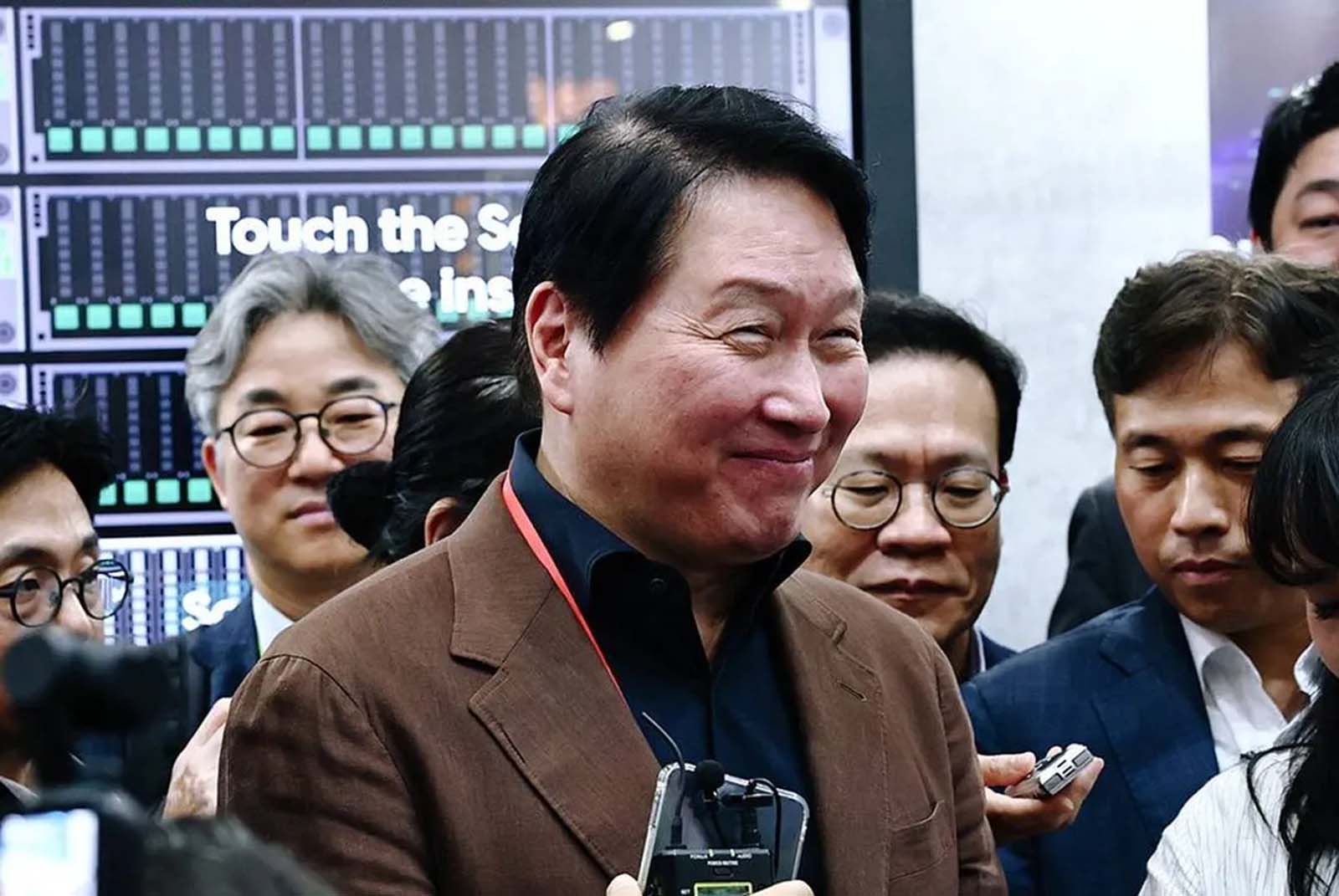
- How TSMC Helped SK Hynix Overtake Samsung in the AI Memory Race
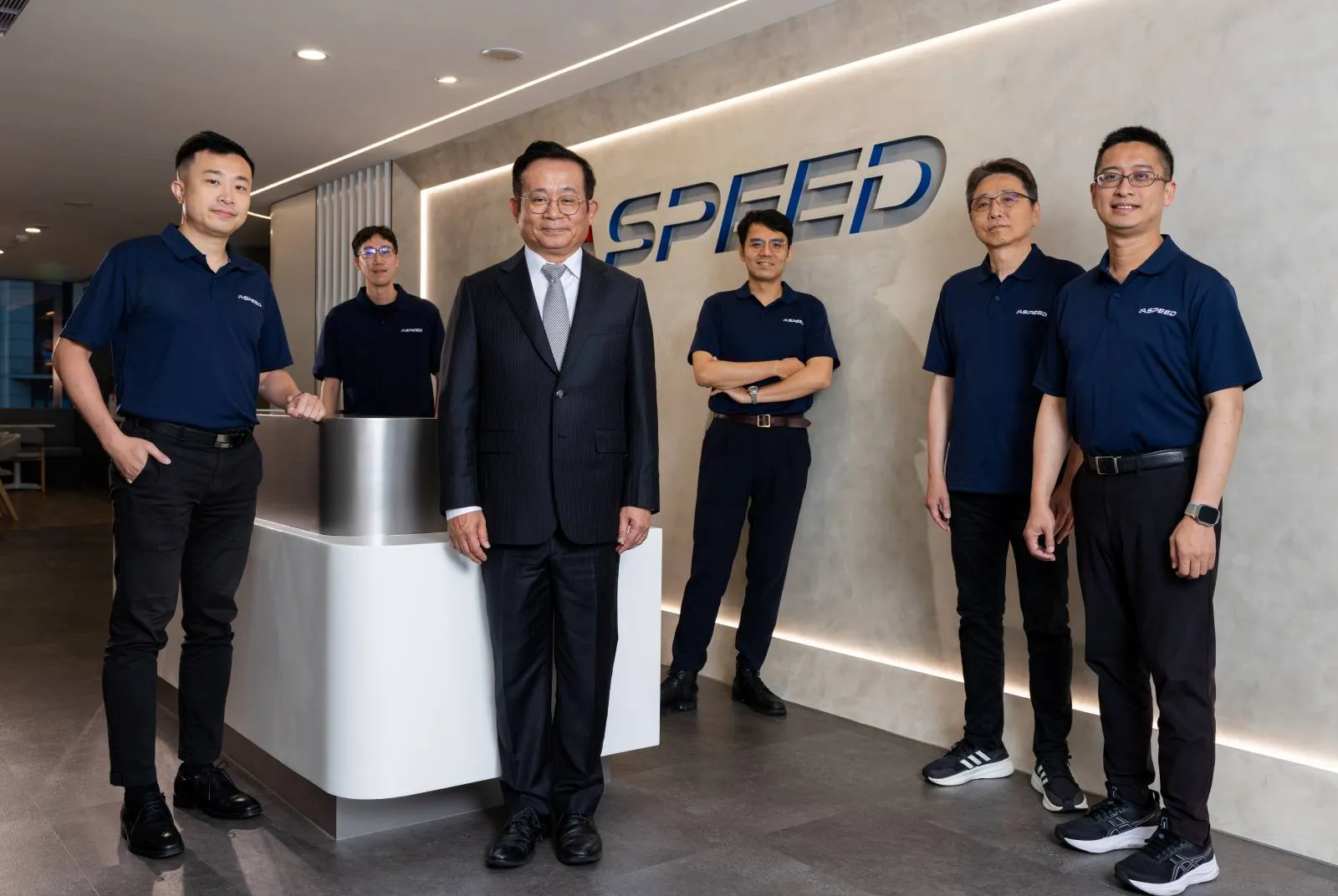
- How ASPEED Turned an Overlooked Chip into Taiwan's Highest-Priced Stock
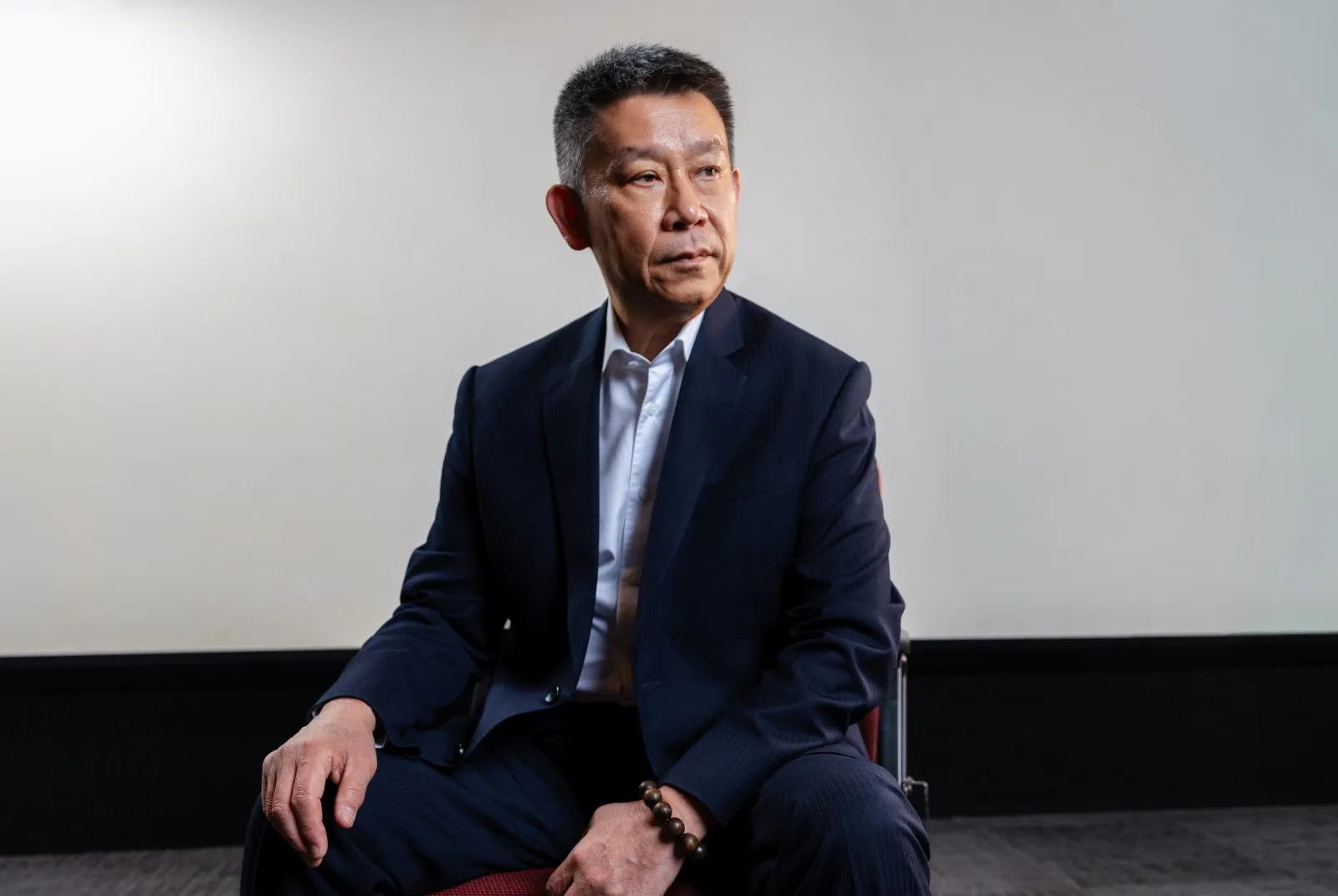
- Delta Chairman Cheng Ping's 700-Day Succession
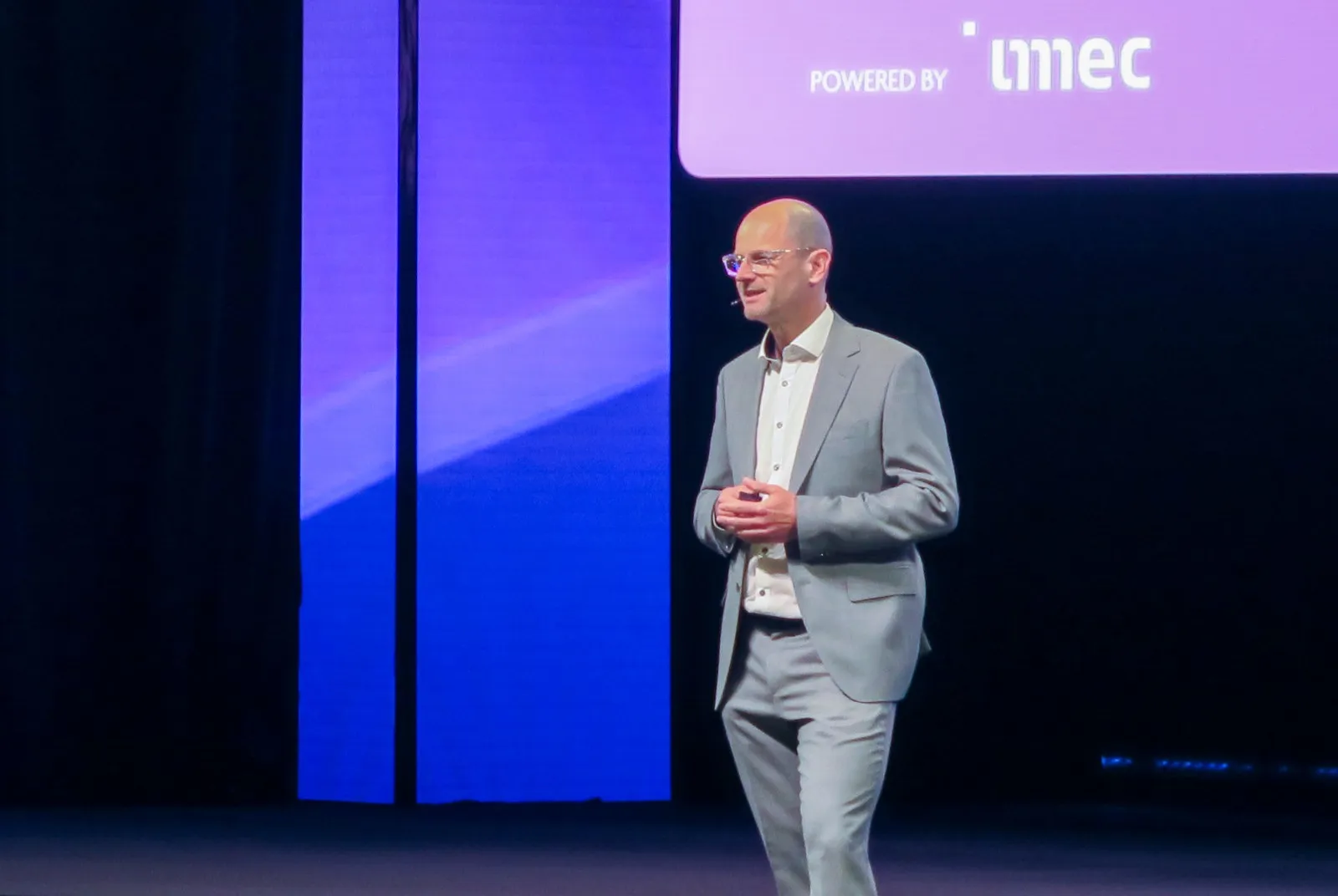
- How TSMC Will Surpass 2nm and Other Insights from New IMEC CEO
Uploaded by Ian Huang
Views

Subscribe to CWE Newsletter (every Thursday)
Stay abreast of what's happening in Taiwan with our weekly digest.
Keywords: