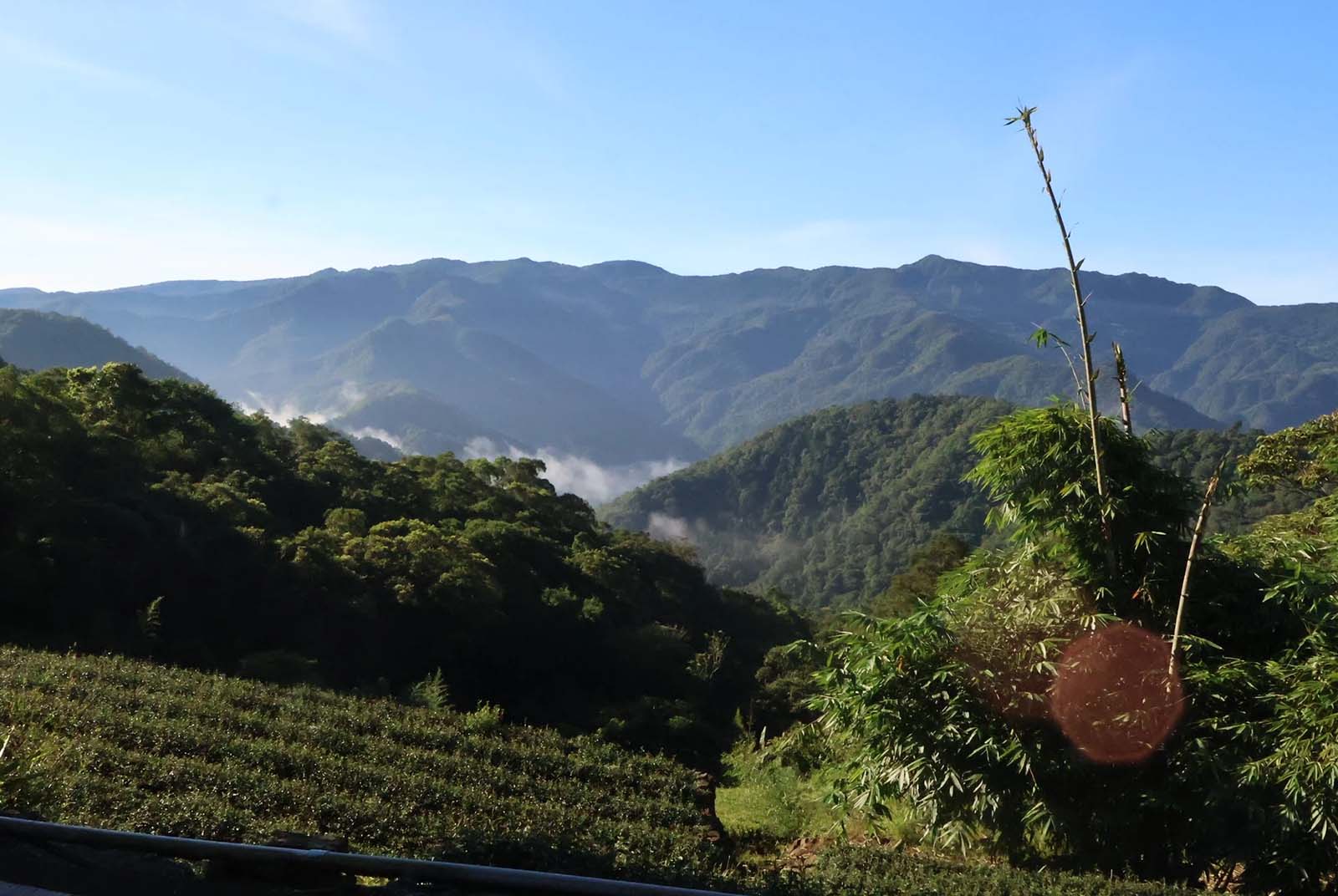
Luye's Organic Farmer Behind Taiwan's Native Shan Yun Tea
Source:The T Scout
Shan Yun (山蘊) is Taiwan's rare native tea species — scientifically classified as Camellia formosensis — traced to a wild population discovered in the Taiping mountain area of Yanping Township, Taitung, near Luye's Yongkang tribal settlement. After nearly two decades of survey and breeding work by the Tea Research and Extension Station's Taitung branch, the cultivar was officially named in 2019 and released to growers in 2020. One of the first farmers to bring it into production was Zhang Huan-jui, known locally as "A-Shan," an award-winning organic red oolong grower from Luye.
Views
Luye's Organic Farmer Behind Taiwan's Native Shan Yun Tea
By The T Scoutweb only
The Top 3 Specialties of A-Shan:
- He chose organic farming — committing to it against his own family's objections from day one.
- His 30+ gold and 40+ silver medals reflect a decade of hard-won, self-taught mastery, not luck.
- He's one of the first farmers in Taiwan growing true Shan Yun, the country's only native tea species.
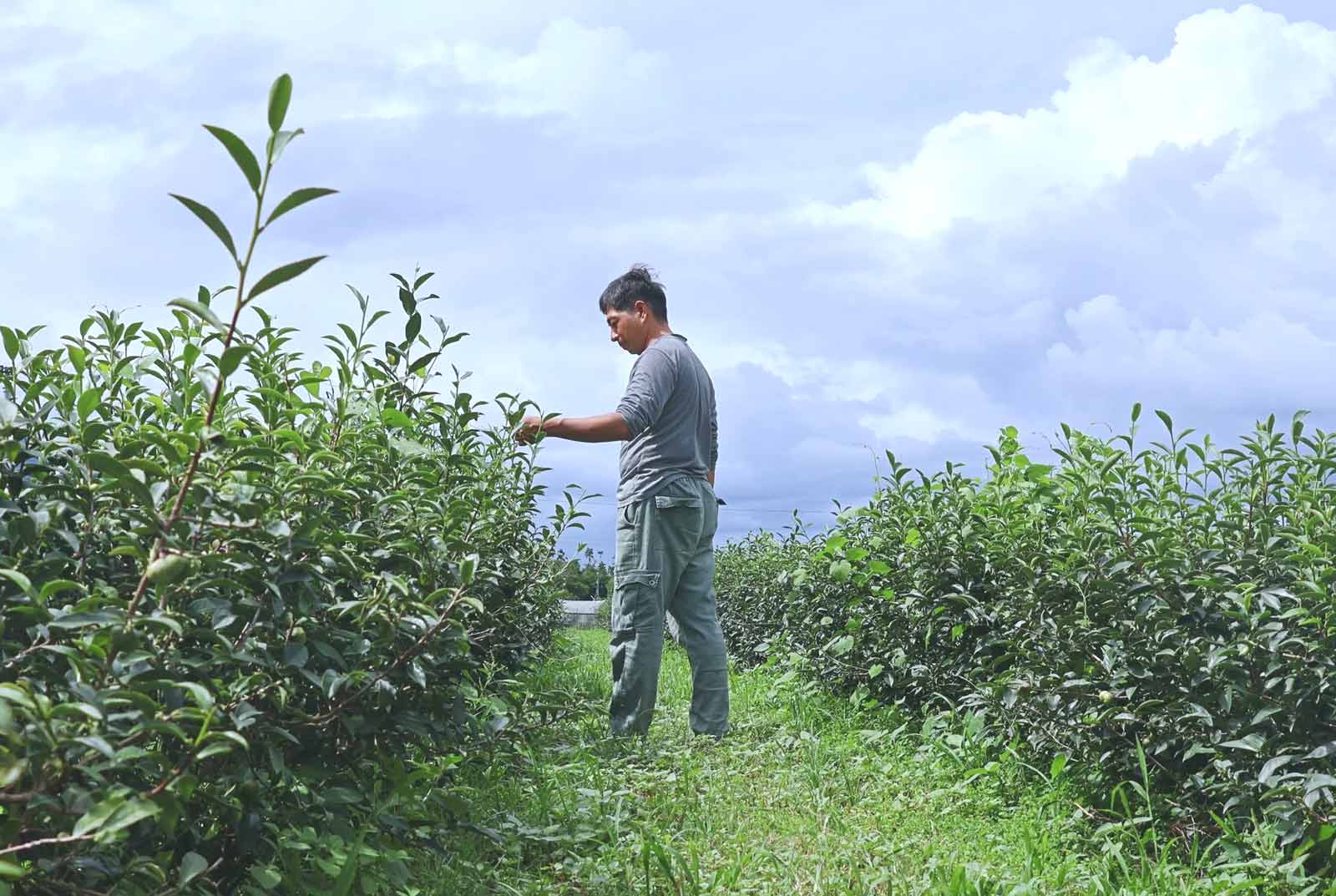
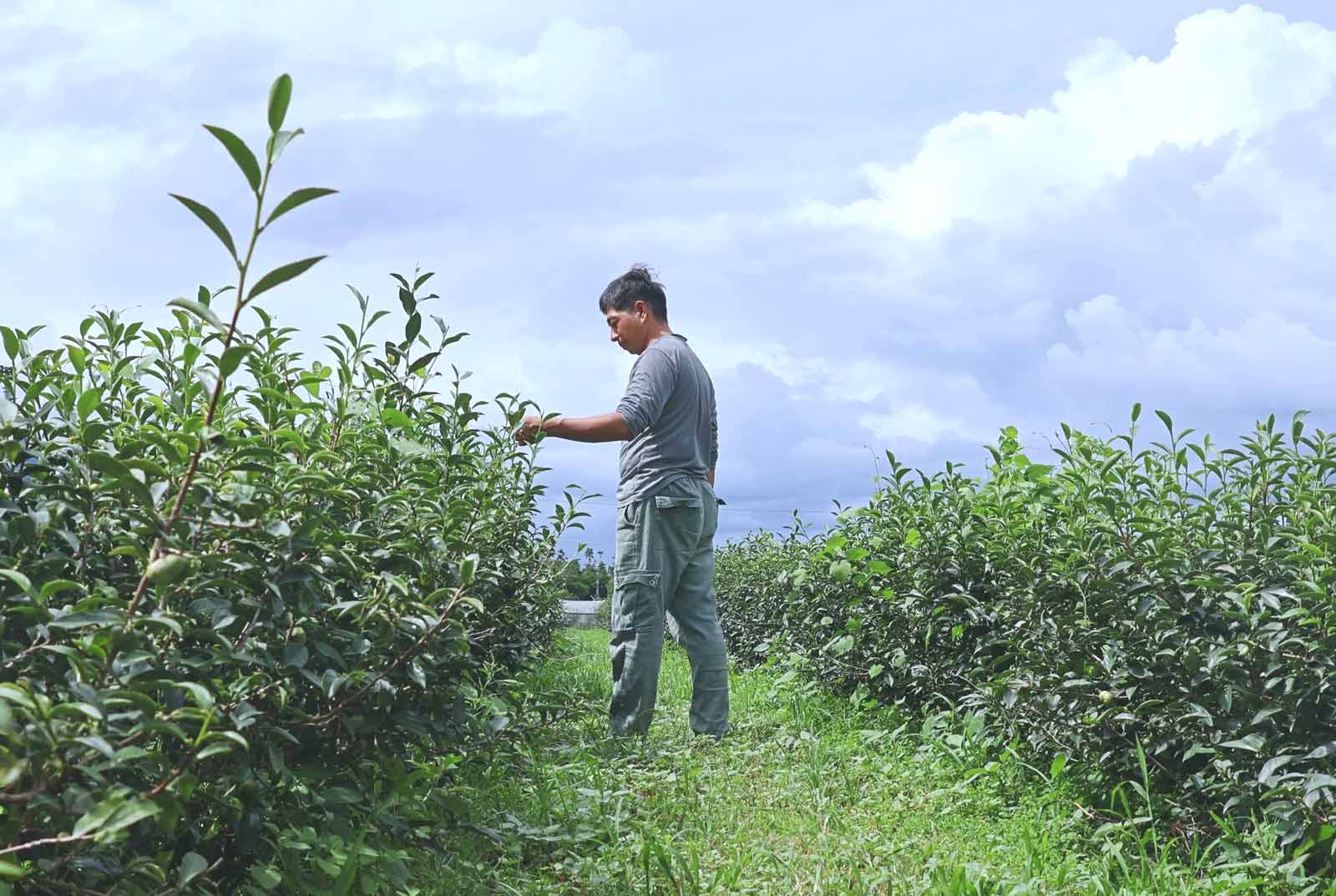 A-Shan, Zhang Huan-jui, an organic red oolong farmer in Luye, Taitung, and one of the first growers to bring Shan Yun into production.
"A-Shan" is not even fifty, technically still a young farmer by Taiwan's classification. But he's always had an old soul. He was collecting antique teapots back in middle school. That same instinct eventually pulled him out of Taipei and back to Luye, Taitung in his early thirties, chasing the childhood memory of working the fields and putting real, honest food on his family's table.
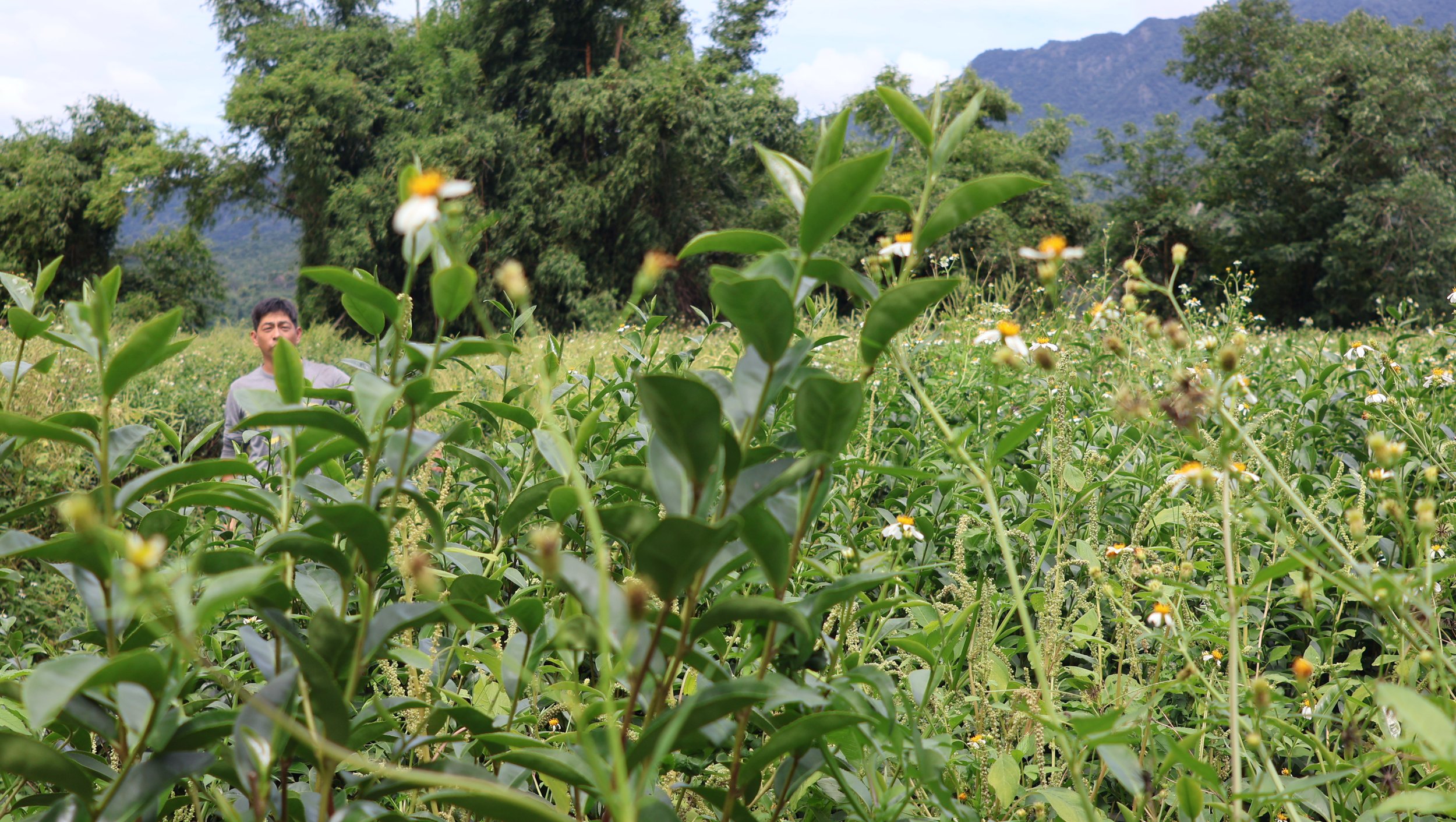 A-Shan cherishes weeds as much as tea. He sees weeds as necessity for earth nutrition.
He didn't ease into friendly farming — he committed on day one. "Our plots are small," he says. "Without something to set us apart, we don't stand a chance." That decision didn't go over well at home. Pushing into organic methods triggered a wave of family pushback. He held his ground anyway. "If I spray pesticides, what happens to my neighbor's pineapples?" For A-Shan, this isn't a farming technique. It's closer to a conviction.
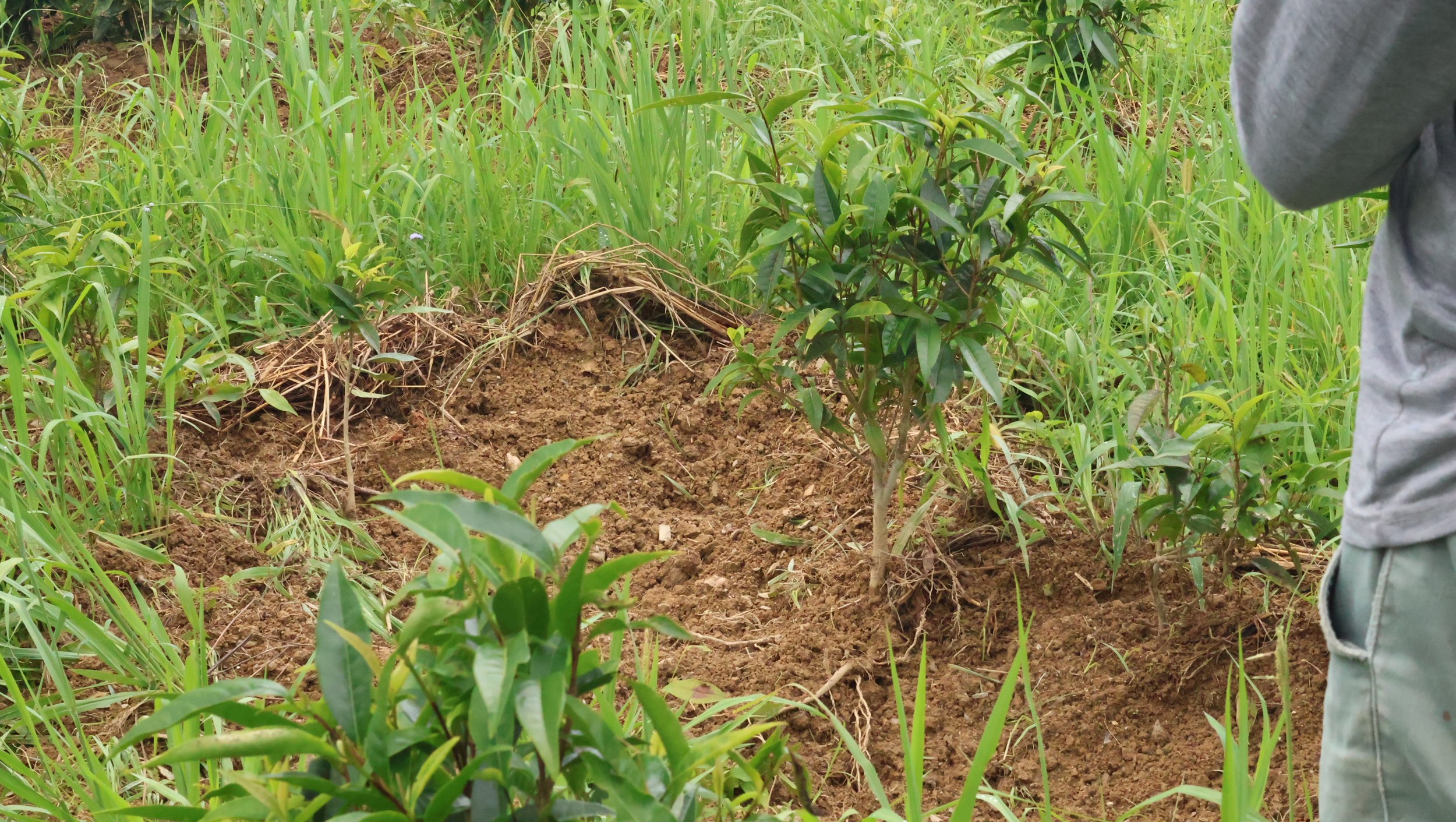 A-Shan found out the hog wallow made by wild boars in the tea farm.
Beyond skipping herbicides and chemical treatments entirely, he tills constantly, because loose soil ferments organic matter and holds water and nutrients better. He lets weeds grow taller than his tea bushes on purpose — they slow evaporation, keep the ground moist, and give insects somewhere to live. When he finally clears them, they break down into feed for the soil. He mulches under the tea trees with silvergrass to lock in moisture, which slowly decomposes into more nourishment.
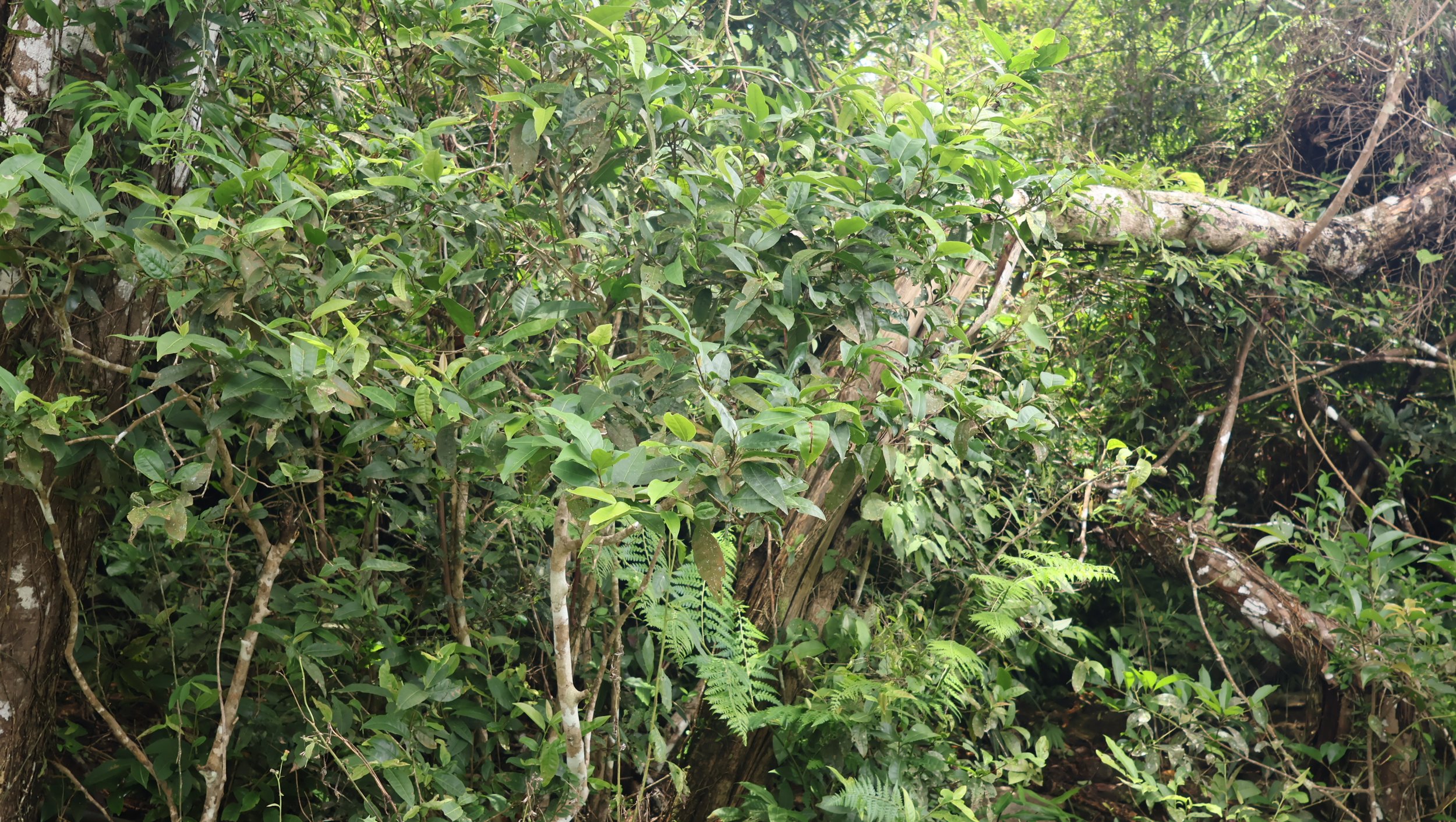 The wild Shan Yun is difficult to differentiate from the wild forest——the whiter branch one!
Nature paid him back. Pest pressure on the tea eased. Wildlife around the garden diversified. The soil got healthier. In his sixth year back in Luye, he won his first silver medal — and he's been a fixture on the podium ever since, now holding 30+ golds and 40+ silver medals. His red oolong owes its signature honey note to the small green leafhopper, with a clean profile and a long, woody finish.
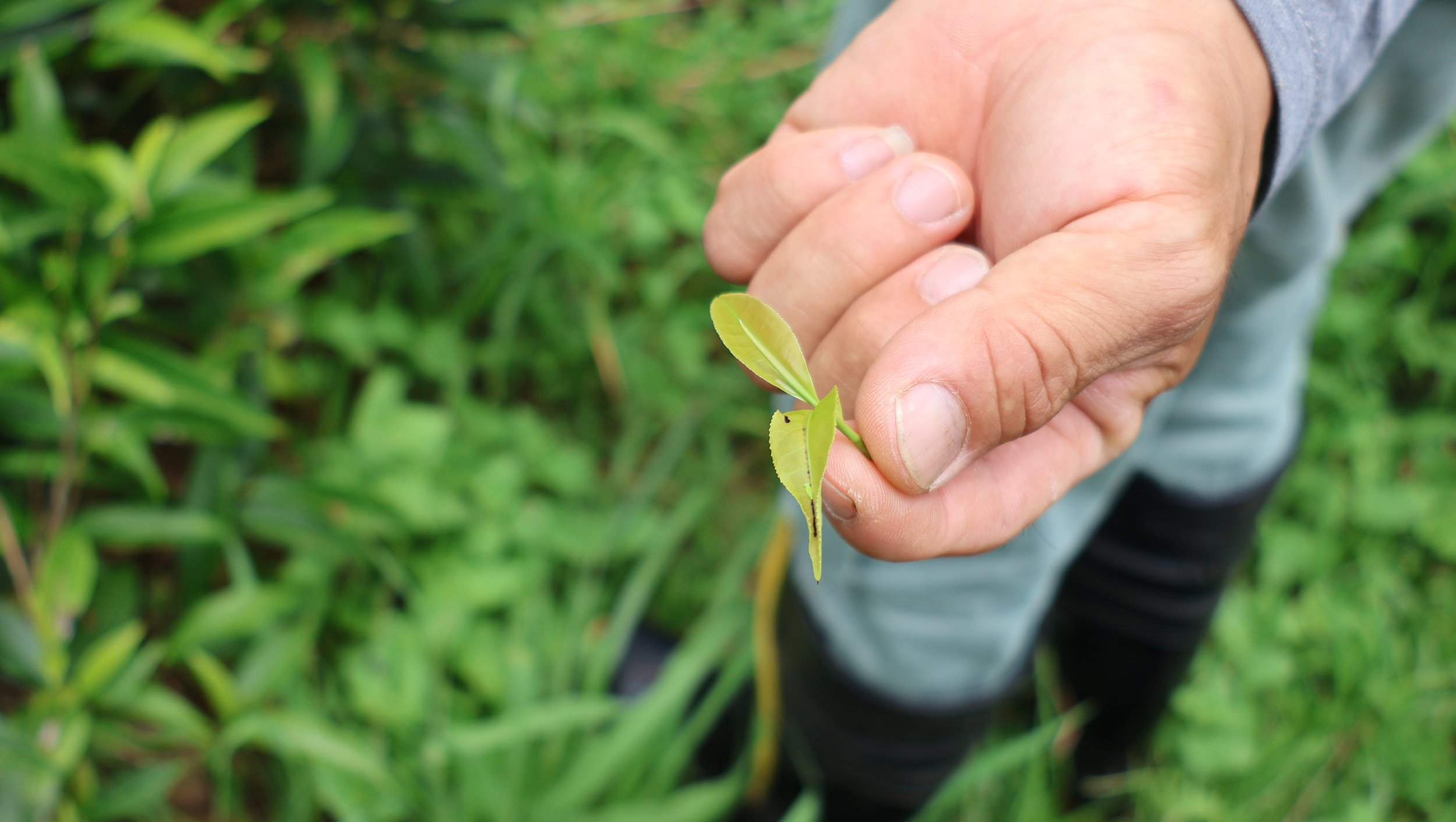 The small green leafhopper is lying at the edge of leaf tip.
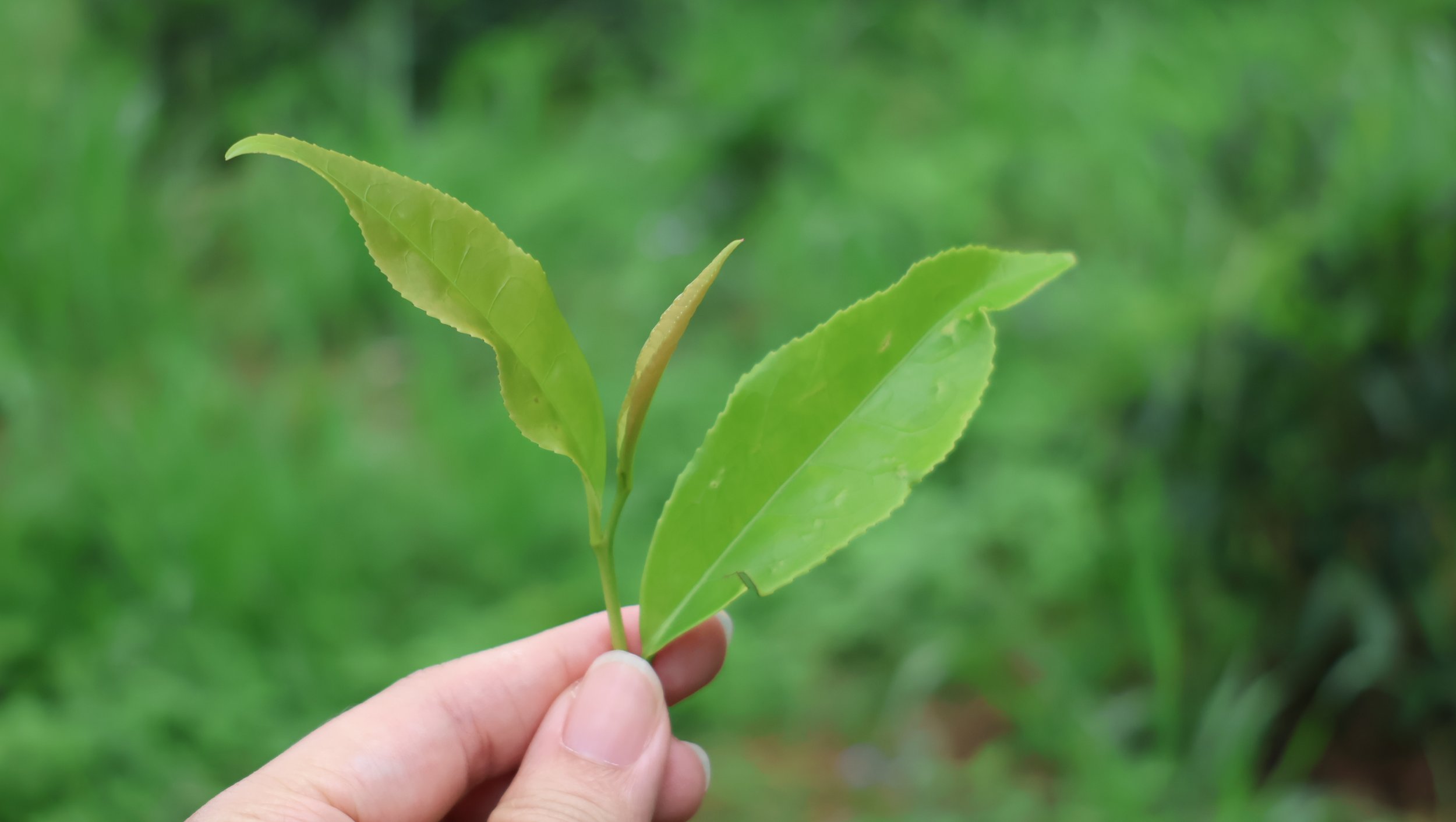 Shan Yun tea leaf is thinner than native tea from Sun Moon Lake.
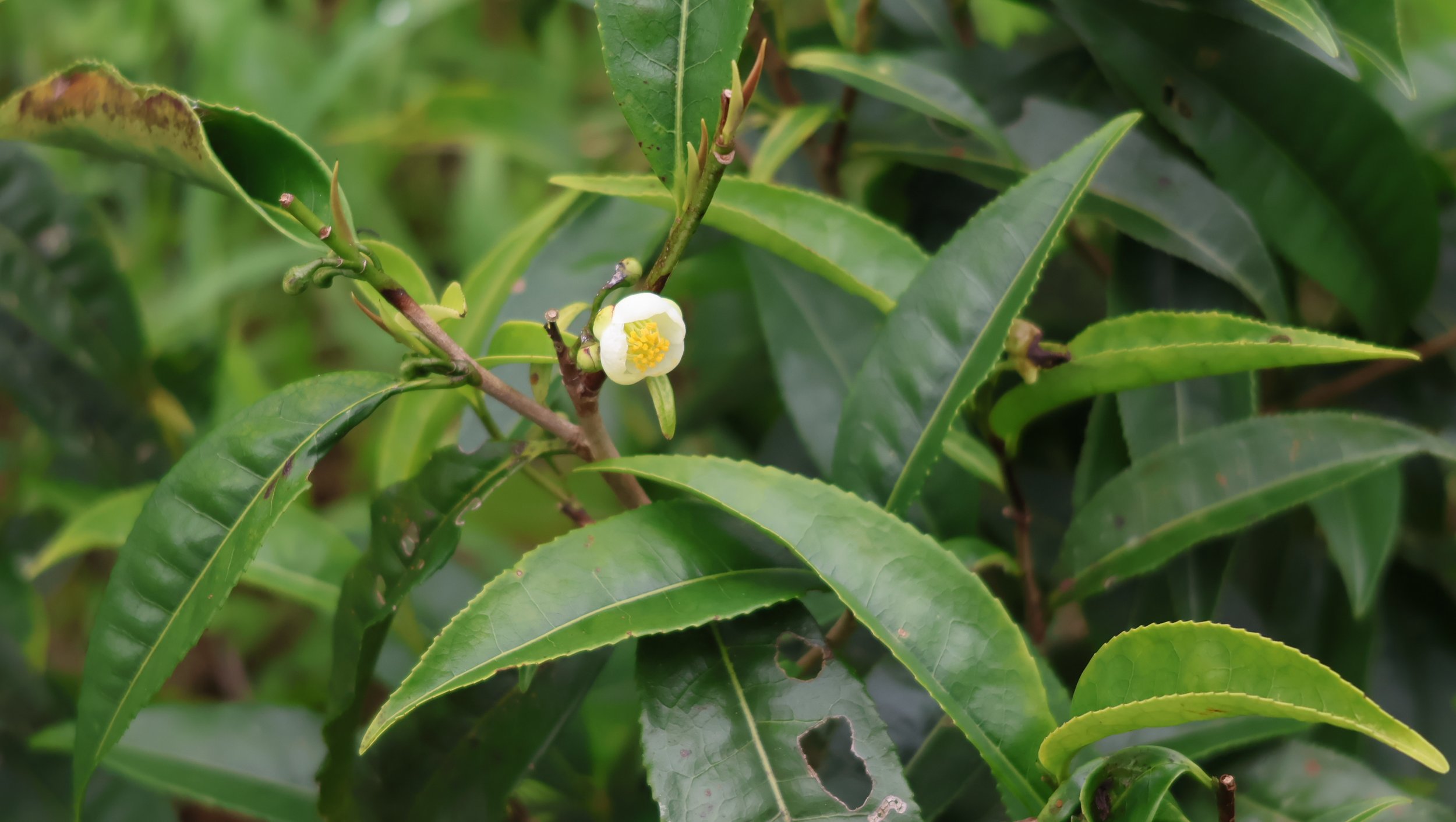 The flower of Shan Yun is smaller than usual tea’s.
From red oolong to Shan Yun, A-Shan's path tracks with where Luye's tea country is headed as a whole: away from yield-driven production and toward something built on rare cultivars and a real sense of place. In many ways, he's a snapshot of Taiwan's next generation of tea farmers — more collaborative, more exacting, and more protective of the land underneath them.
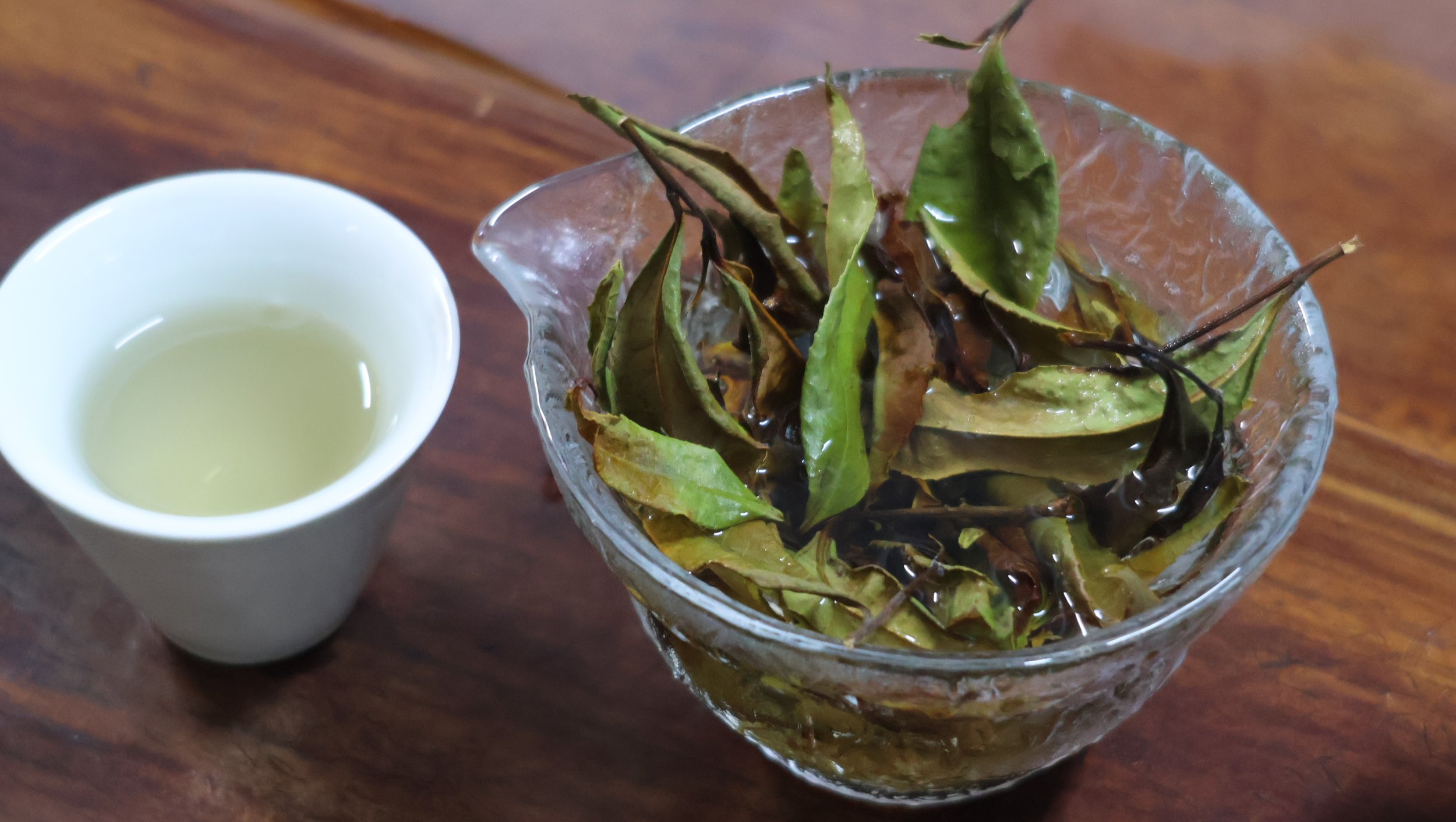 Shan Yun has distinct mushroom smell and almond taste, beyond imagination of regular tea.
FAQ
What is Taiwan native mountain tea?
→ "Taiwan mountain tea" is the general term for Taiwan's native wild tea species, scientifically classified as Camellia formosensis. Unlike almost every other tea grown in Taiwan today, mountain tea evolved on the island itself. It predates the arrival of Chinese tea (such as Qingxin Oolong) and was used by Taiwan's indigenous communities for medicinal and ceremonial purposes long before commercial tea cultivation began. Shan Yun from Taitung is recognized as a native wild Taiwanese tea cultivar traced to Yanping Township and officially named in 2019. More different type of native mountain tea have been gradually found in other regions of Taiwan.
Why does cover crop cultivation treat Tea Garden well?
→ Cover Crop Cultivation intentionally allows grass, weeds, or low-growing plants to grow between and under tea rows, rather than keeping the soil bare through tillage or herbicide use. Meanwhile ground cover shelters insects and small organisms, which can support natural pest predators and reduce reliance on chemical intervention.
Recommendations of organic tea farmers in Luye, Taitung?
→ Besides A-Shan, A-Rong Natural Farm (50+y old Assam tea is awesome!) and Daughter’s Tea (red oolong is good!) are all organic farmers with highly recommended quality and comfortable tasting space.
This article is reproduced under the permission of the T Scout. Original content can be found on the website of T Scout.
Have you read?
- A Slow Travel Guide to Pinglin: Tea, Nature, and Tranquility
- Silks Place Taroko: Resilience And Revival In Taiwan’s Earthquake-Ravaged Gorge. Is It Safe To Go?
- Rethinking An Ancient Miaoli Forest With Indigenous Wisdom
Uploaded by Ian Huang
Views

Subscribe to CWE Newsletter (every Thursday)
Stay abreast of what's happening in Taiwan with our weekly digest.
Keywords: