Wiwynn: Accelerating US Manufacturing Critical to Survival in AI Server Industry
Source:Wiwynn
Wiwynn is rapidly expanding capacity in the U.S. and Mexico, with AI server production expected to double next year. For Taiwanese companies, moving into the U.S. is no longer simply a political gesture. It has become a race for survival, shaped by access to land, power, and automation.
Views
Wiwynn: Accelerating US Manufacturing Critical to Survival in AI Server Industry
By Yishan Chenweb only
Robotic arms whir away alongside employees at Wiwynn's third plant in Juárez, Mexico. At the end of the production line, a large robotic arm lifts a newly assembled server weighing more than 10 kilograms and places it into a rack.
This is one of Wiwynn's more than 20 robotic production lines, where 70 percent of workstations can be automated. "This line can assemble 60 servers per day," relates Robin Wang (王瑞斌), Wiwynn's vice president of manufacturing. The automated line took two months to develop, with the goal of eventually equaling the 100-server daily output of a manual production line.
Wiwynn's US-Mexico Cross-border Strategy
The past six years have been a period of rapid expansion for Wiwynn. The company began leasing production lines at parent company Wistron's Juárez plant in 2015. It purchased two production sites in 2021, and added a third plant during Covid. With capacity at these facilities now approaching its limit, two additional sites are being prepared for expansion.
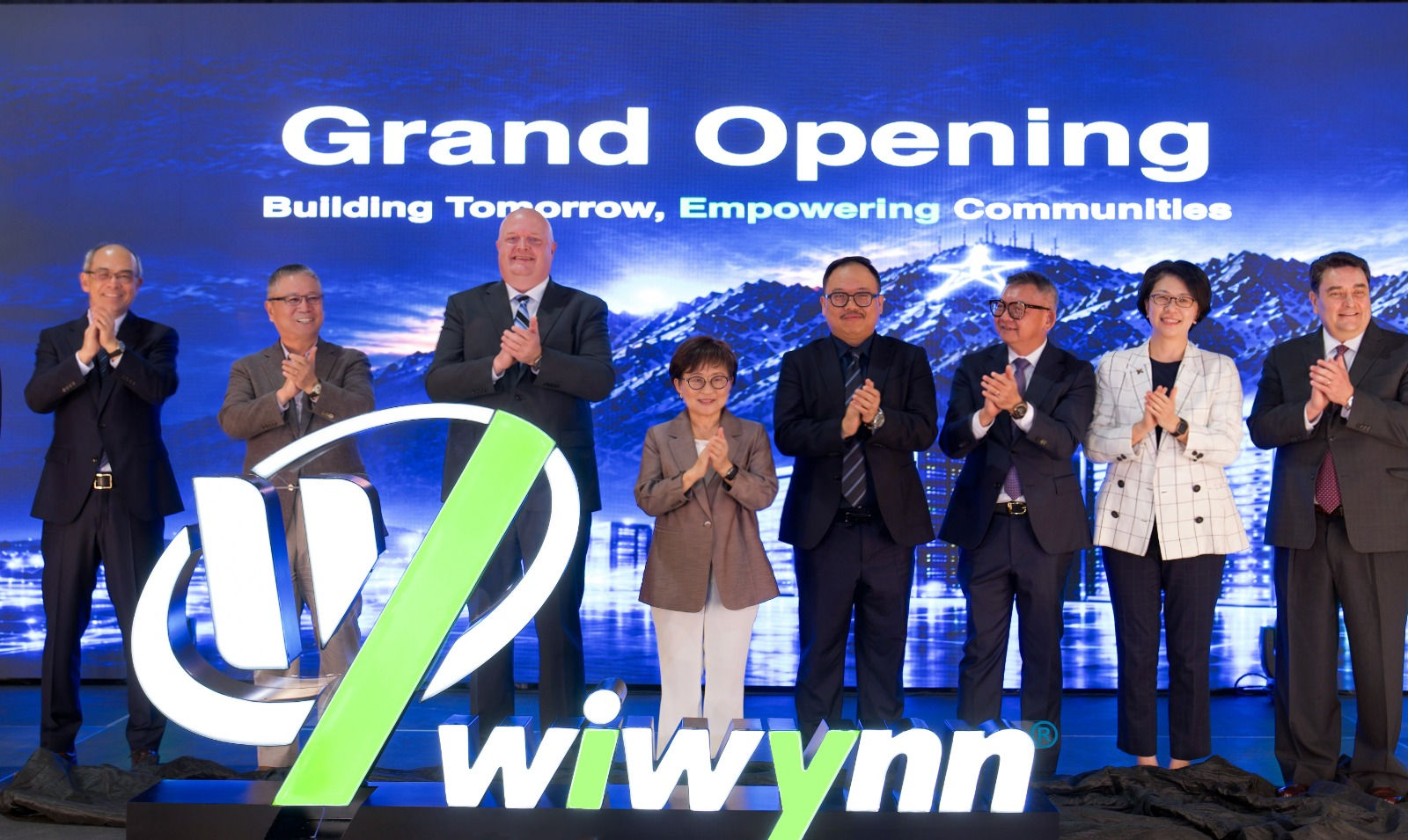
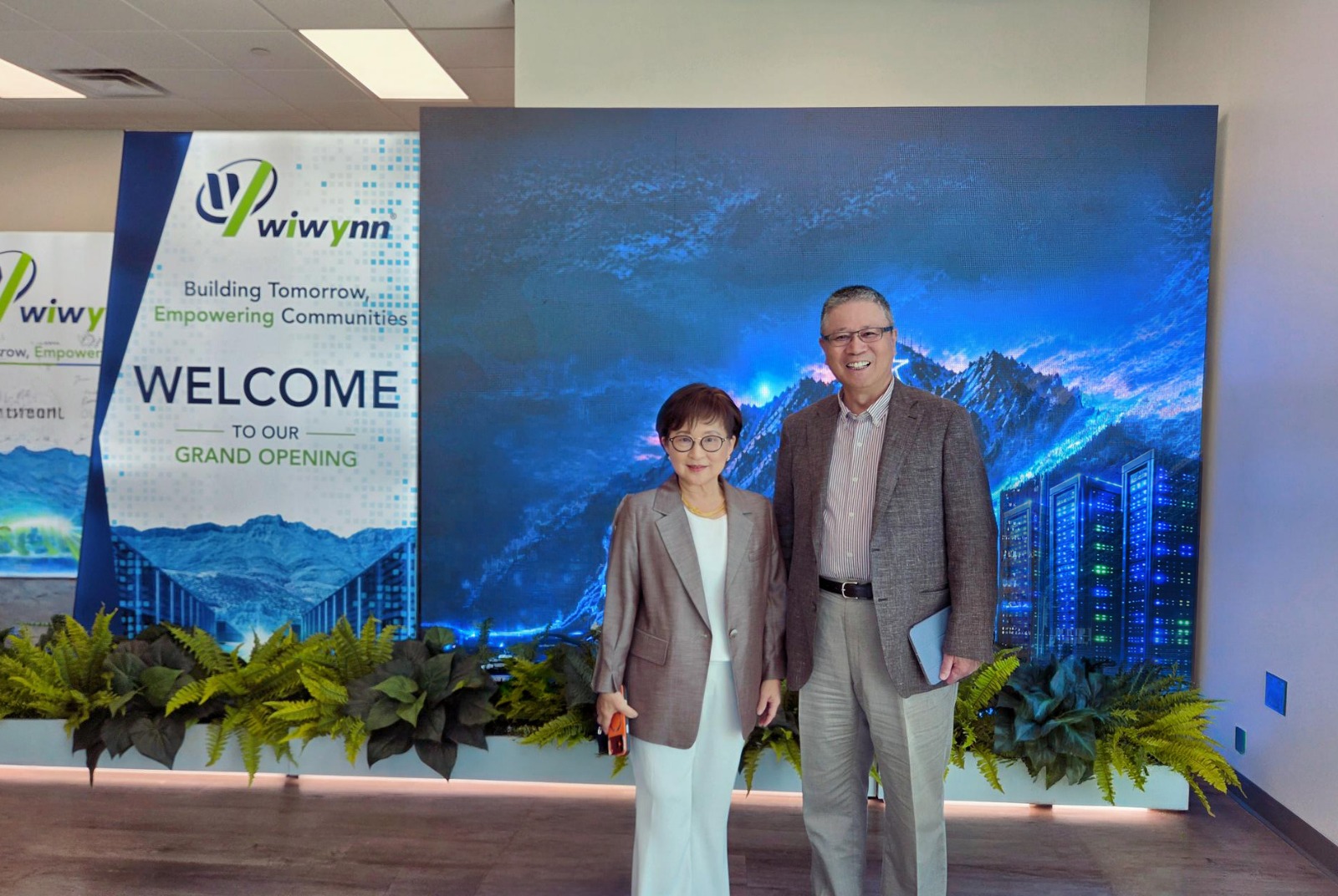
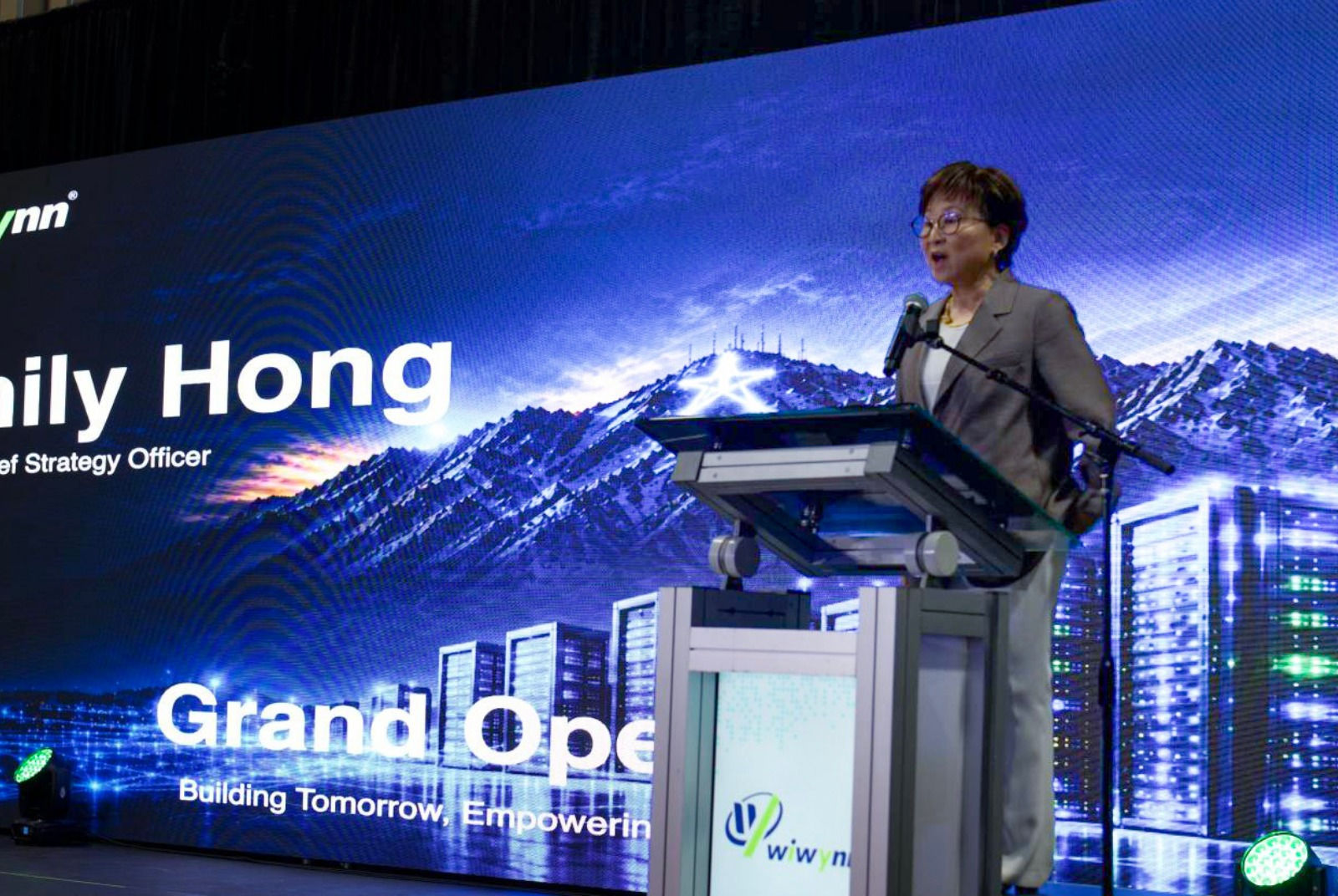
On September 14, Wiwynn officially opened its first facility in Socorro, Texas, near El Paso, progressing from leasing the site to mass production in just nine months. Another warehouse is under construction, with production slated to begin by the middle of 2027. Wiwynn projects a doubling of combined production capacity between the US and Mexico by the end of next year.
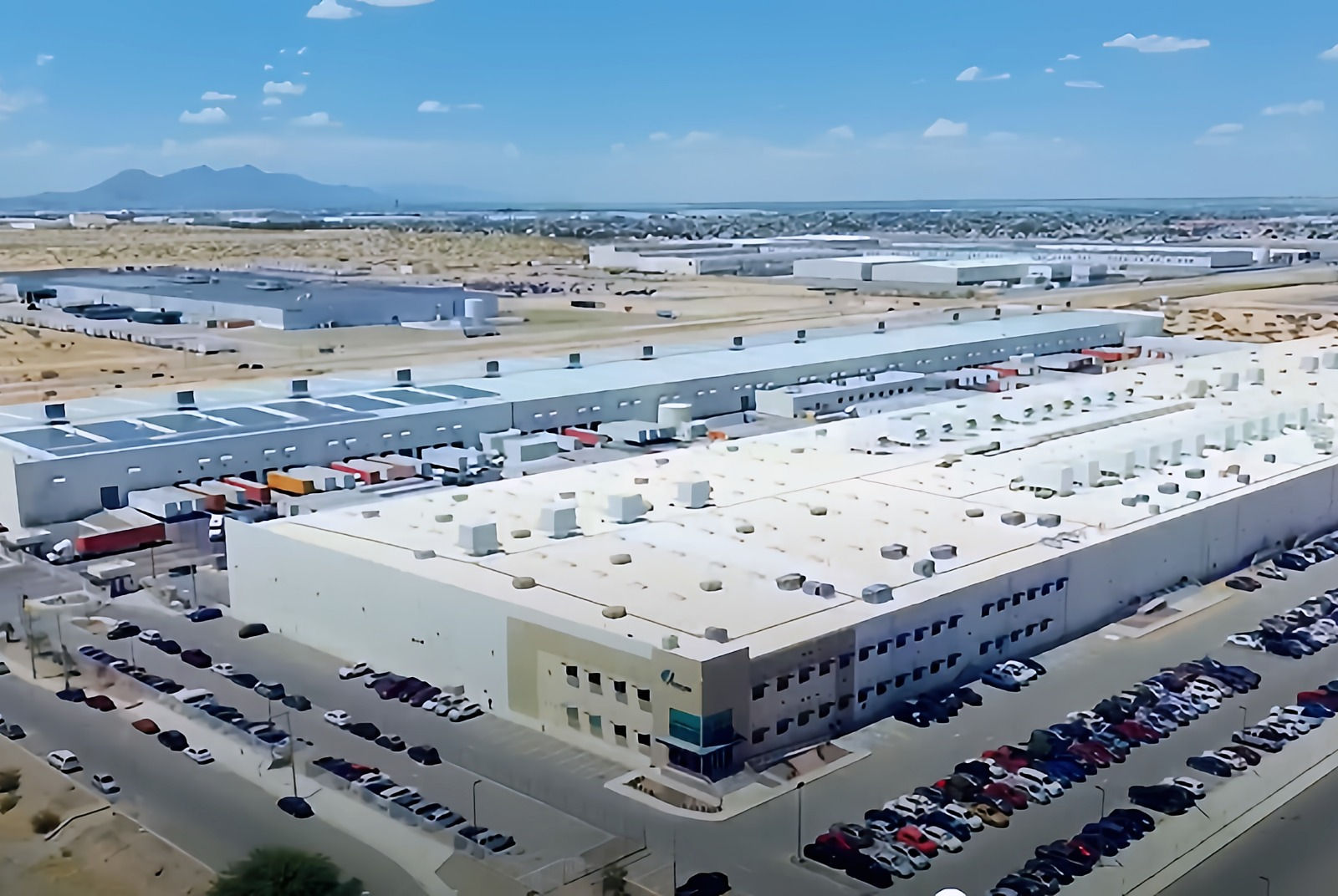 Wiwynn's Mexico plant.
"The total capacity in the US and Mexico is complementary. This is the best option for us," company chairperson Emily Hong (洪麗寗) said. Wiwynn has also used trade provisions under the United States-Mexico-Canada Agreement (USMCA) to obtain TN visas for Mexican engineers and technicians traveling to the US for work. The company now employs more than 11,000 people across its US and Mexican operations, and is moving toward a workforce of 15,000.
"We have no choice but to manufacture in the United States," states Simon Lin (林憲銘), chairman of Wistron. "It's not just geopolitics," he added. "Land is scarce in Taiwan, and there's the issue of electricity."
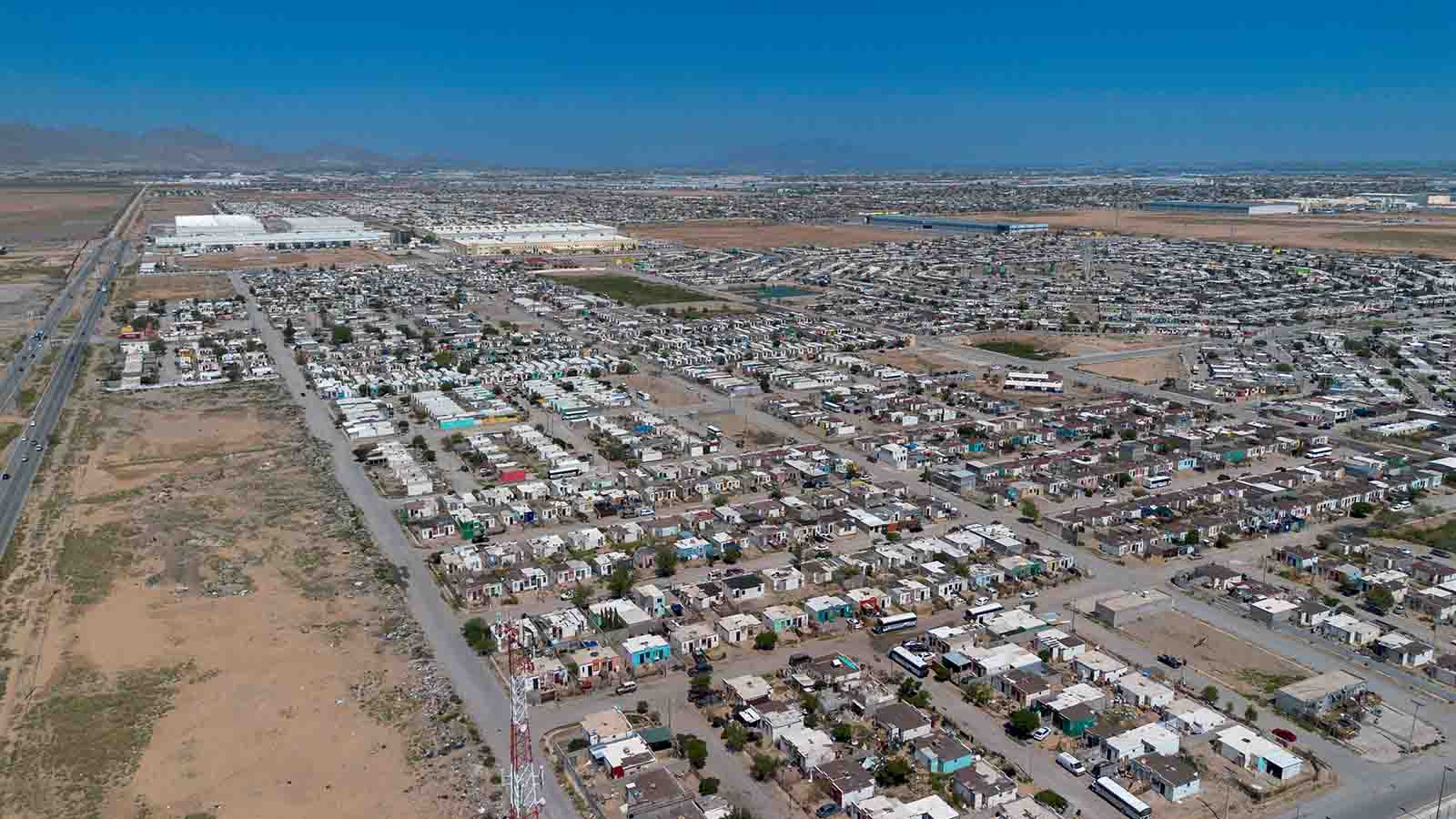 Wiwynn currently operates three plants in Juárez, Mexico, ramping up production of AI servers. (Photo: Chien-Tong Wang)
Leasing for Faster Expansion, With Early Bet on Liquid Cooling
Wiwynn president William Lin (林威遠) relates GPU servers and ASIC servers account for 70 and 27 percent of the relevant market, respectively. The latter is expected to grow by 35 percent over the next five years, making it a market Wiwynn considers particularly important. "I've been in this industry for over 30 years. And I've never seen such burgeoning prosperity," he marvels.
Squeezed for capital, Wiwynn has opted for a leasing strategy to achieve rapid production expansion. With memory prices up four- to five-fold this year, Wiwynn would rather accept lower revenue than tie up capital. It also issued convertible bonds and arranged a syndicated loan in April.
"CapEx requirements are so massive it's not necessary to own the factories ourselves," relates Robin Wang.
As a latecomer, Wiwynn carries no legacy baggage. Nearly all of its new US and Mexican plants have been designed with liquid-cooled servers in mind. More than one-quarter of each site must be reserved for central cooling and heat-exchange infrastructure. "The most important thing is electricity," asserts Emily Hong. Texas state law allows the flexibility to produce power autonomously, and Wiwynn is currently planning for natural gas power generation to support the power demands associated with liquid cooling.
Automation Is a Must
Hong candidly admits that the biggest challenge to manufacturing in the United States is people. Local workers account for 97 percent of the workforce at the El Paso facility. After eight months of operation, however, the US plant is still shipping at only one-fifth of its maximum capacity.
That is the case for automation. A decade ago the daily wage in Juárez was 73 pesos, which has since risen six-fold to 440 pesos, bringing Mexican assembly line workers' wages to nearly the level of Taiwanese workers. American production line workers, meanwhile, earn roughly twice as much as their Taiwanese counterparts.
Automation investments that didn't pay off a decade ago can now recoup their cost within a year. Automation can also boost monthly per-unit performance five-fold. "The greatest driver of automation is the customer. As products have become increasingly complex, we need to reduce the error rate."
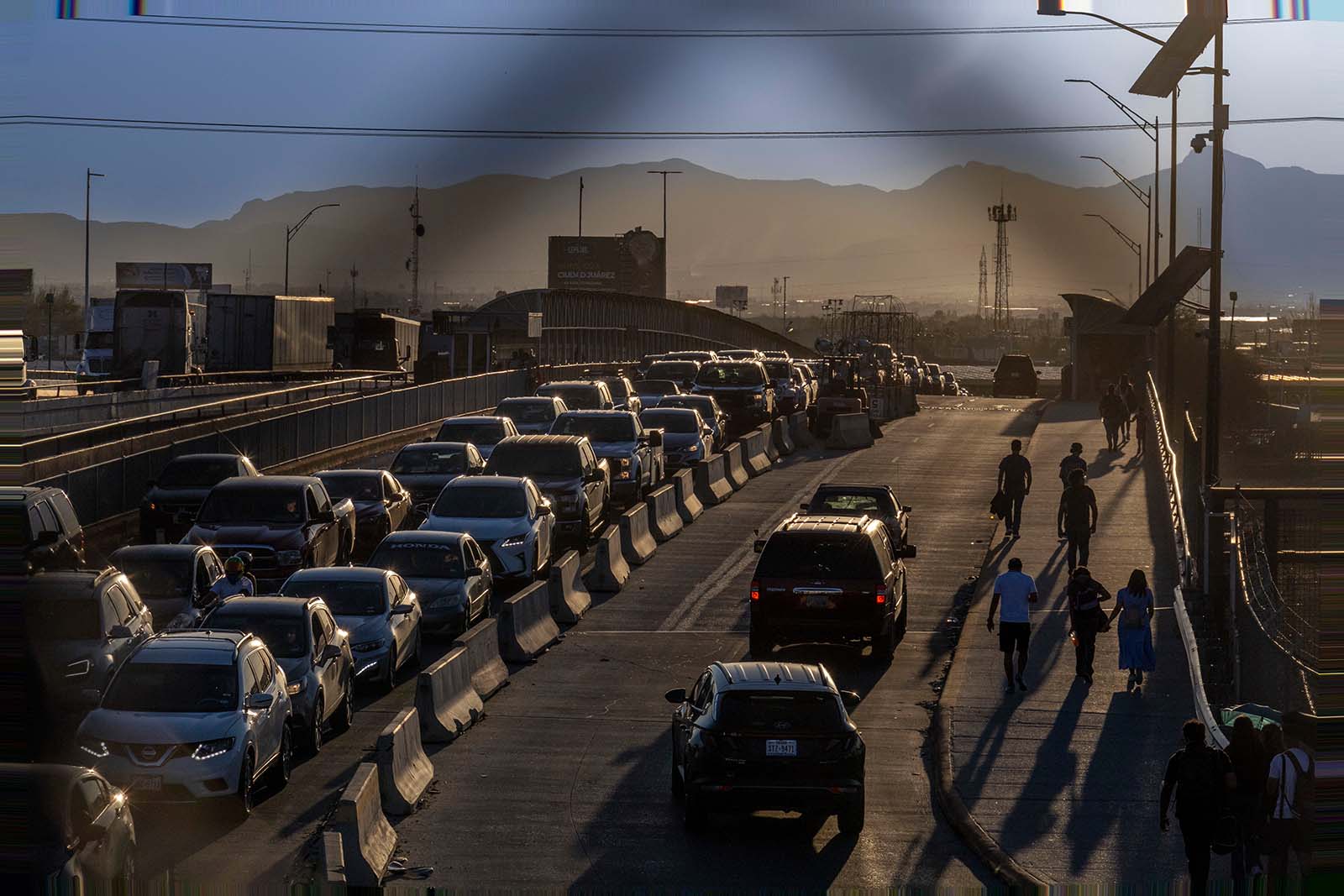 Wages in Juárez, Mexico, have surged sixfold over the past decade and are now nearly on par with Taiwan. Full automation of production lines has become a key solution for reducing costs. (Photo: Chien-Tong Wang)
Political and Economic Risks Now Required Knowledge
Emily Hong believes that the key to sustaining the current AI surge is whether OpenAI can become profitable. Nvidia provides financial support to OpenAI and emerging cloud-service providers, which in turn purchase Nvidia servers. This perpetual-motion machine will eventually face a reckoning, Hong said: if the companies involved cannot turn a profit, the virtuous cycle will reverse.
"Jensen Huang (黃仁勳) has his own convictions. He is an industry leader," reflects Hong. Whether the backlash against data centers or the view that AI growth will slow, the industry must contend with the views of different stakeholders. "This is quite natural; if you don't address it now you'll have to deal with it in the future," she said.
For Taiwanese companies expanding into the United States, manufacturing is only part of the challenge. Understanding the political and economic environment — and learning to manage political risk — poses a whole new set of issues.
Have you read?
- Taiwan Think Tank: AI Infra Growth Not Slowing Down; DRAM Capacity Crunch to Last Until 2030
- TSMC's Baipu Plan: Advanced Packaging, Hidden in Plain Sight
- Can China Catch Up with Memory Chip Leaders? What CXMT’s Breakthrough Means for Taiwan
Translated by David Toman
Uploaded by Ian Huang
Views

Subscribe to CWE Newsletter (every Thursday)
Stay abreast of what's happening in Taiwan with our weekly digest.
Keywords: