Hsinchu County Museum of Art Cultivates Interest in the Arts Ahead of Opening
Source:Hsinchu County Government advertisement
Hsinchu County is set to open a new art museum in 2030, but its preparatory work goes beyond constructing the building. The Hsinchu County Government knows that the real test of a cultural venue is not whether it can generate buzz at its opening, but whether it can keep drawing people in once the initial excitement fades. It is therefore working now to ensure that the arts take root in people's everyday lives.
Views
Hsinchu County Museum of Art Cultivates Interest in the Arts Ahead of Opening
By Hsinchu County Government advertisementSponsored Content
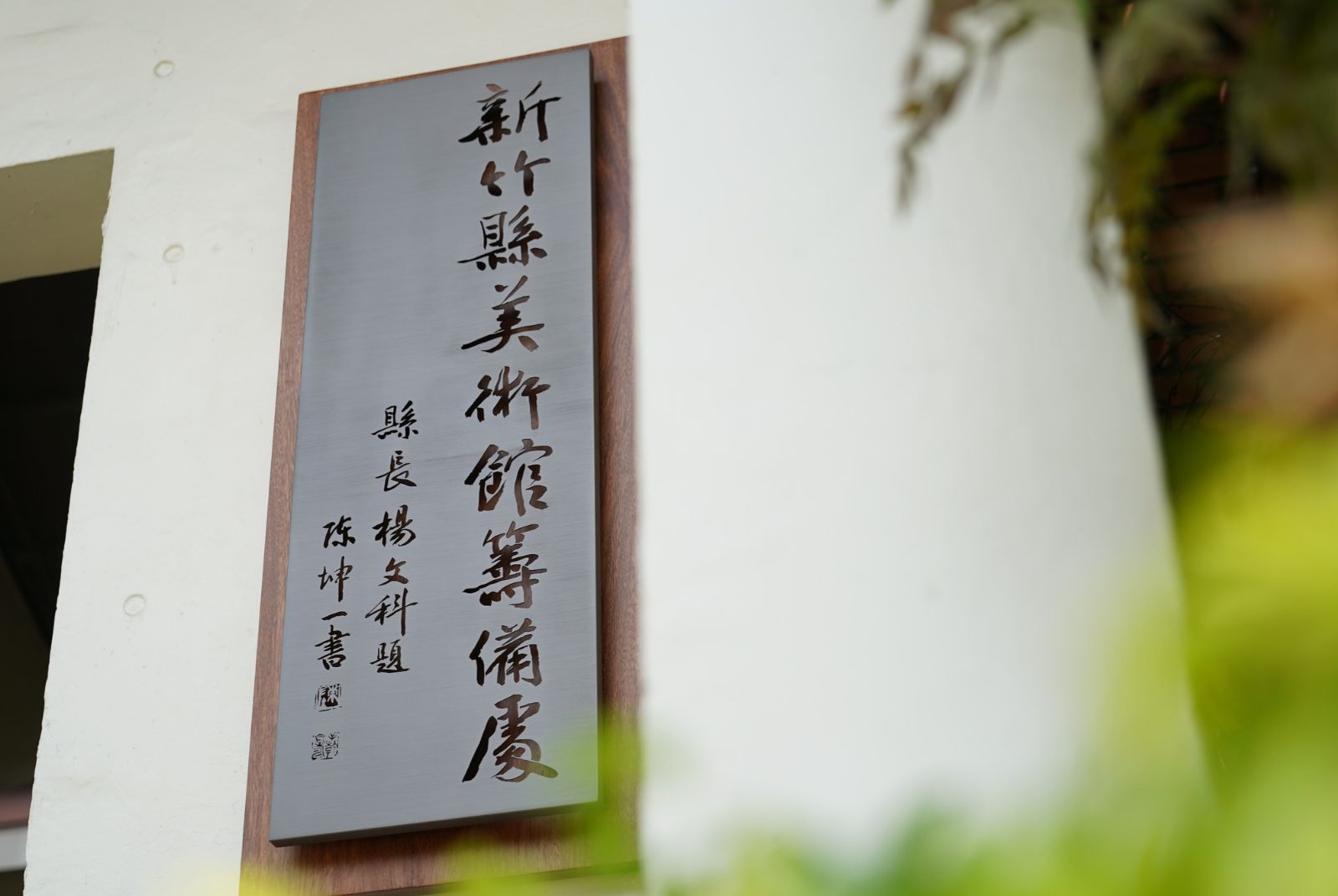
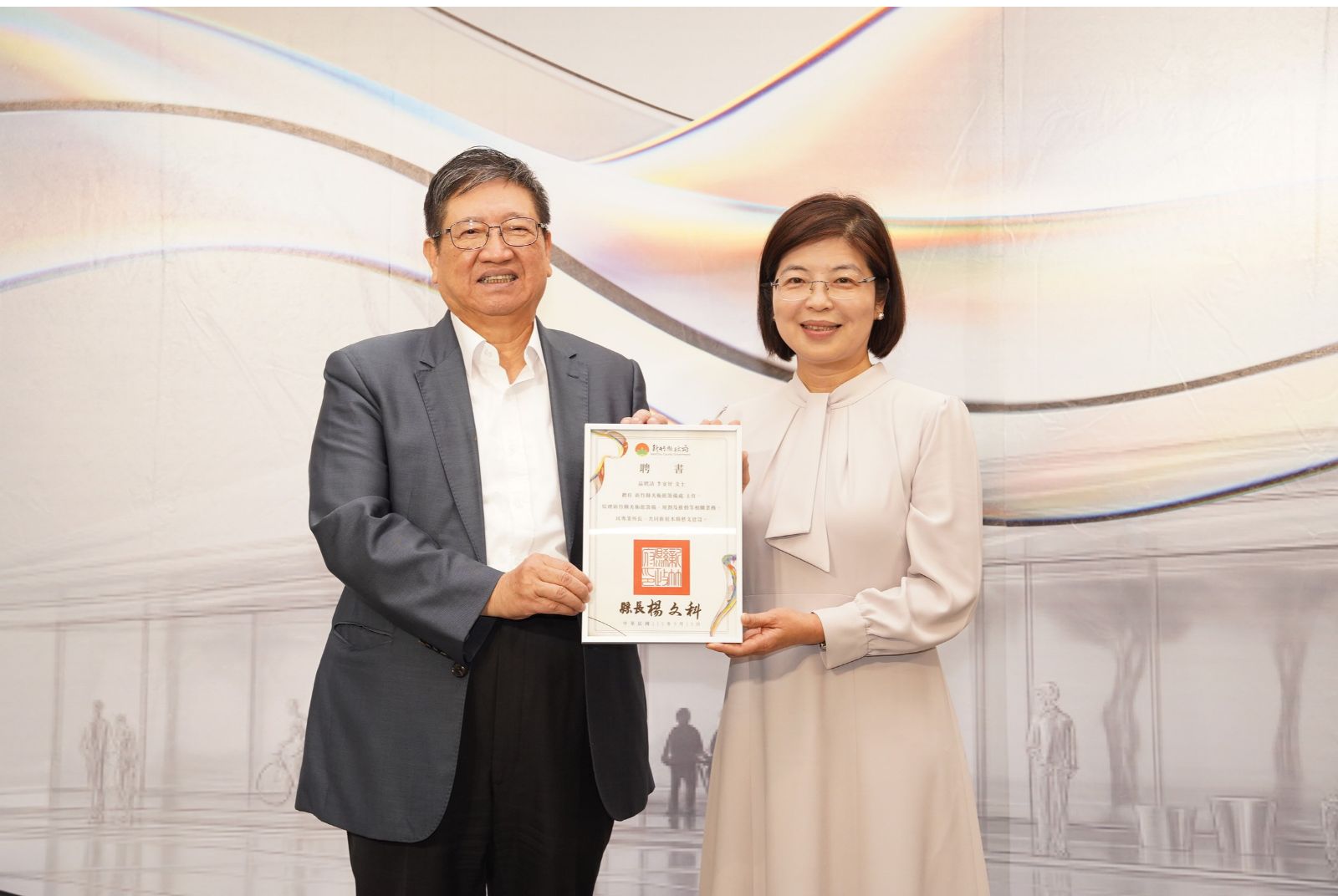
The Hsinchu County Museum of Art Preparatory Office was inaugurated on September 15, officially launching preparations for the Museum's operations.
Planting the seeds for art to take root
"Hsinchu County is all set for a boom in the arts. What the government needs to do is open up space for local artists and cultural workers to express themselves fully," said Li An-yu, Secretary General of the Hsinchu County Government and director of the Hsinchu County Museum of Art Preparatory Office. In her view, the new museum is not creating interest in the arts from scratch. It is giving the artistic energy the community has built up over many years a fuller outlet.
For Li, however, the more critical question is how to build the public's desire to visit in the first place. "Museum audiences don't appear out of thin air on opening day. An appreciation of the arts has to develop gradually, shaped by everyday experiences and the cultural environment." To lower barriers to enjoying art, the Hsinchu County Government has long championed the Mobile Art Museum, taking artworks to schools, neighborhoods, and science park areas throughout the county. By making art part of everyday life, efforts like this are also building a future audience for the new museum.
Hsinchu County is also working to integrate art into community life, making art a way for people to learn about their hometown and connect with one another. Li pointed to a community project in the Dongxing Canal neighborhood as an example. A collaboration among schools, artists, and the public gave children a way to learn, through art, about the history of the centuries-old canal, which was once used for irrigation. "When children go home and share what they've seen and heard, the impact of arts education reaches beyond individuals to families and the broader community," said Li. She added that while such initiatives may not immediately generate impressive numbers, they gradually build people's connections to art, the land, and the city. Li believes these changes, though difficult to quantify, are the greatest contribution cultural policy can make.
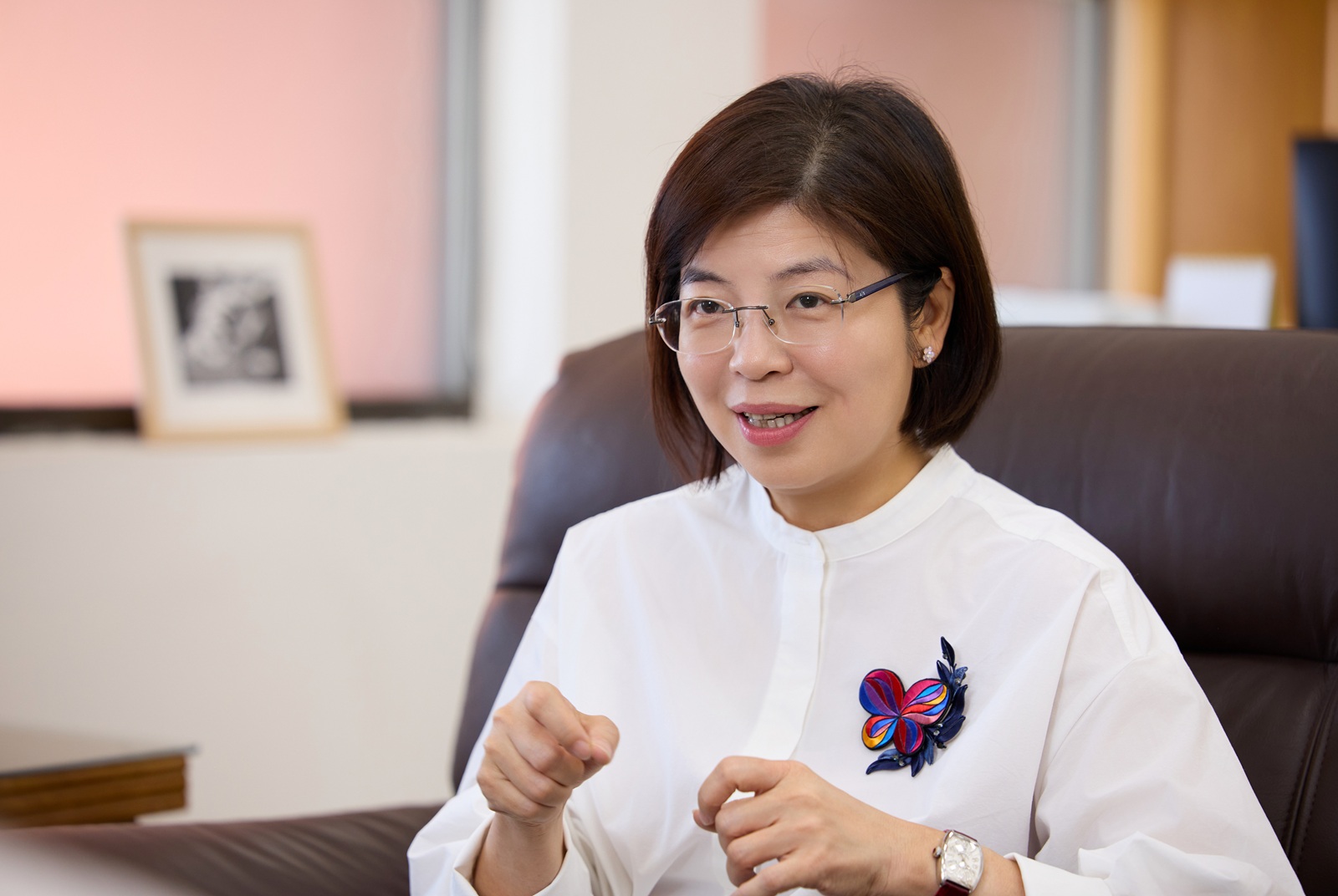
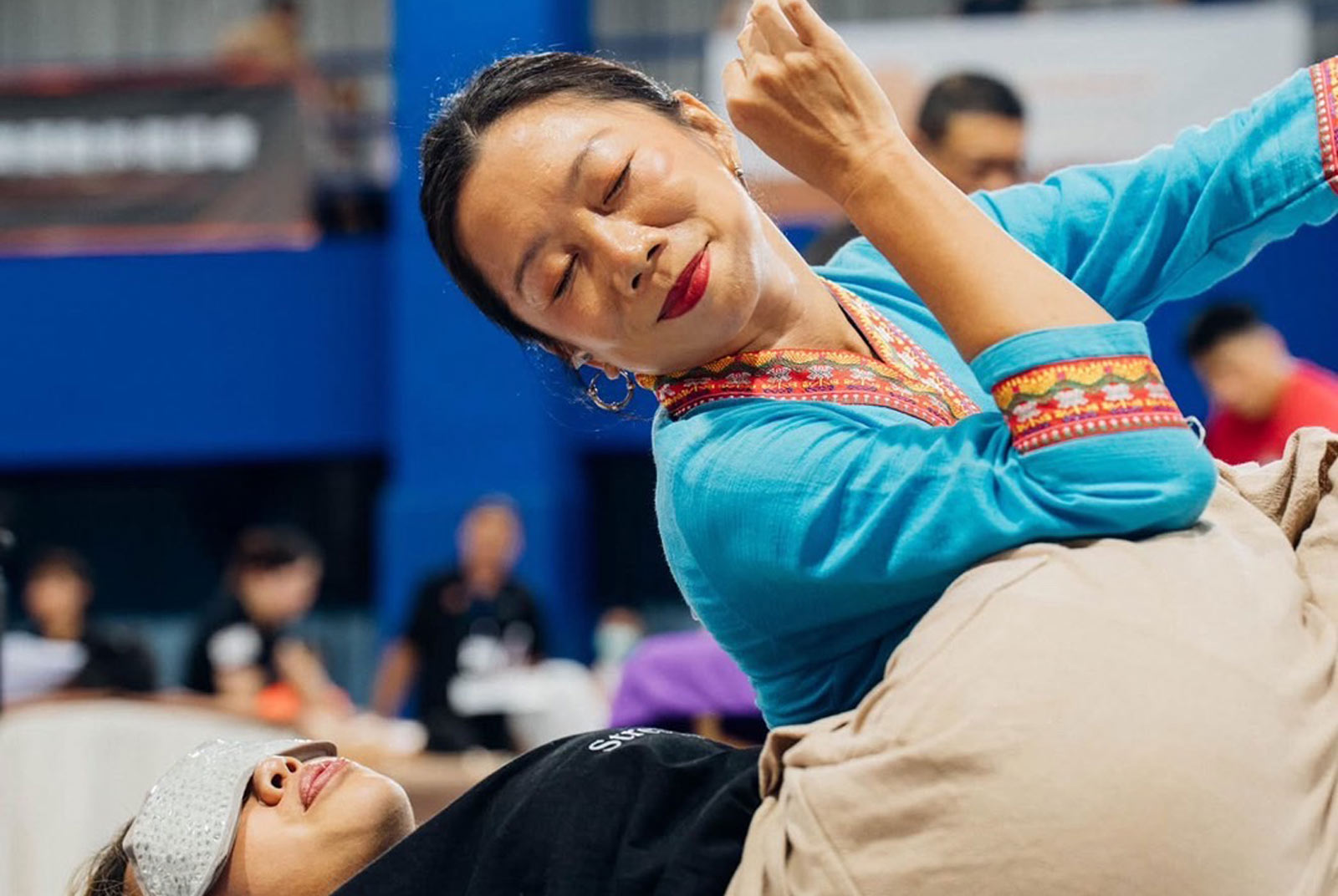
Li actively promotes Hsinchu County's Mobile Art Museum and arts-related community projects to help art take root in everyday life.
An open design that invites people to wander in
While the Mobile Art Museum and community projects cultivate an appreciation of art beyond museum walls, the Hsinchu County Museum of Art's task will be to build on the connections they forge. The new museum was designed by Chien Hsueh-yi, principal of Chien Architects & Associates, who aimed to keep the building close to people and the natural environment rather than make it an imposing presence. The building spreads out horizontally, blending into its surroundings and bringing to life the county government's vision of a "museum that breathes."
Enticing people to wander into a museum almost by chance takes clever architectural design. The building borrows the layout of a traditional Taiwanese courtyard house and features sloped-ceiling galleries and semi-open corridors. Sited between a park and a temple, the museum can draw residents in naturally as they go about their daily routines. "Art doesn't have to happen only in exhibition spaces. Courtyards, corridors, and even ordinary public areas can become places where people encounter art," said a member of the design team at Chien Architects & Associates. The team put the main exhibition spaces on the ground floor and preserved flexibility in ticketing and visitor access, so that public areas such as the lobby, courtyards, and corridors could remain open to anyone passing through, no ticket required. The museum aims to get people inside first, and then draw them toward the art itself.
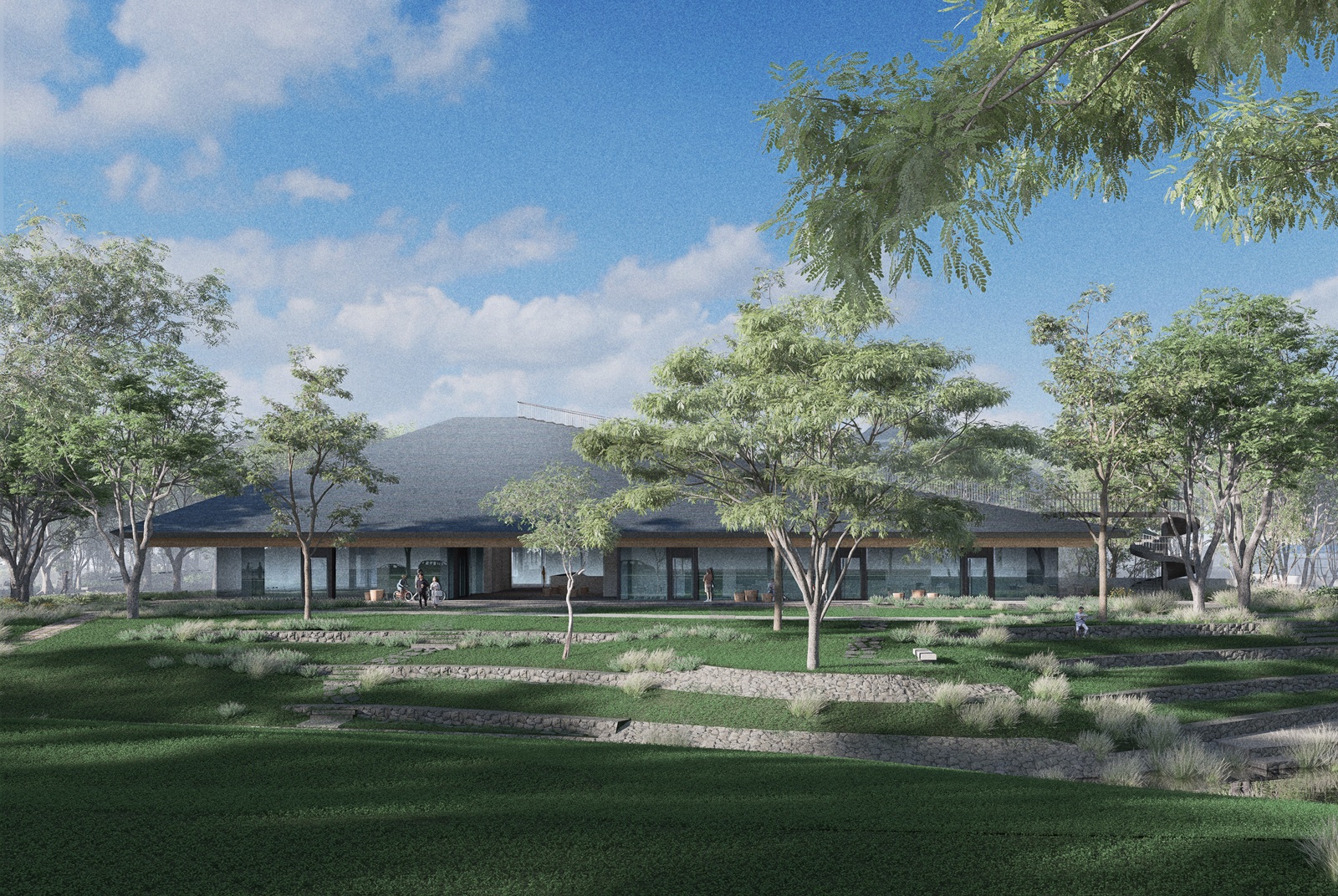
With its "open" design concept, the Hsinchu County Museum of Art effortlessly links a park and a temple, promising to draw in residents as they follow their everyday routes.
Building Hsinchu's cultural foundations on Hakka heritage and technology
Hsinchu County has a cultural character that sets it apart from the rest of Taiwan. Nearly 70% of its residents have Hakka ancestry, and Hakka heritage is deeply woven into daily life. At the same time, Hsinchu Science Park, a key global center for the technology industry, is the county's most visible emblem. The museum has therefore adopted Hakka heritage and technology as its two core themes, drawing on local history while reflecting the rise of technology-enhanced art. To bring together the creative energies of these two very different worlds, Chien Architects & Associates has designed a highly flexible "experimental action space" in the museum's basement. The space can serve as a platform for collaboration between the museum and outside organizations, letting technology act as a medium for artistic expression and public communication, while also giving the museum additional options for bringing in revenue.
"The museum's facilities are only the foundation. Professional talent and the operating model will determine what the museum can achieve," Li said. The Hsinchu County Government is still evaluating various operating models, hoping to find greater flexibility in hiring and funding to attract top talent.
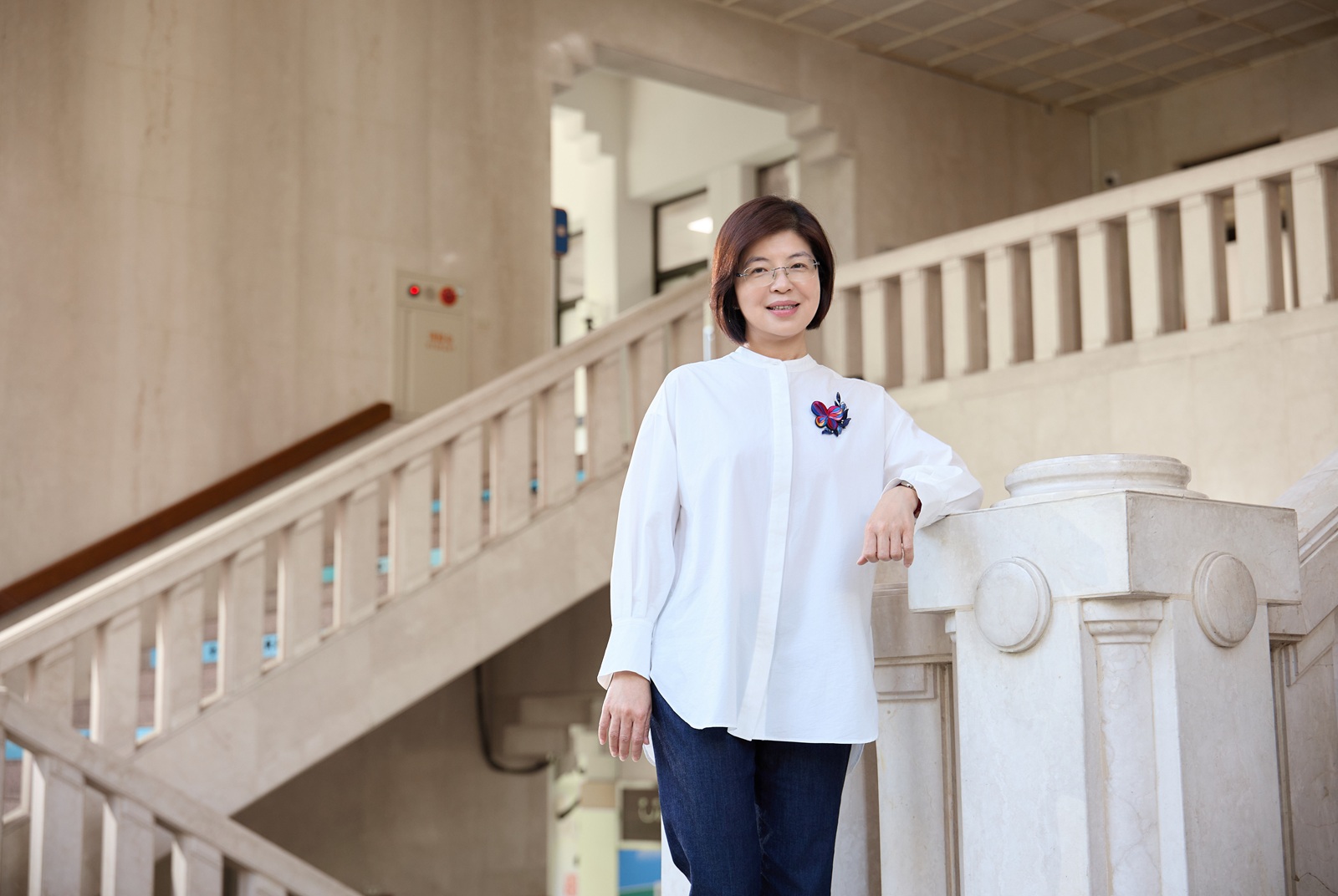
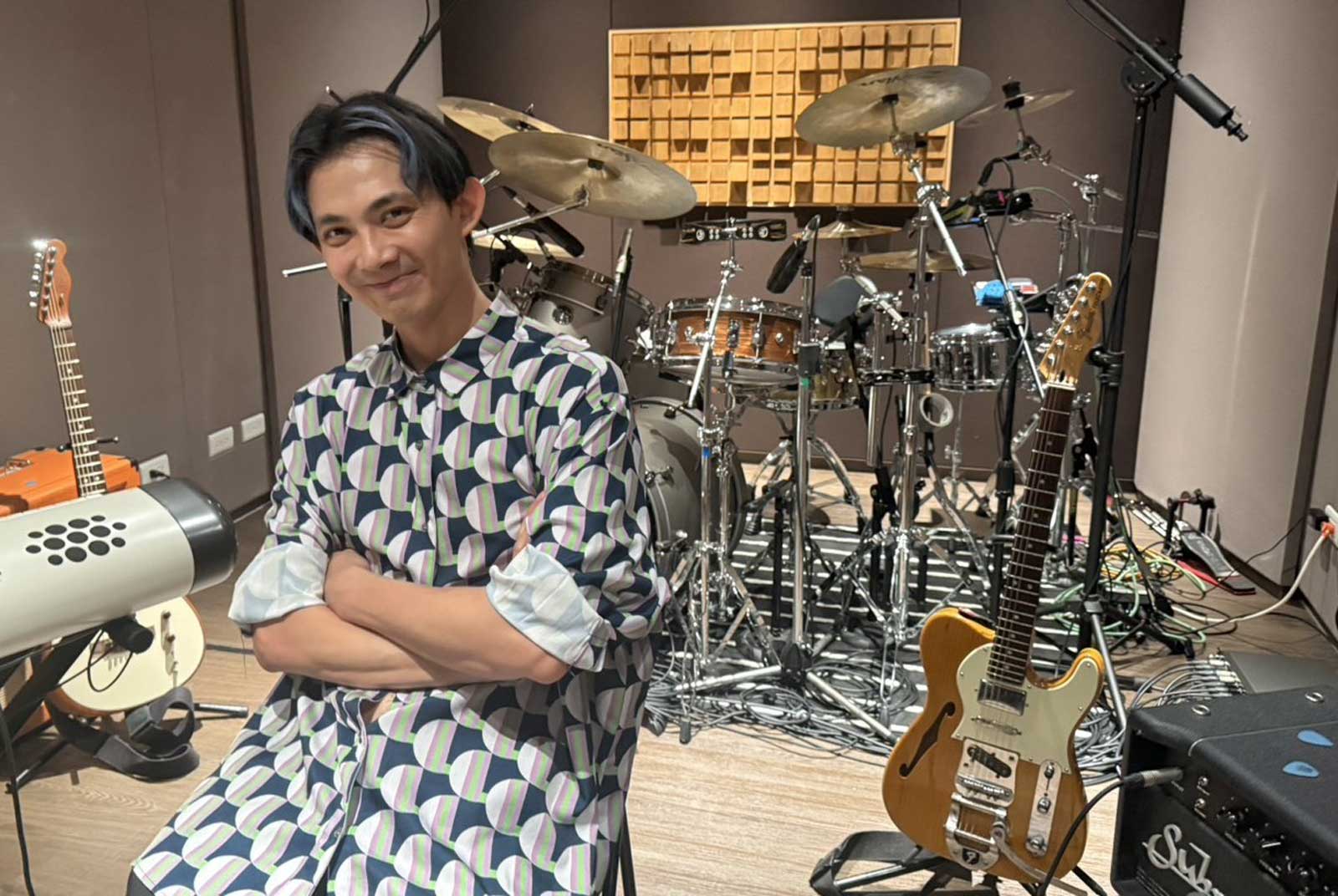
The Hsinchu County Government team is making Hakka heritage and technology the new museum's twin core themes and is building a flexible "experimental action space" to guide the public's exploration of local art and culture.
Beyond the museum's operating model, a longer-term question is how to keep cultural policy from being disrupted when administrations change. This year marks the 30th anniversary of the Hsinchu County Government's Cultural Affairs Bureau, and it has compiled a cultural policy white paper establishing four core values: heritage, distinctiveness, internationalization, and sustainability. The new Hsinchu County Museum of Art will be an important venue for putting these values into practice. When Hsinchu County's "breathing museum" officially opens to the public in 2030, it will showcase architectural excellence along with the deep cultural roots that this technology hub takes such pride in.
(Hsinchu County Government advertisement)
Views

Subscribe to CWE Newsletter (every Thursday)
Stay abreast of what's happening in Taiwan with our weekly digest.
Keywords: