Nvidia Turns to Samsung to Shake Up the AI Substrate Market. Unimicron and Kinsus Face a New Threat
Source:TechTaiwan
Nvidia’s AI boom is reshaping the substrate industry. As Kinsus races to join Nvidia’s supply chain and Taiwan’s leading suppliers accelerate capacity expansion, Samsung is emerging as a new challenger—raising the stakes for Unimicron and Kinsus in a market already struggling to keep pace with advanced chip demand.
Views
Nvidia Turns to Samsung to Shake Up the AI Substrate Market. Unimicron and Kinsus Face a New Threat
By Liang-rong Chenweb only
First, a brief introduction to Kinsus, Taiwan’s third-largest substrate manufacturer—and the one widely seen as having the strongest growth prospects.
That optimism stems from a corporate shake-up earlier this year, whose repercussions are still reverberating through the industry.
At the beginning of the year, T.J. Tseng(曾子章), the former chairman who had personally led Unimicron to become the world’s second-largest substrate manufacturer, was abruptly replaced by parent company UMC. Former UMC Co-President Shan-chieh Chien(簡山傑) took over as chairman.
The move triggered a chain reaction. Industry sources say TSMC, which had previously worked closely with Unimicron, subsequently turned to Kinsus to collaborate on the development of new packaging technologies and materials.
As a result, Kinsus, long regarded as a second-tier substrate manufacturer, gained an opportunity to enter Nvidia’s supply chain. It is now seen as a potential third supplier after IBIDEN and Unimicron.
“Nvidia is now grooming Kinsus as a supplier,” said an industry peer. Kinsus shares have consequently risen 5.5-fold since the beginning of the year, making it the best-performing stock among Taiwan’s three leading substrate manufacturers.
The pace of Kinsus’s capacity expansion is so aggressive that it is approaching that of industry leader Unimicron.
As reported in the previous newsletter, Unimicron spent NT$10.08 billion in early October to acquire Bridgestone’s former factory in Hukou, Hsinchu, setting a record for factory sales in northern Taiwan’s industrial parks in recent years.
Around the same time, Kinsus spent NT$6 billion to acquire the former Chu Shui Che(掬水軒) factory in Taoyuan’s Pingzhen Industrial Park.
Industry sources also say Kinsus was the company that competed fiercely with Unimicron for the former Bridgestone facility, ultimately losing the bid despite submitting the second-highest offer.

Why Are Substrate Manufacturers Racing to Buy Land and Expand Capacity?
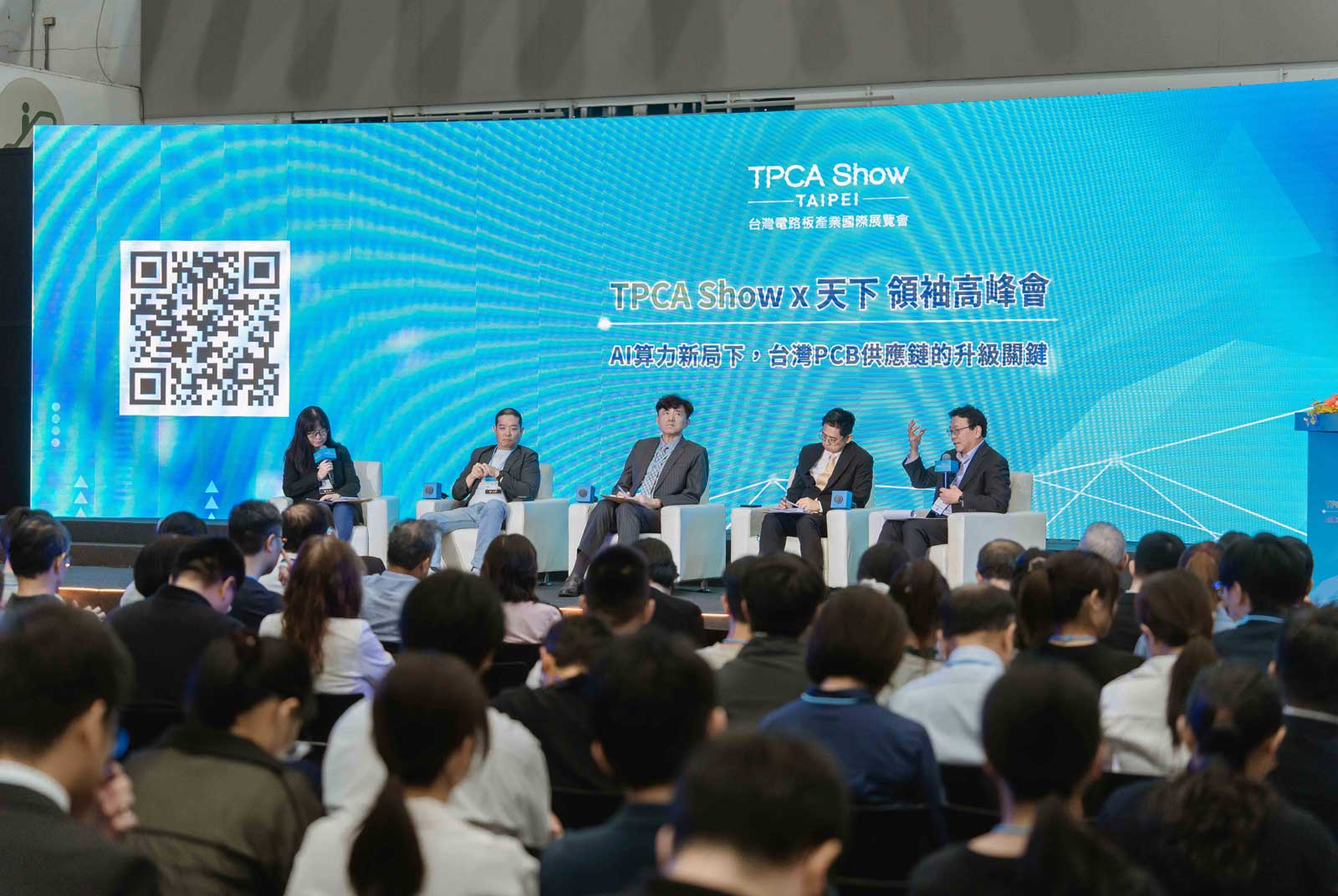
During his keynote speech at the Taiwan Printed Circuit Association Show (TPCA Show 2026), Unimicron Chairman Shan-chieh Chien identified a structural problem: insufficient capacity expansion.
Using 2024 as the base year, he noted that annual capital expenditures by major cloud service providers (CSPs) had increased to 6 to 6.8 times their 2024 levels by this year, while substrate capacity had only doubled.
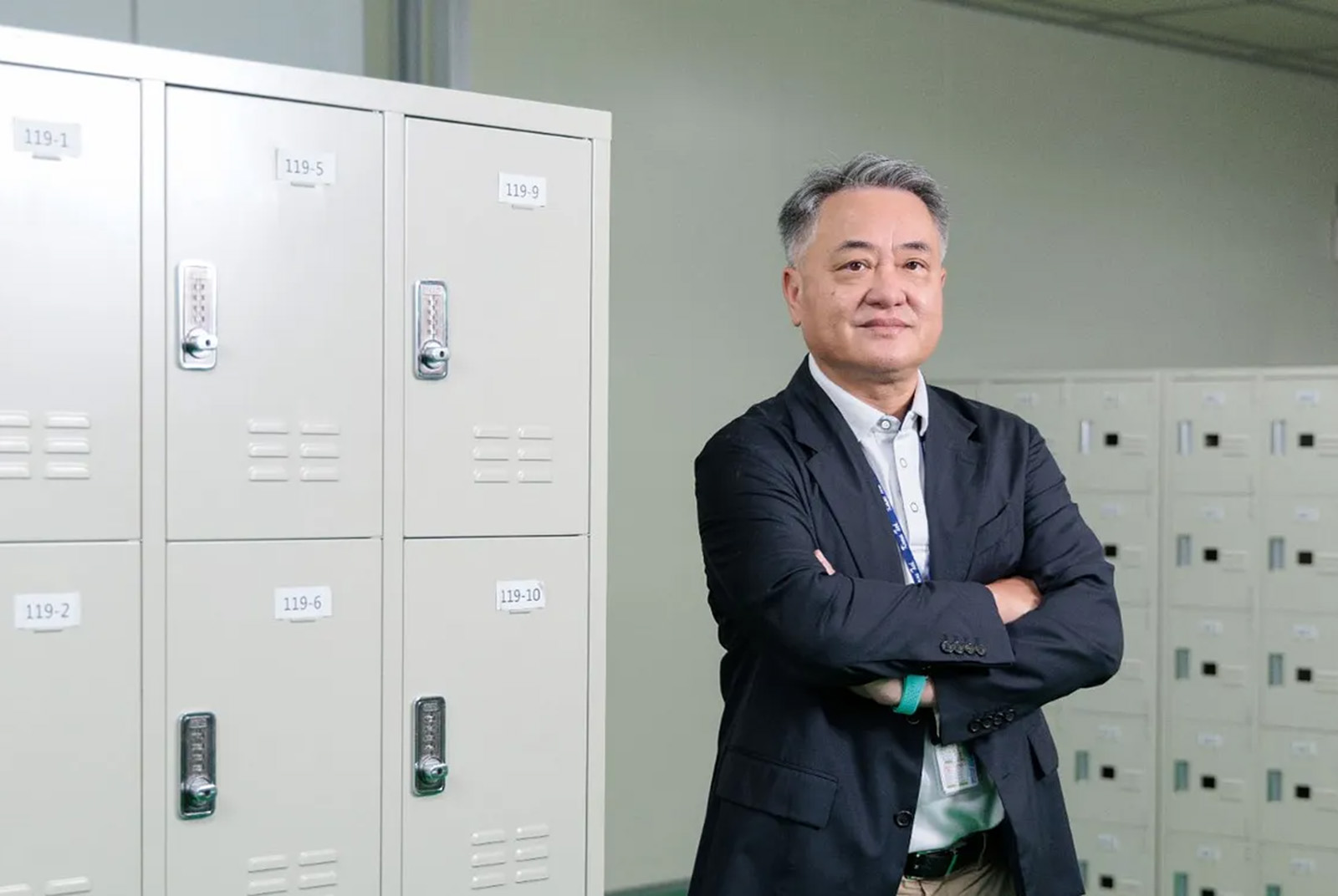
“Because everyone got burned by Apple in the past,” Ho-hsu Chen explained.
As a result, manufacturers remain deeply wary of the ambitious demand forecasts presented by customers.
“Almost everyone got burned in the last cycle. Now they’re afraid that after building a factory, the customer’s demand won’t last long enough to support it.”
But with Jensen Huang deploying both orders and financial support, Taiwan’s substrate manufacturers have now shifted into a race to catch up.
“I need to build a factory every three quarters,” Chen said.
Kinsus began catching up with TSMC’s 5nm process, which is used to manufacture Nvidia’s H100.
“I have five generations to catch up on: 5, 3, 2, 1.4, and 1,” he said. “I already have 5nm, and next year I need to move to 3nm.”
That raised a question for me. Since when did substrate manufacturers have to keep pace with Moore’s Law?
……
(To read this exclusive story in full, visit the Tech Taiwan Substack)
Have you read?
- Taiwan’s Auto Parts Makers Need Reliability Data to Win in AI Cooling
- Taiwan Builds World-Class Products. It Forgets to Tell Anyone
- How Taiwan Can Build Global Brands Without Losing Itself
Uploaded by Ian Huang
Views

Subscribe to CWE Newsletter (every Thursday)
Stay abreast of what's happening in Taiwan with our weekly digest.
Keywords: