Why TSMC Is Seeking Rare-Earth-Free Equipment as China Tightens Its Grip
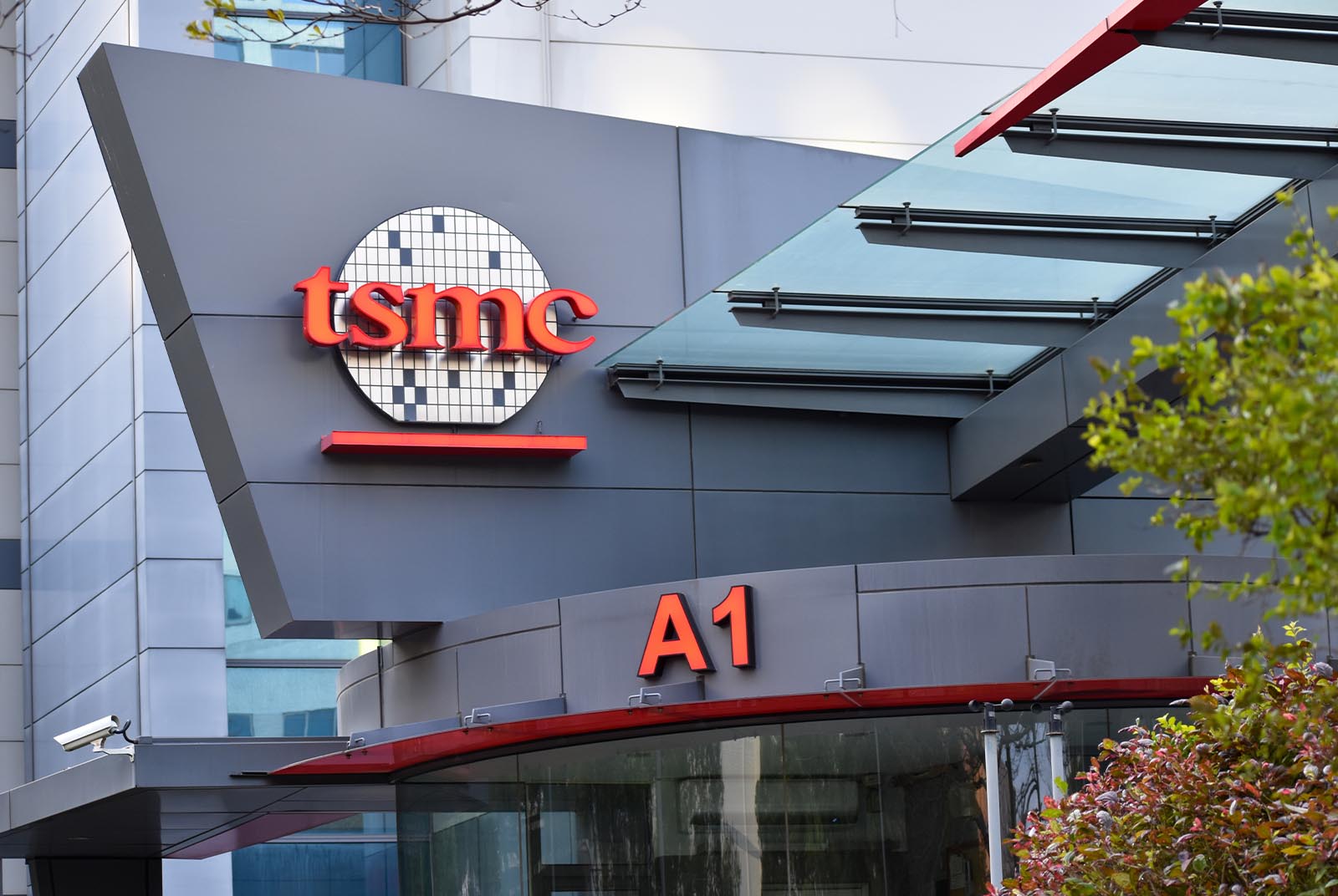
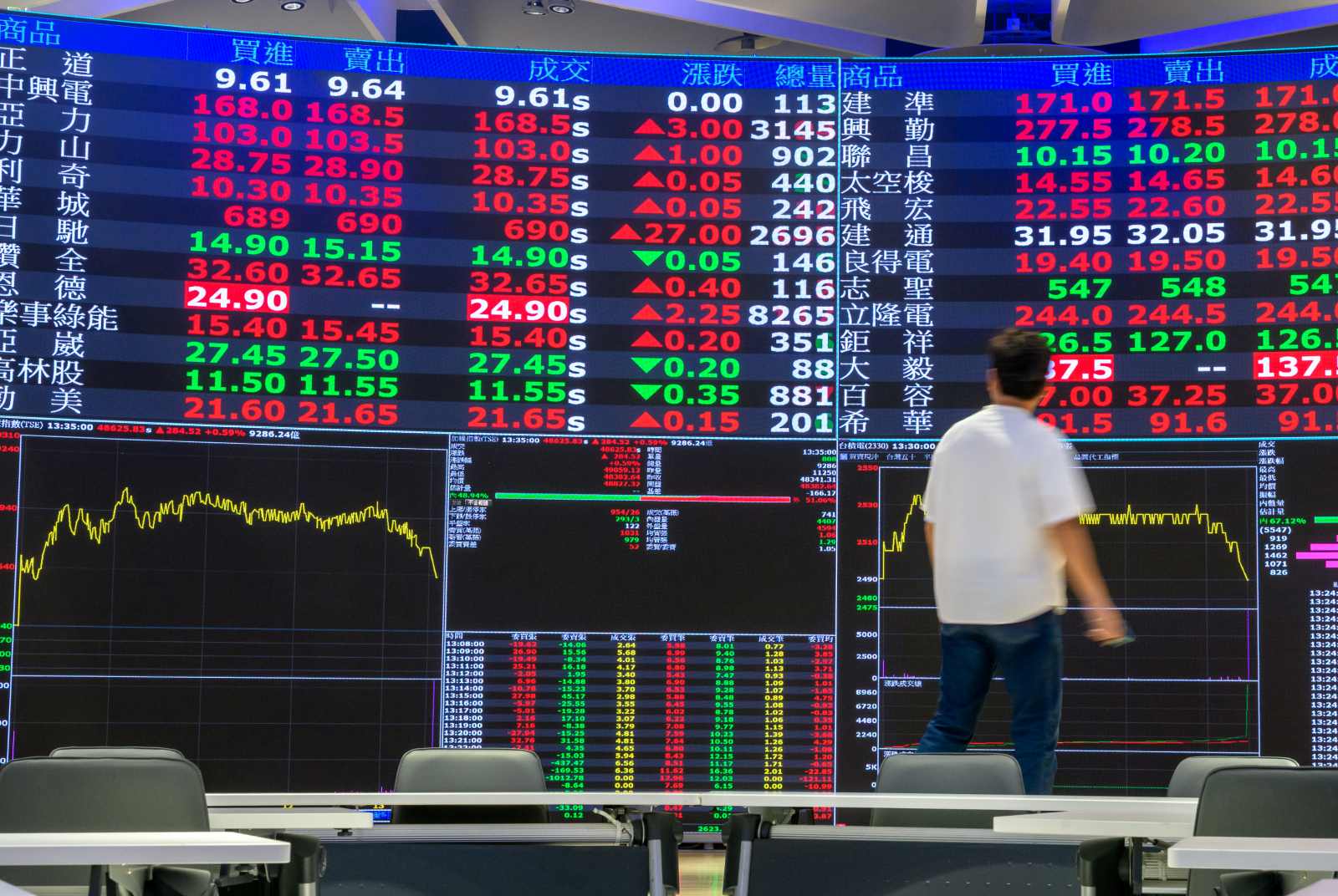
Source:Shutterstock
TSMC is exploring alternatives to rare-earth magnets used in factory equipment, according to Reuters. The move highlights a vulnerability in Taiwan's semiconductor supply chain—even though chipmaking itself consumes relatively little rare-earth material.
Views
Why TSMC Is Seeking Rare-Earth-Free Equipment as China Tightens Its Grip
By CommonWealth Magazineweb only
Taiwan Semiconductor Manufacturing Company (TSMC), the world's largest contract chipmaker, is exploring ways to reduce its reliance on rare-earth components in factory equipment as China's export controls raise concerns about potential disruptions to advanced semiconductor production.
According to an October 22 Reuters exclusive, three people familiar with the matter said TSMC had asked suppliers about using motors that do not require rare-earth magnets in its factory automation equipment.
The discussions remain preliminary, and no broad replacement program has been reported. TSMC did not comment on the Reuters report.
The development raises an important question: If rare earths account for only a small portion of the materials used in semiconductor manufacturing, why is the world's most advanced chipmaker looking for alternatives?
The answer lies in the distinction between the materials used to manufacture chips and the machinery needed to keep semiconductor factories operating.
China's rare-earth restrictions may have a limited direct impact on semiconductor production, but they can still create vulnerabilities in the equipment supply chain.
How does China's control of rare earths affect semiconductor equipment?
China's influence over the rare-earth supply chain extends well beyond mining.
In an earlier CommonWealth investigation into China's rare-earth leverage, industry experts explained that China's strongest position lies in refining and processing, where it controls much of the world's capacity.
Even rare-earth minerals extracted outside China may still pass through Chinese processing facilities before becoming usable industrial materials.
This creates dependencies across several stages of production.
A semiconductor equipment supplier may source motors from another country, while the magnets inside those motors rely on materials refined or manufactured in China.
Restrictions on rare-earth exports can therefore affect international manufacturers that do not purchase their raw materials directly from Chinese mining companies.
For chipmakers, the potential consequences extend beyond higher component prices.
A shortage of qualified replacement parts could complicate equipment maintenance, expansion, or procurement.
However, the scale of that risk depends on which components are affected, how much inventory suppliers maintain, and whether alternative products meet semiconductor manufacturing requirements.
Not every rare-earth restriction has the same impact on every piece of equipment.
Can TSMC replace rare-earth magnets with alternative motors?
Potentially, but replacing a component in a semiconductor manufacturing environment is not simply a matter of purchasing a different motor.
Rare-earth permanent magnets are widely used because they can provide strong magnetic performance in compact, efficient designs.
Alternative motor technologies may avoid certain rare-earth materials, but their suitability depends on the equipment's requirements.
Engineers must consider factors such as size, precision, energy efficiency, heat generation, reliability, and compatibility with existing machinery.
In semiconductor manufacturing, changes to equipment may also require extensive qualification before deployment.
Taiwan already has companies developing technologies that could help reduce reliance on rare-earth materials.
CommonWealth reported in May 2025 that Taiwanese manufacturer TECO Electric had developed motors that do not require rare earths.
Such technologies demonstrate that alternatives exist, although they do not establish that any particular motor is qualified for use in TSMC's semiconductor equipment.
Reuters did not identify which suppliers TSMC had approached or specify which alternative motor technologies were under consideration.
It remains unclear whether the company's discussions will lead to widespread equipment changes.
Taiwan wants to produce half its own rare-earth needs by 2030
Alongside the industry's search for substitutes, Taiwan is pursuing a separate strategy: developing domestic rare-earth processing and production capabilities.
On October 24, Taiwan's Industrial Technology Research Institute (ITRI) disclosed plans to establish a demonstration facility capable of producing approximately 500 metric tons of rare-earth materials annually by the end of 2030.
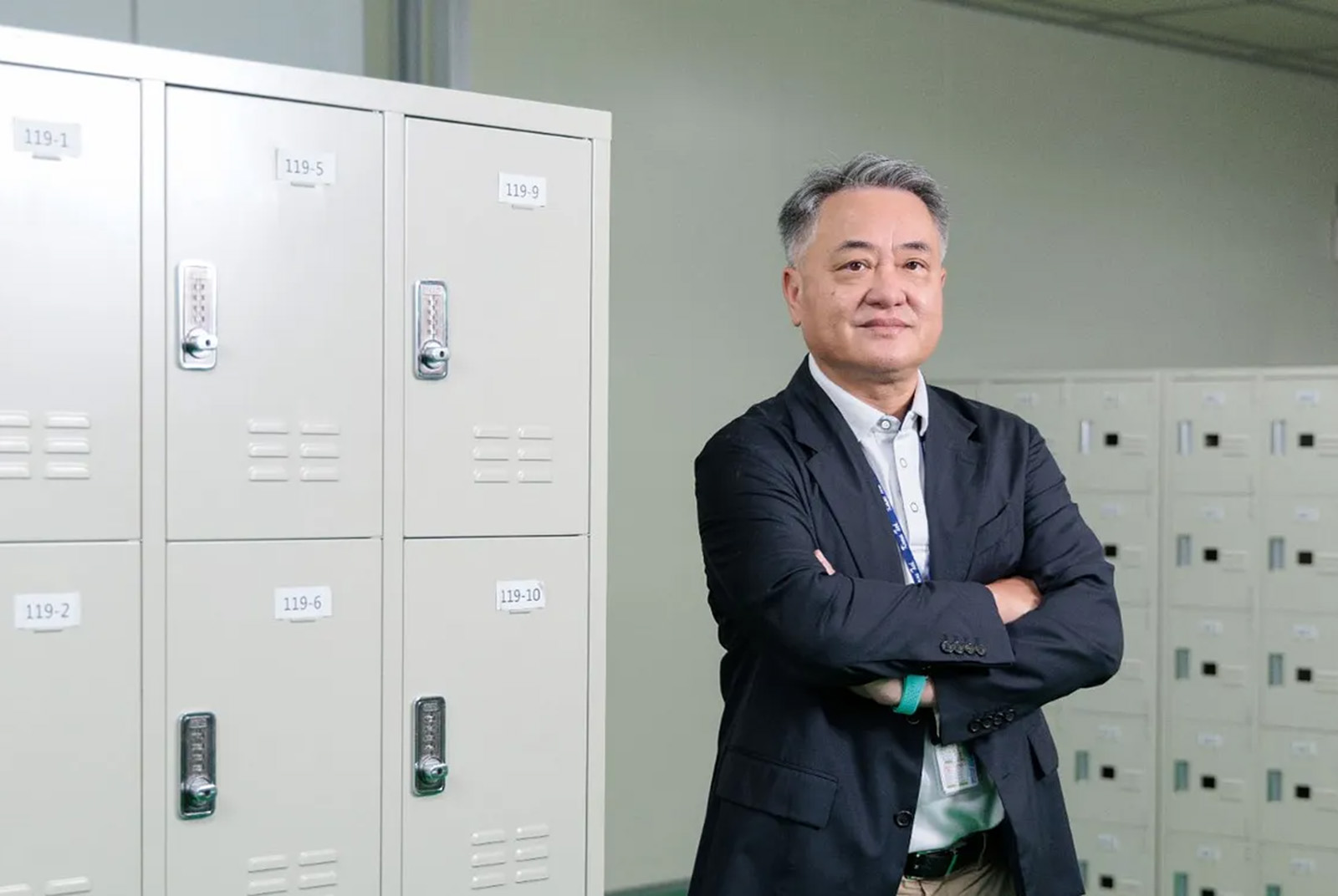
According to Taiwan's Central News Agency, ITRI President Chang Pei-zen said the proposed output could meet about half of Taiwan's domestic demand.
The institute currently operates an experimental production line with an annual output of approximately five metric tons.
Reaching the proposed target would therefore require increasing output by roughly 100 times.
ITRI aims to complete construction of the demonstration facility by the end of 2028, then refine production processes and work toward the 2030 capacity target.
The project remains in the planning stage.
Funding arrangements, potential government support for private investors, and the commercial model have not been finalized.
The technical challenge is also substantial.
Rare-earth elements have similar chemical properties, making separation and purification complex. Producing high-quality materials at industrial scale requires specialized processes, equipment, and expertise.
The proposed facility represents an effort to build capabilities that Taiwan currently lacks at scale, rather than an immediate solution to the semiconductor industry's supply-chain concerns.
It is also important to distinguish the new production target from earlier, narrower estimates of rare-earth demand for specific industrial uses. The announced 500-ton capacity goal and the estimate that it could meet half of domestic demand refer to a broader planned production scope; they should not be directly compared with figures for semiconductor-specific consumption.
Can Taiwan reduce its dependence on China's rare earths?
Taiwan has several potential ways to reduce its exposure to Chinese rare-earth supply restrictions.
One is to diversify sources of raw materials and processed products.
Another is to develop local separation, refining, recycling, and magnet-production capabilities.
A third is technological substitution, including motors and equipment designed to operate without certain rare-earth materials.
Each approach addresses a different part of the supply chain.
Diversification can reduce dependence on a single supplier or country, but alternative suppliers may still rely on Chinese processing.
Domestic production could provide greater control over selected materials, but building industrial-scale capacity takes time and investment.
Substitution could eliminate the need for certain restricted materials altogether, although alternatives must meet the demanding technical standards of their intended applications.
Taiwan is also working with international partners to strengthen critical-mineral supply chains.
Reuters reported that the United States has expressed interest in ITRI's rare-earth development efforts as Washington and Taipei explore ways to diversify supply and processing capacity.
For Taiwan's semiconductor industry, the goal is not necessarily to replace every imported rare-earth component.
It is to ensure that a restriction affecting a relatively small but critical component does not become a bottleneck for an industry central to the global technology economy.
FAQs
Does TSMC use rare earths?
Rare-earth materials are used in certain industrial equipment components, including permanent magnets in motors. Reuters reported that TSMC is exploring motors that do not require rare-earth components for factory automation equipment.
Why is TSMC looking for rare-earth-free equipment?
According to Reuters, TSMC has consulted suppliers about alternatives as a precaution against potential disruptions caused by China's rare-earth export controls. The discussions are preliminary.
Could China stop Taiwan from making advanced chips by restricting rare earths?
China's controls could create equipment supply-chain risks, but there is no evidence that they have stopped TSMC's advanced chip production. The impact depends on affected components, inventories, alternative suppliers, and equipment qualification.
Can semiconductor factories operate without rare-earth magnets?
Some alternative motor technologies do not require rare-earth magnets. However, whether they can replace existing components depends on the equipment's technical and operational requirements.
Does Taiwan produce its own rare earths?
Taiwan has experimental rare-earth production and processing capabilities. ITRI is planning a demonstration facility targeting annual output of 500 metric tons by the end of 2030, but the project has not yet reached commercial scale.
Why does China dominate the rare-earth supply chain?
China has a particularly strong position in rare-earth processing and refining, not just mining. This makes international manufacturers dependent on Chinese supply-chain stages even when raw materials originate elsewhere.
The Bottom Line
TSMC's reported search for rare-earth-free equipment does not contradict earlier assessments that Taiwan's semiconductor industry has relatively limited direct demand for rare-earth materials.
Instead, it reveals another dimension of supply-chain risk.
Advanced semiconductor manufacturing depends not only on the materials that go into chips, but also on the specialized machinery, motors, and replacement components that keep factories running.
For Taiwan, reducing that vulnerability will require a combination of alternative technologies, diversified suppliers, and domestic processing capabilities.
The central challenge is ensuring that China's dominance over a small but strategically important group of materials does not become a point of failure for the world's most advanced semiconductor industry.
Have you read?
- Why China's Rare Earth War Has Limited Impact on Taiwan's Chip Industry
- China's Rare Earths Chokehold: Which Taiwan Industries Might Suffer?
- Merck and ASML Deepen Taiwan Presence as EUV Materials and Core Technologies Go Local
Uploaded by Ian Huang
Views

Subscribe to CWE Newsletter (every Thursday)
Stay abreast of what's happening in Taiwan with our weekly digest.
Keywords: