The Birth and Transformation of Taiwan’s Yuai Group
The Turbulence of History and “Beautiful, Correct Japanese”
Source:Yada Ririko
For Taiwan’s Japanese-speaking generation, language is more than a tool—it is a record of colonial rule, political suppression and personal memory. Through the Yuai Group, elderly Taiwanese, Japanese volunteers and younger learners are preserving the voices of a generation whose relationship with Japanese has survived decades of historical upheaval.
Views
The Turbulence of History and “Beautiful, Correct Japanese”
By Yada Ririkoweb only
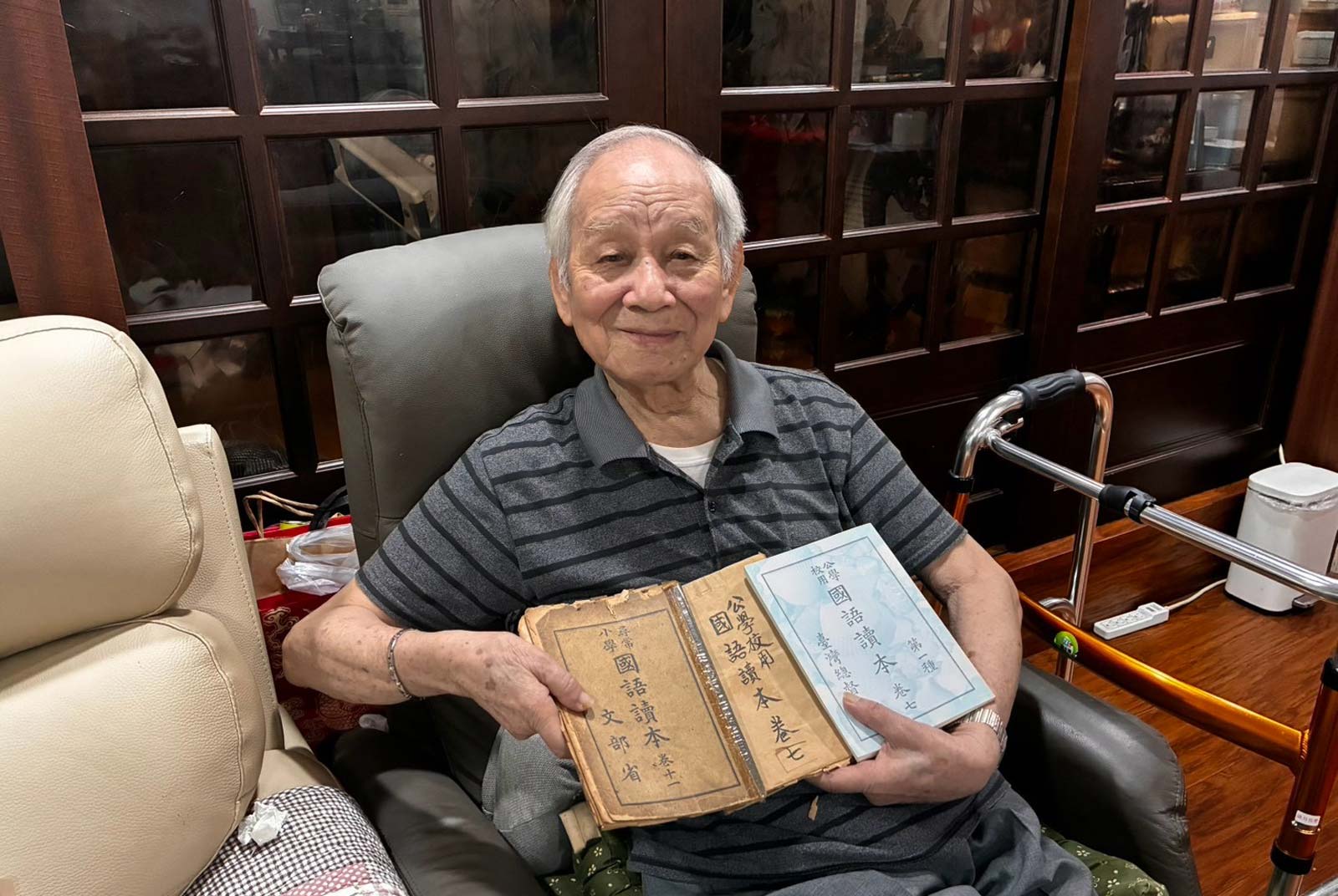 Ms. Lin Ting-chang, who displays textbooks from the Japanese ruled era
Today, it is common to see young people study Japanese in Taiwan. Many do it for career advancement or entertainment. Yet the presence of Japanese in Taiwan cannot be understood through practicality alone.
Behind it lies a history in which language was shaped—and at times suppressed—by politics, while being preserved as part of individual dignity.
One symbolic stage for this history is the Yuai Group (友愛會), a non-profit organization based in Taipei. During the period of Japanese rule from 1895 to 1945, a generation of Taiwanese people learned and used Japanese. In 1992, intellectuals from this generation, including co-founder Chen Tsan-hui, established the Yuai Japanese Language Club, the predecessor of the Yuai Group.
The catalyst was a “translation incident” at an official Japan-Taiwan cultural exchange event, when an interpreter used an inappropriate Japanese expression while welcoming the widow of Nobel Prize-winning author Yasunari Kawabata and other Japanese guests. Shocked by what they saw as a failure to preserve the quality of Japanese they had inherited, the founders were determined to pass on “beautiful, correct Japanese.”
Yet restrictions on Japanese-language media and gatherings made open activities difficult. As Taiwan democratized under President Lee Teng-hui, those restrictions eased, and the group gradually became a space where Japanese-language-generation elders, Japanese people drawn to their stories, and Taiwanese learning Japanese could meet as equals across generations and nationalities.
Japanese-Language Generation: Textbooks Preserved in an Urn and the Pride of a Storyteller
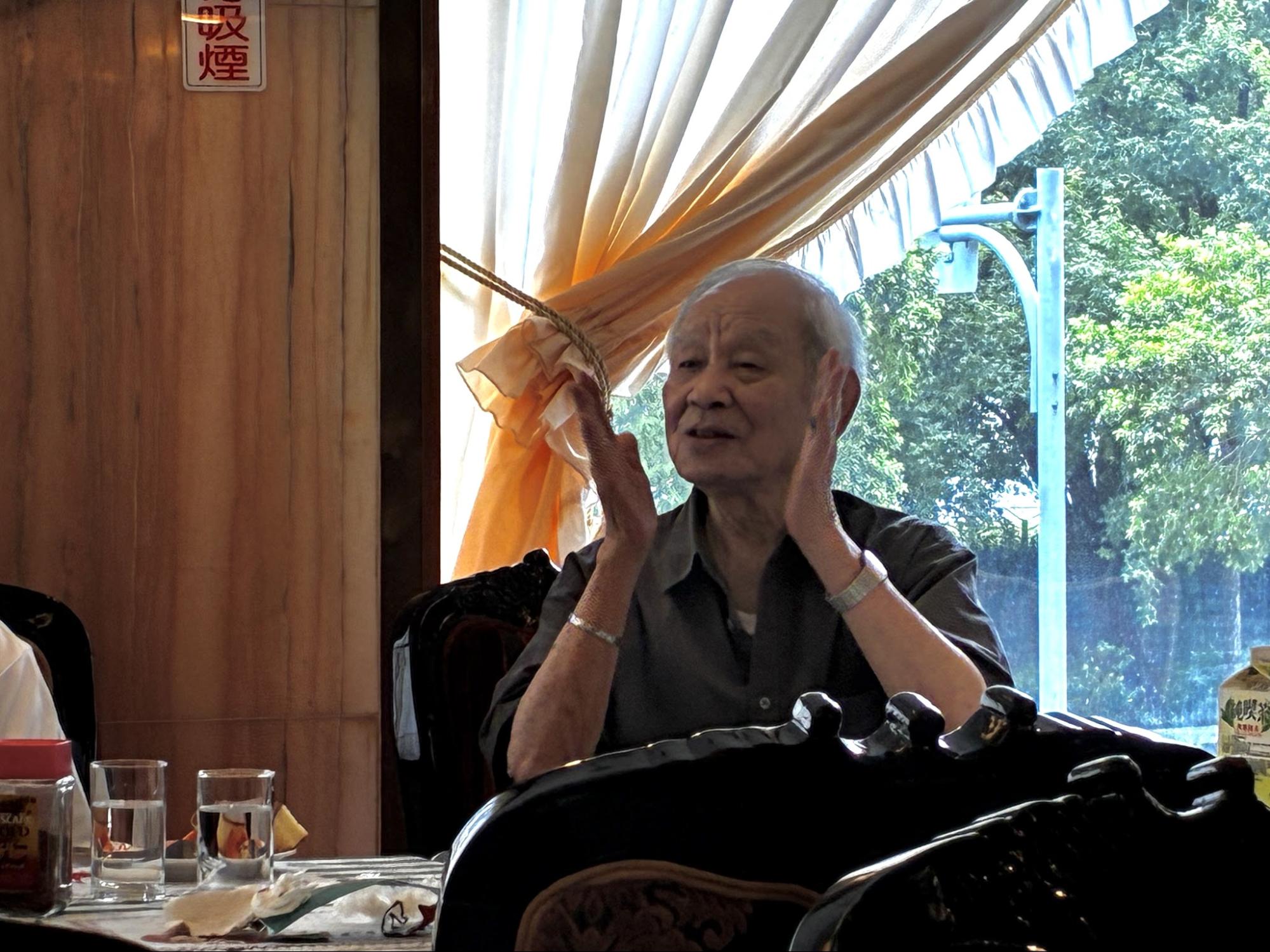 Lin Ting-chang participating in a Yuai Group Event
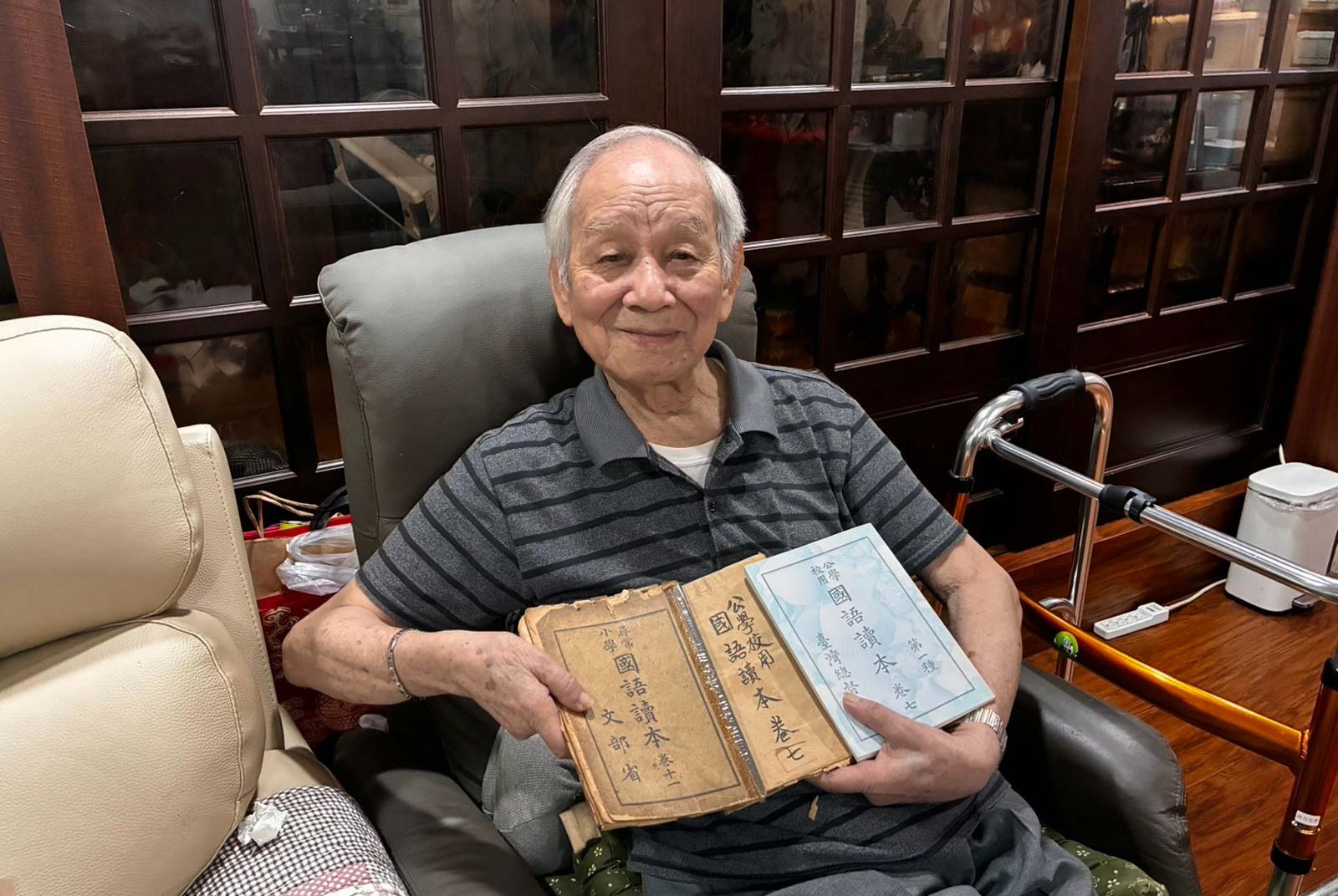
The Yuai Group still welcomes elderly participants who speak Japanese with remarkable clarity and dignity. One of them is the 95-year-old Lin Ting-chang (林廷彰), who was born in Jiufen, New Taipei City, a gold-mining town in northern Taiwan. He first encountered the Japanese language at a local public school, where a Japanese teacher named Sasaki taught through everyday objects. To Lin, Japanese became a beautiful language associated with a kind and memorable teacher.
That era ended with Japan’s defeat in the Second World War. After taking control of Taiwan, the Nationalist government promoted Mandarin-language education and severely restricted Japanese. Even possessing Japanese books could be dangerous. Lin refused to see the books he treasured destroyed. He placed his Japanese textbooks and moral education books in an urn and secretly hid them in a grave, where they survived for decades.
“I’ve always been someone who takes great care of things and books. I simply couldn’t accept seeing those beautiful books, those precious words I learned from a kind teacher, burned like scraps of paper.”
After retirement, Lin became a volunteer Japanese teacher for young people in Jingmei, Taipei. He copied the textbooks he had recovered from the grave and used them as teaching materials.
“This is the real Japanese that I learned.”
He has also shared his wartime experiences with Japanese students. Although he still carries frustration over Japan’s postwar abandonment of Taiwan, he continues to teach and tell his story—a way of preserving the language and history he fought to protect.
Japanese Volunteer: Captivated by the Beauty of Language
The language Lin preserved would eventually change the life of Atsuko Uchikata, now a member of the Yuai Group’s executive committee. She came to Taiwan in 2004 because of her husband’s work, knowing little about Taiwan’s history or its relationship with Japan.
Her perspective changed after joining a volunteer activity with members of the Japanese-language generation and encountering elderly Taiwanese who spoke Japanese with unexpected fluency and warmth.
“If I had stayed in Japan, I might never have understood how important nationality can be. But when I met them and felt the warmth of their language, I decided that as long as I am in Taiwan, I want to devote my time to these people.”
One member told her, “When we were born, we were Japanese, just like you.” Confronted with a history very different from her own, Uchikata felt both guilt and deep gratitude toward those who had preserved the language through decades of restriction. She joined the Yuai Group in 2013, eventually taking responsibility for its administration.
"While they are still healthy enough to hold a microphone, I want to preserve their voices for even one second longer. That is the only way I can give something back to them.”
Today, as its Japanese-language-generation members rapidly age, she records their “beautiful Japanese” and “living testimonies” through video, audio, and oral-history interviews, hoping to preserve their voices while they are still able to speak.
A New Form of Intergenerational Exchange and the “On-the-Ground Value” of Language
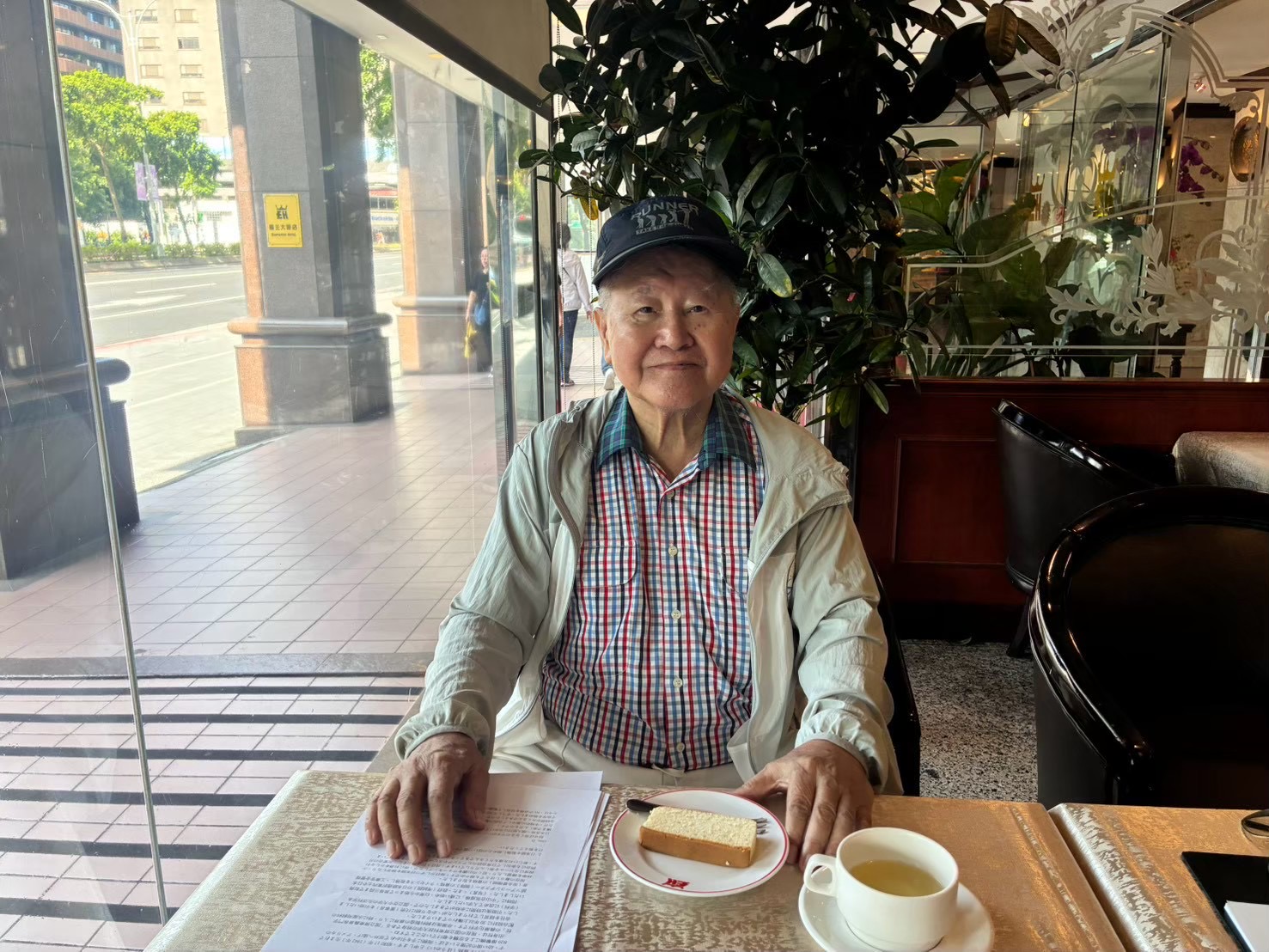 Lei Feng-ming, who participates in the Yuai Group and studies Japanese
The language Lin fought to preserve and the space Uchikata continues to support now reach a new generation through Lei Feng-ming, a Taiwanese man born in 1942. His parents belonged to the Japanese-language generation, and he grew up hearing Japanese at home but had little opportunity to study it himself. After retirement, he began learning Japanese independently and at 72-years -old, eventually passed Level N2 of the Japanese-Language Proficiency Test.
For Lei, Japanese was a “key” to the language his parents once spoke and the culture behind it. At the Yuai Group, he encountered elderly members who had actually lived through Japanese rule. “Their stories are living human experiences that you can’t find in books or textbooks. Just listening to them gives me an intellectual thrill.”
Through language, Lei connects with the elders and learns directly from their lives and values. As the Japanese-language generation grows smaller, he believes the group must find new ways to attract younger generations and carry these experiences forward.
More than three decades after its founding in a quiet Taipei café, the Yuai Group has changed, but its essence remains: people of different generations and backgrounds meeting as equals and listening to one another.
This is the “on-the-ground value” of language in an age of increasingly sophisticated AI translation. The warmth of Lin’s teacher Sasaki, the beauty of Japanese that moved Uchikata, and the life experiences Lei encounters cannot be conveyed through translation alone. They emerge through voices, expressions, pauses, and face-to-face trust.
According to Ou Su-ying, a historian at Academia Historica and National Taiwan University, the retention of Japanese among this generation reflects a profound historical transformation. While initially imposed as a tool of colonial governance, the language became deeply tied to personal gratitude, memories of mentorship, and a long post-war search for self-identity and dignity.
“The true value of oral history lies in face-to-face interaction—capturing eye contact, tone of voice, and human warmth that AI or written text cannot reproduce,” she said, “It serves as a mirror of history, allowing future generations to inherit lived experiences and human connection.”
Learning a language is therefore not simply mastering a tool. It is a way of encountering the lives, histories, and cultures behind words.
In a world increasingly defined by efficiency and instant translation, the enduring value of language may lie precisely in what technology cannot reproduce: the human encounter itself.
Have you read?
- Victims of the White Terror: The Story of Fred Chin
- Chiang Ching-Kuo: The Leader Behind Taiwan’s Transformation and Global Connections
- A Cultural Exploration of Baseball in Taiwan
Uploaded by Ian Huang
Views

Subscribe to CWE Newsletter (every Thursday)
Stay abreast of what's happening in Taiwan with our weekly digest.
Keywords: