Harvard’s Steven Levitsky: Taiwan’s Biggest Democratic Risk Is “Constitutional Hardball”
Source:Getty Images
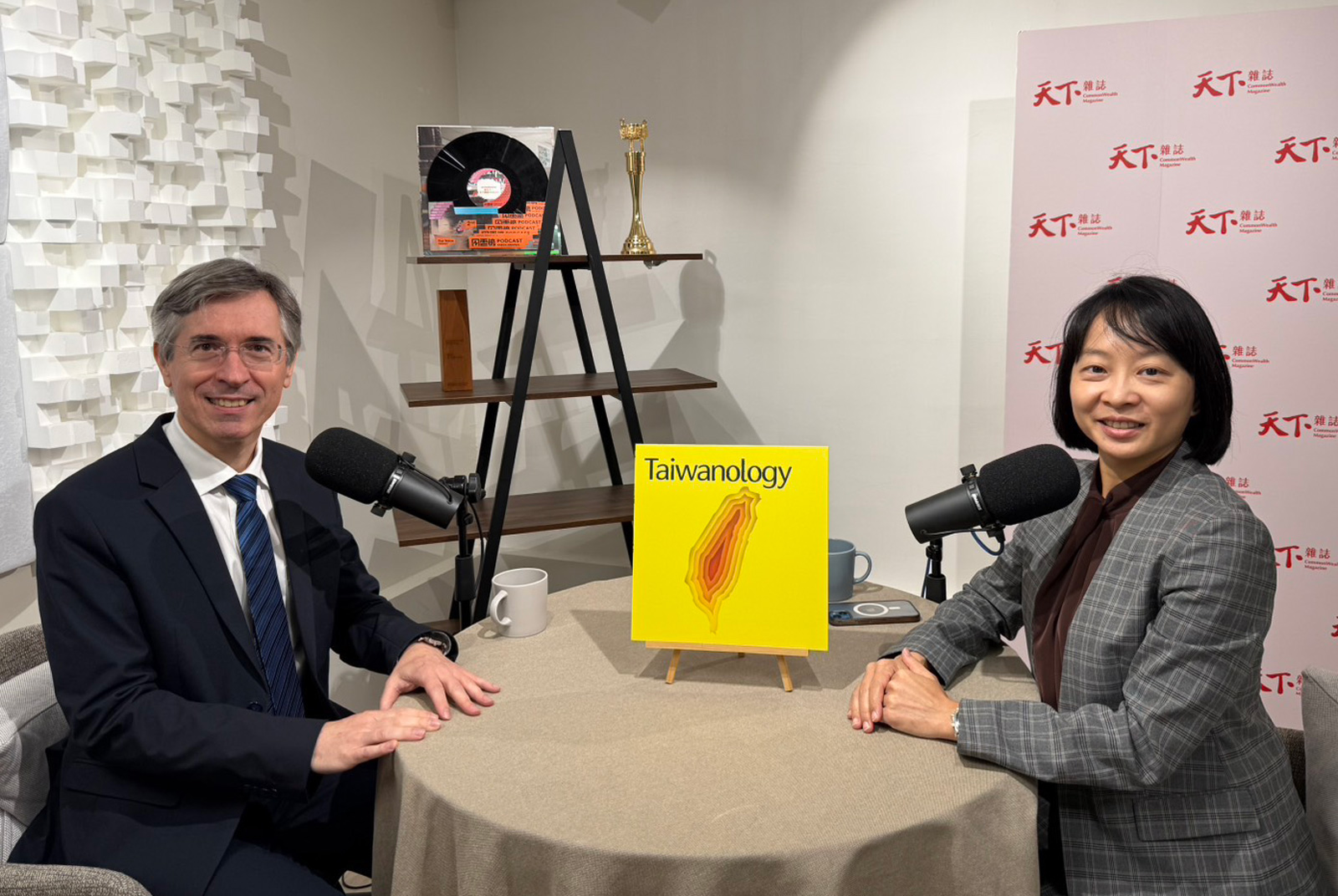
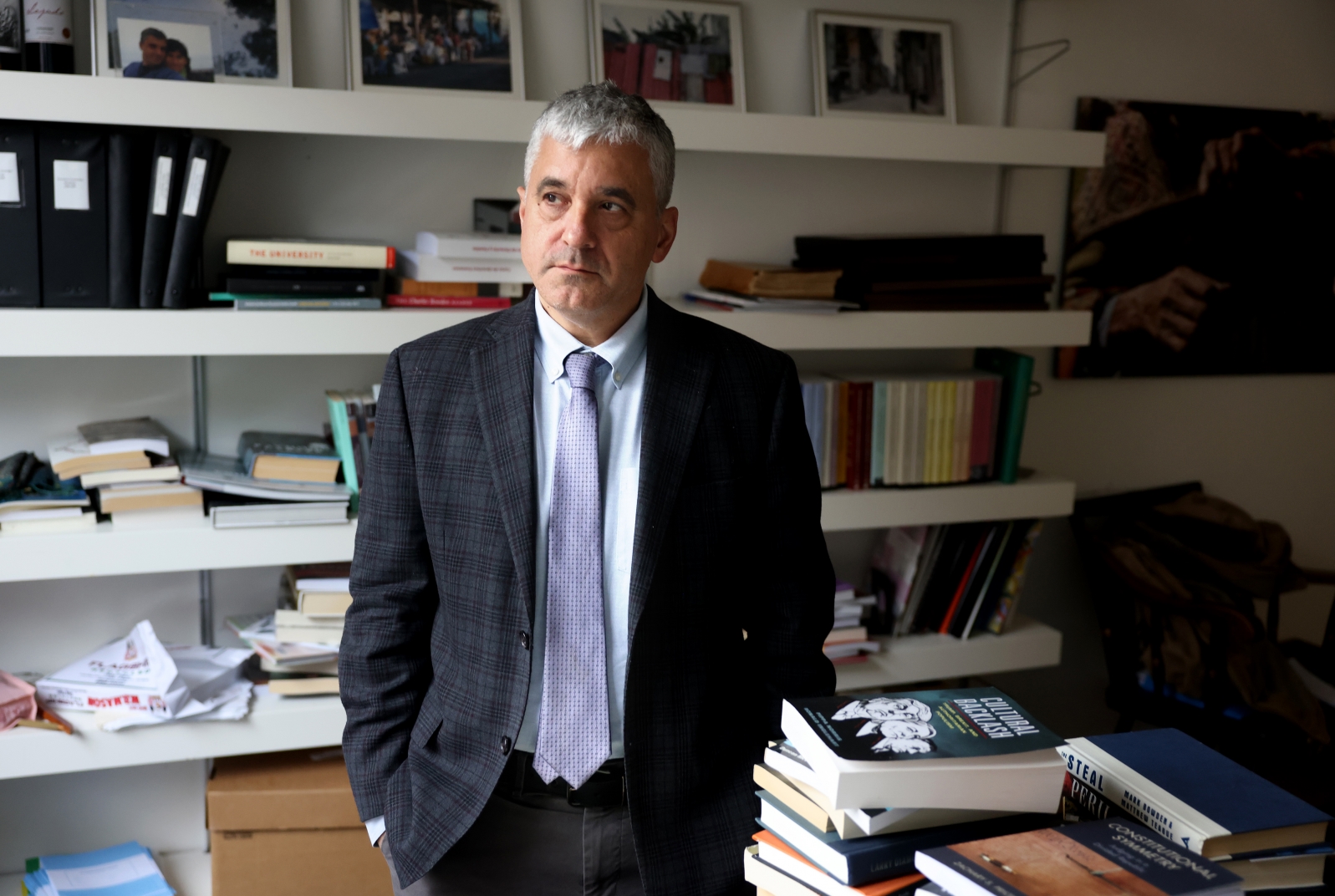
Is democracy in a global crisis? In an interview with CommonWealth, Steven Levitsky, Harvard political scientist and co-author of How Democracies Die, says Taiwan’s democracy now outperforms America’s. He warns, however, that partisan fighting over the rules could leave it dysfunctional.
Views
Harvard’s Steven Levitsky: Taiwan’s Biggest Democratic Risk Is “Constitutional Hardball”
By Chun-chieh Yangweb only
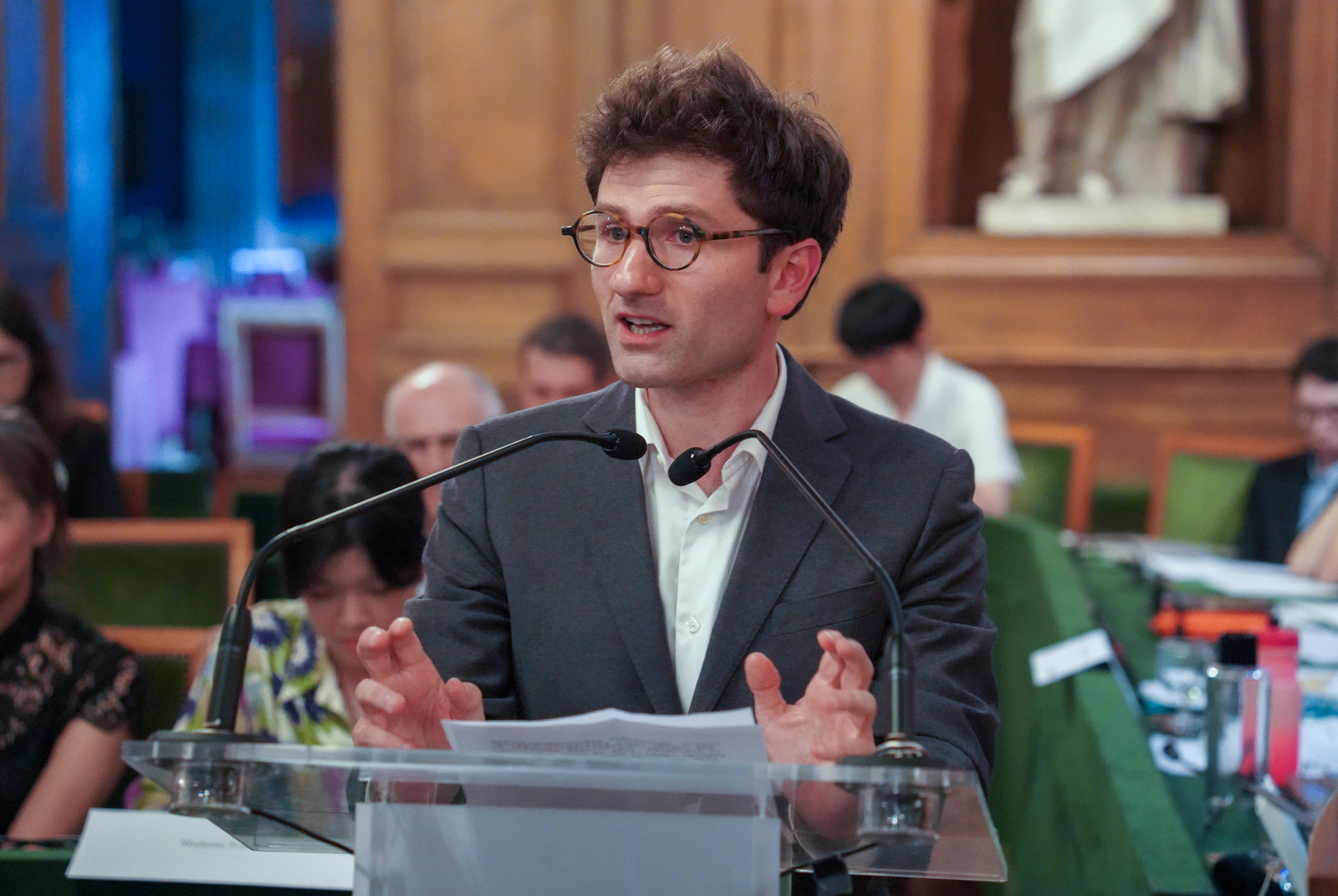
The threat to democracy comes from within. In 2018, Harvard political scientist Steven Levitsky (李維茲基) and his colleague Daniel Ziblatt published How Democracies Die. The book was the first to systematically lay out the argument that today’s democracies are less likely to fall to military coups than to be eroded gradually, from the inside, by elected leaders. Former US President Barack Obama recommended it.
Levitsky is a scholar of comparative politics. In an interview with CommonWealth, he explained why partisan polarization is making Taiwan’s democracy “dysfunctional,” and what political elites must do to defend its guardrails. Edited excerpts follow.
Profile: Steven Levitsky
Born: 1968
Current position: Professor of Government, Harvard University
Education: PhD in Political Science, University of California, Berkeley
Notable: Co-author of How Democracies Die; Senior Fellow for Democracy, Council on Foreign Relations
I think claims of a global crisis of democracy are somewhat overstated. Most of the countries that democratized in the final quarter of the 20th century, Taiwan included, remain democracies today. Democracy has proven pretty resilient in most of the world.
That doesn’t mean we can be complacent.
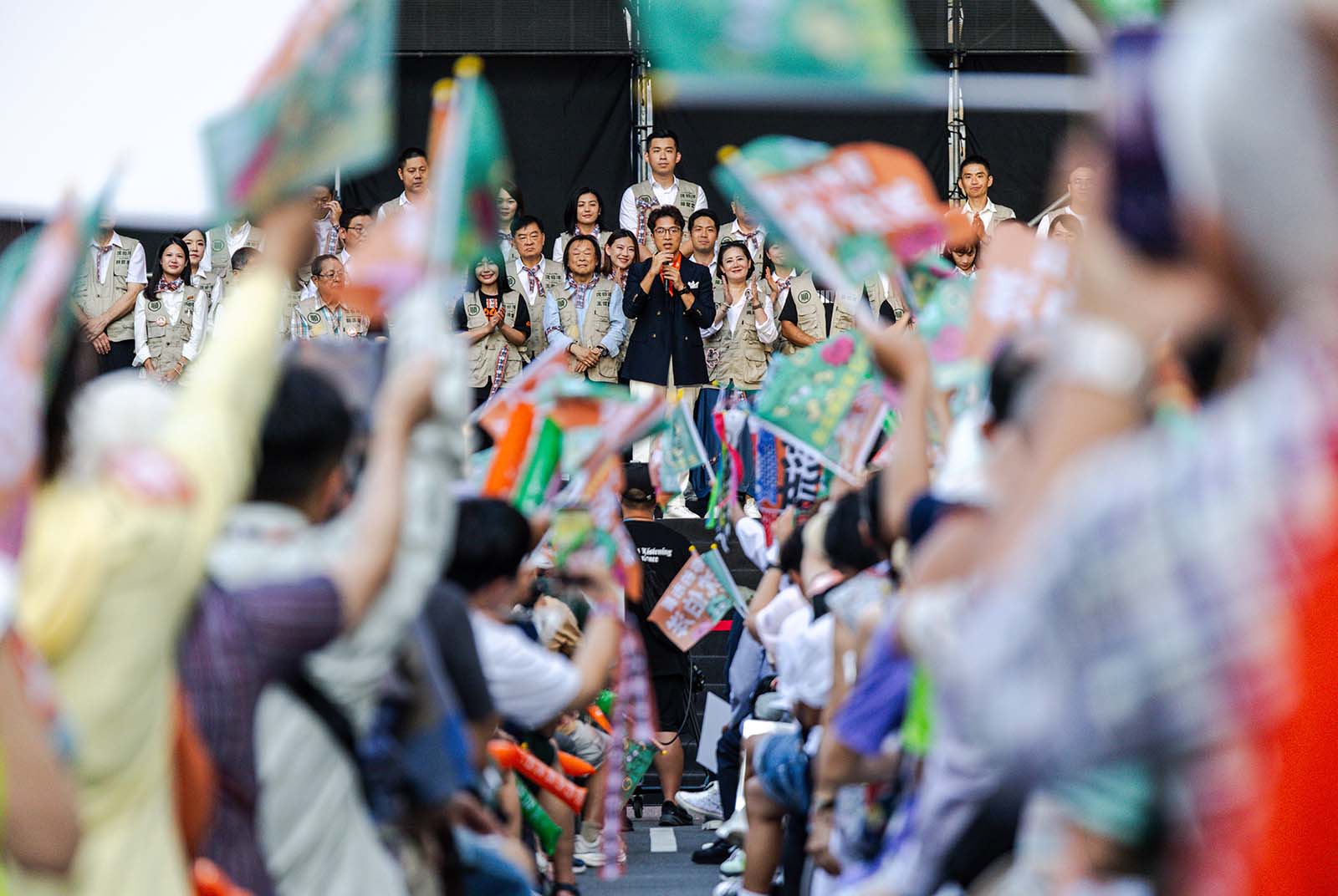
Like many democracies, Taiwan is grappling with polarization.
Parties turning the law into a weapon
A certain degree of polarization is good for democracy. Democracy needs parties in conflict, parties that disagree with one another. But polarization can reach a point where it begins to threaten democracy. It doesn’t necessarily kill democracy, but it makes it dysfunctional.
I’m not an expert on Taiwan. But I think the greater risk here is that very polarized parties play what Daniel Ziblatt and I call “constitutional hardball.” That means using and manipulating the law and the rules, with strategies that are technically legal but of dubious legitimacy, to beat the opposition.
Once parties become convinced that democracy requires defeating the other side, they look at every institution and ask: “How can I manipulate that to weaken the other guy?”
It’s almost like a violent fight between two parents, which can do damage to the kids and the family. Polarized parties become so focused on defeating their rivals that they neglect the public good.
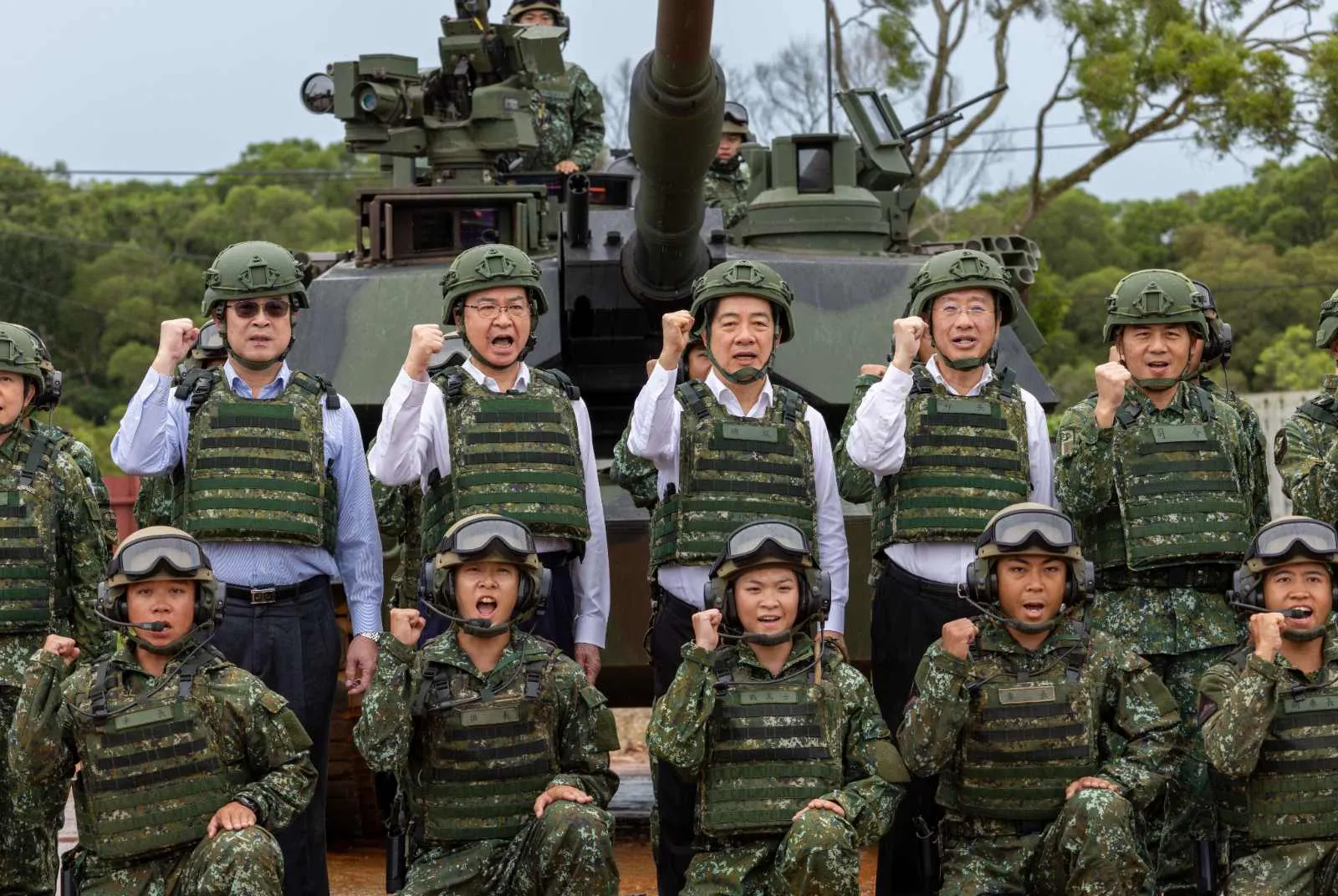
This may not kill democracy. But it will leave you with eight Constitutional Court justices instead of 15. It will lead to fights over whether the executive can veto a law passed by the Legislative Yuan, Taiwan’s parliament. You start having institutional crises.
In the United States, most of the country’s top political, business and civic leaders, along with media companies, either went along with Trump’s authoritarianism or quietly stepped back to the sidelines. That kind of elite abdication sends a powerful signal. When prominent leaders back down in the face of authoritarian bullying, it tells the rest of society that resistance is futile. Citizens decide it’s not worth the risk of speaking out or joining a protest. They may decide to stay home and avoid politics altogether. Society demobilizes, and democratic defenses weaken.
I don’t think Taiwan is likely to follow the US path. Taiwanese lived under dictatorship in their own lifetime or their parents’ lifetime, so the elite still carries a collective memory of authoritarianism.
Even so, Taiwan’s parties and political elites must recognize that democracy requires a minimum of mutual tolerance.
I may not like you, and I may disagree with you. But I have to accept that you are legitimate citizens of this country, with every right to form your party and compete, and if you win, the right to govern. I can’t treat you like an enemy. If I do, politics will get very ugly very quickly.
There is at least some reason to think that after a few rounds of this, politicians learn that it’s costly for everybody to keep weaponizing and weakening institutions, and that negotiating a new set of norms is the better course.
Stop looking to America as the model
On security, Taiwan’s fate is clearly linked to the United States. But as a functioning democratic society, Taiwan should stop paying attention to the United States.
The era when the US served as the model for the democratic world is over. Over nearly four decades, Taiwan has followed a quite unique democratic path. Today, all the major indices of democracy show that Taiwan is much more democratic than the United States.
As long as Taiwan’s citizens and political elites stay vigilant and preserve a baseline of mutual tolerance, make your own democracy work first. Maybe someday we’ll learn from you.
Have you read?
- How Much Does Taiwan Spend on Defense—and Where Does that Money Go?
- Who Pays to Keep Taiwan’s Energy Prices Down? Inside CPC’s Mounting Losses
- Why Doesn’t Taiwan Have an Embassy in the United States?
Uploaded by Ian Huang
Views

Subscribe to CWE Newsletter (every Thursday)
Stay abreast of what's happening in Taiwan with our weekly digest.
Keywords: