Taiwan must decarbonize building sector by 2050
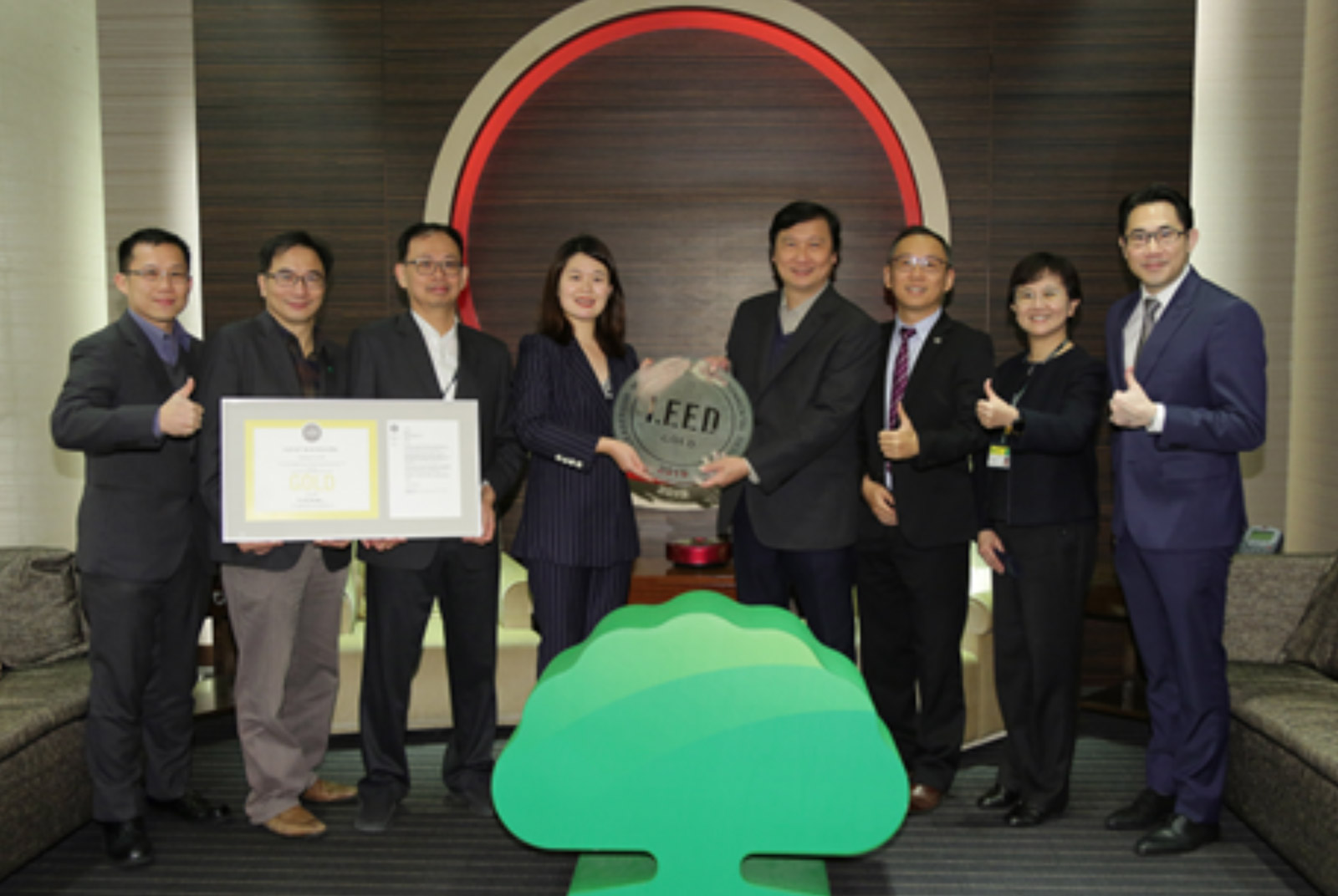
Source:CommonWealth Magazine
Taiwan needs to commit to energy efficiency and offer incentives for decarbonization of buildings. RCI Engineering argues in an op-ed that the government must recognize the role buildings play in decarbonization.
Views
Taiwan must decarbonize building sector by 2050
By Shawn Jangweb only
Every year the U.N. Environment Program (UNEP) for the Global Alliance of Buildings and Construction (GlobalABC), releases a report entitled Global Status Report for Buildings and Construction and tracks the progress of the building and construction sector in meeting Paris Agreement goals.
This year’s report confirms that building related GHG emissions are not reducing. The report focuses on energy use, emissions, technologies, policies and investments globally.
In Taiwan, we need stronger building policy and more green investments. We need a road map for the industry, along with key recommendations for policy and decision-makers. We need more transparency on energy intensity, gross floor areas, energy consumption and CO2 emissions data in buildings, and more sustainable investments in the buildings sector.
Key trends
Internationally, some progress has been made on the policy level and investments have increased. The report warns, however, that there must be greater effort to reduce emissions and improve building energy performance. Taiwan can be the global leader in this sector!
Energy demand and emissions
Taiwan has increased use of fossil fuels in 2021. In addition, CO2 emissions from building operations have reached an all-time high about a 5% increase from 2020 and 2% higher than the previous peak in 2019. UNEP concluded that this is the result of both the reopening of the global economy and the lack of structural changes to support decarbonization of the building sector during the pandemic. In 2021, the decarbonization level decreased to 8.1 percent, from 11.3 percent in 2020. The Global Buildings Climate Tracker finds that the building sector remains off track to achieve decarbonization by 2050.
Policies, codes and certifications
Taiwan needs to commit to energy efficiency and offer details for decarbonization of buildings. There needs to be mandatory or voluntary regulations or codes for building energy performance. Local governments need to recognize the role buildings can play in their decarbonization actions.
The number of green building certifications increased by 19% since 2020, indicating significant progress in energy-efficient buildings. Green building certifications act to increase local knowledge, creating awareness and training opportunities, while also playing an important role as a standard for sustainable investment and financing.
Globally, approximately 100 billion tons of waste is caused by construction, renovation and demolition. In fast-growing developing economies, construction materials are set to dominate resource consumption, with associated GHG emissions expected to double by 2060. UNEP recommends that embodied carbon in buildings be tackled soon to avoid undermining the carbon reductions achieved from energy-saving measures. Materials efficiency strategies could reduce GHG emissions in the material cycle of residential buildings by over 80% in 2050.

Opportunities for action
The buildings and construction industry offers significant global mitigation potential for reaching the targets of the Paris Agreement, which currently remains aspirational. Opportunities outlined by UNEP in the report include improving the efficiency and use of existing buildings; building high-performance new structures; prioritizing efficient lighting, appliances, and equipment in buildings; integrating renewables; and decarbonizing the production of building materials.
The report calls for greater political and organizational leadership to prioritize and implement actions for the decarbonization and sustainability transition of the building and construction sector. The war in Ukraine and the ensuing energy crisis in some regions underline the urgency of aligning emission targets with the Paris Agreement.
The circumstances arising from these converging challenges show the fragility of a volatile, fossil fuel–based energy system and its limited resilience to shocks. Yet they also highlight the opportunity of investing in building sector energy efficiency to both reduce current emissions and improve energy security.
UNEP concluded that to meet the net zero CO2 emissions target by 2050 globally, emissions from the building sector must be halved by 2030. This will require an annual emission reduction rate of 8% per year, equivalent to the impact of a pandemic a year.
RCI Engineering, based out of Taichung, has provided roadmaps for building decarbonization and charting the path to a sustainable building and construction sector. RCI has successfully helped corporations meet their net zero CO2 emission targets with their consulting, engineering, and monitoring services.
Taiwan is uniquely positioned to be a global leader in Asia. In the 1960s, Taiwan entered a period of rapid economic growth and industrialization and in the 2000s, became known as the technology hub for the region. This country is known for innovation and policymakers and decision-makers must urgently implement near-term actions to deliver the needed emission reductions, while achieving the objectives of a sustainable and resilient building and construction sector that will continue to support global needs.
About the author:

Shawn Jang is General Manager at RCI Engineering, Inc. He is a leader in the global green building industry. Since 1999, he has dedicated his entire career to decarbonizing the built environment. Shawn is a LEED Fellow and an assistant professor in the school of architecture at Feng Chia University educating professionals on green building practices and strategies.
Have you read?
- Small EVs, large gains: Why nimble logistics vehicles are the solution to many problems
- Why does L'Oréal Taiwan award female scientists?
- Taiwan and the global energy transition - Tackling the 95%
Uploaded by Ian Huang
Views

Subscribe to CWE Newsletter (every Thursday)
Stay abreast of what's happening in Taiwan with our weekly digest.
Keywords: