Why Is Taiwan's Deep-Tech Cluster Taking Root in Boston?
Source:Meng-hsuan Yang
Taiwanese entrepreneurs are building a deep-tech foothold in Boston, using its world-class research ecosystem to advance AI-driven drug discovery, industrial AI, and low-carbon materials. By combining Boston’s scientific talent with Taiwan’s R&D and supply chains, could these ventures create the next generation of globally competitive Taiwanese companies?
Views
Why Is Taiwan's Deep-Tech Cluster Taking Root in Boston?
By Meng-hsuan Yangweb only
A quiet but consequential cluster of Taiwanese entrepreneurs has taken shape in greater Boston, pursuing what they describe as "deep tech" — tackling difficult, unsolved problems in biotechnology, artificial intelligence, and advanced materials. Their presence in the U.S. East Coast's leading innovation hub underscores how Taiwan's corporate footprint in America extends well beyond the semiconductor fabs of Phoenix or the AI server factories of Texas.
The city's credentials are formidable. A joint survey by the Nikkei and the Financial Times published in June ranked Boston the most attractive U.S. city for foreign companies to invest in. "Boston represents a new type of winner driven by human and intellectual capital," the Financial Times wrote. With 40 universities and a dense talent pool, the city anchors a global life-sciences industry centered on Kendall Square — billed as "the most innovative square mile on Earth" — which sits adjacent to MIT and one subway stop from Harvard. Moderna, Pfizer, Google, IBM, and hundreds of startups are all based there.
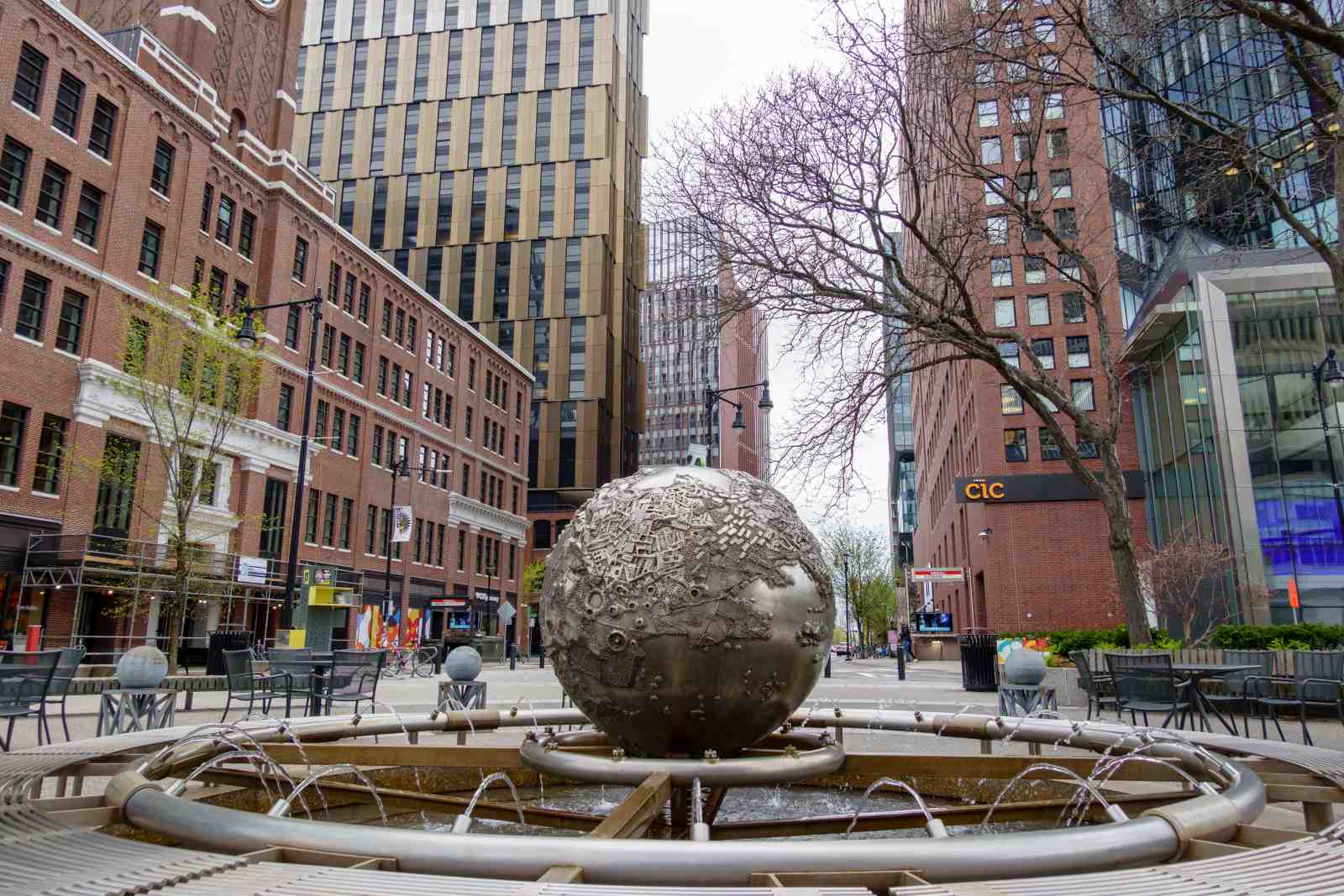 Kendall Square, hailed as “the most innovative square mile on Earth,” sits next to MIT and Harvard University. (Photo: Meng-hsuan Yang)
The catch, as Mong-Hsun Tsai (蔡孟勳), science and technology section chief at the Taipei Economic and Cultural Office in Boston, puts it with a wry smile: "There aren't many Taiwanese companies here. The rent is too expensive." Most Taiwanese firms have settled in the suburbs, and the most prominent among them is PharmaEssentia (藥華藥), a Taiwanese biotech whose share price has made it one of the sector's benchmark names.
AI Compresses Drug Discovery from Months to Weeks
PharmaEssentia's flagship product, Ropeginterferon alfa-2b (sold as Ropeg), a treatment for a rare blood cancer, received U.S. approval in 2021. The company subsequently established an innovation research center in Bedford, a suburb roughly 30 minutes northwest of Boston, where more than 80 percent of its approximately 40 employees are scientists. Senior Director of Immunology and Pharmacology Kuan-Chun Huang (黃冠群) says the local ecosystem is unusually self-contained: reagents and laboratory consumables are available nearby, and samples can sometimes be hand-delivered by car rather than shipped by courier.
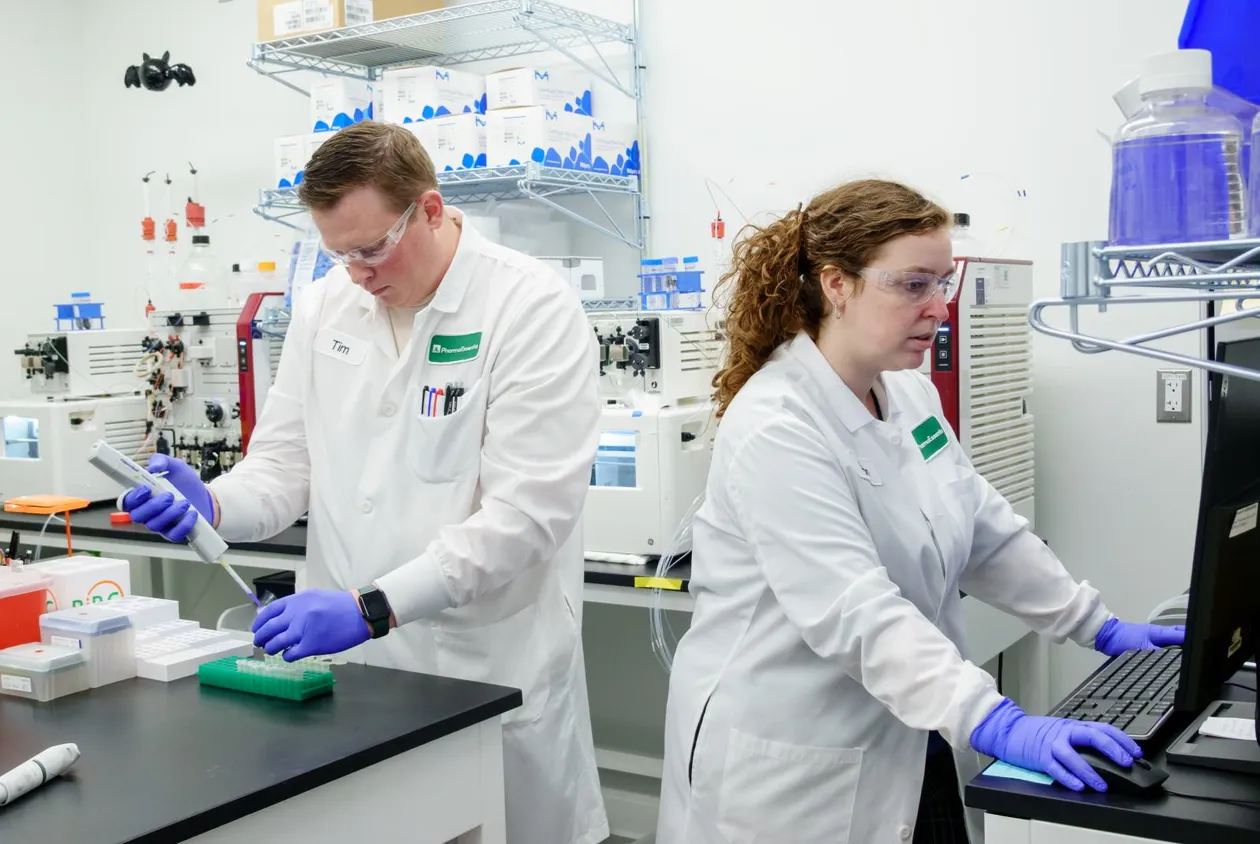
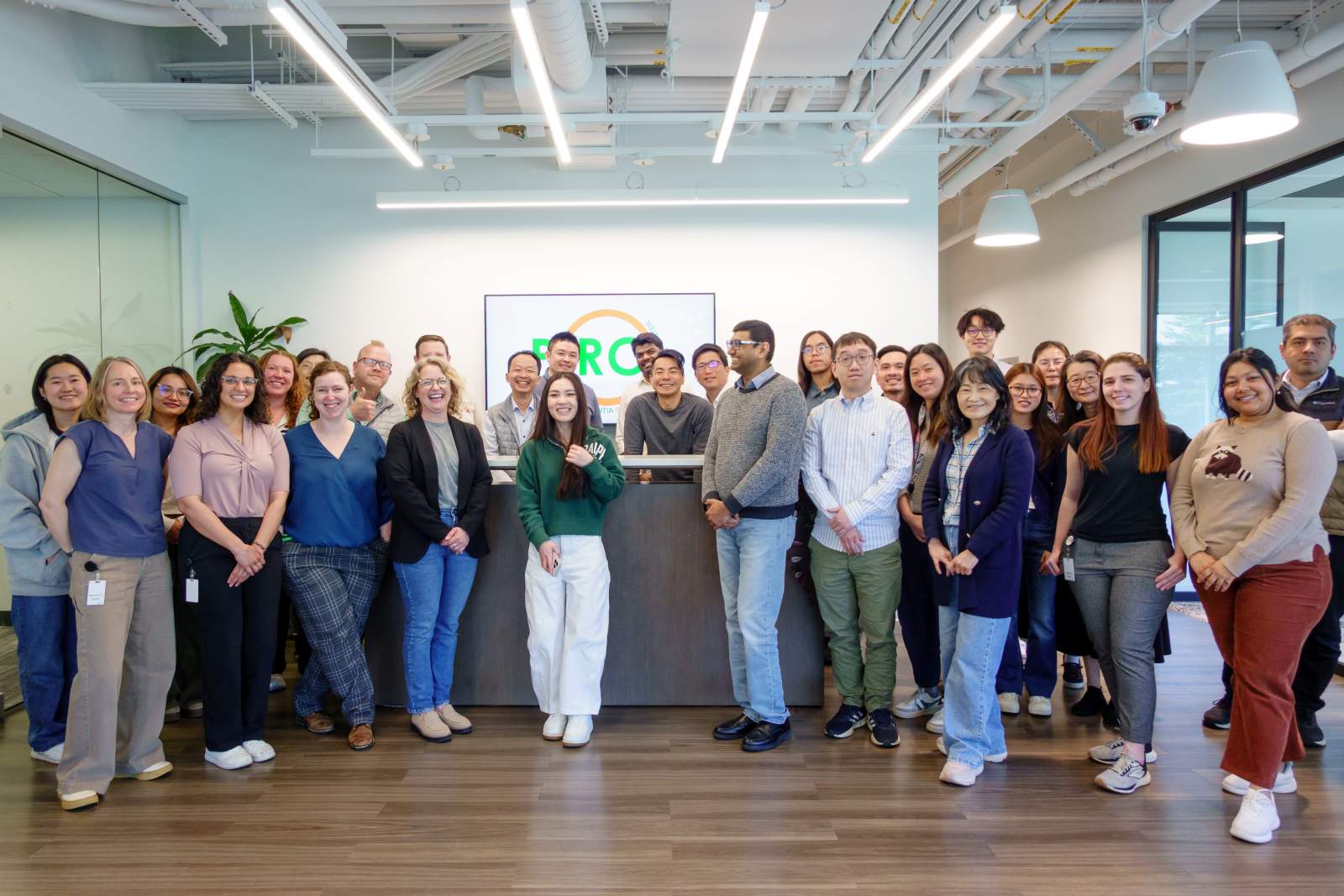 PharmaEssentia’s R&D center in Bedford, Massachusetts, leverages Boston’s well-developed biotech ecosystem to significantly improve the efficiency of its experiments and research. (Photo: Meng-hsuan Yang)
The center's central mission is integrating AI into drug discovery. Chief Science Officer Lih-Ling Lin (林俐伶) explains that identifying and validating a new drug target once took between six months and a year. With systematic AI-assisted screening, that timeline has compressed to a matter of weeks. The team has already used AI to identify novel targets for antibody-drug conjugates — a class of precision cancer therapy known as ADCs — and is now entering the stage of screening preclinical drug candidates.
Targeting the "Unfair Advantage" in Digitally Underserved Markets
One of the AI models PharmaEssentia uses was developed by Vizuro, a company founded in Boston in 2014 by Taiwanese entrepreneur Yu-Feng Wei (魏宇峰), who holds a doctorate in mechanical engineering from MIT. Vizuro's clients include Roche and Takeda. Its core offering is "causal inference AI," which it used to help PharmaEssentia identify which patients are most likely to benefit from Ropeg and to explore the drug's potential in degenerative diseases beyond its current indication.
Wei has also co-founded Corepal, a joint venture with a California auto-parts distributor, training AI to identify tens of thousands of automotive components. A user can scan a part with a smartphone and receive an automatic identification of its model and specifications. "What we are doing is targeting vertical markets with low digitization but large scale, and using AI to create an unfair competitive advantage," Wei said.
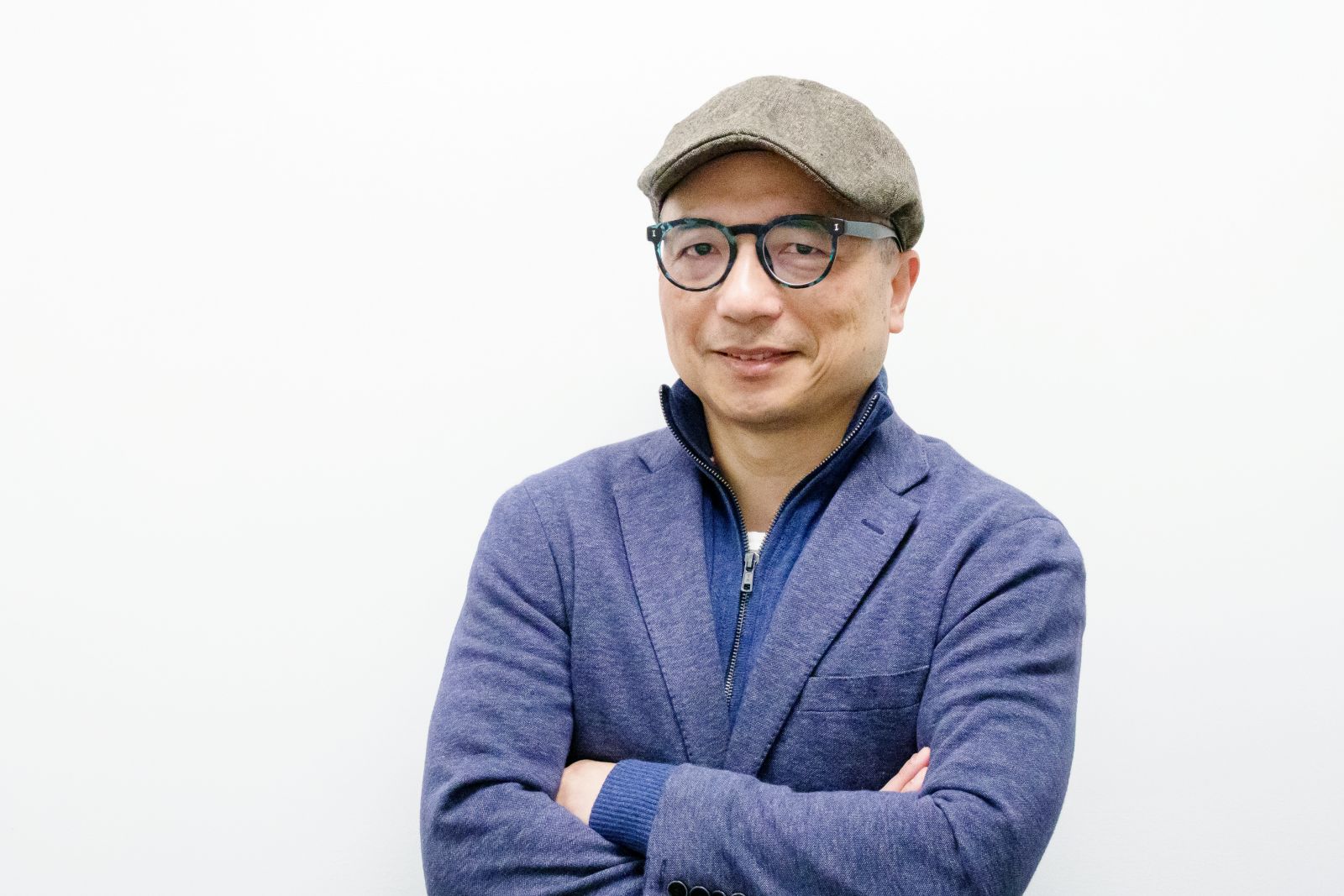 Yu-Feng Wei founded AI software company Vizuro in Boston in 2014, aiming to enhance industry competitiveness through artificial intelligence. (Photo: Meng-hsuan Yang)
He draws a sharp distinction between the Boston and Silicon Valley startup cultures. Boston, he argues, gravitates toward deep tech — addressing important problems that are genuinely hard and as yet unsolved — whereas Silicon Valley tends to favor strategies centered on rapid scaling. That orientation, Wei suggests, shapes both the kinds of companies that form here and the durability of their competitive positions.
Converting Carbon Dioxide into AI Server Materials
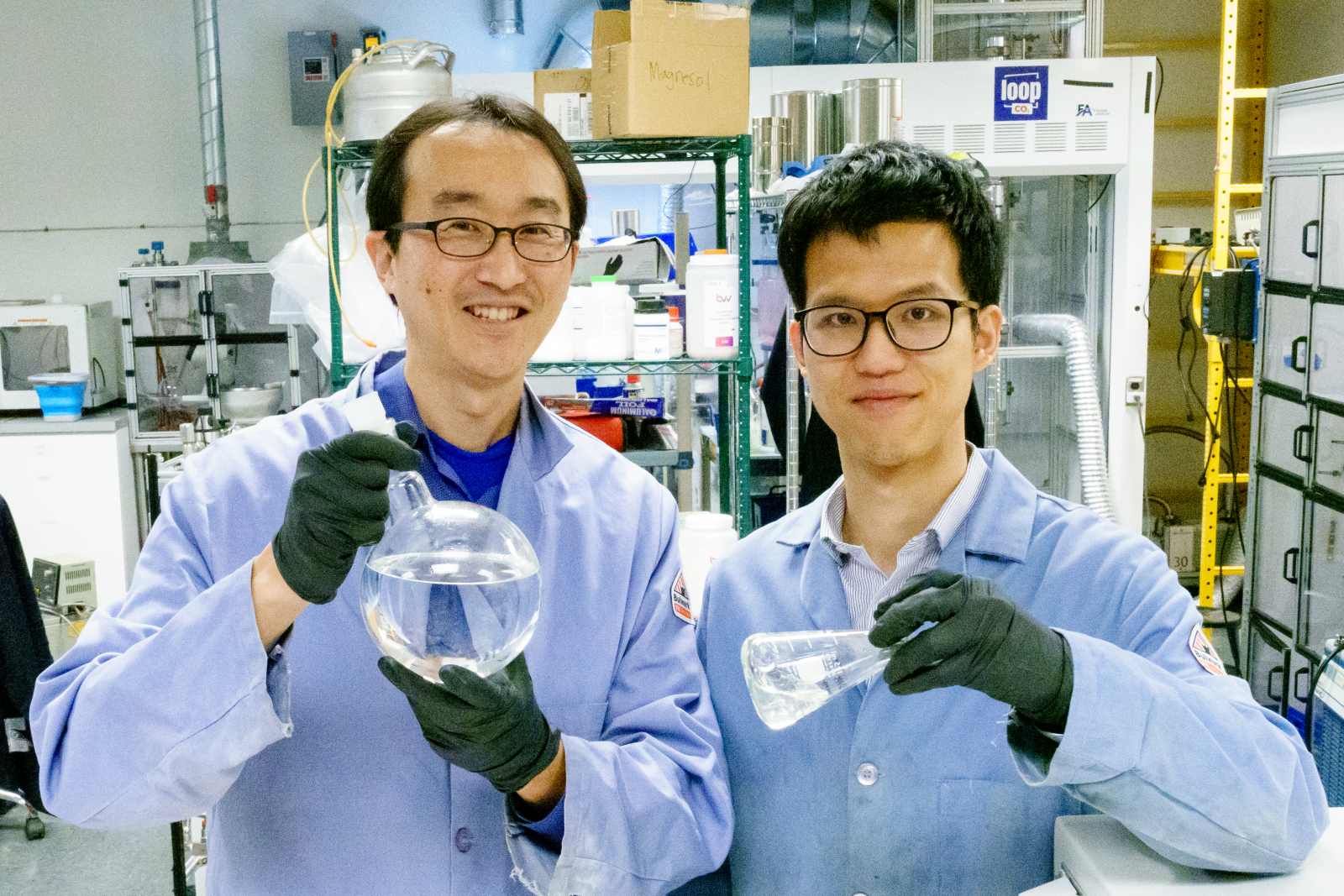 Aone Wang and Hsin-Chun Chiu founded Loop CO2, whose technology converts carbon dioxide into polyester materials for applications in the optical transmission market for AI servers. (Photo: Meng-hsuan Yang)
Loop CO2 illustrates the depth of that ambition. Co-founders Aone Wang (王力遠) and Hsin-Chun Chiu (邱信淳) operate a laboratory about 40 minutes from downtown Boston, where a reaction vessel pressurized to 30 atmospheres and a three-story distillation column convert carbon dioxide into saturated polyester materials. The project has received $1.9 million from the U.S. Department of Energy.
The company's original plan — to replace polyurethane-based coatings, which contain toxic compounds — proved cost-prohibitive, so it pivoted. Chiu explains that Loop CO2's material does not crystallize at room temperature and has a refractive index close to that of optical fiber, making it suitable for optical adhesives and films used in light-transmission systems for AI servers, where reducing signal loss is critical. Wang, who spent a decade in Foxconn's server division before co-founding the company, is currently sending product samples to Taiwanese chemical companies as he attempts to break into Taiwan's AI supply chain.
Absorbing Boston, Feeding Back to Taiwan
A shared pattern runs through these ventures: absorb cutting-edge science in Boston, then combine it with Taiwan's R&D capabilities and supply-chain networks. Lin led a recruitment trip to Taiwan in May to hire AI talent, saying the AI team is expected to grow by a factor of two to three. Wei is collaborating with Chang Gung University of Science and Technology on a small-molecule asthma drug and with National Cheng Kung University on large-molecule protein therapeutics targeting three types of cancer.
Tsai, the trade office official, sees a broader opportunity in the model. Good academic research, he says, can be spun out into companies that have "a chance to develop in the United States or other countries and ultimately become excellent firms."
In Boston's suburbs and laboratories, a small group of Taiwanese entrepreneurs is quietly working on exactly that — problems, as they describe them, that concern the future of humanity.
Have you read?
- How China's DRAM Maker CXMT Caught Up With Micron Without EUV
- Record 18 Nations Flock to Taiwan for SEMICON. What Are They Really After?
- TSMC’s $100B Arizona Expansion Triggers Massive Supply Chain Shift to the US
Uploaded by Ian Huang
Views

Subscribe to CWE Newsletter (every Thursday)
Stay abreast of what's happening in Taiwan with our weekly digest.
Keywords: