The Battle for AI Power: How Taiwan’s Delta Electronics Is Invading Vertiv’s Turf
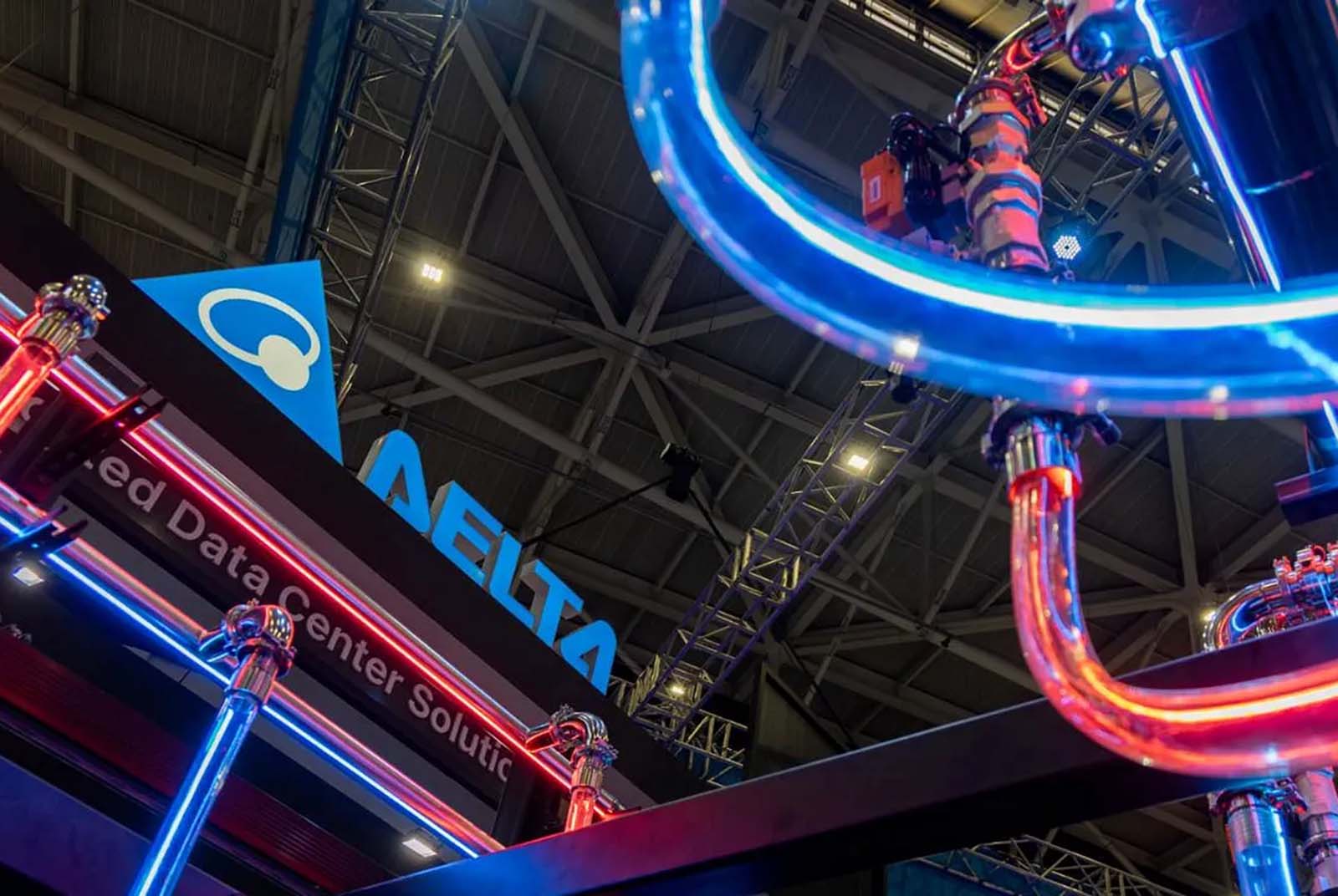
Source:TechTaiwan
Taiwan's rise as the epicenter of the AI revolution has minted unexpected winners, none more striking than Delta Electronics. Now, with Nvidia's 800V architecture shift on the horizon, Delta is pushing beyond its traditional server-room turf to challenge grey-space giants like Vertiv on their home ground. Can it pull it off?
Views
The Battle for AI Power: How Taiwan’s Delta Electronics Is Invading Vertiv’s Turf
By Liang-rong Chenweb only
Jensen Huang’s high-profile visits to Taiwan and South Korea in June sparked a sense of envy in Japan.
A recent commentary by the Nikkei lamented that while Japan managed to secure places for companies such as Sony, Murata, TDK, and Kioxia within Apple’s ecosystem during the smartphone revolution, its presence within Nvidia’s ecosystem today remains surprisingly limited. “This is a matter of national destiny,” the article argued.
That observation is worth considering. During Apple’s heyday, Taiwanese companies such as Foxconn, Quanta, and TSMC played critical roles in the supply chain. Yet neither Steve Jobs nor Tim Cook ever visited Taiwan, let alone socialized with suppliers.
In fact, even at TSMC’s 30th anniversary celebration—an event that effectively served as Morris Chang’s retirement party—Jensen Huang, Marvell Chairman Matt Murphy, and AMD CEO Lisa Su attended in person, while Apple sent only its second-in-command, Jeff Williams.
Three Key Reasons Taiwan Became the Center of AI
Why, this time, has Taiwan become what Jensen Huang calls “the epicenter of the AI revolution”?
First, thanks to TSMC.
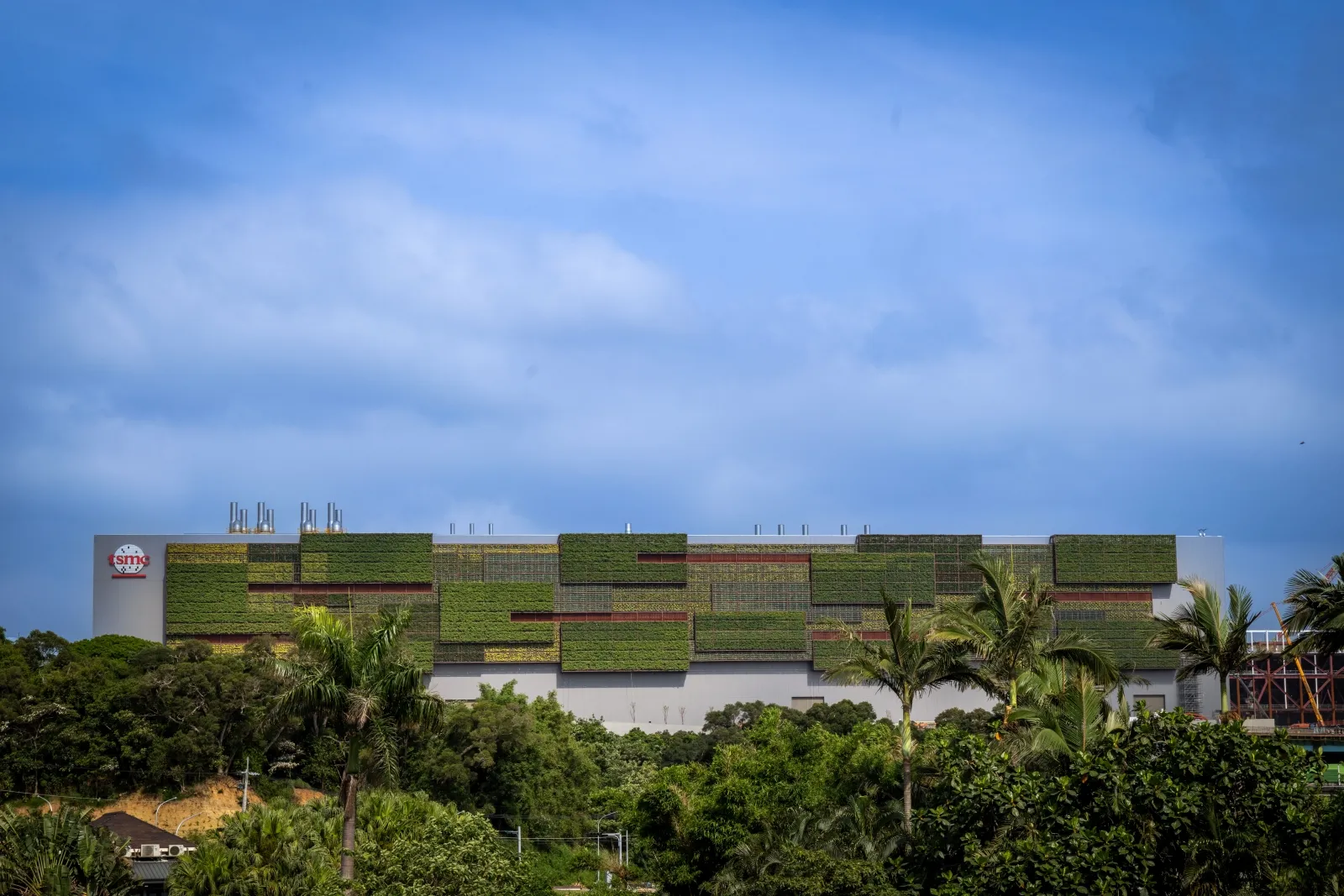
TSMC’s industry position is vastly different from what it was a decade ago. In recent years, it has cultivated a large domestic ecosystem spanning packaging, testing, equipment, and materials suppliers, all of which have prospered alongside the AI boom.
Second, thanks to Donald Trump.
During his first presidential term, Trump initiated the effort to contain China. As a result, the AI supply chain effectively “excluded the other side of the Taiwan Strait,” said Jonah Cheng(程正樺), Chief Investment Officer of J&J Investment(騰旭). Foxconn, Quanta, and Wistron subsequently shifted AI server production back to Taiwan.
Third, the scale and intensity of the AI revolution far exceed those of the mobile communications revolution.
This year alone, combined capital expenditures from the four major cloud service providers are expected to exceed US$700 billion, surpassing the entire annual output value of the global smartphone industry in 2025.
With spending growing at an astonishing 80% year-over-year pace, shortages have emerged across 3nm manufacturing capacity, CoWoS advanced packaging, high-end copper foil, and substrate supply.
Even Jensen Huang has had to make frequent trips to Taiwan to secure critical components.
Delta Electronics: The Biggest Beneficiary Beyond GPU Vendors
As Jensen Huang repeatedly emphasizes that Nvidia has evolved from a GPU vendor into an “AI infrastructure company,” Taiwanese suppliers are also expanding beyond traditional server racks and into entirely new growth opportunities.
The biggest beneficiary may well be Delta Electronics, the focus of this newsletter. Its share price has climbed 4.4 times over the past year, pushing its market capitalization to NT$5.6 trillion and making it Taiwan’s third-largest company.
A former Delta executive once told me that the rally occurred because “international investors finally discovered Delta.” The company was increasingly viewed as part of the AI power shortage investment theme, one of the hottest sectors in the United States over the past year.
That theme propelled stocks ranging from small modular reactor (SMR) companies to Vertiv, the infrastructure company spun out from the century-old industrial giant Emerson Electric.
Delta subsequently underwent a significant re-rating. U.S. institutional investors began comparing Delta with Vertiv, as both companies are involved in AI power infrastructure.
“Vertiv was trading at 60 to 70 times earnings, while Delta was only in the low 20s at the time,” the former executive said. Today, Delta trades at roughly 79 times earnings, slightly above Vertiv.
Data centers are generally divided into the “white space” and the “grey space.”
Server power supplies and rack-level power systems supplied by Delta and Lite-On are located in the clean, climate-controlled white space.
By contrast, large substations and power distribution systems provided by companies such as Vertiv, ABB, and Eaton are typically installed outdoors on concrete pads, giving rise to the term grey space.
The King of the White Space Moves Into the Grey Space
In a research report published last year titled Delta vs. Vertiv: The Battle Over Power and Cooling Infrastructure, analysts at Morgan Stanley described Delta as the “King of the White Space” and Vertiv as the “King of the Grey Space” in data centers.
For years, the two companies largely operated in separate domains. But with Nvidia’s 800V high-voltage DC architecture set to arrive next year, Delta sees an opportunity to use this sweeping power infrastructure transition to expand into the grey space.
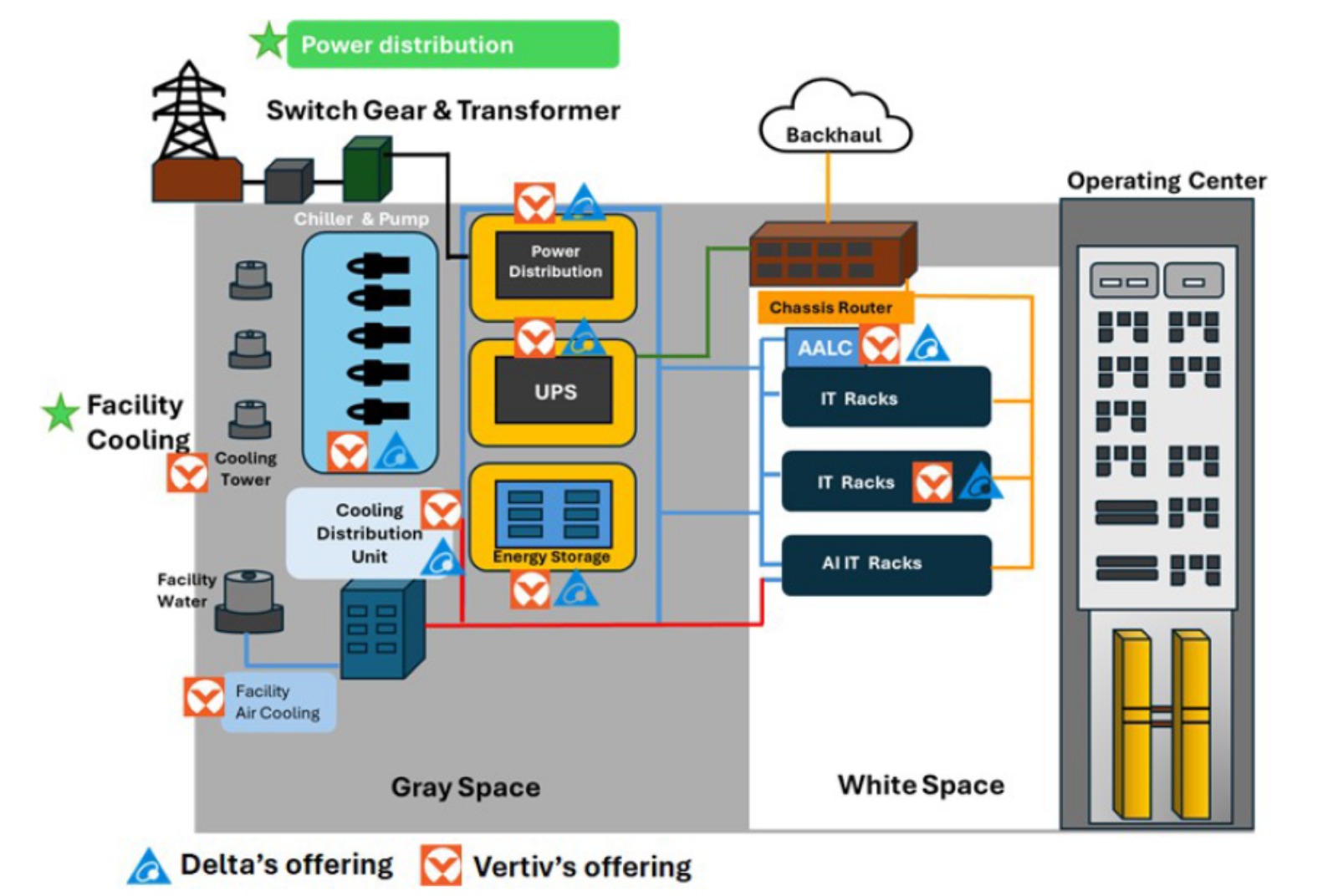
Delta Chairman Ping Cheng(鄭平) highlighted this point during a forum in May, stating that the grey space represents a significant opportunity for the company.
But how exactly does Delta plan to enter Vertiv’s home turf in the United States, where the company has spent decades building its business and employs more than 5,000 field service engineers?
The answer is beginning to emerge.
(To read this exclusive story in full, visit the Tech Taiwan Substack)
Have you read?
- How TSMC Made Taiwan the World's Technology Heartland
- The “Milk Tea Spirit” Girding the World's Largest Electronics Maker’s Worldwide Management
- Beyond Microchips: The Elite Taiwanese Minds Training Silicon Valley’s AI
Uploaded by Ian Huang
Views

Subscribe to CWE Newsletter (every Thursday)
Stay abreast of what's happening in Taiwan with our weekly digest.
Keywords: