Ecolab Bolsters Semiconductor Industry: Competitiveness with Water Resource Management
Source:SEMI Taiwan
As the global AI boom accelerates, the semiconductor industry is playing a key role—and water resources are a critical factor. As high-performance computing, smart applications, and generative AI continue to advance, the ability of chip manufacturers to maximize water recycling has become a core element of sustainable competitiveness.
Views
Ecolab Bolsters Semiconductor Industry: Competitiveness with Water Resource Management
By SEMI TaiwanSponsored Content
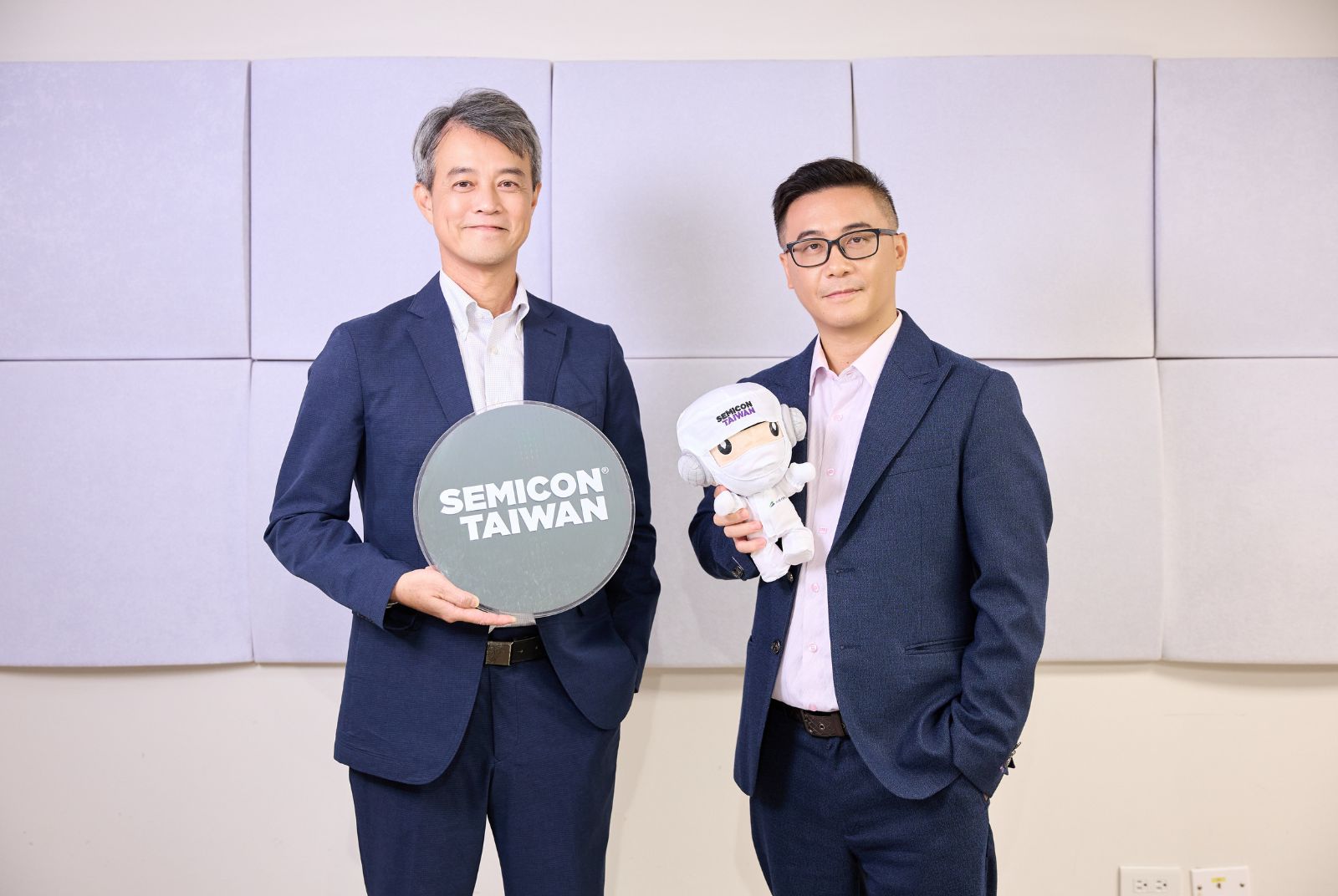
Ecolab Taiwan Managing Director PJ Tu (L) and Enterprise Solutions Lead Mike Kong (R) are helping semiconductor industry clusters leverage advanced water-recycling technologies for competitive advantage in the AI era.
As nations vie for dominance in the global AI race, the semiconductor industry faces mounting sustainability challenges, particularly concerning water resource management. The annual water consumption of a single advanced fab is equivalent to the yearly drinking water requirements of 17 million people. Home to the world's densest cluster of such fabs, Taiwan faces skyrocketing global demand for high-end AI chips. The result is an urgent need to balance water management and sustainable mass manufacturing, an issue that is not only a key focus for SEMI but also an imperative for Taiwan's semiconductor industry.
Water resource management integrates multiple technologies to aid chip fabs
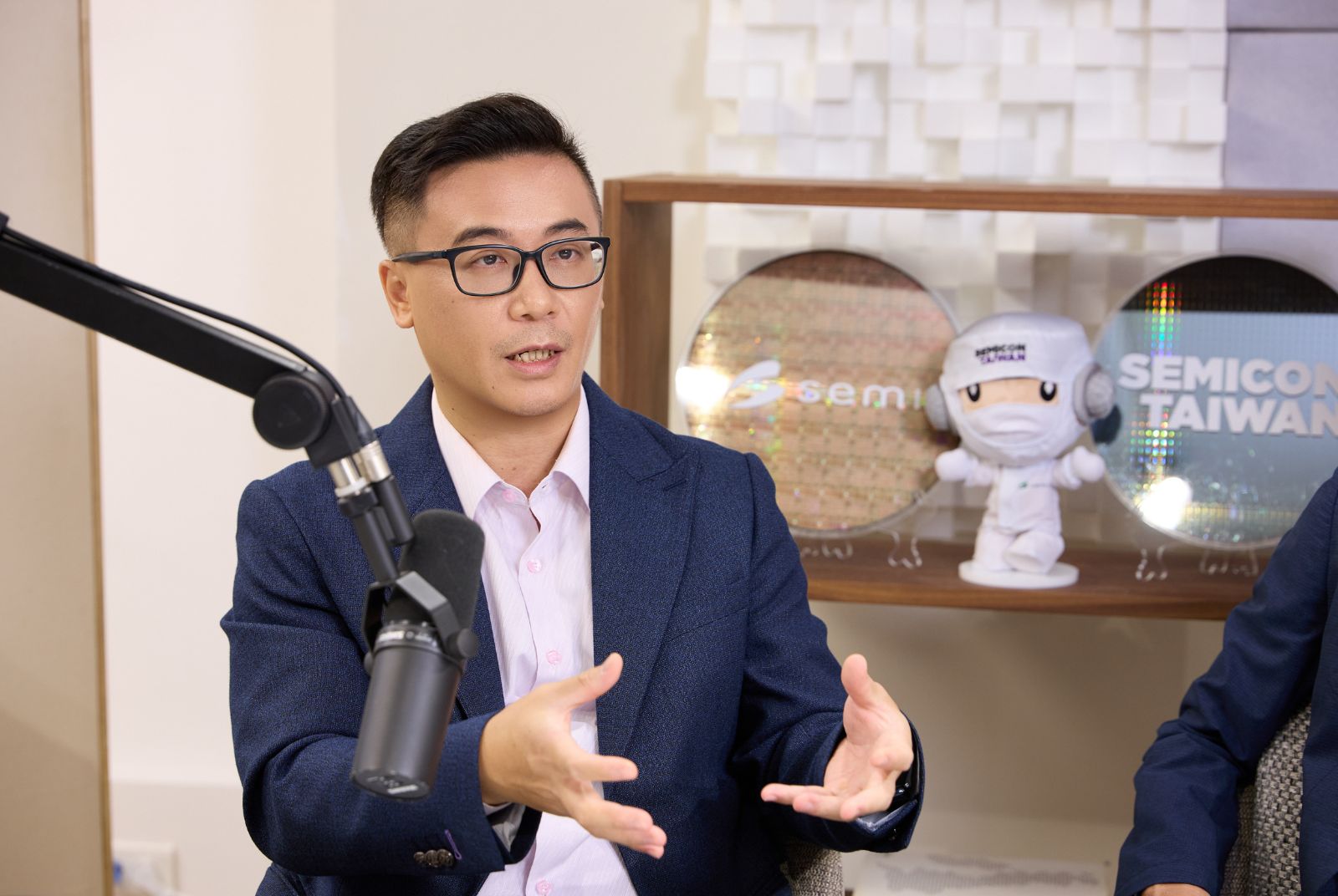
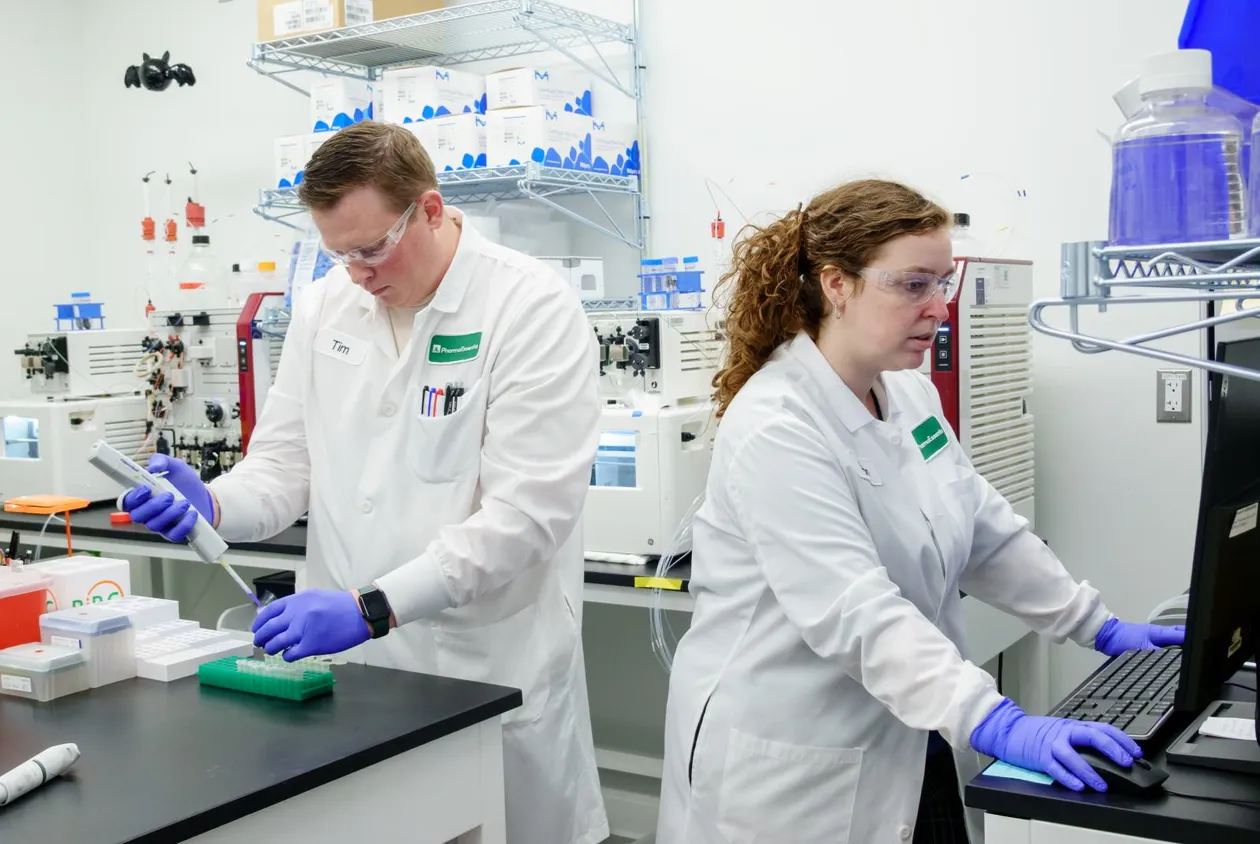
Kong analyzes critical bottlenecks in chip manufacturing, emphasizing that intelligent, real-time monitoring allows companies to pursue peak yields while executing a strategic transition toward green manufacturing.
"Water resources—especially ultrapure water (UPW)—have a decisive influence on semiconductor production quality, yield rates, and chip energy efficiency. So water resource management is an indispensable link in the development of AI," observed PJ Tu, Ecolab Taiwan Managing Director. To reinforce its water management capabilities in Taiwan, Ecolab acquired Ovivo's UPW business in 2025. This move allows Ecolab to provide Taiwan's high-tech sector with comprehensive water lifecycle management solutions that seamlessly integrate digital data, equipment installation, chemical treatments, services, and operational support.
Mike Kong, Enterprise Solutions Lead at Ecolab Taiwan, offered a deeper look into how such a solution works. Through Ecolab's advanced 3D TRASAR™ real-time monitoring system, various parameters of the water in use are tracked. Coupled with a cloud-based management platform, the system provides engineering teams with the data-driven insights needed for remote decision-making. This setup not only pairs with automated systems to achieve precise chemical dosing but also aggregates collected data for smart analytics to provide timely optimization plans and recommendations.
Tu added that Ecolab has over 15 years of expertise in water cycle management and has developed a range of AI-driven digital monitoring modules capable of comprehensively tracking water conditions across high-tech facilities. "This technology gives companies greater resilience and operational headroom in water resource management,” Tu noted. “It allows production teams to focus their energy on core development priorities, such as process optimization and yield enhancement.”
Resolving water management pain points to ensure production stability
Semiconductor companies typically face three major pain points in water recycling: inaccurate chemical dosing, low water recovery rates, and shortened equipment lifespans. By leveraging Ecolab's monitoring and automation technologies, companies can precisely control facility-wide water recycling systems, not only slashing ultrapure water procurement costs but also mitigating the risks of lower yields and downtime stemming from insufficient water quality.
Kong illustrated this with an example: "Inadequate water quality control can cause structural corrosion or microbial contamination. Over time, cumulative damage leads to equipment failure and unexpected downtime, which severely disrupts production. Ecolab systems for real-time monitoring and precise chemical dosing enable preventive maintenance at fabs and other manufacturing facilities. This extends equipment lifespans and ensures that the chip production capacity vital to global AI development remains at its peak."
Using water resource management to drive ESG objectives
By drawing on digital technologies, specialized equipment, and chemical treatments in its highly efficient integrated water management systems, Ecolab helps its customers save 245 billion gallons of water annually while avoiding 4.7 million metric tons of greenhouse gas emissions. The positive environmental impact improves the living conditions of 3 billion people worldwide and introduces a new strategic motivation for Taiwan's industrial upgrades.
With its offerings in system design, equipment installation, chemicals supply, digital platforms, and on-site services, Ecolab can support Taiwan's high-tech industries in everything from high-level strategic ESG planning to facility water resource management.
Tu believes that in the high-tech sector, water recycling capabilities have shifted from being merely a checklist item for ESG regulatory compliance to a core component of manufacturing competitiveness, directly impacting both cost control and product quality. As an AI-driven water technology innovator, Ecolab provides comprehensive solutions that harness advanced technology to help the semiconductor industry achieve ESG goals, while improving the resilience of Taiwan's increasingly strained water resources.
FAQ
Q1: Isn't water resource management in manufacturing just about wastewater treatment and regulatory compliance?
A: The semiconductor industry consumes massive volumes of water during production. Beyond properly treating wastewater exiting facilities, ensuring that water resources are extensively recycled and reused helps industries lower water-associated costs and extend equipment lifespans.
Q2: What is the single most critical factor in water resource management? What is the most vital step in the entire process?
A: Water resource management in the semiconductor industry is a dual challenge: it must guarantee ultrapure water for manufacturing processes while properly treating the water used during fabrication. The most critical aspect of the entire process is the seamless integration of digital technologies, installed equipment, and chemical treatments to achieve the sustainability goal of effective water recycling and reuse.
Q3: How does water lifecycle management work in practice? How can companies efficiently recycle and reuse water?
A: Semiconductor manufacturing involves various specialized chemicals, such as PFAS. Through water filtration and targeted chemical dosing, contaminants are removed, restoring the water to a purity level suitable for reuse. Utilizing AI-driven monitoring for precise control makes water resource management dramatically more efficient.
Q4: Ecolab has established Taiwan's only dedicated water research center. How will this benefit the domestic industry?
A: Through its research center in the Southern Taiwan Science Park, Ecolab provides domestic industries with water recycling systems engineered for specific manufacturing processes. By designing such customized systems that meet the particular needs of each sector, we help companies amplify the economic benefits of sustainable production practices.
Q5: As a provider of water recycling solutions, what is Ecolab's vision for the development of Taiwan's semiconductor industry and its overall water resource planning?
A: Our vision is to help Taiwan's semiconductor industry clusters advance technologically while also furthering their ESG sustainability goals. Through sophisticated water recycling technologies, Ecolab not only assists companies in managing the entire lifecycle of water usage but also serves as a strategic consultant for water-related ESG efforts. Ultimately, we aim to help strike a sustainable balance between Taiwan's water resource usage and its industrial development.
Views

Subscribe to CWE Newsletter (every Thursday)
Stay abreast of what's happening in Taiwan with our weekly digest.
Keywords: