Grab's Taiwan Gamble: A Regulatory Gauntlet, a Subsidy War, and an Eight-Year Bet
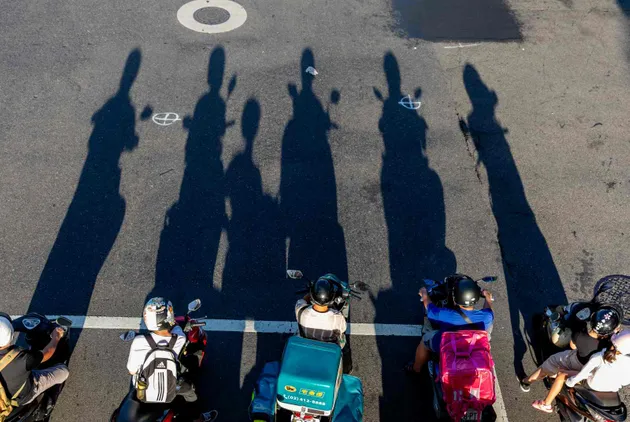
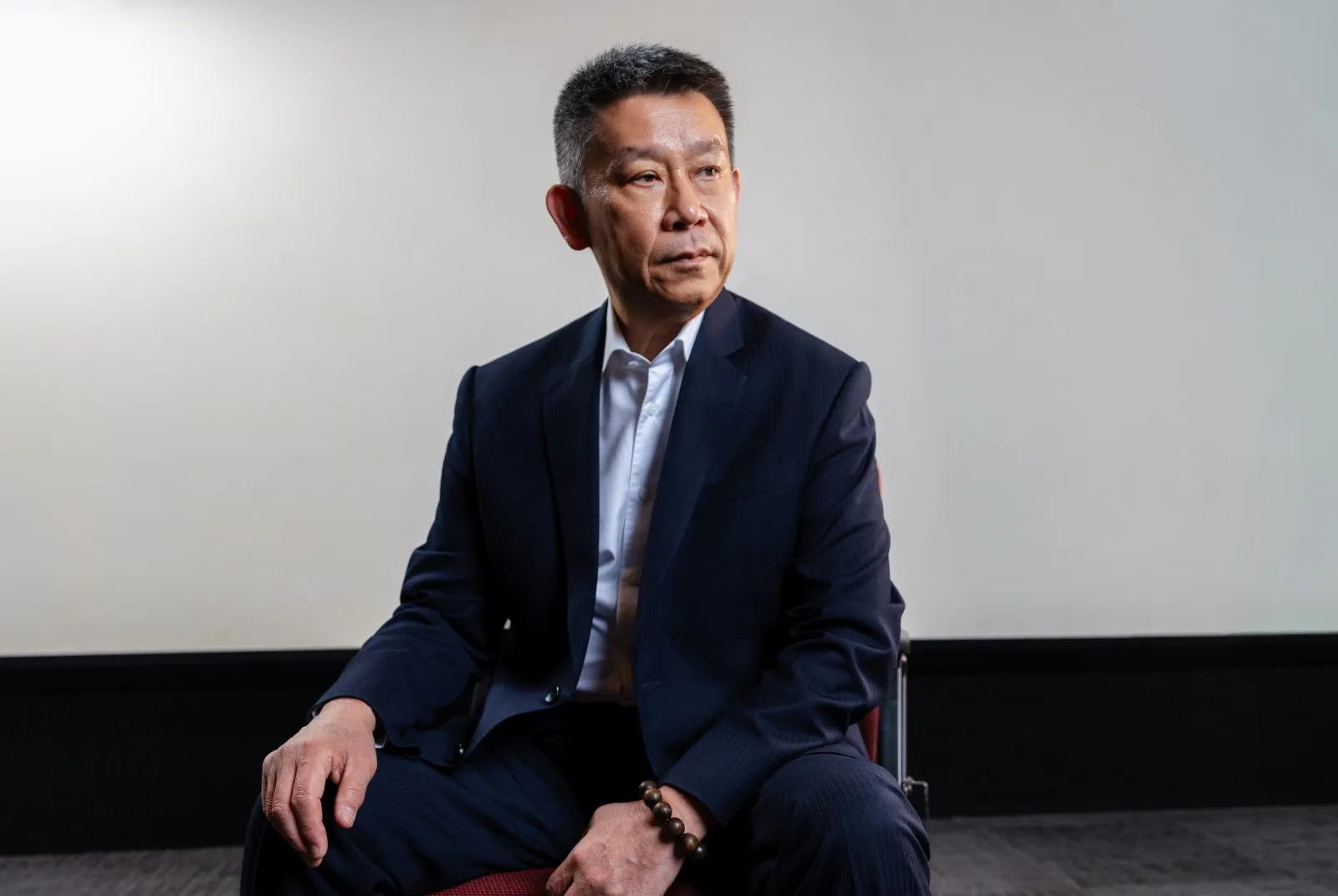
Source:Chien-Ying Chiu
Grab's proposed acquisition of Foodpanda Taiwan marks its first expansion into a new market in eight years, but the deal faces intense regulatory scrutiny, monopoly concerns and questions over whether its Southeast Asian playbook can succeed in Taiwan. Can Grab overcome the political and commercial hurdles to make its biggest expansion in nearly a decade pay off?
Views
Grab's Taiwan Gamble: A Regulatory Gauntlet, a Subsidy War, and an Eight-Year Bet
By Yi-chih WangCommonWealth Magazine
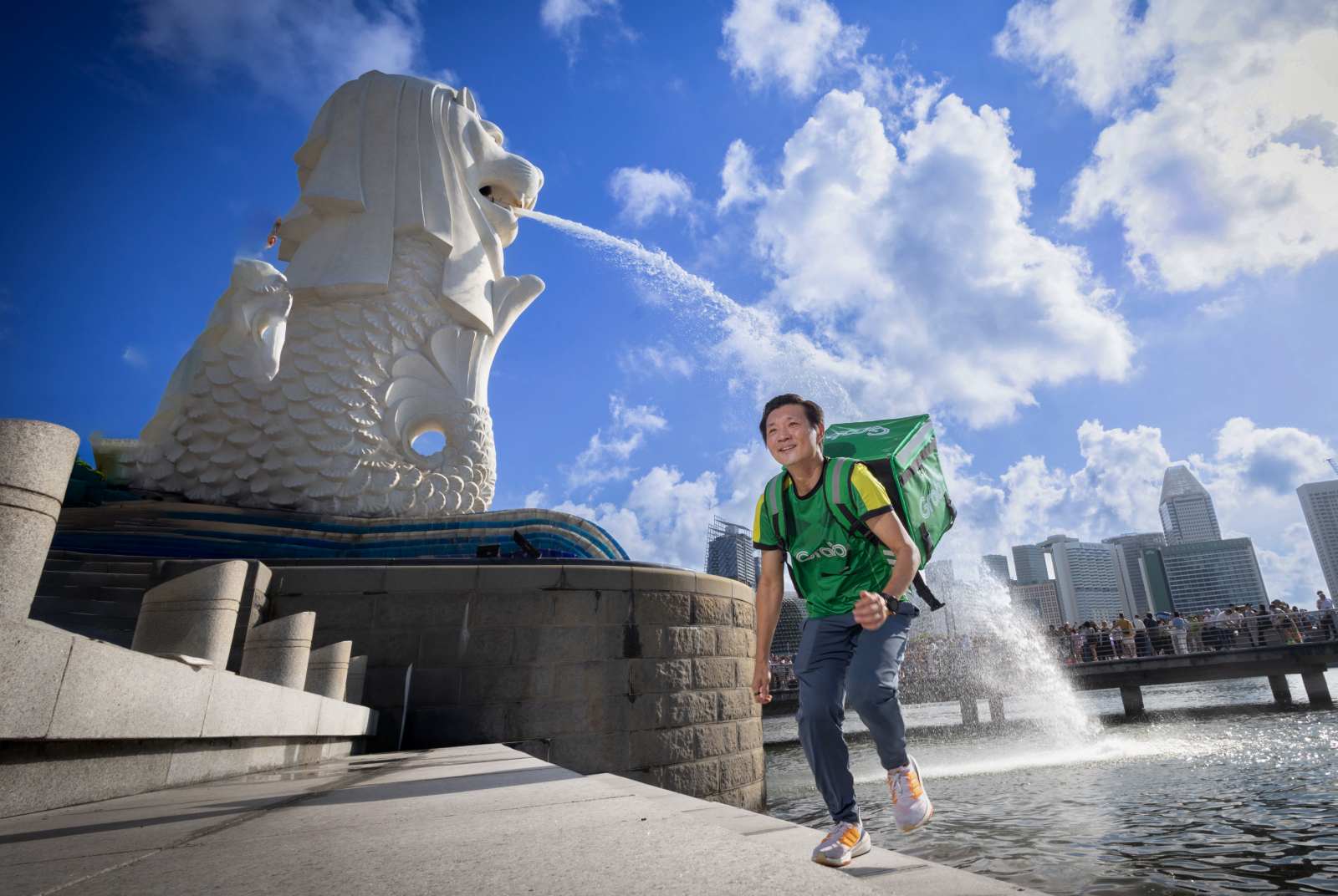
Grab, the Southeast Asian ride-hailing and delivery giant, has not entered a new market in eight years. When it finally chose to expand, it picked Taiwan — a market outside its home region entirely, and one that comes with a formidable regulatory obstacle course.
The centerpiece of Grab's Taiwan ambitions is its proposed acquisition of Foodpanda's Taiwan operations. But before the company can begin executing the deal, it must clear the Fair Trade Commission, Taiwan's antitrust regulator, a process that has become the defining test of the deal's viability.
Just how badly does Grab want approval? In early July, the company announced that Dara Khosrowshahi, chief executive of Uber, had resigned from Grab's board of directors. Anthony Tan (陳炳耀), Grab's CEO, orchestrated the move. "Anthony's decision to have Dara exit the board surprised me," says Albert Chang (章錦華), Senior Partner and Managing Partner at McKinsey Southeast Asia. "For Dara, this was a major concession." Chang's reading: Tan does not view Taiwan as one among nine markets, but as the top priority.
The strategic logic behind that prioritization is specific. "The last time Grab entered a new market was Cambodia, eight years ago," says Grab Group Managing Director of Operations Yee Wee Tang (余偉騰). Taipei's population density is 3.6 times the Southeast Asian average. Taiwan will become Grab's highest-spending market.
More than 40 percent of Taiwanese households are single-person units. Acquiring Foodpanda means inheriting a mature platform that already reaches 67 percent of users, with subscribers ordering three times more often than ordinary users. That loyal cohort, though only one-third of the customer base, accounts for more than half of gross merchandise value. Grab President and COO Alex Hungate projects Taiwan will contribute at least US$60 million in EBITDA by 2028.
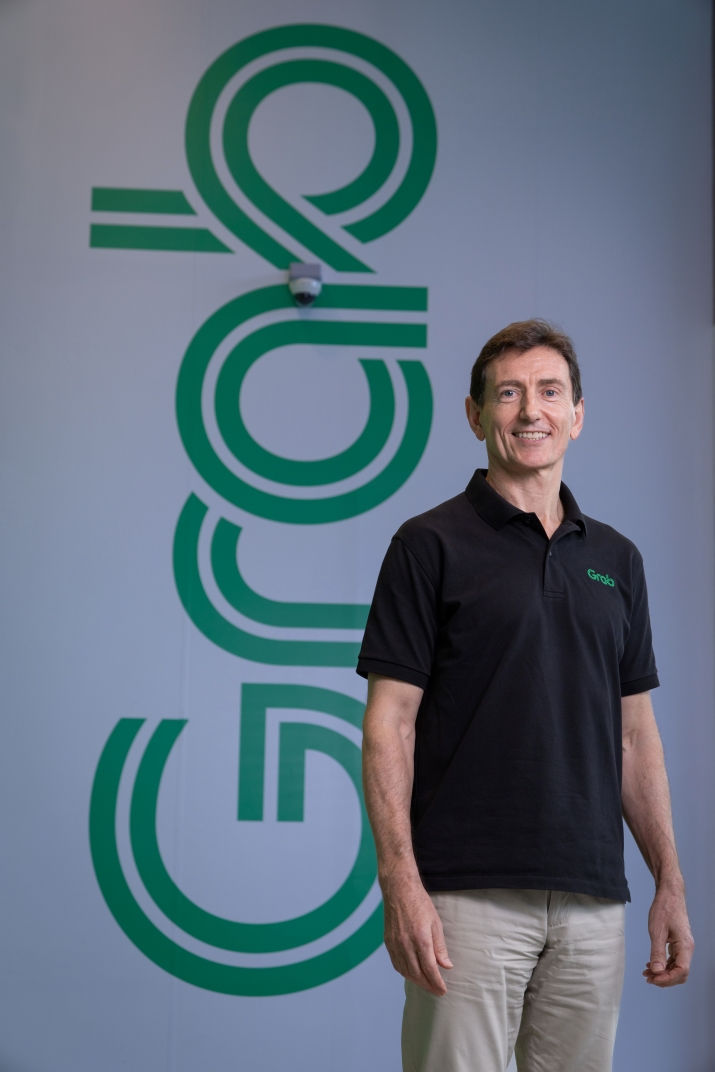 Grab's President and COO Alex Hungate. (Photo: Chien-Tong Wang)
Grab's competitive edge across Southeast Asia has always been hyper-localization — going deeper into local markets than any rival. Since the acquisition was announced, members of the team have been in Taiwan almost continuously, interviewing merchants and delivery riders.
Tan recalls visiting Yonghe Soybean Milk, a well-known breakfast chain, where he found staff still taking orders by hand with pen and paper, with no data infrastructure. "We believe that after introducing an AI assistant, small merchants will effectively have a CFO, a CMO, and a culinary coach," he says. "That is the AI capability we are creating for them."
Grab plans to build its Taiwan map entirely from scratch, starting with optimization tests in central and southern Taiwan before moving into Taipei. Chief Technology Officer Suthen Thomas Paradetheth estimates that, once approval is granted, migrating user data will take three to four months. The guiding principle, he said, is that "trust matters more than speed."
The Fair Trade Commission scrutiny centers on two concerns that critics have raised in public.
The first is market concentration. Uber holds a 13.5 percent stake in Grab and separately announced in July its intention to acquire Delivery Hero, Foodpanda's German parent company. Wang Shih-chien (王世堅), a member of the Legislative Yuan, Taiwan's parliament, condemned the arrangement as "fake competition and real monopoly."
The second concern is national security. Grab has previously worked with Huawei's Petal Maps on mapping data and has ties to WeRide, a Chinese autonomous-vehicle company. It also maintains a research and development center in Beijing.
Grab has addressed each objection directly. The company says Tan controls a majority of voting power through a dual-class share structure, that Uber's voting rights are contractually capped below 4 percent, that the Taiwan map will be built entirely in-house, with all data stored in Taiwan, ensuring compliance with Taiwan's Personal Data Protection Act. Nevertheless, a risk assessment by the Institute for Information Industry's Science & Technology Law Institute (STLI) ranked Grab last among five major delivery platforms, scoring 47 points. Acting Fair Trade Commission Chairperson Andy C.M. Chen (陳志民) has said the review will be based on "substantive control," with every detail subject to close examination.
Even if regulators approve the deal, the commercial path is steep. One delivery platform executive, speaking on condition of anonymity, lays out the arithmetic plainly: "Grab is paying NT$19.3 billion to enter Taiwan and must amortize that within three years. Free-delivery thresholds will have to rise, and subsidies will be pulled back." That, the executive argues, would suppress repeat purchases among existing users, reducing order volume and commission income.
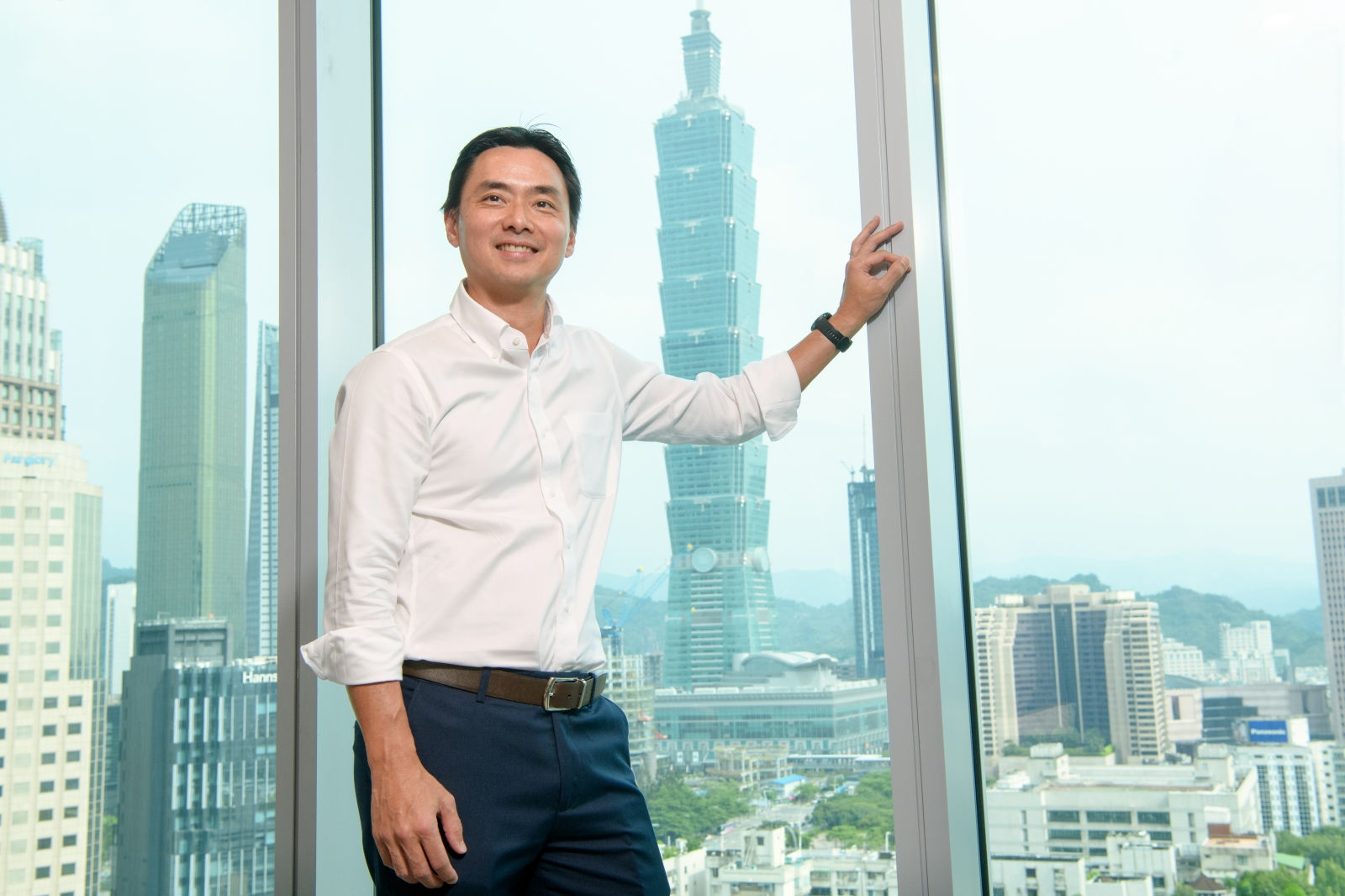 Having lived in four Southeast Asian countries and now preparing to settle in Taiwan, Grab's Managing Director of Operations Yee Wee Tang isn't afraid of a challenge—only of the Fair Trade Commission keeping its doors closed. (Photo: Chien-Ying Chiu)
Grab's profitability in Southeast Asia rests on a super-app flywheel — ride-hailing, food delivery, financial services and more reinforcing one another. That model is unlikely to transfer cleanly to Taiwan, where Grab is entering delivery first and remains a late mover even in its core ride-hailing business. "It may be very difficult for Grab to make money here," the executive said.
The biggest uncertainty surrounding the transaction is the timeline. Taiwan's Foodpanda, cut off from financial support by its German parent as the acquisition process drags on, is losing ground steadily. After new regulations governing delivery workers took effect, internal estimates put the added weekly operating costs at over NT$100 million. Whether Grab or its long-standing rival Uber ultimately steps in to stabilize the business remains, for now, an open question.
Have you read?
- Inside Grab's Singapore Headquarters: Southeast Asia's Super-App Leader Eyes Taiwan Expansion
- Grab CEO Anthony Tan's Unlikely Path: Rejecting a Car Empire to Build Southeast Asia's Super-App
- Exclusive: Changpeng Zhao on Binance, His Prison Sentence, and Crypto's Next Chapter
Edited by Susanne Ganz
Uploaded by Ian Huang
Views

Subscribe to CWE Newsletter (every Thursday)
Stay abreast of what's happening in Taiwan with our weekly digest.
Keywords: