Is Nvidia's CUDA Moat Cracking? This Could Be AMD's Moment
Source:TechTaiwan
Nvidia's CUDA software ecosystem has long been its strongest competitive moat, making it difficult for customers to switch despite AMD's capable hardware. But as AI increasingly takes over software engineering tasks, that barrier may be weakening. Could this be the turning point that finally gives AMD a real chance to challenge Nvidia?
Views
Is Nvidia's CUDA Moat Cracking? This Could Be AMD's Moment
By Liang-rong Chenweb only
Among the four-hour leaked conversation from DeepSeek founder Liang Wenfeng, one passage stands out above the rest in terms of industry significance:
“Nvidia’s CUDA moat is being dismantled rapidly,” because, “AI can write code. Building a software ecosystem is much easier than before.”
Reading that, my first thought was AMD.
Once Nvidia’s CUDA advantage is no longer decisive, the world’s second-largest GPU maker stands to become the biggest beneficiary.
When Nvidia GPUs were in their most severe shortage, cloud service providers were repeatedly asked why they didn’t switch to AMD hardware, whose specifications were comparable while supply was readily available.
The answer was always the same: engineers had already built their workflows around CUDA and its software ecosystem, making migration extremely difficult.
Anthropic Finally Embraces AMD
Echoing Liang Wenfeng’s view, major AI cloud companies including OpenAI and Meta have, since the second half of last year, announced remarkably large AMD GPU purchases.
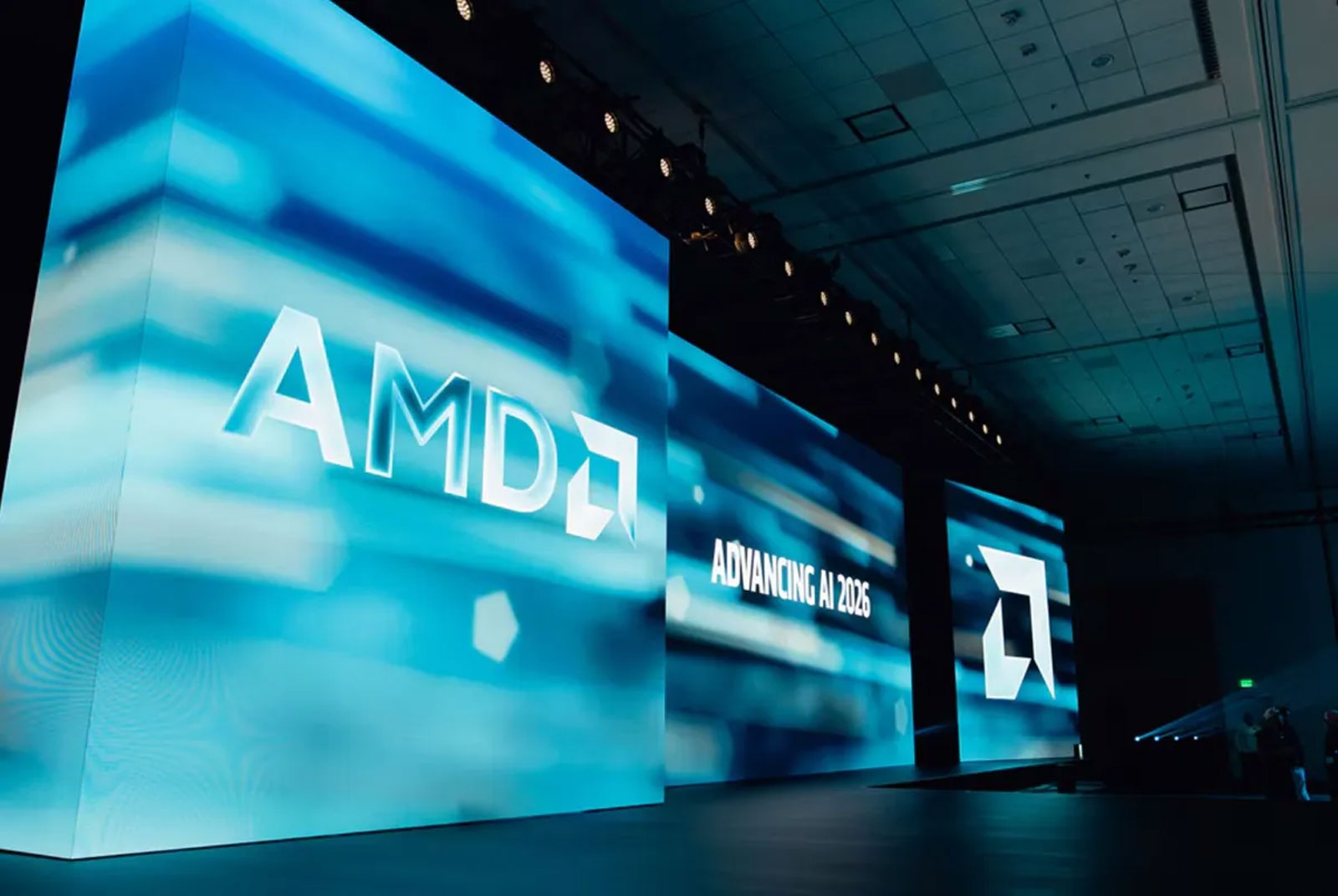
The latest—and perhaps most symbolic—example came at last week’s Advancing AI 2026 conference, effectively AMD’s version of Nvidia’s GTC.
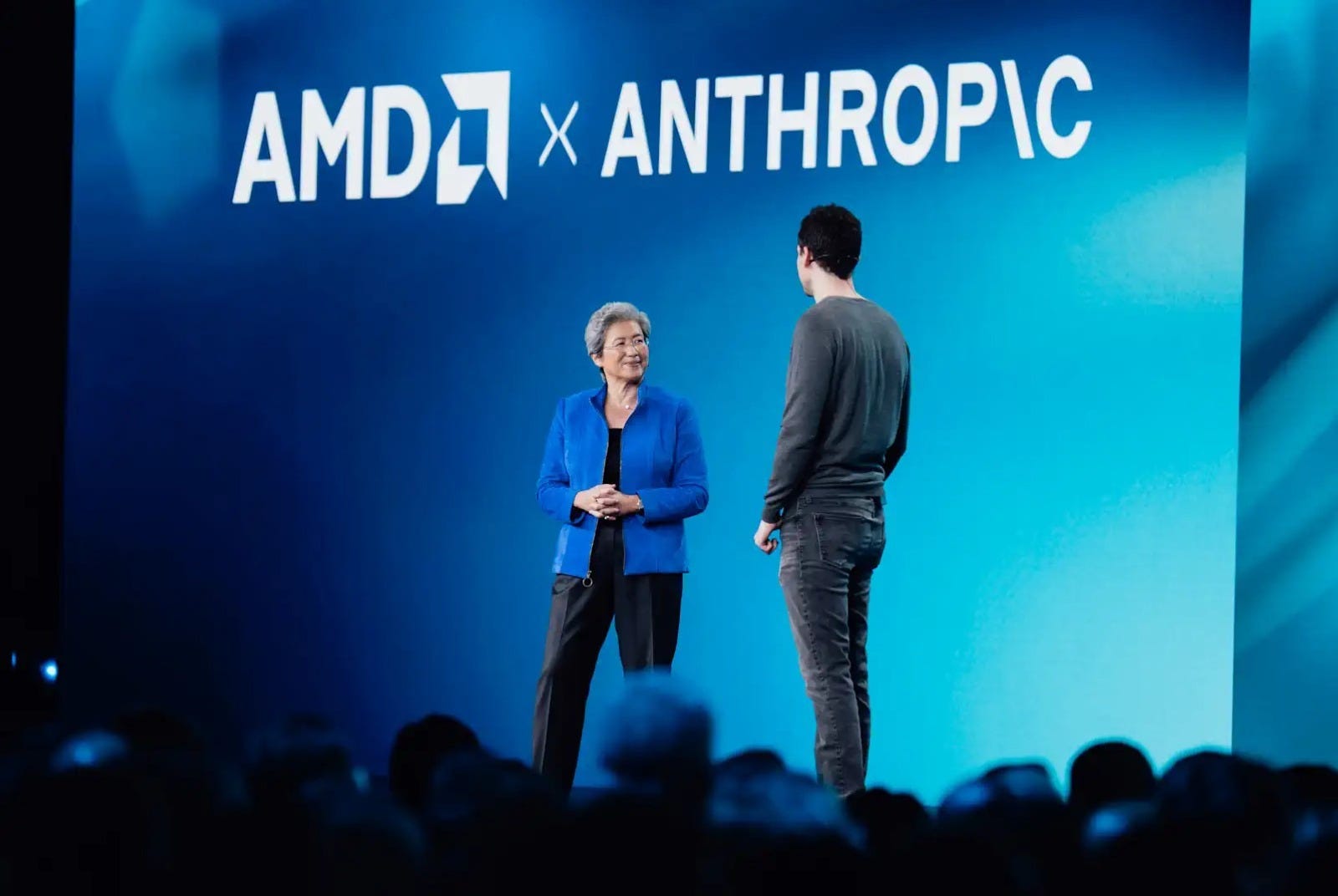
Anthropic co-founder Tom Brown announced on stage that the company would deploy 2 GW of Helios racks.
Lisa Su(蘇姿丰) asked him directly why Anthropic had only now adopted AMD, given that AMD had been approaching the company and pitching its products since Anthropic’s earliest days.
Brown explained that, in the past, bringing up a new hardware platform required an enormous engineering effort. But recently, his team tested a single AMD rack. All it took was one engineer giving Anthropic’s own Claude model a simple instruction: “Let’s bring up this machine.”
Over the course of the weekend, they simply watched as the model’s performance continued to improve on its own.
The audience immediately broke into thunderous applause.
That brief exchange, lasting only a few minutes, echoed Liang Wenfeng’s remarks almost perfectly despite taking place on opposite sides of the world.
Can Agentic AI Break CUDA’s Moat?
Shortly after the conference, semiconductor publication SemiAnalysis published an article titled “Can AMD Break CUDA’s Moat?”
“...As AI agents begin taking over work previously performed by human software engineers, the importance of the so-called ‘CUDA moat’ is diminishing. That allows AMD to offset Nvidia’s engineering headcount advantage.”
Once the software ecosystem disadvantage disappears, the rest comes down to AMD’s execution.
AMD has long been known for relentlessly pursuing the highest possible hardware specifications.
If Nvidia is the all-around master excelling in both hardware and software, AMD is the powerhouse known for brute-force hardware performance.
Two slides from Lisa Su’s keynote illustrated that distinction perfectly.
……
(To read this exclusive story in full, visit the Tech Taiwan Substack)
Views

Subscribe to CWE Newsletter (every Thursday)
Stay abreast of what's happening in Taiwan with our weekly digest.
Keywords: