How Taiwan-Japan Venture Dominates Key Chip Machine Market
Source:Kuan Hsieh
A small equipment maker based in Kaohsiung has quietly cornered 90% of the global market for a machine most people have never heard of but that is now in high demand due to the artificial intelligence boom. What’s behind its success?
Views
How Taiwan-Japan Venture Dominates Key Chip Machine Market
By Kai-yuan Tengweb only
For more than 20 years, Eternal Precision Mechanics Co., Ltd. (長廣科技), a subsidiary of Eternal Materials Co., Ltd. (長興材料), has dedicated itself to perfecting a type of machine critical to the chip packaging industry — vacuum ABF laminators.
This specialized equipment is used to bond a resin film thinner than a human hair onto chip substrates, protecting the fine circuitry inside advanced semiconductors.
2025 was a difficult year for the company, with operating revenue down 15.04 percent from a year earlier, but sales have rebounded slightly in the first half of 2026, rising about 3 percent year-over-year, with even better prospects ahead.
Institutional investors attribute the rebound to a new wave of capacity expansion among substrate and printed circuit (PC) board manufacturers, and the unique characteristics of Eternal Precision’s equipment have left it hard-pressed to meet demand.
“AI demand has become huge. Customers are expanding their capacity. They aren't talking about one or two machines anymore — they're planning 20 or 30 production lines at a time," said Kazutoshi Iwata (岩田和敏), the company's Japanese president.
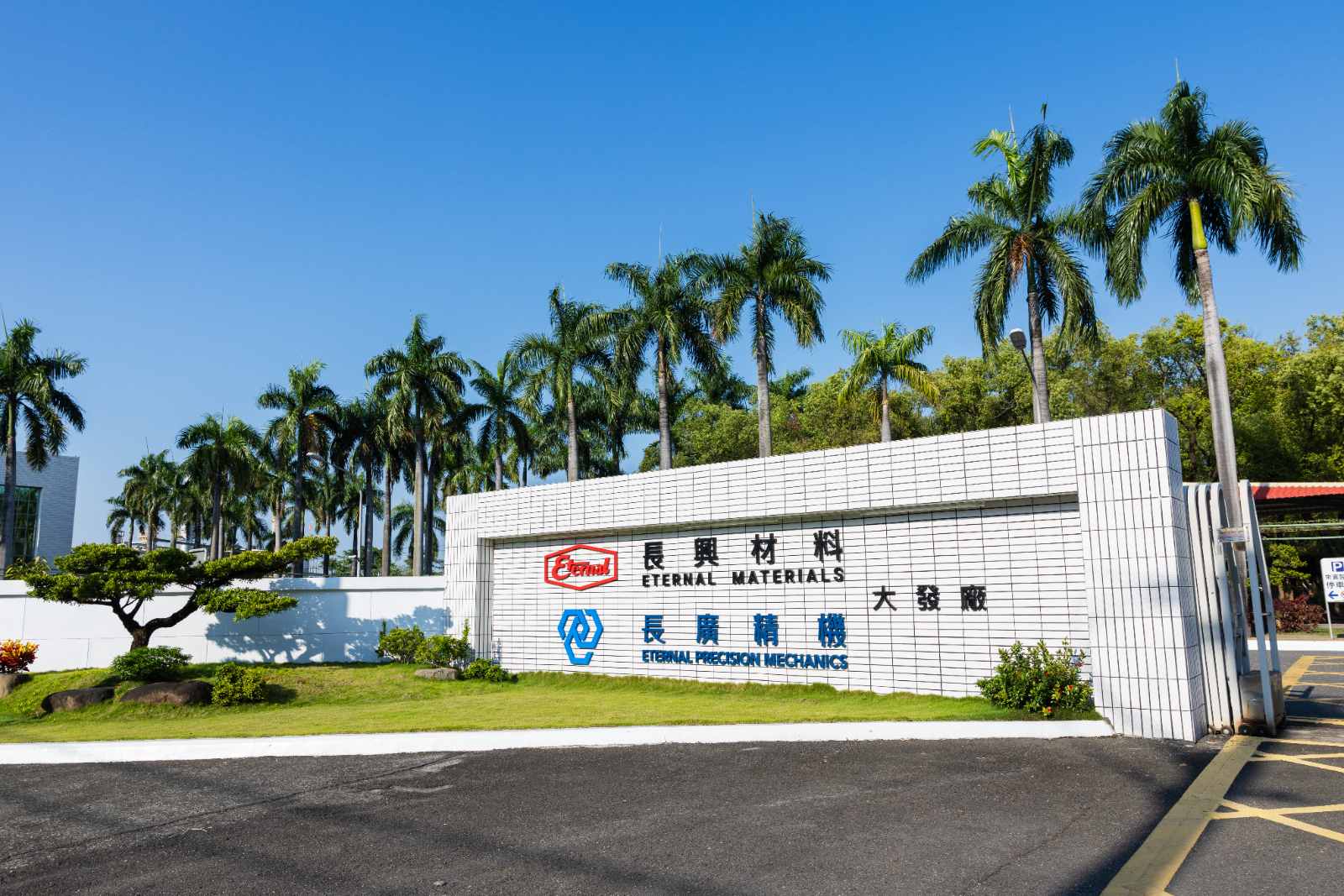 Kaohsiung-based Eternal Precision Mechanics specializes in chip lamination equipment and commands a 90% share of the global market. (Photo: Kuan Hsieh)
Though the company is relatively small, it has a 90 percent global market share, with Japan's top-tier circuit board makers and Taiwan's three leading substrate manufacturers among its customers.
From Monosodium Glutamate to Semiconductor Materials
The story of Eternal Precision’s rise is inseparable from the history of ABF (Ajinomoto build-up film) substrate technology itself.
Roughly 30 years ago, Japanese food conglomerate Ajinomoto — best known for its monosodium glutamate — developed an MSG byproduct into a thin laminate film that transformed chip packaging. Traditional ink-coating methods were slow and prone to air bubbles, and Ajinomoto's film material solved both problems.
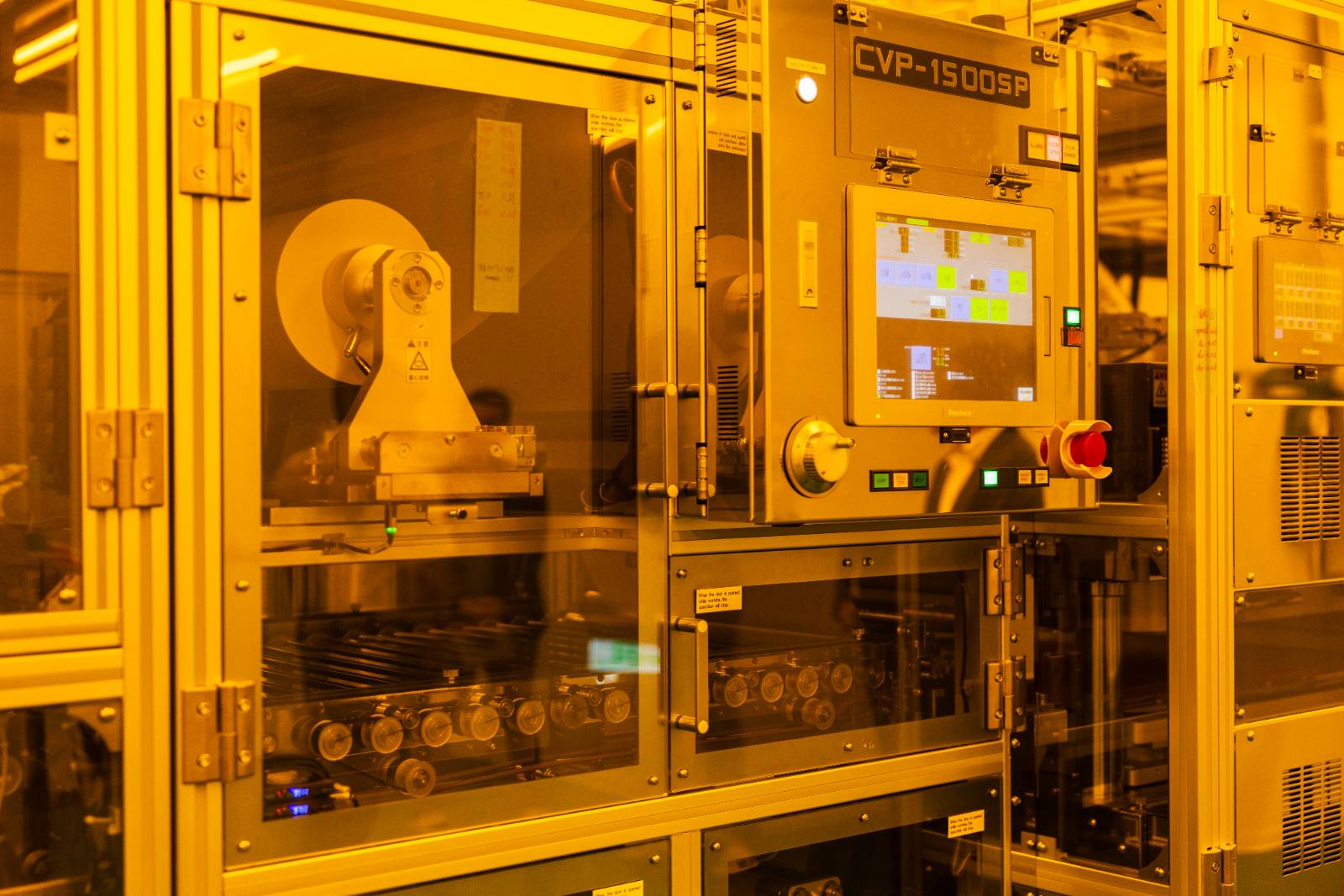 Eternal Precision Mechanics’ chip lamination equipment applies ABF resin film—thinner than a human hair—to semiconductor substrates. Pictured is one of the company’s machines. (Photo: Kuan Hsieh)
After Intel endorsed the material in 1999, ABF film became a critical input for high-end semiconductors, with Ajinomoto capturing approximately 95 percent of the global market.
The material's strategic importance made Ajinomoto an important stop for Nvidia President and CEO Jensen Huang (黃仁勳) during a recent trip to Japan and contributed to a doubling of Ajinomoto's share price over the past three years.
While Ajinomoto developed the material, the proprietary lamination equipment needed to apply it belongs to Iwata's team.
A Cross-Border Partnership Built on Early Access
Eternal Precision traces its origins to the equipment division of Japanese materials firm Nichigo Morton, which the Eternal Materials Group acquired in 2013 when it bought a Japanese peer.
Four years ago, Eternal Materials decided to separate its materials and equipment businesses, leaving Eternal Precision with a hybrid cross-border R&D, manufacturing and services model, with R&D and manufacturing remaining anchored in Japan.
Iwata, who started in the materials business and spent years stationed at customer facilities, developed a deep understanding of both machines and manufacturing. At the invitation of Ajinomoto's current president, Shigeo Nakamura (中村茂雄), Eternal Precision and Ajinomoto co-developed a lamination press tailored to new film materials and introduced it to Japanese substrate makers Shinko Electric Industries and Ibiden Co. before expanding into Taiwan after 2000.
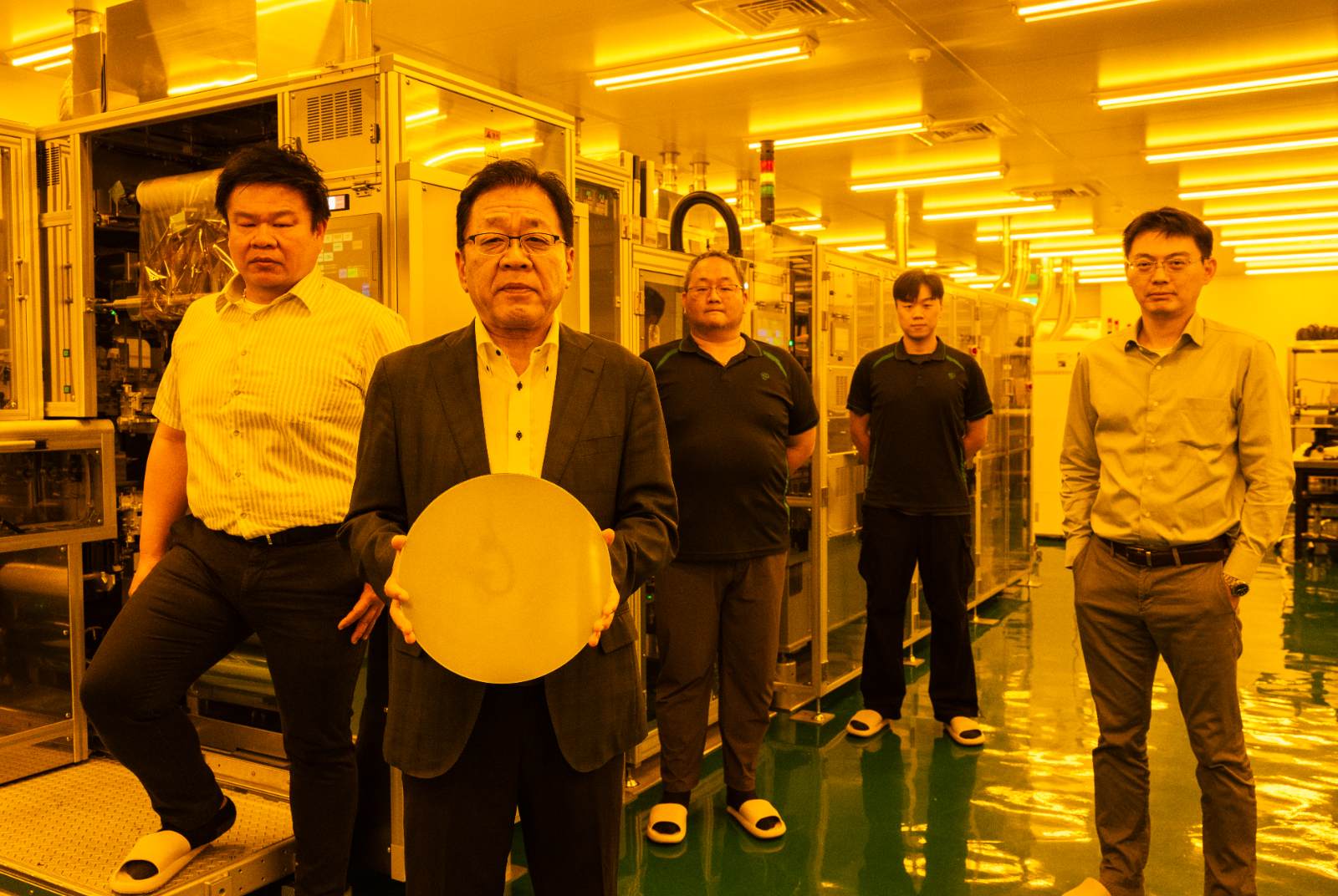
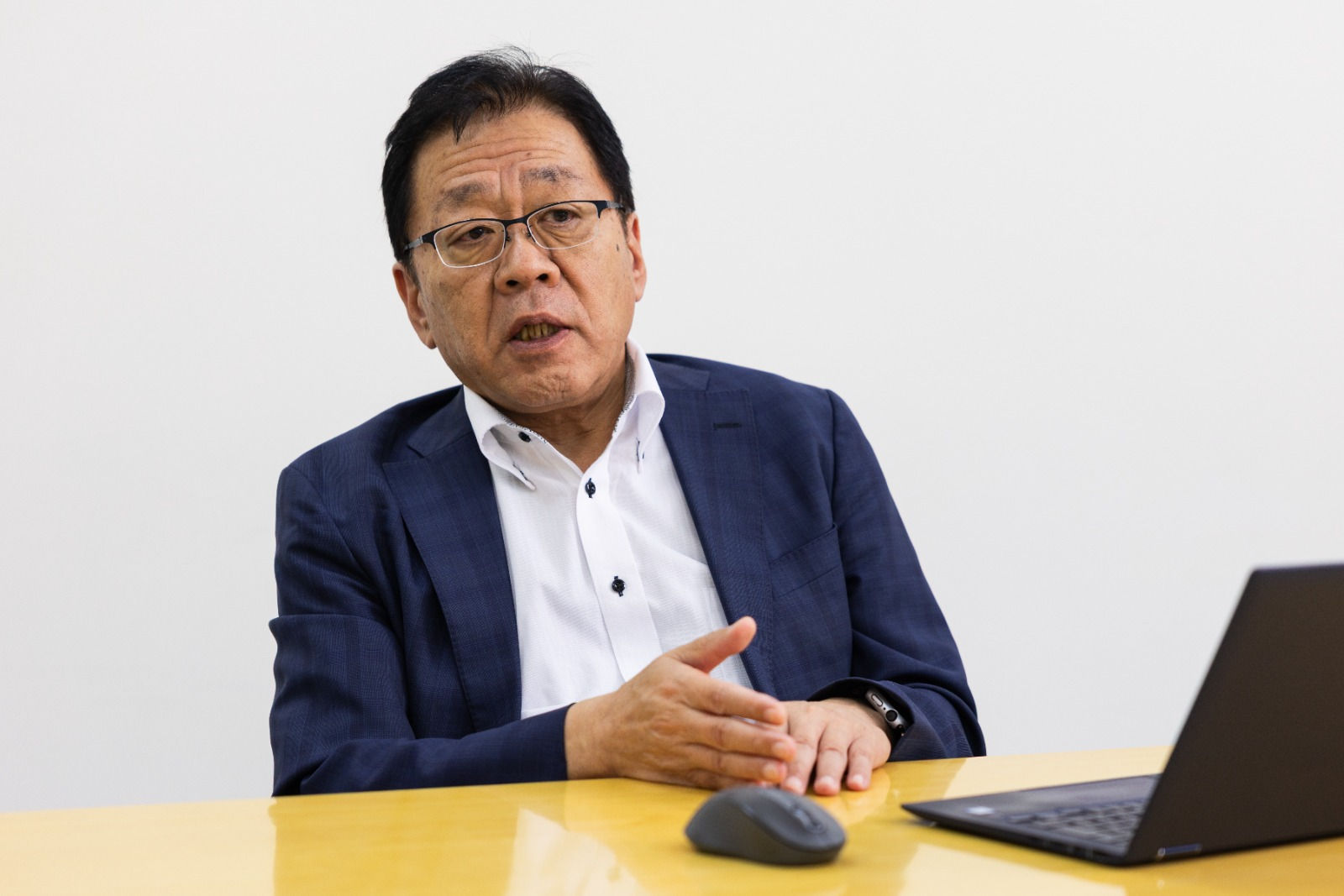 Eternal Precision Mechanics President Kazutoshi Iwata led the team that developed specialized lamination equipment for chip manufacturing. (Photo: Kuan Hsieh)
That partnership has given Eternal Precision an advantage few competitors can replicate.
"Getting access to new materials in the development stage is our edge," Iwata said,adding that whencustomers can't find a solution for a new material, the first supplier they think of is Eternal Precision."
Next Frontier: Advanced Packaging
Eternal Precision’s larger ambition is to move into advanced packaging — a strategic imperative driven partly by the cyclical nature of the substrate industry. Also, advanced packaging structures are relatively complex, which makes applying liquids or powders significantly harder, creating an opening for Eternal Precision’s specialized lamination equipment.
Ahead of its stock market listing this year, Eternal Precision sold a stake and gave a seat on its board to CoWoS (chip on wafer on substrate) advanced packaging equipment maker All Ring Tech Co., Ltd. (萬潤科技).
Lu Hui-hsuan (盧慧萱), special assistant to All Ring Tech’s chairperson, said Eternal Precision’s dominant market share is proof that its technology has been validated by first-tier customers and that its foundation is robust.
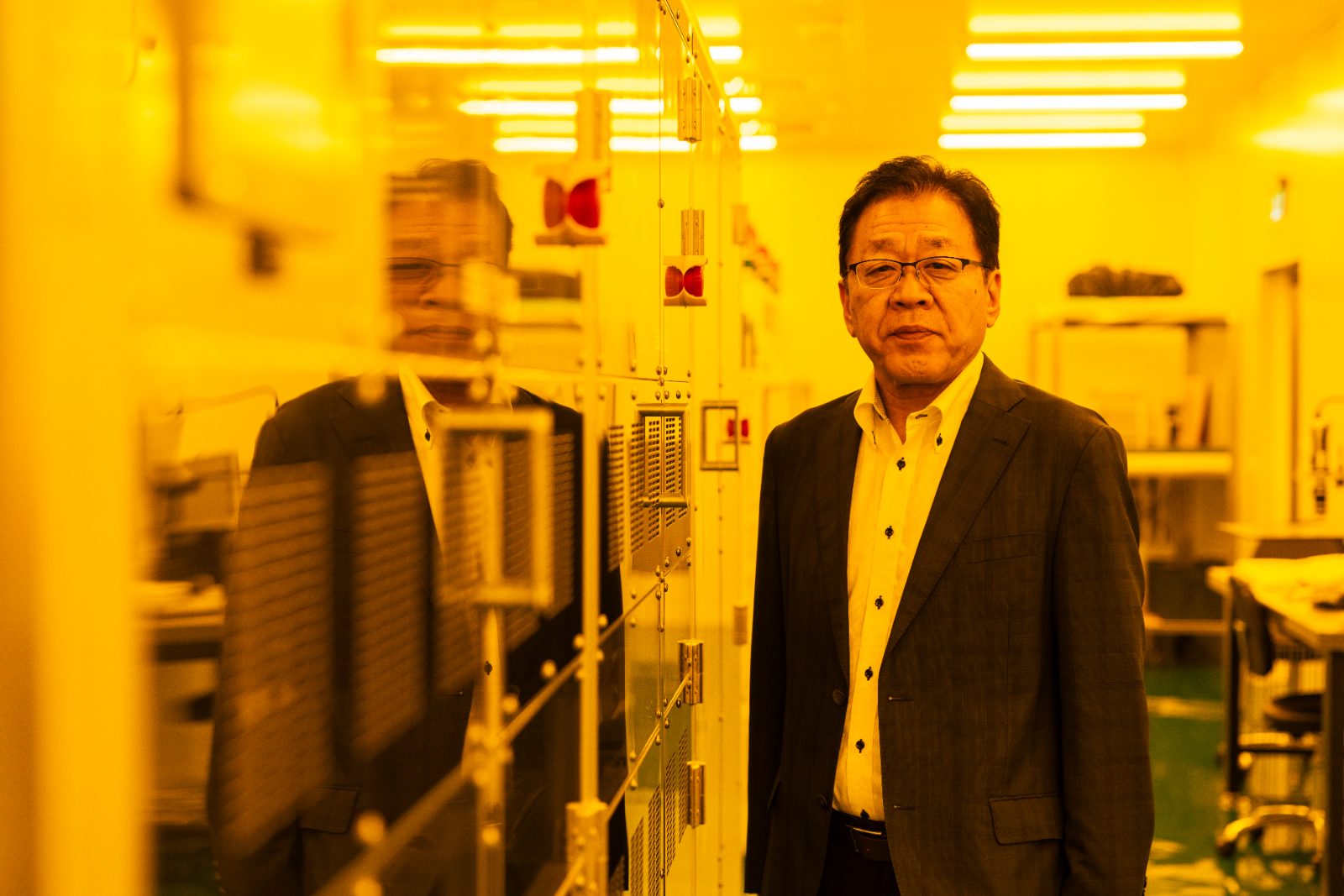 Kazutoshi Iwata said the partnership with All Ring Tech will help accelerate Eternal Precision Mechanics’ expansion into the semiconductor market. (Photo: Kuan Hsieh)
Iwata argued that the partnership accelerates Eternal Precision’s entry into semiconductors, especially important given that Taiwan holds the leading edge in advanced packaging technology.
One industry executive offered a note of caution, however, saying that development cycles in the semiconductor world move at a different pace than in the substrate world, and matching that speed will be one of the key tests Eternal Precision must pass.
Have you read?
- How Intel Could Challenge TSMC: Why MediaTek Is Making a US$5 Billion Bet
- Chips, Capital, and Civil Society: The Case for a Deeper EU-Taiwan Partnership
- Is Nvidia's CUDA Moat Cracking? This Could Be AMD's Moment
Edited by Luke Sabatier
Uploaded by Ian Huang
Views

Subscribe to CWE Newsletter (every Thursday)
Stay abreast of what's happening in Taiwan with our weekly digest.
Keywords: