How Intel Could Challenge TSMC: Why MediaTek Is Making a US$5 Billion Bet
Source:TechTaiwan
MediaTek is making a reported US$5 billion bet on Intel’s next-generation packaging technology, giving the US chipmaker its strongest opportunity yet to challenge TSMC in AI. But the race may ultimately depend on whether substrate suppliers can overcome major manufacturing hurdles. Could advanced packaging—not chip design—become the next battleground in the AI semiconductor industry?
Views
How Intel Could Challenge TSMC: Why MediaTek Is Making a US$5 Billion Bet
By Liang-rong Chenweb only
Let’s begin with Unimicron’s earnings call last Wednesday (July 29).
Unimicron is one of the three ABF substrate suppliers for Intel’s EMIB-T platform.
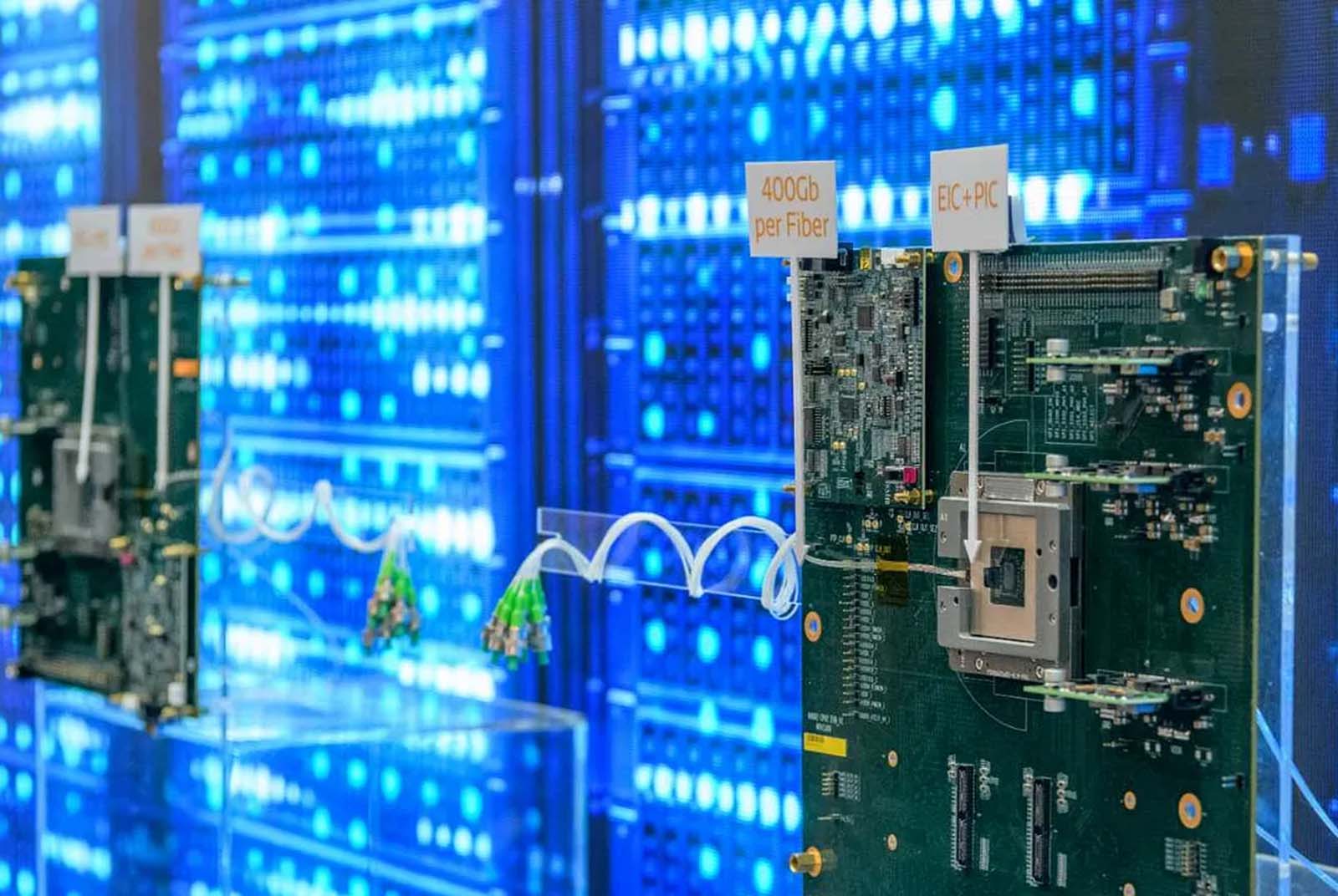
The biggest difference between EMIB-T and TSMC’s CoWoS-L (used for Nvidia GPUs) is that EMIB-T eliminates the interposer—the “W” in CoWoS. Instead of placing the dense network of interconnects and wiring inside a silicon interposer, as TSMC does, Intel embeds the silicon bridge directly into the package substrate.
This highly demanding manufacturing step is therefore carried out by substrate suppliers, making them widely regarded as the critical factor determining whether EMIB-T can succeed.
Substrate Suppliers Hold the Key to EMIB-T
Whenever asked about EMIB-T in the past, Unimicron executives would simply decline to comment on specific customers or technologies.
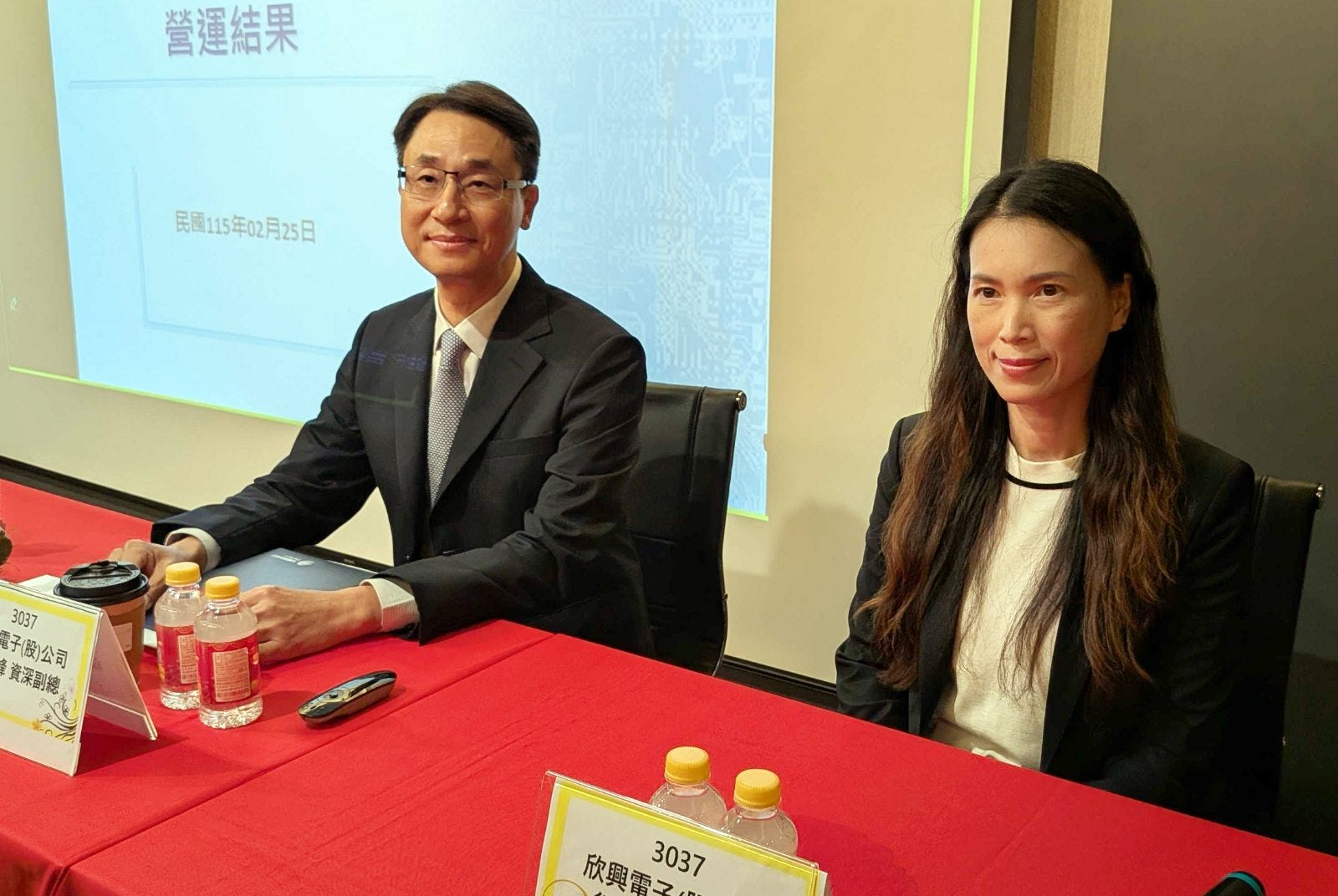
This time, however, Unimicron Chief Marketing Officer Julia Yang(楊筑華) gave an unusually direct answer.
“This technology is indeed not yet that mature,” she said.
The room was packed with foreign institutional analysts—a rare sight.
They were less interested in the earnings of the world’s second-largest substrate maker than in the looming showdown between two AI heavyweights.
CoWoS vs. EMIB-T
Google’s ninth-generation TPU, scheduled for mass production in 2028, will boldly adopt EMIB-T packaging to build an enormous AI chip with similarly impressive size and performance. If successful, shipment volumes could even challenge Nvidia’s.
MediaTek, which co-designed the chip, and Intel, which will package it, could use the project to challenge their respective rivals—Broadcom, whose TPU platform continues to rely on CoWoS, and TSMC.
Much of that effort, however, depends on whether three substrate suppliers from Japan and Taiwan can overcome the remaining technical hurdles and raise yield and quality to mass-production standards.
Yang disclosed that the three EMIB-T substrate suppliers—Unimicron, Ibiden and Shinko Electric Industries—are targeting only a 50% yield during the “first phase” of mass production in 2027, likely toward the end of the year.
She also thanked the customer for providing profit guarantees, noting that suppliers are assured of a certain level of profitability regardless of yield.
In other words, Intel has structured the arrangement so suppliers will remain profitable even if yields remain poor. Reaching the 50% yield target would already deliver “a profit we’re very happy with”—higher than Unimicron’s average gross margin.
Why Is a 50% Yield Considered Good Enough?
Judging from Yang’s remarks, even achieving what appears to be a modest 50% yield remains highly challenging.
Why?
…………
(To read this exclusive story in full, visit the Tech Taiwan Substack)
Views

Subscribe to CWE Newsletter (every Thursday)
Stay abreast of what's happening in Taiwan with our weekly digest.
Keywords: