As AI Chips Get Pricier, Testing and Metrology Move to Center Stage
Source:Judy Lin
As AI chips grow more valuable and complex, testing and metrology are moving from end-of-line quality control to a strategic role in yield, reliability and supply-chain competitiveness.
Views
As AI Chips Get Pricier, Testing and Metrology Move to Center Stage
By Judy Linweb only
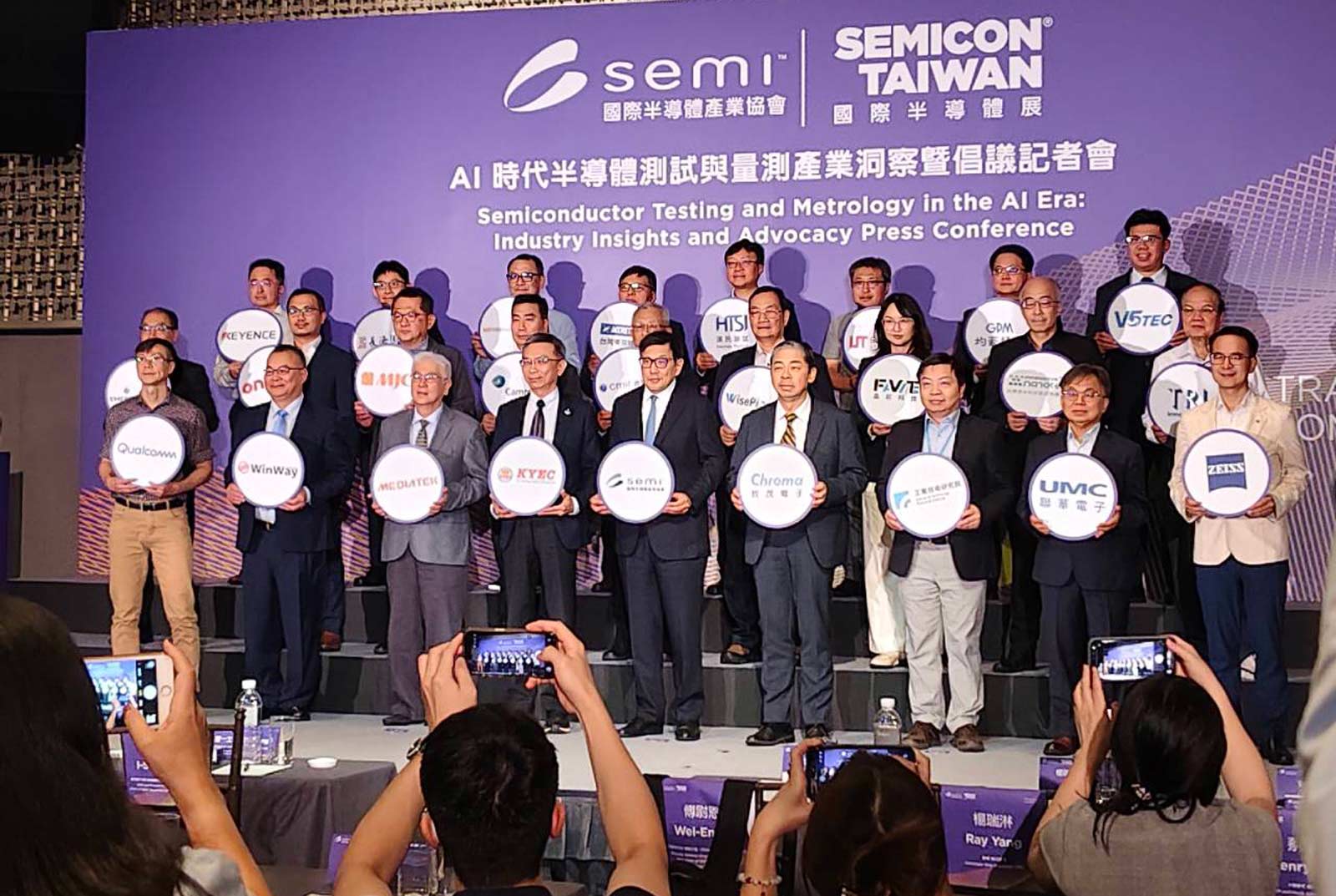
In a rare move ahead of SEMICON Taiwan, SEMI held a dedicated press conference highlighting the semiconductor testing and metrology sector, underscoring its growing importance in the era of AI, advanced packaging and heterogeneous integration.
Taiwan has established a leading position in both advanced semiconductor manufacturing and advanced packaging, but continued technological breakthroughs increasingly depend on coordinated innovation across the entire semiconductor ecosystem.
“As AI chips continue to grow in both value and complexity, testing and measurement have become increasingly critical to determining yield, controlling costs and achieving efficient high-volume production,” said Terry Tsao, SEMI’s Global Chief Marketing Officer and President of SEMI Taiwan.
Tsao said Taiwan already possesses world-class capabilities in supply-chain integration and high-volume manufacturing. Looking ahead, he said, industry and government must work even more closely together to deepen these strengths and ensure that Taiwan’s capabilities and competitive advantages gain greater recognition globally.
From End-of-Line Inspection to an Upstream Imperative
I-Shih Tseng, CEO of Chroma ATE Inc. and chairman of SEMI’s Testing and Metrology Committee, said AI is driving a paradigm shift in semiconductor testing and metrology.
Traditionally, testing was largely viewed as a quality-assurance function performed toward the end of the manufacturing process. But with AI chips becoming increasingly expensive and complex, manufacturers can no longer afford to wait until the final stages of production to determine whether a chip is good or defective.
“It is therefore essential to bring metrology and testing further upstream into design and development in order to ensure production reliability,” Tseng said in his keynote speech.
The shift is particularly significant as heterogeneous integration combines multiple chiplets, dies and advanced packaging technologies into increasingly complex systems. Detecting problems earlier can prevent costly components from being integrated into a package only to fail at a later stage.
Talent Emerges as a Critical Bottleneck
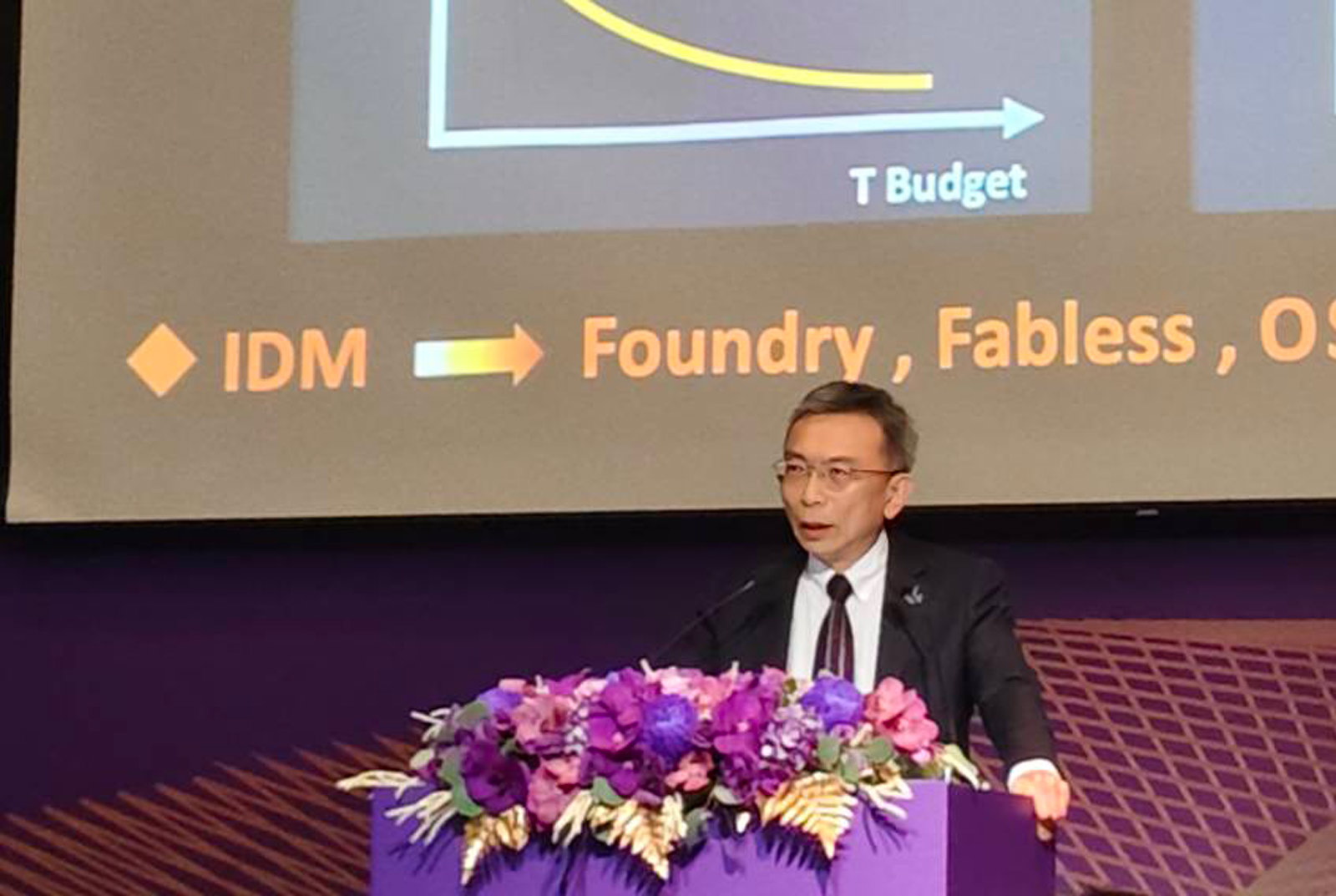 Gauss Chang, CEO of King Yuan Electronics Co. (KYEC). (Photo: Judy Lin)
A SEMI survey of its members identified talent shortages as the most immediate risk to sustainable growth in the testing and metrology sector.
Gauss Chang, CEO of King Yuan Electronics Co. (KYEC), said talent development and continued investment in research and development will be essential to building advanced testing capabilities.
“Testing is no longer simply about screening out bad chips, but about identifying and selecting high-value good chips,” Chang said. “With a single AI chip worth more than US$10,000, advanced testing capabilities can directly affect overall yield and supply-chain competitiveness.”
The changing economics of AI semiconductors are elevating testing from a supporting manufacturing function to a strategic capability. As the value of individual chips rises, even small improvements in yield, reliability and defect detection can have a significant impact on manufacturing economics.
Testing and Metrology Outpace Broader Equipment Growth
The market outlook reflects that shift.
According to SEMI projections, global semiconductor equipment sales are expected to rise from US$135 billion in 2025 to US$230 billion by 2028, with testing and metrology equipment among the fastest-growing segments.
Sales in the testing and metrology sector are projected to increase 31% in 2026 to US$15.3 billion and rise further to US$20.8 billion by 2028.
Taiwan is also seeing strong momentum. According to Taiwan’s Ministry of Economic Affairs, the production value of Taiwan’s metrology sector reached NT$193.6 billion (approximately US$6.0 billion) in 2025. During the first five months of 2026, production value grew 32.8% year on year.
As AI, chiplets and heterogeneous integration reshape semiconductor manufacturing, the industry’s ability to measure, inspect and test increasingly complex devices is becoming just as important as its ability to manufacture them. For Taiwan, strengthening this part of the ecosystem could prove critical to maintaining its leadership as the semiconductor industry moves into its next phase.
Have you read?
- How Taiwan-Japan Venture Dominates Key Chip Machine Market
- How Intel Could Challenge TSMC: Why MediaTek Is Making a US$5 Billion Bet
- Chips, Capital, and Civil Society: The Case for a Deeper EU-Taiwan Partnership
Uploaded by Ian Huang
Views

Subscribe to CWE Newsletter (every Thursday)
Stay abreast of what's happening in Taiwan with our weekly digest.
Keywords: