COUPE: TSMC's Game Changer After CoWoS
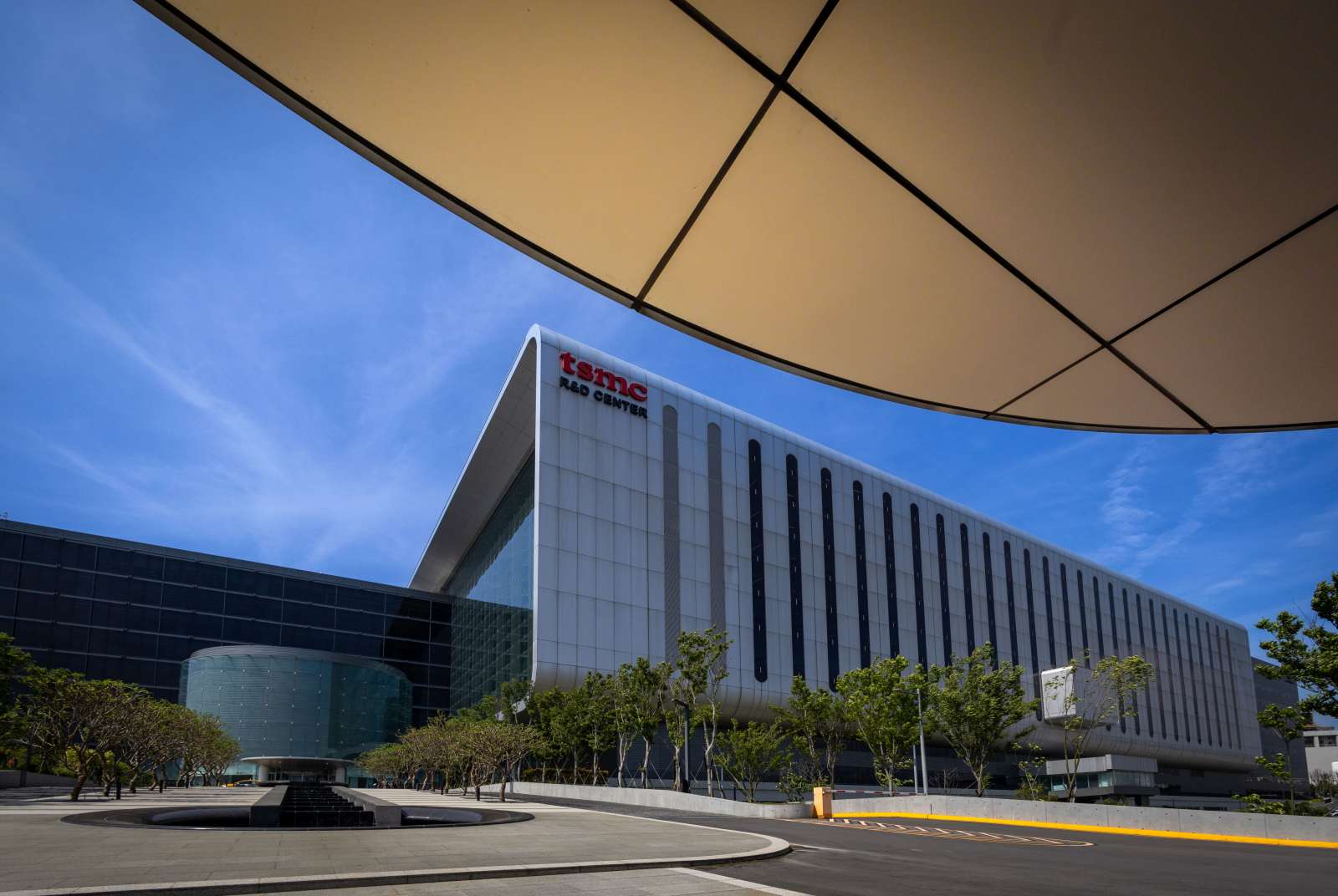
Source:Chien-Tong Wang
TSMC's new COUPE platform could become the next major breakthrough after CoWoS. By combining advanced packaging with silicon photonics, it helps overcome the limits of copper connections in AI data centers, while strengthening TSMC's technology leadership and Taiwan's semiconductor supply chain.
Views
COUPE: TSMC's Game Changer After CoWoS
By Elaine I-yun HuangCommonWealth Magazine
During TSMC's annual Technology Symposium this May, Deputy Co-COO Kevin Zhang (張曉強) turned heads when he made this declaration: "Everyone, I want you to remember a new name."
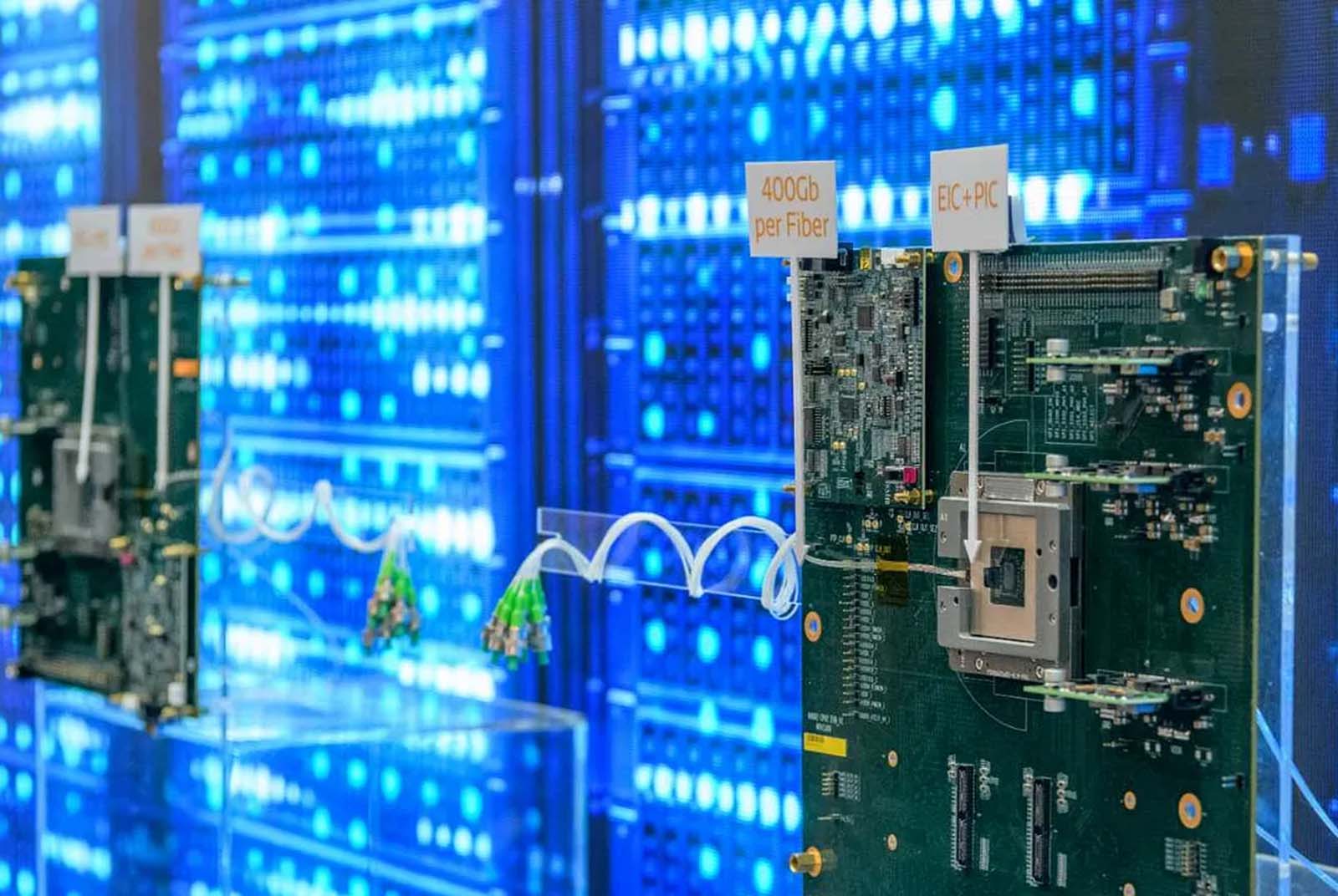
The name was COUPE, which stands for Compact Universal Photonic Engine. COUPE utilizes advanced packaging technology to three-dimensionally stack electronic and photonic integrated circuits together so electrical signals can be transmitted through silicon photonics. This overcomes the physical limitations of copper wires and helps semiconductor companies prepare for the explosive growth in computing demand that is par for the course in the age of artificial intelligence.
COUPE first appeared in a paper published in the 2021 IEEE Electronic Components and Technology Conference (ECTC), penned by Hsing-Kuo Hsia (夏興國), a core member of TSMC's advanced packaging research team. The name itself was coined by TSMC alumnus Shang Y. Hou (侯上勇), currently a senior director at MediaTek.
The driving force behind its widespread adoption is none other than Nvidia. Last March, Jensen Huang debuted the Spectrum-X Ethernet switch at GTC, which incorporated the COUPE platform. Spectrum-X entered mass production this year, making Nvidia the first and largest buyer of COUPE.
When Compute Runs into a Copper Ceiling
Silicon photonics has become essential because copper wiring has reached its physical limits. The thousands upon thousands of processors in an AI data center must send data to each other at very high speeds, but copper wires use a lot of energy, can only carry signals a short distance, and experience severe signal loss at high transmission speeds. Silicon photonics is the obvious solution to the bottleneck, since it offers incredible bandwidth, generates almost zero heat, and can carry signals a long distance without any data loss.
TSMC is rolling out COUPE in three phases. The first phase, where it became mainstream, saw COUPE adopt the form of swappable optical modules. The second phase, starting this year, is about replacing copper wires with chips and photonic engines packaged on the same baseboard inside switches. The upcoming third phase will move the photonic engines next to GPUs; the supply chains for this will actualize after 2028.
TSMC is taking the lead because it has assigned its best packaging experts to work on COUPE. While optical experts might pursue edge coupling with the lowest coupling losses, packaging gurus know how to prioritize mass production. They tend to choose grating couplers that are easy to align and secure, so that light can be perfectly redirected at a 90-degree angle. This level of reliability will pave the way for photonic engines to be adopted at a broader scale.
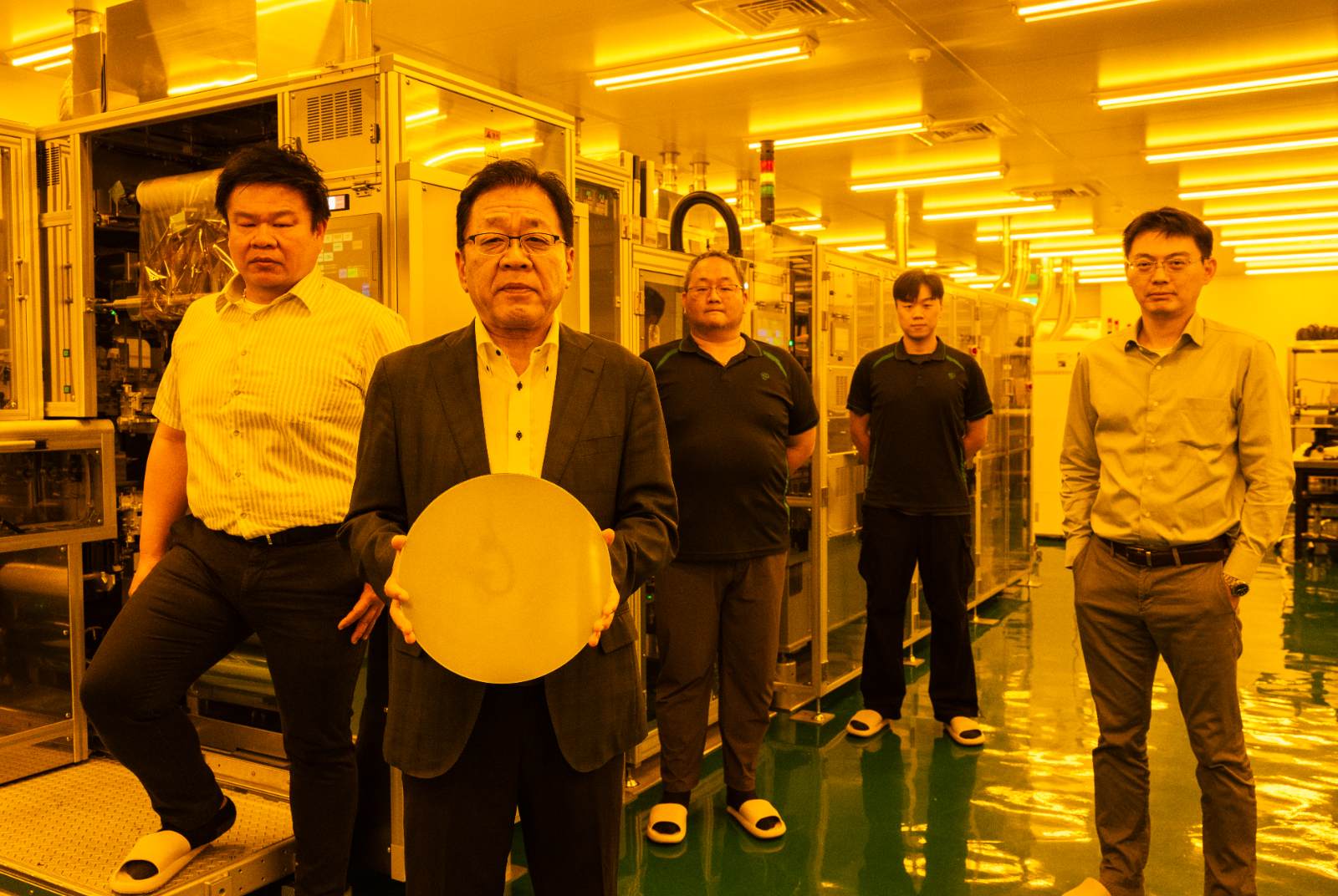
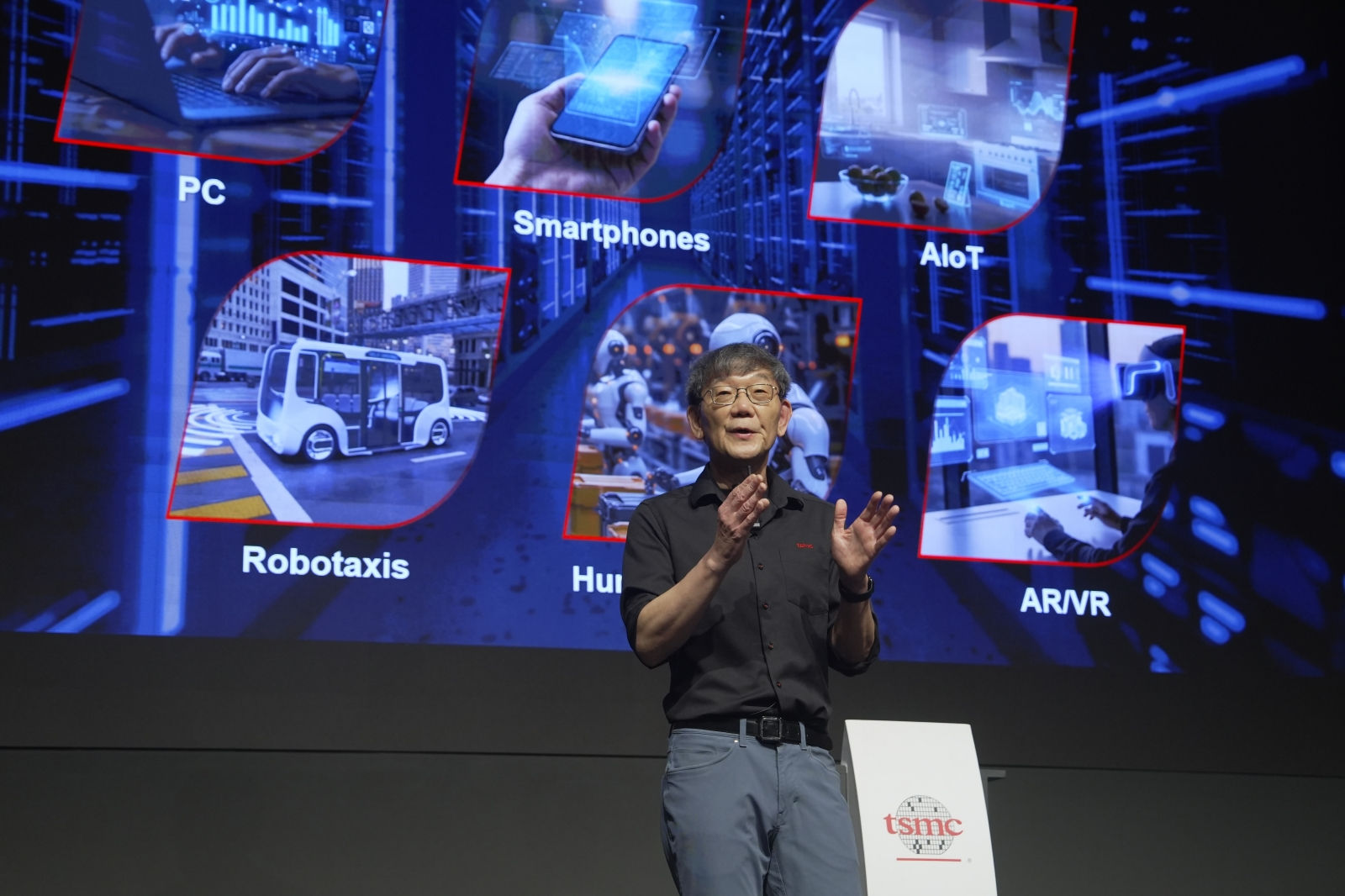 TSMC Deputy Co-COO Kevin Zhang said COUPE is the next name to remember after CoWoS. (Photo: TSMC)
TSMC Decides Standards and Secures Market Lead
TSMC's position is clear: "Unlike electrical components, optical technology is not limited by anything like Moore's Law, so we can set the standards that direct the industry." This lack of established rules means that TSMC is free to make its own. Shih-Chieh Chang (張世杰), General Director of Electronic and Optoelectronic System Research Laboratories at ITRI, opines: "This is a protective moat that TSMC is building around its market lead."
The Taiwanese Supply Chain is All-in
Sebastian Hou (侯明孝), Managing Director at Neuberger Berman Taiwan, points out that "CoWoS only began to amass local suppliers after it had taken off. Conversely, COUPE has Taiwanese suppliers getting in on the ground floor."
Fiber array unit (FAU) suppliers include FOCI and Browave; laser epitaxial wafer suppliers include LandMark Optoelectronics; testing and analysis are provided by MA-tek, iST, and MPI Corporation; packaging is covered by CoWoS veterans like All Ring and Hon Precision.
Obviously, challenges abound. The margin of error for optical fiber is measured in nanometers. As many as 160 naked strands of fiber must be connected at once in extremely constricted space, and then they must withstand a lot of heat. MA-tek chair Hsieh Yung-Fen (謝詠芬) says, "Almost nothing is compatible between silicon and photonics."
There are two bottlenecks stopping silicon photonics from making it big just yet. On the supply side, there is a critical shortage of the key ingredient: indium phosphide. As for lasers, there are only three companies capable of reliably supplying high-power lasers around the world: AOI, Lumentum, and Coherent. AOI president Chih Hsiang Lin (林誌祥) puts it bluntly, "Our three companies combined cannot satisfy all the market demand."
Despite setbacks, former Intel CEO Gelsinger once said that TSMC's success is built upon its trustworthy manufacturing platform in the center of a larger ecosystem. "Fortune favors the companies that can build a trusted integration platform across multiple technologies." Indeed, this is the position Taiwan is striving to maintain on the world stage.
Have you read?
- Taiwanese American-Founded AOI Closes in on U.S. Laser Trio
- Why TSMC Is Letting Go of CoWoS—and Where Its Real Second Moat Lies
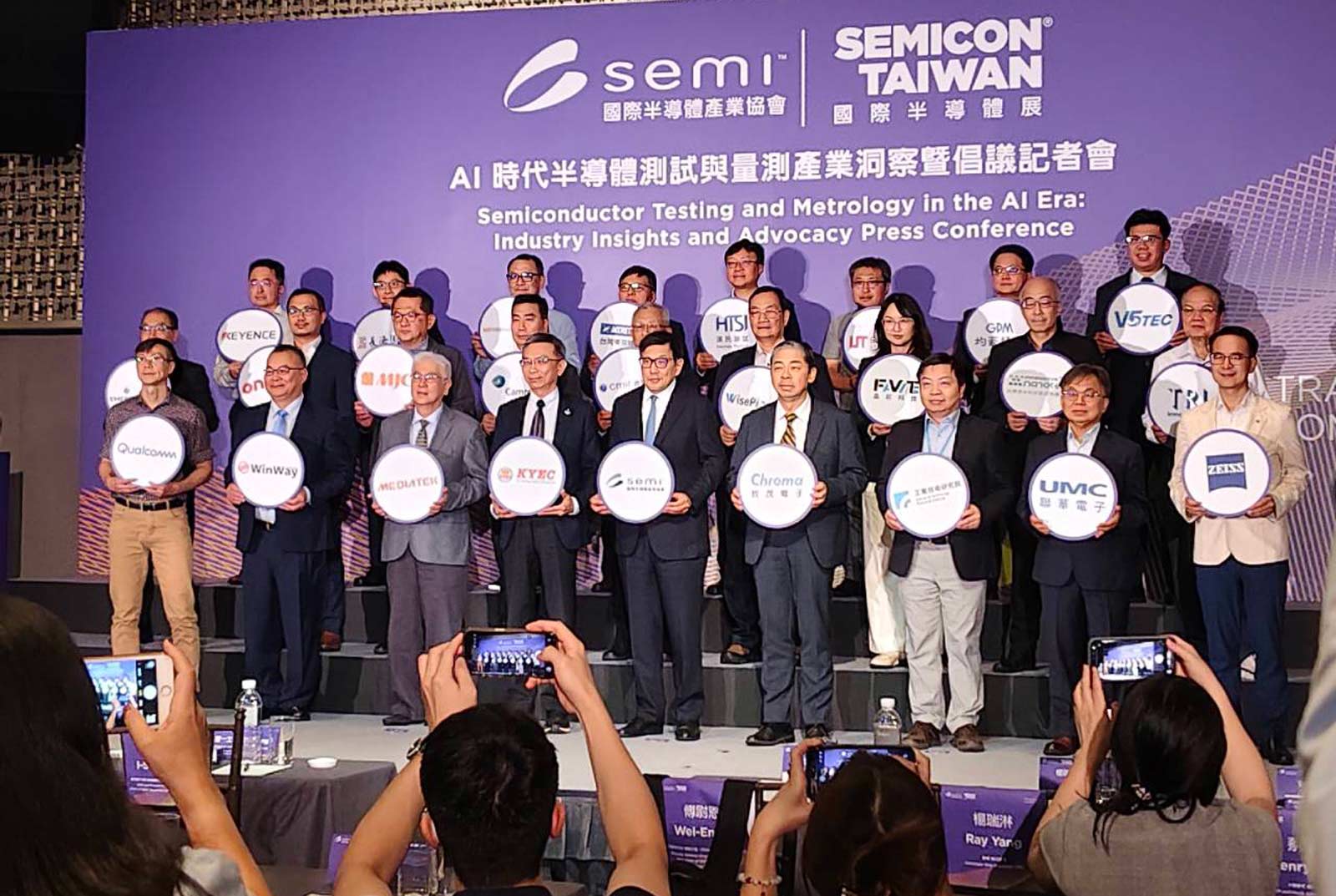
- As AI Chips Get Pricier, Testing and Metrology Move to Center Stage
Translated by Jack Chou
Uploaded by Ian Huang
Views

Subscribe to CWE Newsletter (every Thursday)
Stay abreast of what's happening in Taiwan with our weekly digest.
Keywords: