King Slide’s 87% Gross Margin Tops Nvidia’s. What Makes Its Server Rails So Hard to Replace?

Source:TechTaiwan
King Slide has achieved a record-breaking 87.4% gross margin—higher than Nvidia’s—by turning server rails into a mission-critical AI infrastructure component. Its strong patent portfolio, customization capabilities, and manufacturing expertise have created a competitive moat that gives it exceptional pricing power.
Views
King Slide’s 87% Gross Margin Tops Nvidia’s. What Makes Its Server Rails So Hard to Replace?
By Liang-rong Chenweb only
At the end of 2023, when the AI boom was just beginning, King Slide Executive Vice President Chun Chiang Wang(王俊強), the son-in-law of founder Tsung-chi Lin, was asked by an analyst during an earnings call whether the company’s gross margin could eventually reach 70%. Its gross margin that year was 61.3%.
“Customers would get nervous if they saw a seven in front,” he immediately replied. “We want to earn a reasonable profit.”
He went further: “A lot of people want explosive momentum, but what matters more to us is staying power. Staying power is what really matters.”
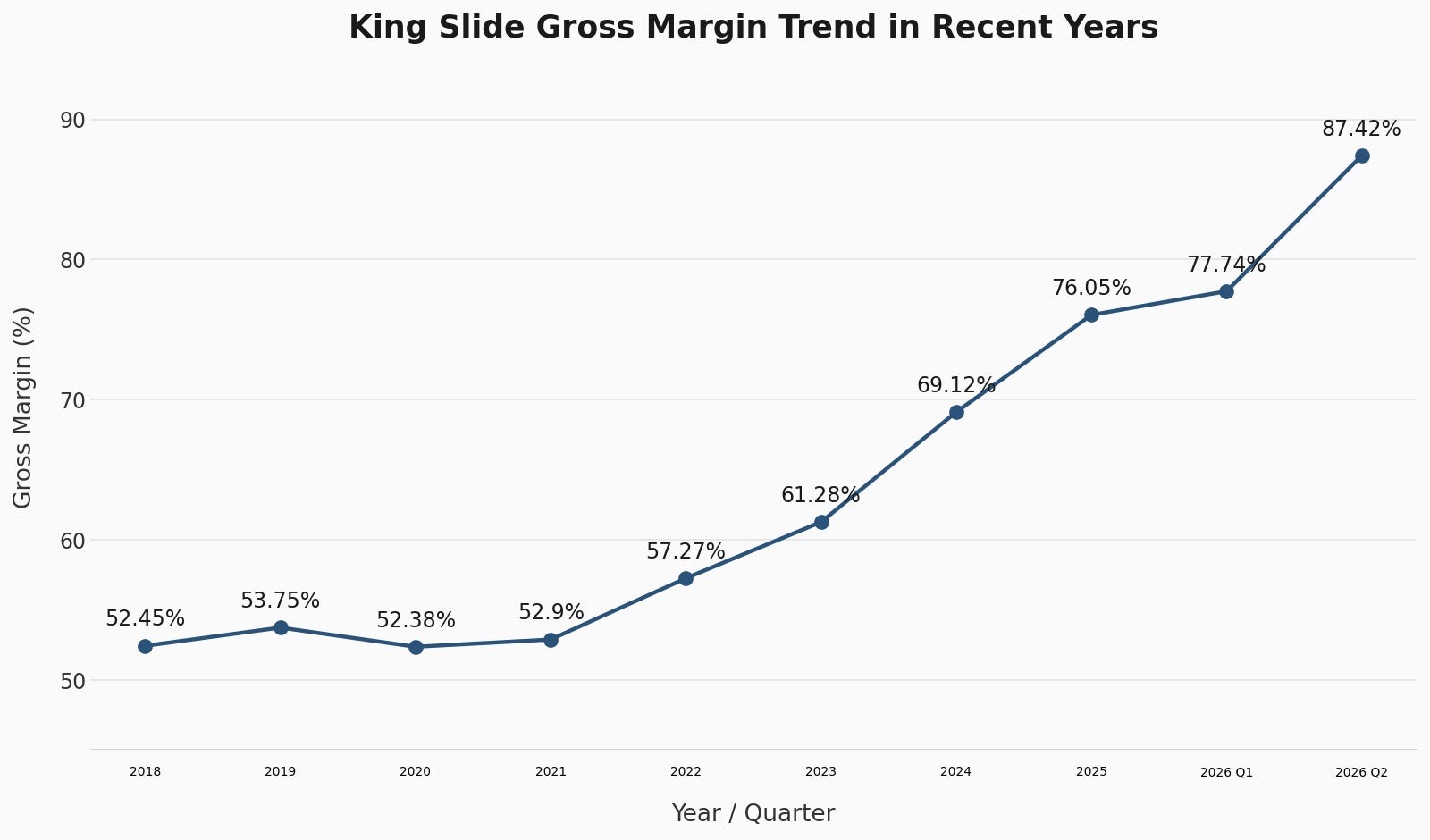
Less than three years later, at King Slide’s second-quarter earnings call on August 7, the company delivered a stunning gross margin of 87.4%, nearly 10 percentage points higher than the previous quarter’s 77.7%.
That figure may well represent a new record among publicly listed manufacturing companies in Taiwan.
The previous record was Largan Precision’s(大立光) 71.69% in 2017.
Meanwhile, ASPEED Technology(信驊), Taiwan’s highest-priced stock and a maker of server management chips, also posted a record gross margin of 72% in the second quarter. No wonder King Slide President Jane Lin(林淑珍) said in a recent speech that the company’s gross margin was “comparable to an IC design company.”
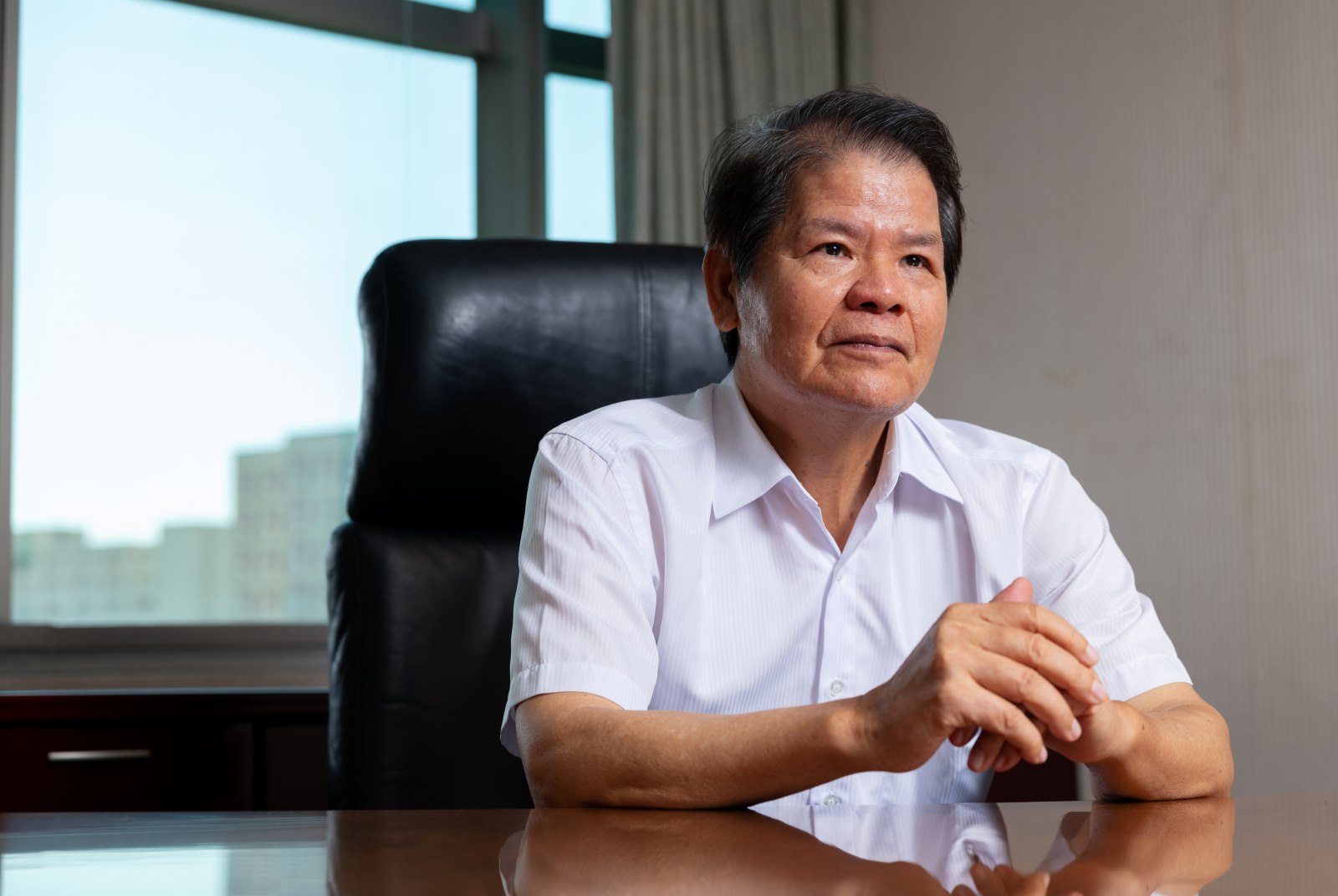
“That’s simply astronomical,” said Bill Chiu(邱銘乾), chairman of Gudeng Precision(家登精密).
Gudeng, a major supplier of EUV mask pods, has long been known for its strong technology within TSMC’s local supply chain.
Its 43.7% gross margin is itself enough to stand out among Taiwan’s technology companies, including connector and probe-card manufacturers such as Foxconn Technology(鴻準) and WinWay Technology(穎威), which were similarly founded by hands-on manufacturing entrepreneurs and are known for their precision machining capabilities.
And yet King Slide’s gross margin is twice that of Gudeng.
Three Keys That Keep Customers Paying
“I believe it must have said no to customers before,” Chiu said. Profitability at this level, he believes, means King Slide must have rejected customers’ demands for price cuts.
“Why would customers still swallow their frustration and keep buying from it? What gives King Slide that kind of leverage?” asked Chiu, who teaches case studies in National Tsing Hua University’s EMBA program.
In his view, King Slide’s first moat is its portfolio of more than 3,800 rail-related patents, which makes it extremely difficult for competitors to encroach on its territory.
Second is its extensive customization and design support, which makes it difficult for customers to leave.
Third, the two rails bearing the full weight of a server drawer are critical to the safety of an entire AI rack.
Yet rails account for only a tiny share of the rack’s overall cost structure. Even the most expensive VR-series rails currently cost less than US$100, while an entire VR200 rack costs nearly US$8 million. That gives customers less incentive to bargain aggressively over rail prices.
More importantly, King Slide has to pursue “two tracks at the same time.” One is negotiating with customers and pushing prices higher.
The other is driving its own production costs lower, which requires highly vertically integrated manufacturing capabilities.
“Everything has to be taken to the extreme. I think that’s how King Slide got to where it is today,” Chiu said.
What’s So Special About “Two Pieces of Metal”?
A speech by King Slide President Jane Lin at the Taiwan Venture Capital and Investment Annual Conference in July echoed that view.
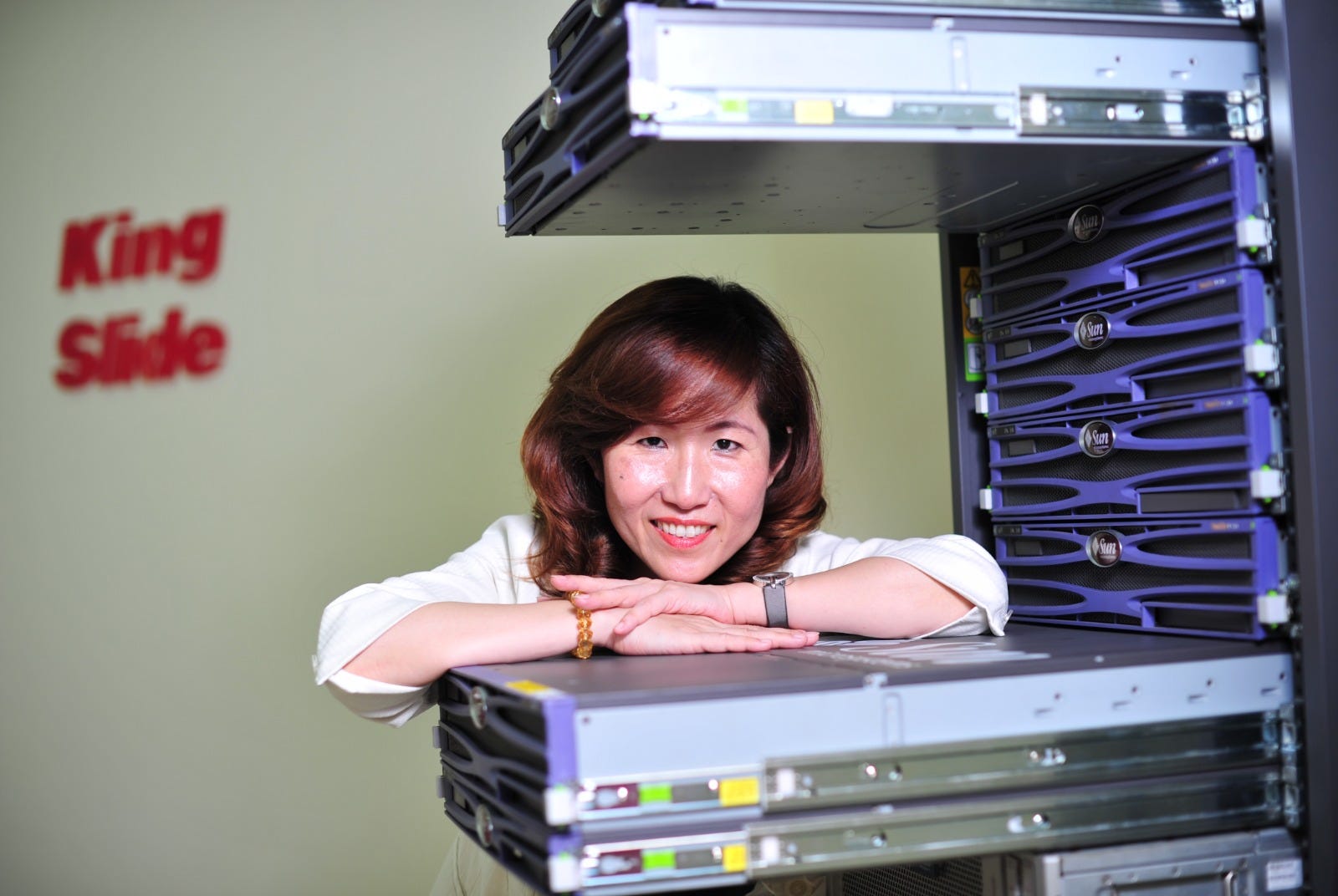
She said that ever since King Slide went public in 2005, investors have loved asking one question: How can your “two pieces of metal”—the two rails—possibly command a 50% gross margin?
……
(To read this exclusive story in full, visit the Tech Taiwan Substack)
Have you read?
- Two-Way Bet: Why Chip Materials Suppliers Are Localizing in Taiwan and Arizona
- How Did an Optical-Fiber Veteran Break Into TSMC's COUPE Silicon Photonics Supply Chain?
- Taiwanese American-Founded AOI Closes in on U.S. Laser Trio
Uploaded by Ian Huang
Views

Subscribe to CWE Newsletter (every Thursday)
Stay abreast of what's happening in Taiwan with our weekly digest.
Keywords: