How Taiwan’s Semicon Became the World’s Semiconductor Beauty Pageant
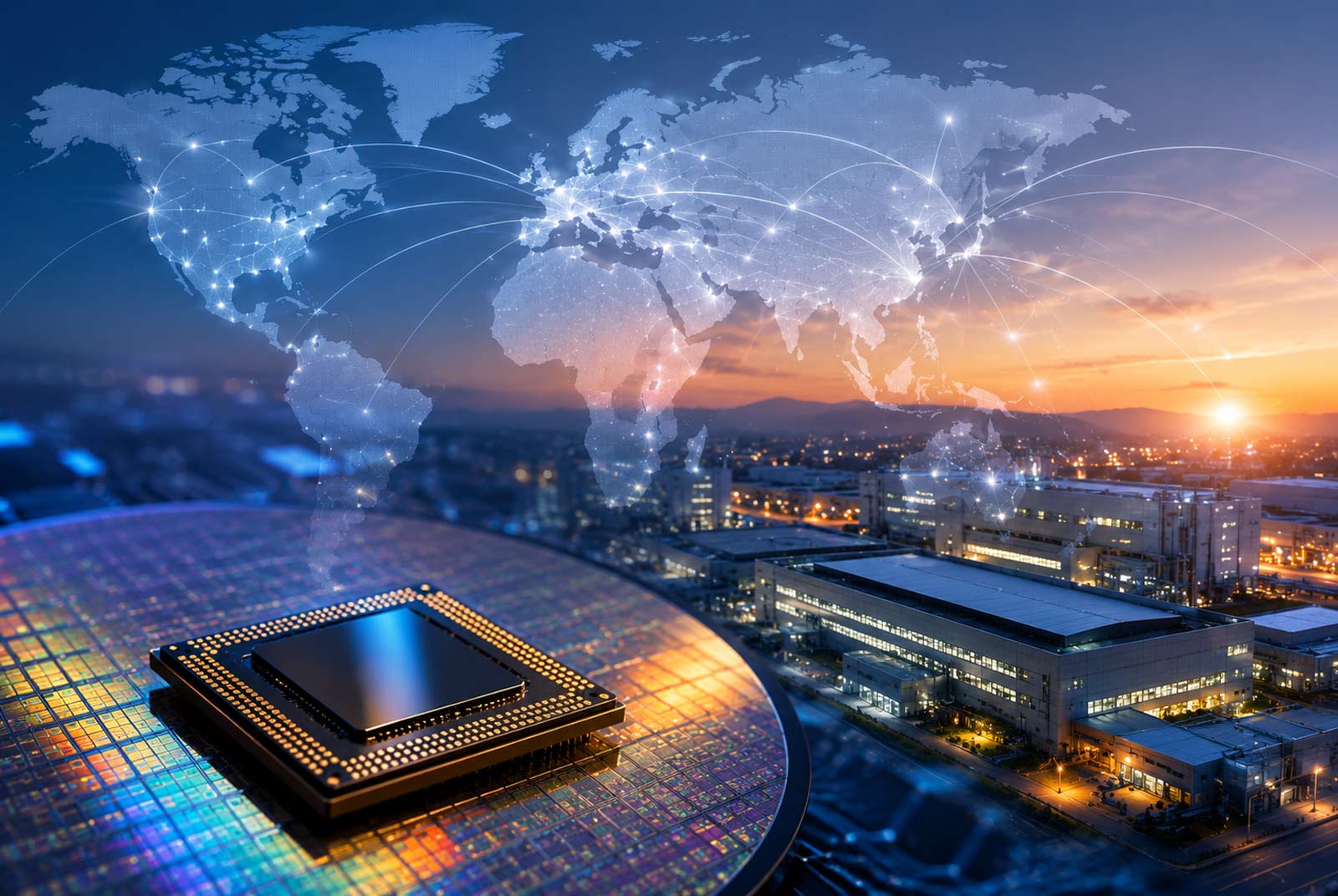
Source:ChatGPT
Semicon Taiwan has become more than a trade show—it is a global stage for the AI semiconductor race. With a record 18 national pavilions, countries are competing to partner with Taiwan's chip industry. Here's why the world is turning to Taiwan, what China's absence signals, and whether the AI chip boom can continue.
Views
How Taiwan’s Semicon Became the World’s Semiconductor Beauty Pageant
By Taiwanologyweb only
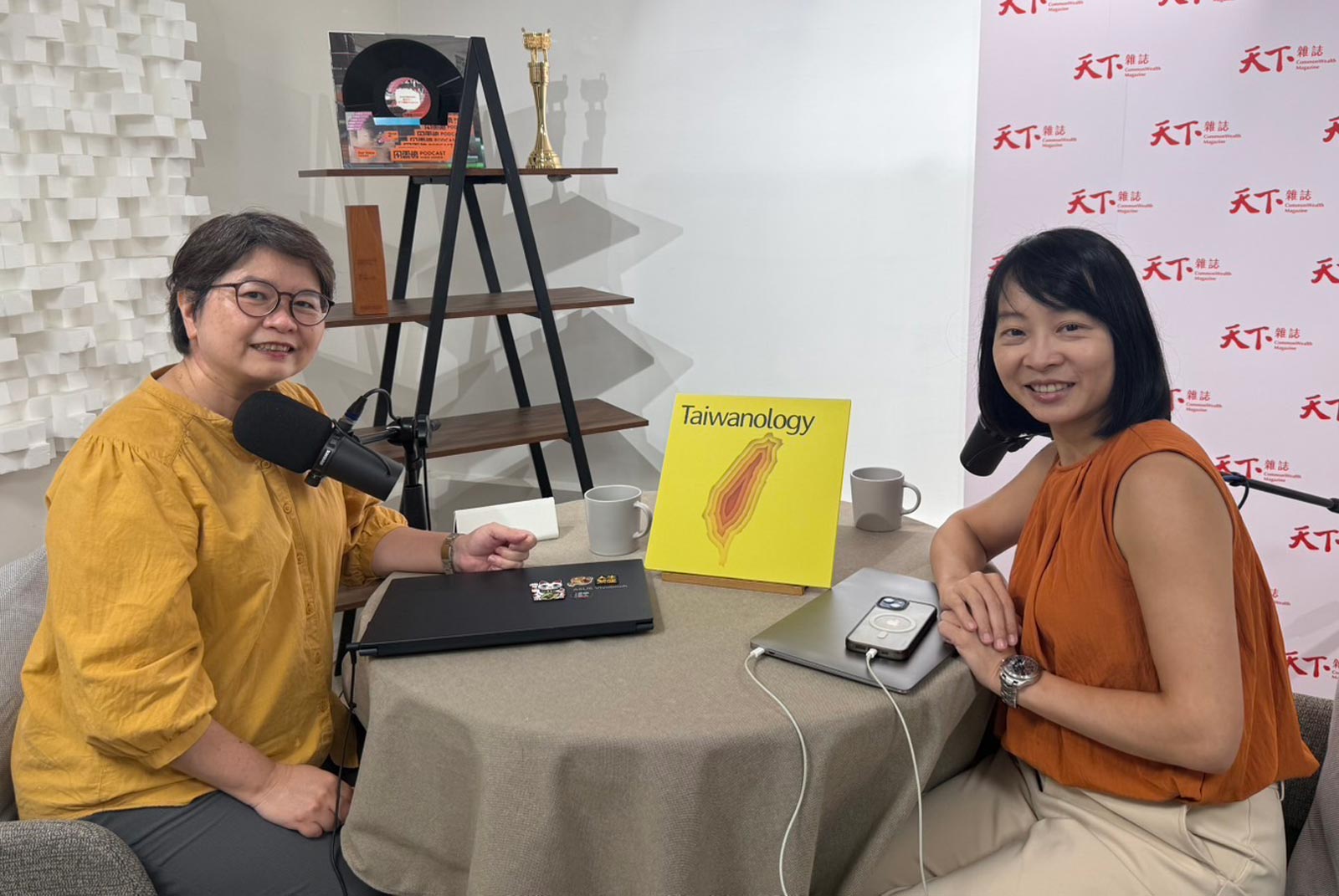
The following is the transcript of the latest episode of the Taiwanology podcast. It was produced by CommonWealth Magazine, hosted by Kwangyin Liu, and was first aired on August 18, 2026. The guest was Judy Lin, veteran semiconductor and AI reporter at CommonWealth English and founder of TechSoda, a Substack newsletter covering semiconductor, optoelectronics, digital health, and AI for non-specialist readers.
Listen to the episode: Why Semicon Taiwan Becomes a Beauty Pageant of Global Suppliers【Taiwanology Ep. 63】
From Trade Show to Geopolitical Signal
Kwangyin Liu (Host): "That's not a trade show story, but it's a story about how central Taiwan has become in a technology race that touches everything from AI data centers to national security strategy."
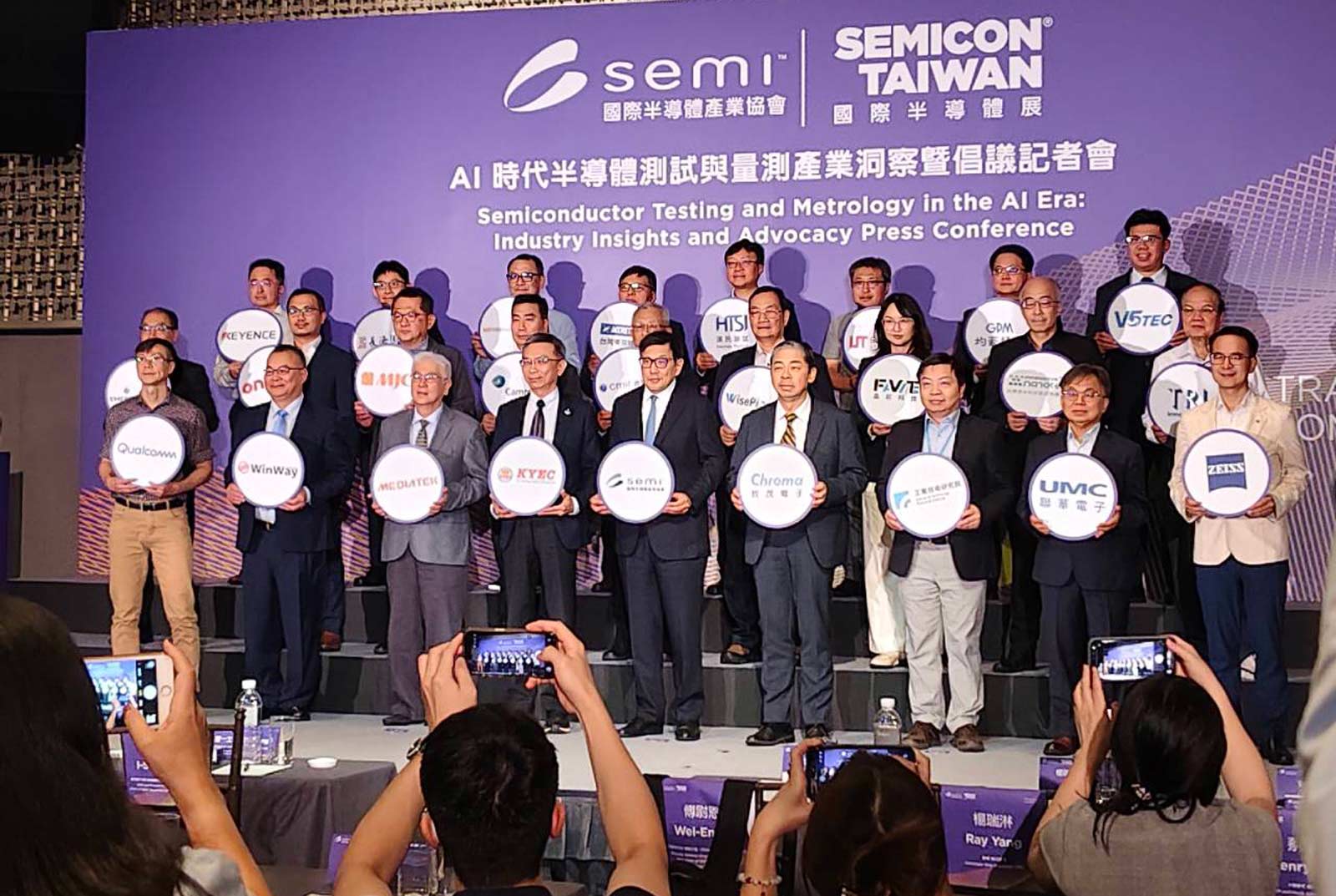
This year's Semicon Taiwan—the island's biggest semiconductor expo, now in its 30th year—is hosting a record 18 national pavilions. First-timers include Catalonia, Mexico's Chihuahua state, and Finland, joining established participants from the US, Japan, and the EU.
Judy Lin: "Many countries want chip resilience and AI sovereignty because they are very worried that China might invade Taiwan. And since now more than 90% of the advanced chips and AI servers are all made in Taiwan, they wanted to have a share of that cake as well."
The Newcomers and What They're After
Host: "Are they trying to get talent or supply chain security or something else?"
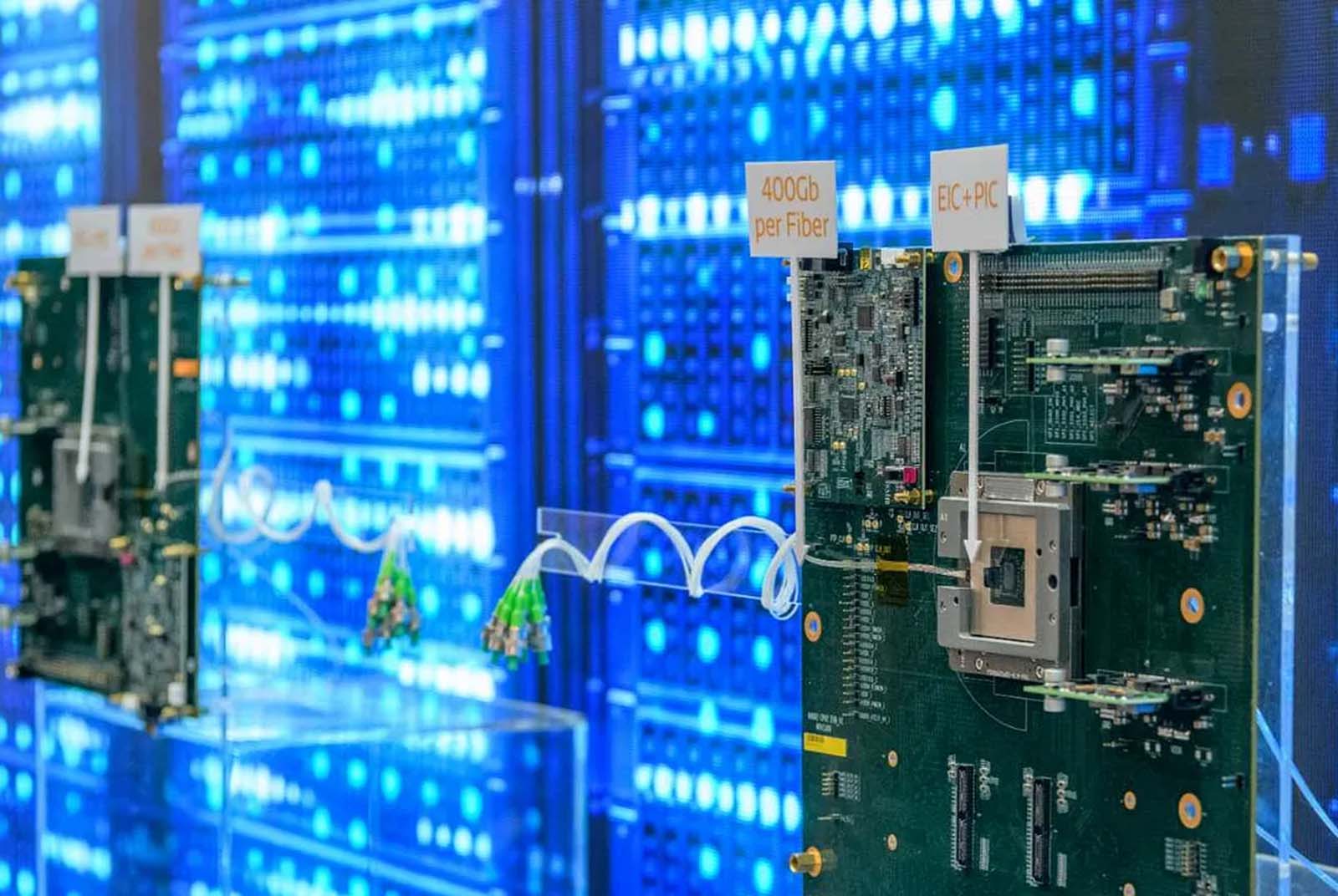
The delegations arriving in Taipei aren't there to browse—they're pitching. Judy noted that participants are showcasing silicon photonics, quantum technology, power management materials, analog IC design, and advanced packaging, all framed as complementary to Taiwanese strengths.
JL: "40% of the UK delegation are related to photonics, which is quite surprising. And I also see some innovative metrology and analog chip design automation startups from Canada and heat dissipation solution and quantum startups from other countries as well."
Chihuahua, Mexico—already home to Taiwanese PC assemblers including Wistron and Inventec—is making a case for AI server assembly, leveraging its proximity to the US border. Catalonia, meanwhile, appears to be positioning itself as a packaging and testing hub to complement TSMC's new fab in Dresden, Germany.
JL: "What they are really after is the opportunity to pair up with Taiwanese companies and form a complementary partnership to create solutions for next-generation AI."
Taiwan Gets to Call the Shots
Host: "It really looks like a beauty pageant here... They all want the attention of the Taiwanese companies, right?"
JL: "That's a very good analogy, beauty pageant. In the past, it's always that the Taiwanese suppliers have to cater to their customers. But now it's like a reversal of roles. Now Taiwanese companies get to call the shot."
The reversal reflects a structural reality: TSMC alone commands more than 70% of global advanced chip manufacturing revenues. For any company that wants to be part of the AI supply chain, the first relationship to secure is with Taiwan.
The China Factor
Notably absent from the 18-pavilion lineup: China. The omission is not incidental.
JL: "China has used policy subsidies and non-market measures to help Chinese companies thrive... We have seen that price-cutting red sea tactic in TFT-LCD panels, solar cells, and EVs and batteries. So I would have more worries in legacy chips instead of DUVs."
Because export controls have blocked China from acquiring EUV lithography machines, Chinese chipmakers have concentrated on DUV-based legacy node production—chips used in cars, appliances, and consumer electronics. Judy warned that as Chinese manufacturers improve in quality, a flood of cheap mature-node chips could suppress prices globally, squeezing the very segments that underpin much of Taiwan's broader supplier ecosystem.
Path Dependency: Why Taiwan's Lead Is Hard to Replicate
Host: "How do we reconcile this contradiction? At the same time we want to stress that Taiwan is important, but it's going to be possibly diluted if the supply chain spreads to other countries."
Judy invoked the concept of path dependency to explain why dispersion of the supply chain doesn't necessarily diminish Taiwan's centrality.
JL: "It took Taiwan more than 50 years to build the most efficient chipmaking ecosystem in the world, having the largest numbers of semiconductor engineers and with fabs located in a place where you can travel between them in one to two hours. If you want to ship silicon wafers produced by GlobalWafers in Sherman, Texas to TSMC's fab in Phoenix, Arizona, it takes the truck 17 hours and 44 minutes nonstop."
JL: "It's the same when people continue to use QWERTY keyboards. It might not be the perfect thing for ergonomics, but it works very well, very stable, and very efficient. Why not continue to use it?"
Is There an AI Chip Bubble?
Host: "Is there a fear of overcapacity? Is that even an issue?"
JL: "I don't see much issue in that. There is a seven-fold token usage increase... people have been using AI compute more often than in the past. That demand is increasingly driving the investment for AI infrastructure."
TSMC chairman C.C. Wei has said the company is building or expanding production lines across 13 fabs in Taiwan this year alone. Judy sees demand from hyperscalers as a strong enough signal to justify the pace of expansion—for now.
JL: "I'm not surprised if the token compute demand is growing exponentially. That's why they really need to come up with chips so that there won't be any bottleneck to slow things down."
Join the Taiwan Team
Host: "It's essentially telling people to just hop on board and join the Taiwan team. Can we say that?"
JL: "Be the partner. Let's be partners and let's co-work."
Terry Tsao, global chief marketing officer of SEMI, put it more formally: no single country can meet the massive demands of the AI industrial revolution alone. Global collaboration, he said, is not optional—it is essential.
Views

Subscribe to CWE Newsletter (every Thursday)
Stay abreast of what's happening in Taiwan with our weekly digest.
Keywords: