Why Do Taiwanese Drone Exports Still Rely on China's "Pink Supply Chain"?
Source:Chien-Tong Wang
The value of Taiwanese drone exports has jumped 28-fold over the past year thanks to high demand from the Ukrainian front in the war against Russia. But lurking behind such success is a reliance on a "pink supply chain" — components sourced from China. Can Taiwan build its own competitiveness?
Views
Why Do Taiwanese Drone Exports Still Rely on China's "Pink Supply Chain"?
By Charo Wuweb only
At Hyway Tech Co. Ltd. in the Changhua Coastal Industrial Park 700-degree Celsius hot liquid aluminum is poured into molds for ceramic cylinders. Ceramic-coated aluminum cylinders can withstand very high temperatures and provide strong resistance to wear, explains Chen Chun-li (陳俊利), the man in charge at the plant. "They have a long lifetime, lasting decades without breaking down."
Hyway originally sold its robust ceramic cylinders to manufacturers of brush cutters in Europe and the United States. But when demand weakened in 2023, they received orders from Ukraine for large-size brush cutter engines. Further inquiry revealed that the ceramic cylinders help ensure drones don't crash during missions, and were destined for drones used at the Ukrainian frontlines. Self-destroying kamikaze drones equipped with dual-cylinder engines were able to stay airborne over distances of more than 200 kilometers.
Chen had new molds made for the Ukrainian customers to manufacture lighter cylinders that allowed the drones to stay in the air for even longer distances. "Now the customers say they must be able to fly 2000 kilometers," says Chen about the latest requirements. Before getting involved in the drone business, Hyway produced some 30,000 brush cutter cylinders per year. Meanwhile they manufacture more than 10,000 in a single month.
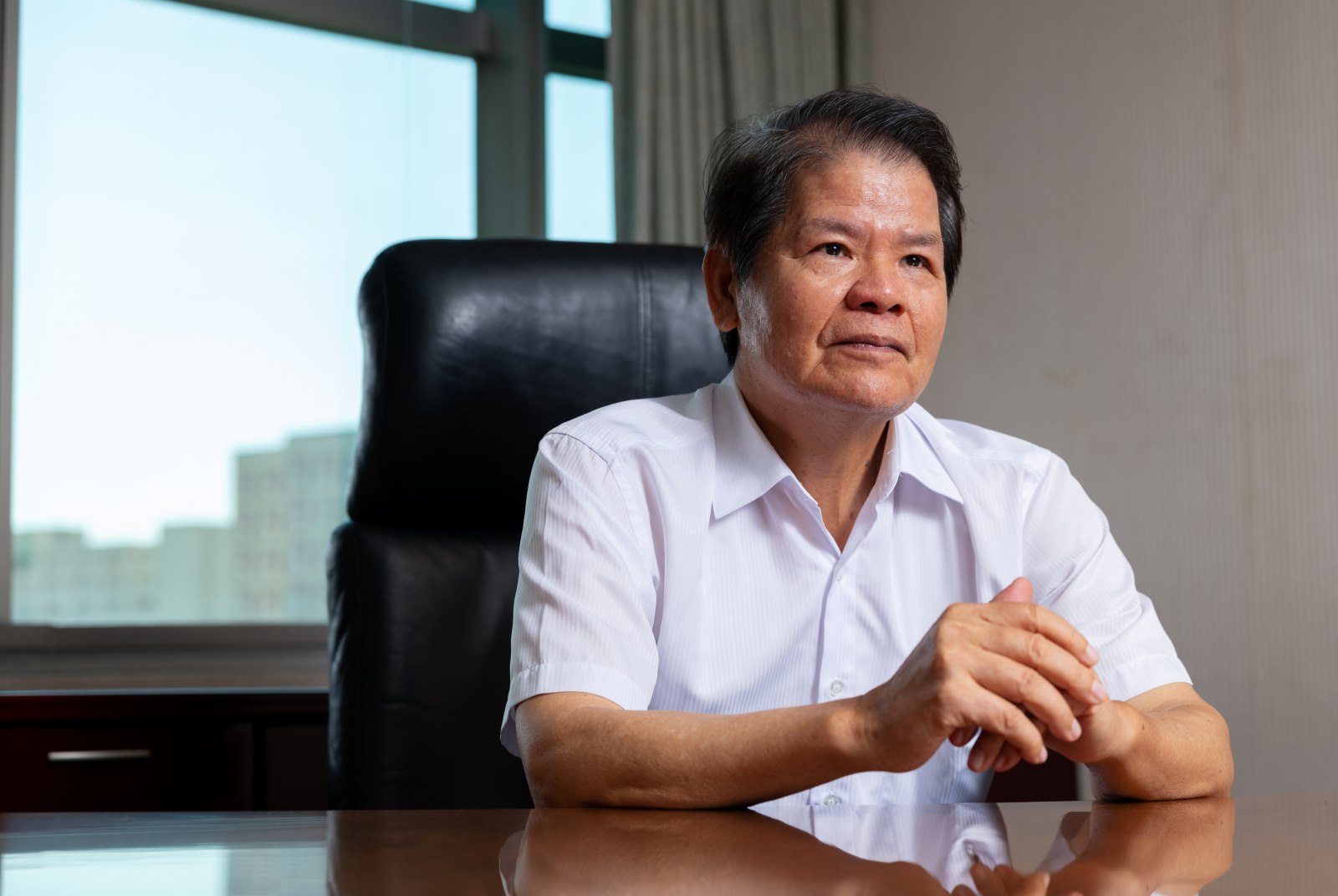
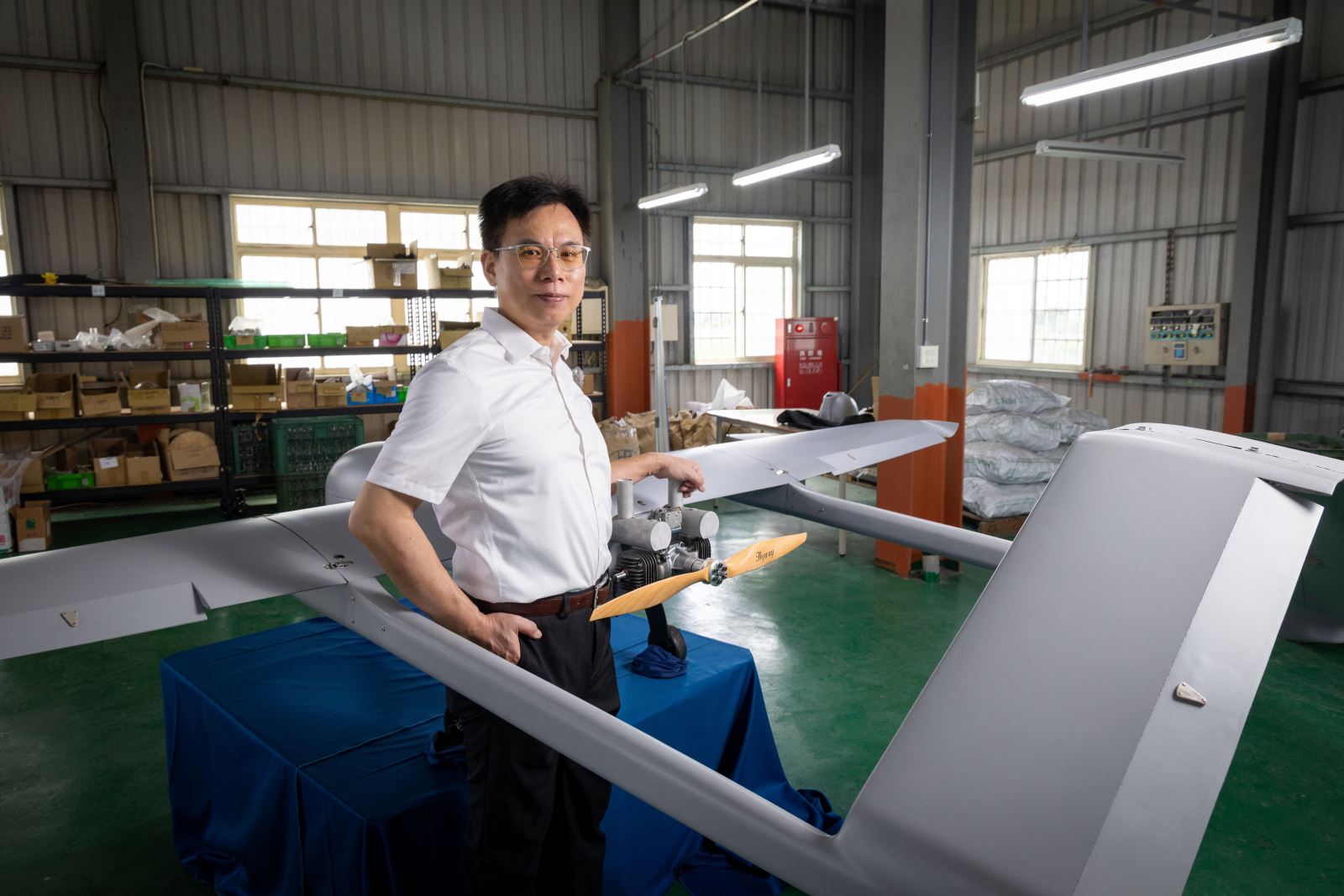 Hyway Tech Co., Ltd.’s lawn mower engines have been transformed into the “heart” of drones, powering operations on the front lines of the war in Eastern Europe. Pictured is Chen Chun-li, head of Hyway Tech Co., Ltd. (Photo: Chien-Tong Wang)
Worldwide only three countries boast a vertically integrated manufacturing model to mass produce ceramic cylinders, namely Taiwan, Italy, and China. As Chen points out, a fuel-powered engine accounts for only 10 percent of the total cost of a drone. Yet its quality is crucial for the success of a drone mission.
While Chinese suppliers sell at half of Taiwanese prices, the quality of their cylinders is not stable which is why Ukrainian customers are ready to pay higher prices, says Chen.
Presently, Hyway's entire business virtually stems from Ukraine, and since customers only place small rush orders, staking the entire revenue on Ukraine is too risky.
Chen is aware that Ukraine boasts a large home-grown defense industry, ranking second among the former members of the Soviet Union, behind Russia. "Later on, they will be our competitor," Chen warns. Hyway currently tries to vertically integrate its production while also attempting to get a foothold in the American drone market to decrease its dependence on Eastern European customers.
Hyway's predicament is a microcosm of Taiwan's drone supply chain.
Taiwanese customs figures show that the export value of finished drones increased 28-fold between January 2025 and August this year, with the lion's share being exported to the Czech Republic, Poland, and the United States.
The vast majority of drones exported to Eastern Europe were lightweight models under 7 kg which were almost entirely sent on to the battlefields in Ukraine where they were used as so-called first-person view (FPV) suicide drones, according to a report by think tank DSET under Taiwan's National Science Council. In the first seven months of the year Taiwan exported 150,000 units of these lightweight drones, accounting for some 70 percent of total exports.
Yet what most people don't know is that most Taiwanese drone manufacturers are small- and mid-sized companies that have the technology but do not produce in large numbers. Coretronic Corporation, for instance, has a monthly production capacity target of just 5,000 units.
The actual mass production is less visible: many electronics contract manufacturers get involved via subsidiaries, assembling drones on their production lines and shipping them abroad. Since drones can be used as weapons and these companies do business with China, they cannot openly talk about their activities. Still, large companies have no good reason not to get involved in drone production since drones are expected to be the next big thing after the AI server boom.
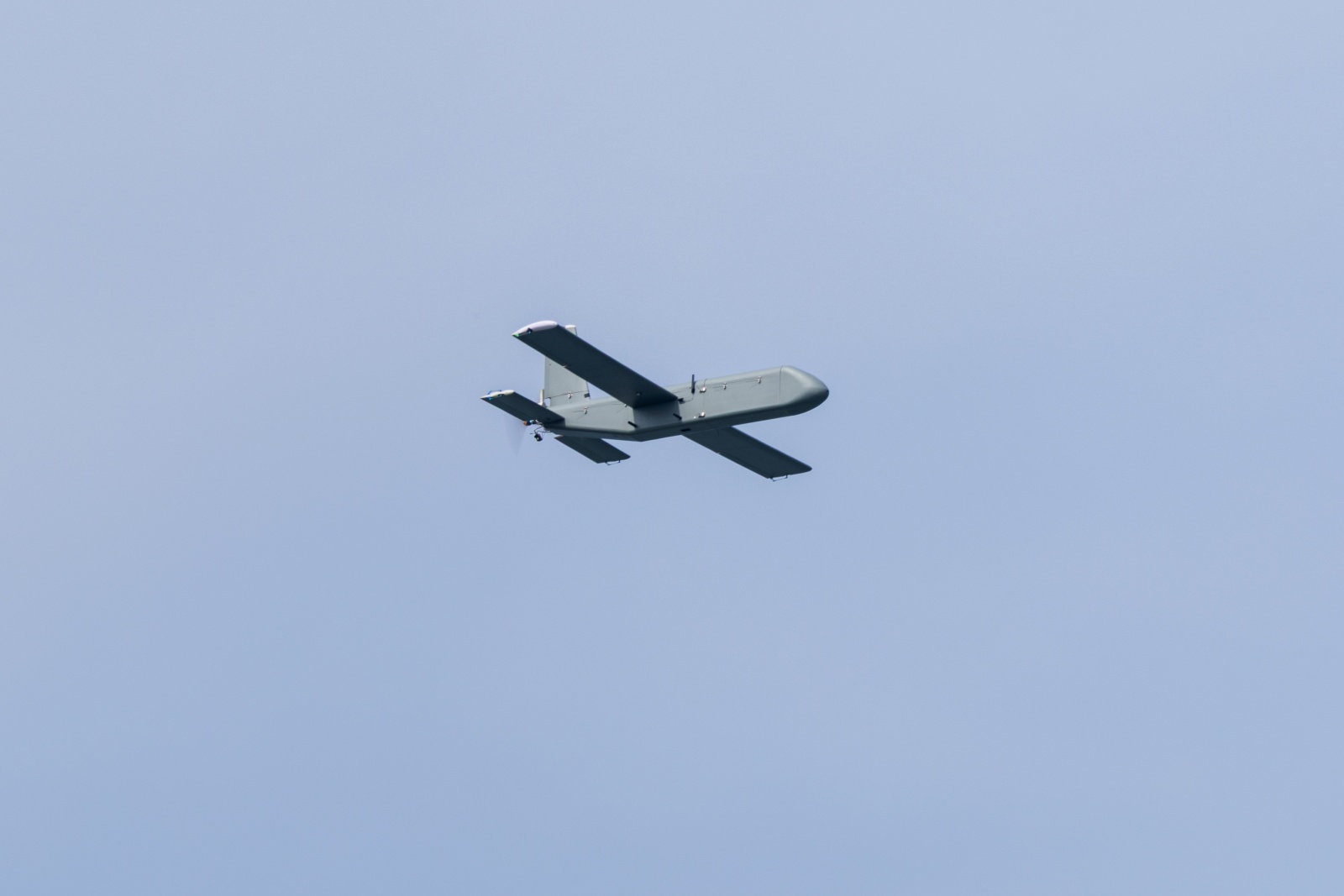 Despite Taiwan’s booming drone exports, the industry still faces relatively low levels of localization and thin profit margins. (Photo: Chien-Tong Wang)
Industry insiders, however, are alarmed that the average export price for a single lightweight drone stands at just US$700.
Monica Lee (李芷婷), co-founder of Taiwanese drone maker AiSeed Inc., estimates that FPV drones made entirely from Taiwan-sourced parts would need to sell for at least US$2,000 to US$3,000 per unit to break even.
In other words, Taiwan's drone export story is likely largely owed to "reddish drones" that have actually been assembled from Chinese parts and components. Taiwanese assemblers only achieve a small profit margin, accounting for less than 5 percent of the added value.
Li Kang (李綱), director of the Uncrewed Vehicle Research and Design Center at National Taiwan University, notes that the number of engines produced in Taiwan is far below the number of exported finished drones. For Ukraine, Taiwan is just one of various alternative drone sources. And even if Taiwan uses "non-red" as a selling point, customers are ready to pay at most a 30 percent premium on China-made drones, Li says.
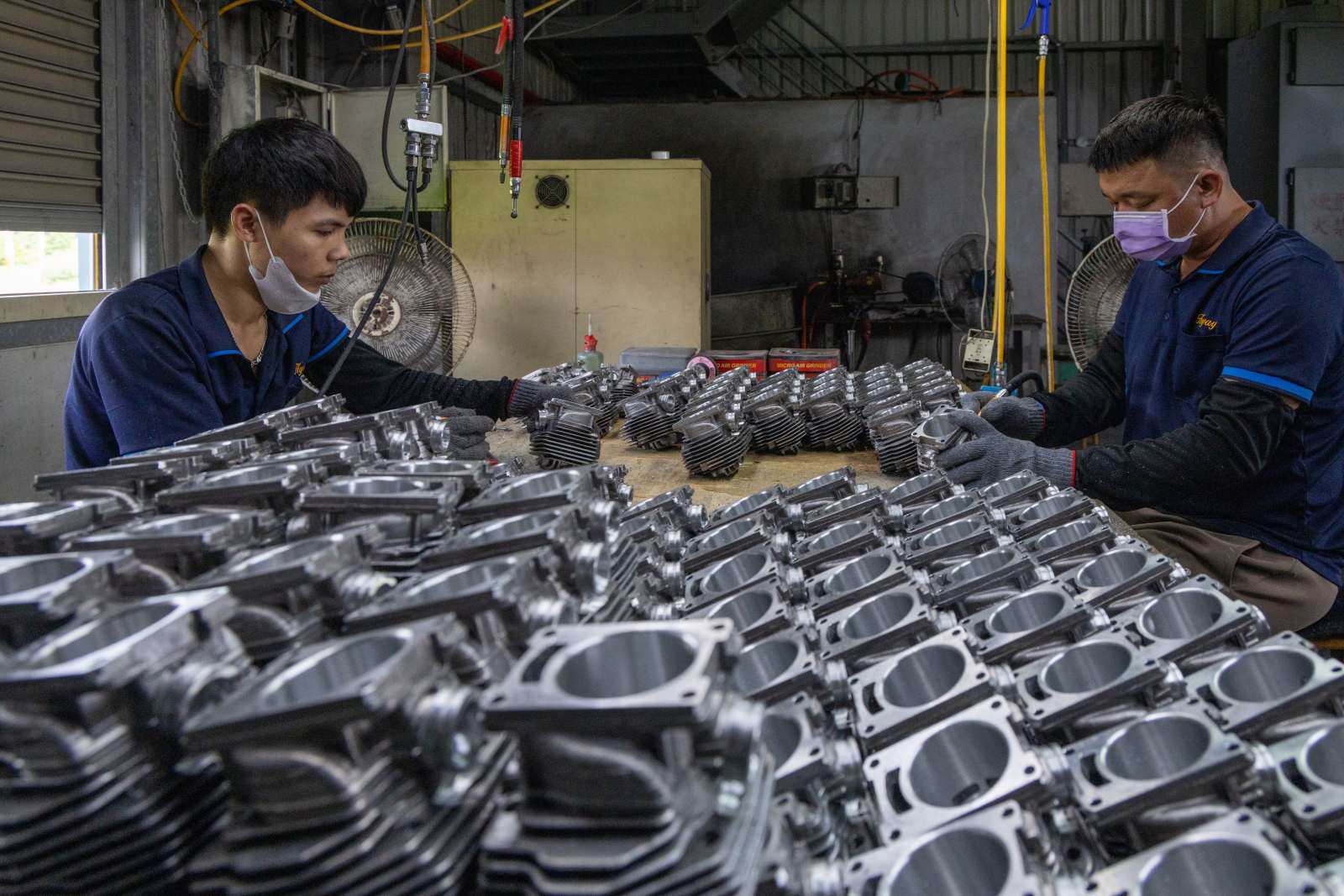 Hyway Tech Co., Ltd. has successfully broken into Ukraine’s defense supply chain with high-performance components such as ceramic cylinders. (Photo: Chien-Tong Wang)
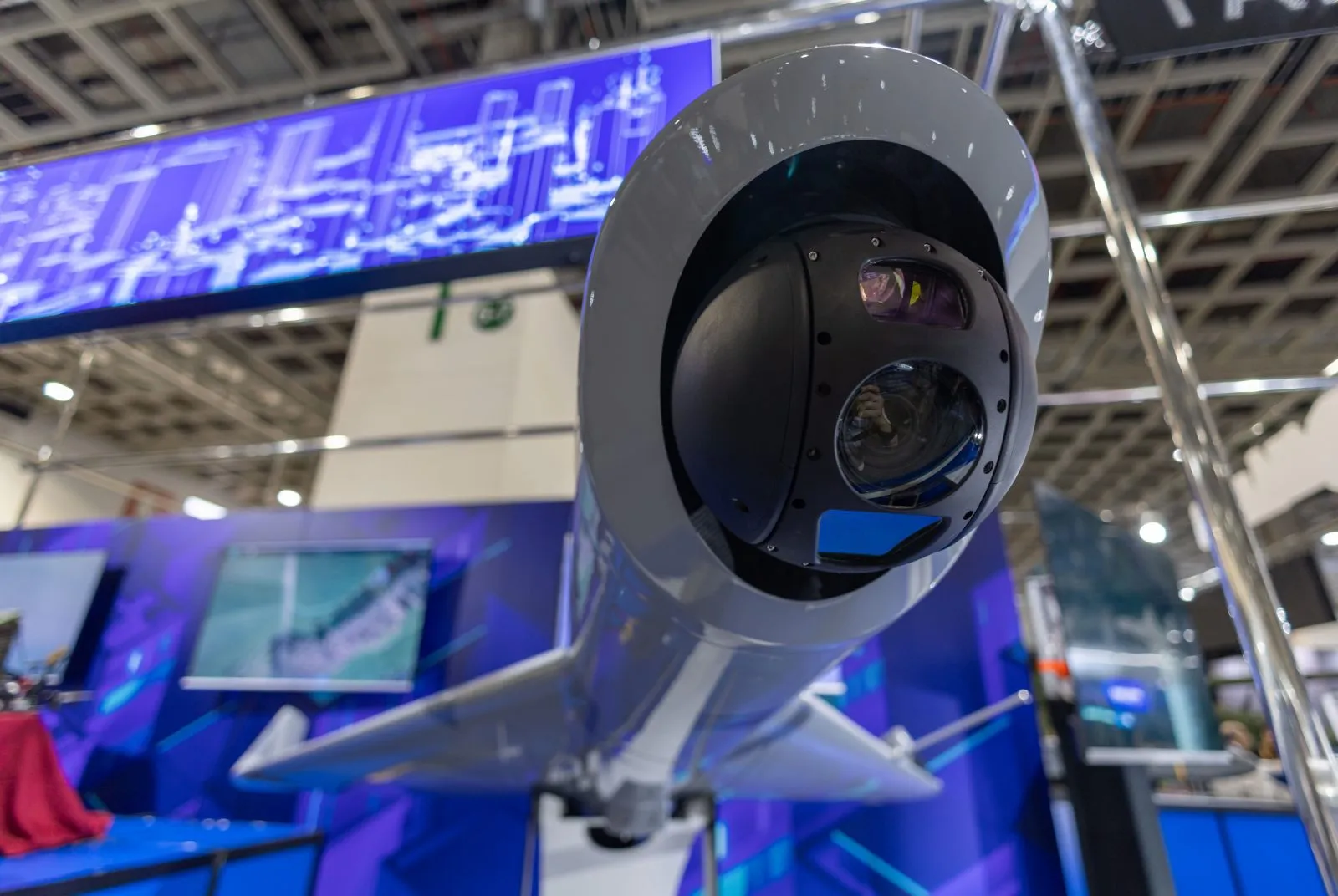
For high-performance parts and components, the problem is even more obvious. Triple-sensor gimbals, which combine a daylight camera, an infrared thermal imaging sensor, and a laser rangefinder into a single unit, are the "eyes" of drones. If made in Taiwan, such devices cost nearly NT$200,000. One fourth of the cost can be cut if China-made infrared sensor chips are used. Moreover, Steven Teng (滕曉峯), vice president of Taipei-based tech venture capital firm Darwin Ventures, notes that Taiwan is not able to produce such high-performance chips. If customers insist on "non-red" content, then the only option are chips made in the United States or France which would mean doubled production costs.
Domestic tenders aren't immune to these realities either. In mid-August, it was discovered that Hang Jian Technology had delivered drones for military training that contained Chinese chips, a clear violation of Taiwanese law. It led to the first-ever investigation of a drone procurement case under the National Security Act.
The United States regard Taiwan as an ally outside the red supply chain. Ironically, the export market mostly still goes for short-term profits selling reddish drones which might impede the cultivation of a non-red supply chain in the long term. After the end of the war, Ukraine will most likely become Taiwan's strongest competitor, thanks to its experience fighting a real war.
Li says Washinton hopes that Taipei helps build momentum for a consolidated local drone industry through government procurement. Presently government procurement lacks scale, as some deals consists of only one unit. For manufacturers building molds without sufficient orders on the book is not economical.
In contrast, the U.S. Department of Defense's US$1 billion Drone Dominance Program (DDP) aims to scale production, comparing the capabilities of drones from different manufacturers and having them tested by the military. Under this procurement initiative each manufacturer receives a guaranteed order between several thousand to several ten thousand units, which makes capacity expansion an attractive proposition.
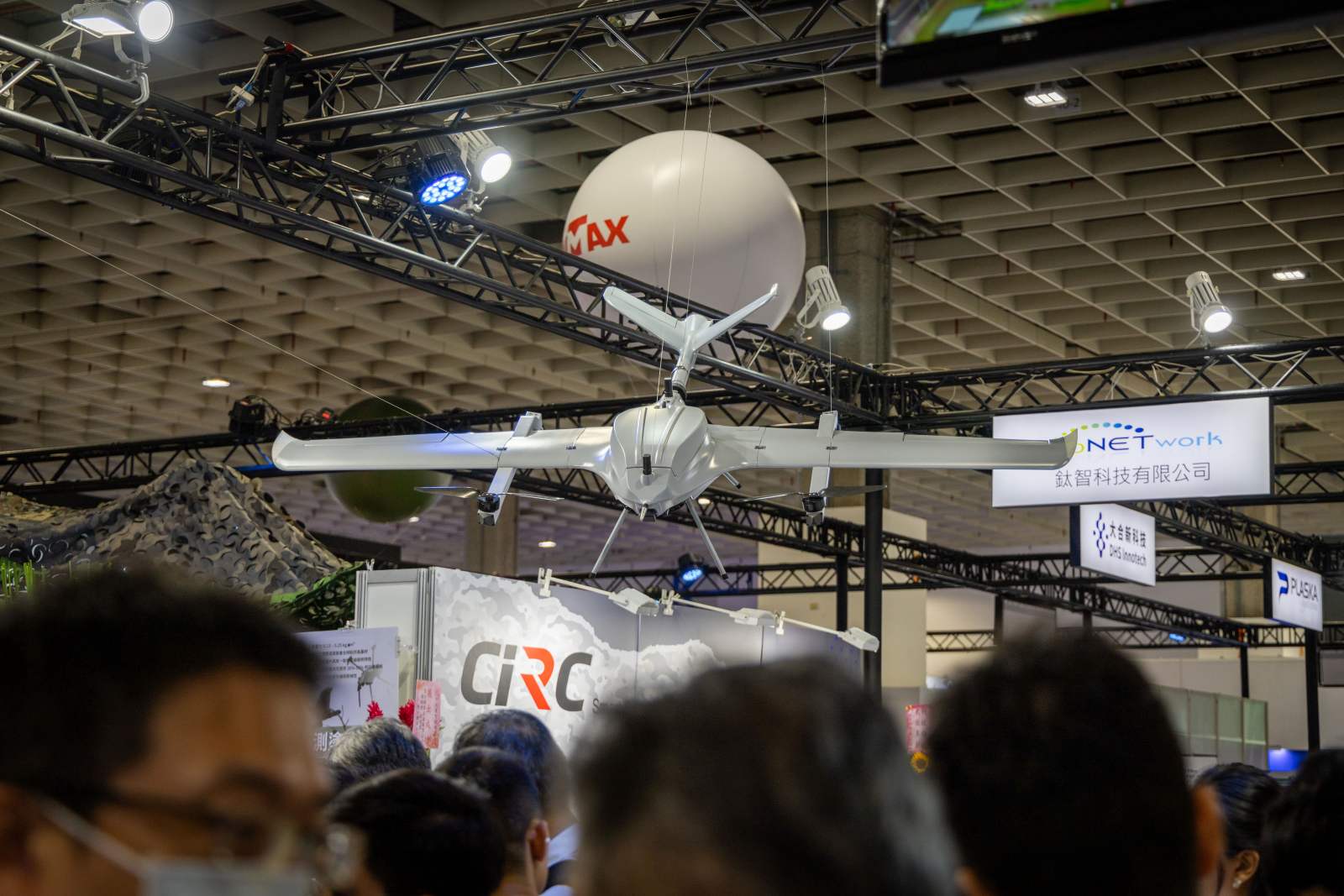 The government should establish more robust traceability mechanisms and procurement programs to advance a genuine “China-free” transformation of the drone industry. Pictured is a drone developed by Coretronic. (Photo: Chien-Tong Wang)
Li suggests that the government set up a dedicated project office staffed with personnel from various cabinet agencies. Using proven management concepts from automotive industry suppliers, the office would strictly audit downstream suppliers. Teng recommends that manufacturers should not one-sidedly target the defense industry but also develop products for civilian use such as vertical take-off and landing (VTOL) aircraft.
It takes practical, robust policies if calls for a supply chain "freed of red content" shall not just remain an empty slogan. Once demand from the frontlines of war-ravaged Ukraine declines, contract manufacturing will no longer guarantee fast money. This will be the hour of truth, as Taiwan will have to prove that it can build a competitive drone industry with a trustworthy non-red supply chain.
Have you read?
- Two-Way Bet: Why Chip Materials Suppliers Are Localizing in Taiwan and Arizona
- How Did an Optical-Fiber Veteran Break Into TSMC's COUPE Silicon Photonics Supply Chain?
- Taiwanese American-Founded AOI Closes in on U.S. Laser Trio
Translated by Susanne Ganz
Uploaded by Ian Huang
Views

Subscribe to CWE Newsletter (every Thursday)
Stay abreast of what's happening in Taiwan with our weekly digest.
Keywords: